What if the most useful life skill to practice is the one an autistic young person wants to learn, rather than the one adults expect? Families often see how everyday skills can support autonomy, but choosing where to begin can feel difficult when the young person’s interests, communication, and preferences matter. Effective life skills training for autistic youth starts with listening and choosing goals together, not following a one-size-fits-all checklist.
Progress can begin with a small, practical goal and build through patient practice in everyday situations. This guide offers steps for identifying youth-led priorities, supporting skills across home, clinic, and community settings, and considering how collaboration with a BCBA or parent coaching may fit your family’s approach. It also shares questions to ask when exploring professional support, so the focus stays on what matters to the young person and how they want to build confidence and autonomy.
What Does Life Skills Training for Autistic Youth Include?
Life skills training isn’t a fixed list of tasks every young person should master by a certain age. It’s individualized support for developing abilities that matter in that person’s life, with goals shaped by their priorities, communication, sensory needs, age, and daily routines. Broadly, life skills are abilities that help people respond to everyday situations. For autistic youth, choosing which abilities to focus on means asking what could make daily life more comfortable, accessible, or meaningful to them.
Life skills training for autistic youth is collaborative support for building practical abilities that align with a young person’s preferences, needs, and everyday life. The aim isn’t to make everyone follow the same path. A goal might involve doing more independently, having more say in how a task happens, or finding a comfortable way to take part with support.
Which life skills might an autistic young person want to develop?
Start with situations the young person encounters or hopes to encounter. Then consider whether a particular skill would help. Depending on their interests and circumstances, possible goals might include:
- Organizing a backpack, personal belongings, or materials for an activity.
- Following or adjusting a daily routine using reminders or another preferred support.
- Taking part in a familiar community activity, such as visiting a favorite shop or using a local library.
- Communicating preferences, setting boundaries, or asking for help in a way that works for them.
- Practicing self-advocacy, such as explaining a sensory preference or requesting a change.
These are options to discuss, not requirements or age-based expectations. A skill may be useful now, relevant later, or not a priority at all. Families can talk with the young person and, if appropriate, a BCBA about which goals feel worthwhile. They can also consider how clinic, home, or community-based ABA therapy settings relate to where the young person wants to use a skill.
How should families define progress and independence?
Progress doesn’t have to mean completing every step without assistance. It might mean having more choice, joining an activity in a preferred way, communicating a need sooner, or using a support that makes a routine manageable. Visual reminders, help from another person, or a sensory accommodation can be part of a successful approach, not evidence of failure.
Include the young person in choosing goals, and pay attention to their comfort and consent as practice unfolds. If a goal causes distress or no longer matters to them, pause and reconsider it together. Independence doesn’t have to mean doing everything alone. Meaningful participation, self-direction, and respectful support can all be part of building autonomy.
How Are Life Skills Goals Chosen and Practiced?
Good planning begins with the young person, not a prewritten checklist. Families can use a simple sequence to turn a broad concern into a practical plan: ask what matters to the youth, identify a situation where a skill could help, choose one small step, practice it, and review it together. A useful goal is observable, personally meaningful, and connected to the context where the young person wants to use it.
For example, “be more organized” is difficult to put into practice. A clearer first step might be choosing a place for a frequently used item and trying that system during a familiar routine. The youth can help choose the setup and share whether it works. This keeps life skills training for autistic youth tied to real priorities instead of adult assumptions about what should come next.
How can a family choose a first goal with a young person?
Ask about situations the young person enjoys, finds frustrating, or would like to handle differently. Offer ways to respond that fit their communication, such as speaking, writing, or using another established method. Then break the goal into manageable steps, agree on what progress might look like, and decide how the youth can signal that a strategy feels helpful, uncomfortable, or ready to change.
A family and qualified professional, such as a BCBA, can consider the young person’s strengths as well as possible barriers. A task that seems difficult may involve unclear instructions, sensory demands, limited time, or an inaccessible environment. Looking at those conditions can be more useful than asking the youth simply to try harder. For broader transition planning, the Administration for Community Living’s Resources for Youth with Autism Transitioning to Adulthood can help families explore topics such as education, employment, and independent living.
How can a skill move from practice into everyday routines?
When possible, practice in the setting where a skill is relevant and with the people who are part of that routine. Clinic, home, and community settings can each offer different opportunities to work on a goal. Supports might include modeling, prompts, rehearsal, or positive feedback, selected according to the youth’s preferences and needs. A support doesn’t have to be removed just to demonstrate independence.
Notice what happens during practice and ask the young person for feedback. If a strategy isn’t helping, consider whether communication, sensory needs, timing, or access is getting in the way. Then adjust the plan. Families who want to discuss ways to support goals between sessions can explore parent coaching as one option for collaborating on everyday strategies.
Which Life Skills Training Setting Fits an Autistic Young Person?
The right setting is the one that makes sense for the young person’s goals and circumstances. Clinic, home, and community practice offer different contexts, but none is automatically best or guarantees that a skill will transfer elsewhere. Families in Cary, Apex, and Raleigh can compare options with a BCBA by considering the youth’s preferences, communication and sensory needs, family priorities, and which services are currently available.
When might clinic-based, home-based, or community-based support be considered?
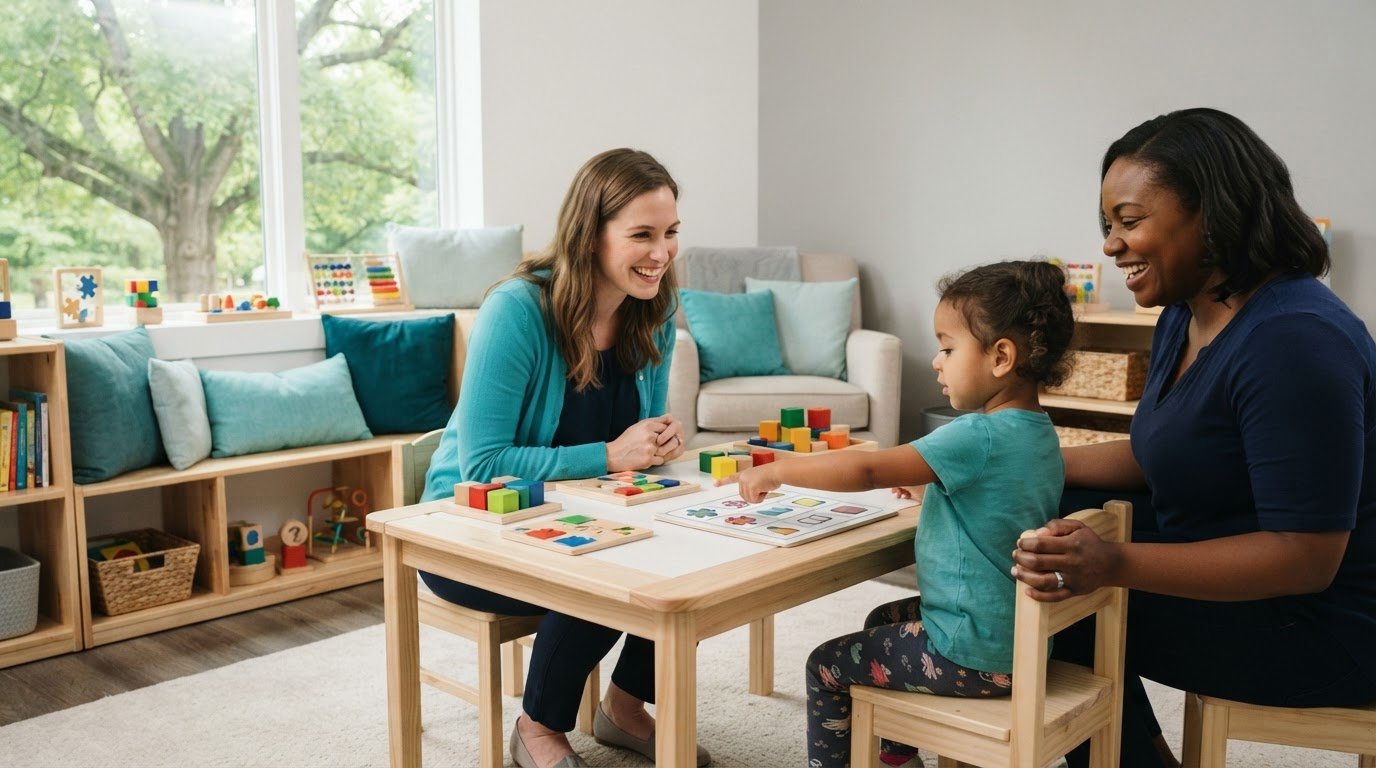
A clinic can provide a setting for focused practice on goals chosen with the young person. Families exploring clinic-based ABA therapy can ask how the team will connect clinic goals to the youth’s everyday priorities. Home-based support relates to routines at home, while community-based practice may address activities in relevant places beyond it. These are different contexts, not a ranking of which setting works best.
What questions can help families compare settings?
Ask how the young person’s preferences, communication style, and sensory needs will inform the setting and plan. Find out how caregivers can participate, how progress will be reviewed, and how the team will respond if the approach isn’t comfortable or useful. The Transition to Adulthood Tool Kit can also help families think through areas such as community living, employment, and further education as they discuss priorities.
For life skills training for autistic youth, practice in one setting may not automatically carry over to another. Ask how a skill will be revisited in the situations where the young person wants to use it, and what supports can make participation accessible. A thoughtful plan can change as the youth’s goals and circumstances change.
How Can Families Support Life Skills Practice Day to Day?
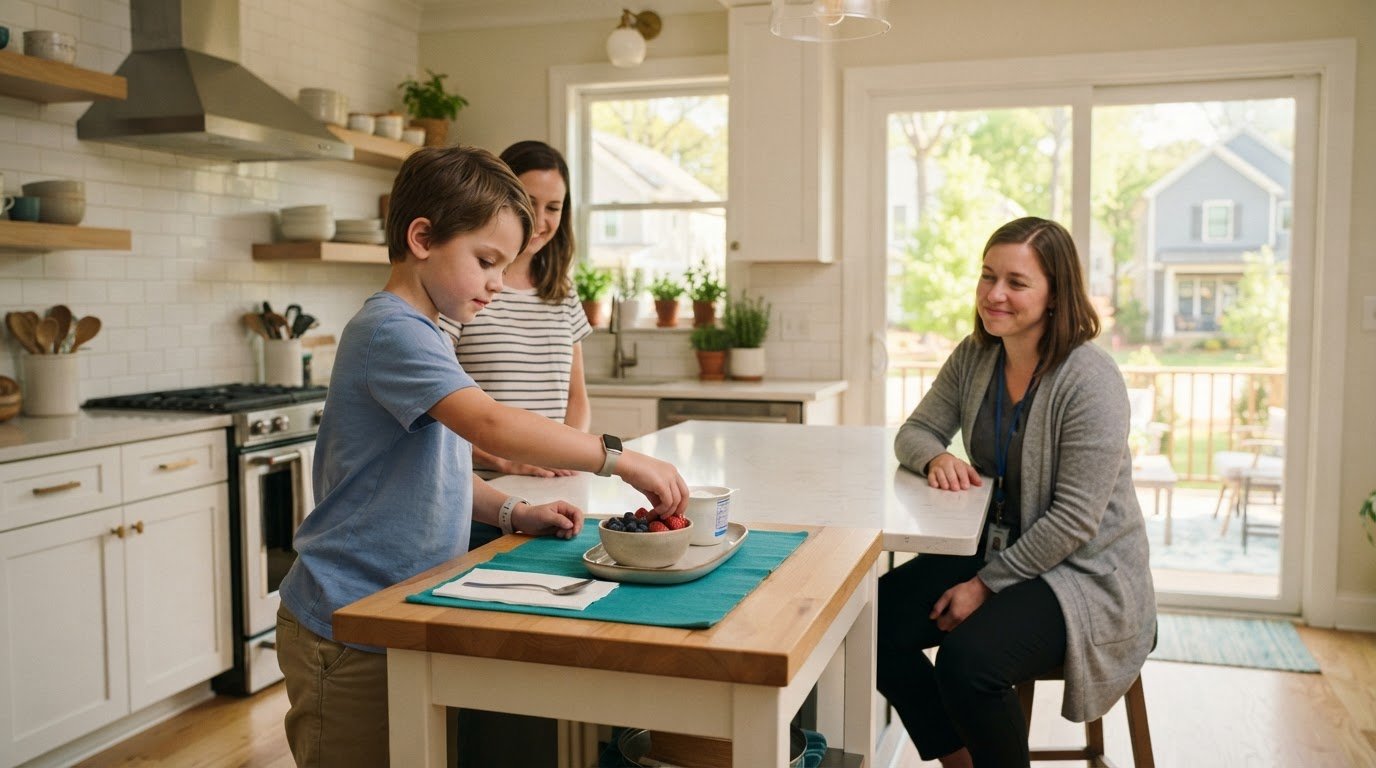
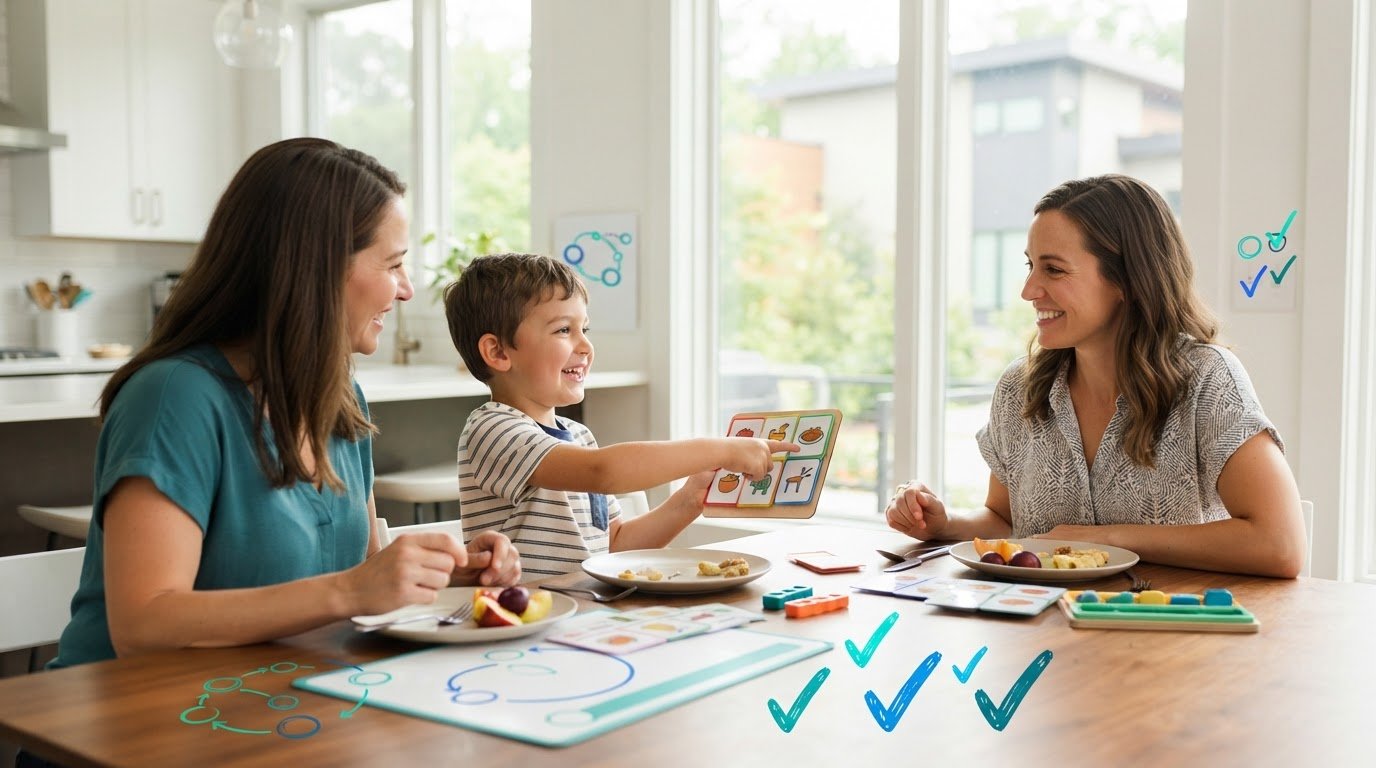
Everyday practice doesn’t need to feel like another appointment. A brief, predictable opportunity to try a personally relevant step can fit into routines the young person already knows. The purpose of life skills training for autistic youth isn’t to turn family life into constant teaching or assessment. It’s to support a goal the young person values while respecting their energy, preferences, and need for help.
Before starting, agree on a simple plan together:
- Choose one useful goal: Ask what the young person wants to practice or make easier.
- Pick a time and place: Identify a routine when there’s enough time and the setting feels manageable.
- Decide what support is welcome: Ask whether they prefer a reminder, written steps, a demonstration, or another approach.
- Check in afterward: Invite feedback on what felt helpful, difficult, or worth changing.
Keep the tone calm and collaborative. Allow extra time when needed, offer choices, and avoid turning a missed attempt into a problem to solve on the spot. The young person may prefer to pause, try a different step, or ask for assistance. Those responses can help the family decide whether the timing, setting, or support needs adjusting.
How can caregivers encourage practice without adding pressure?
Invite rather than insist whenever possible. Use clear, respectful communication and supports that match the youth’s established preferences. A pause, change of approach, or request for help is feedback, not a failure. Caregivers can notice practical details, such as what made participation easier or what got in the way, without recording every attempt or evaluating the young person throughout the day.
How can families and providers collaborate on next steps?
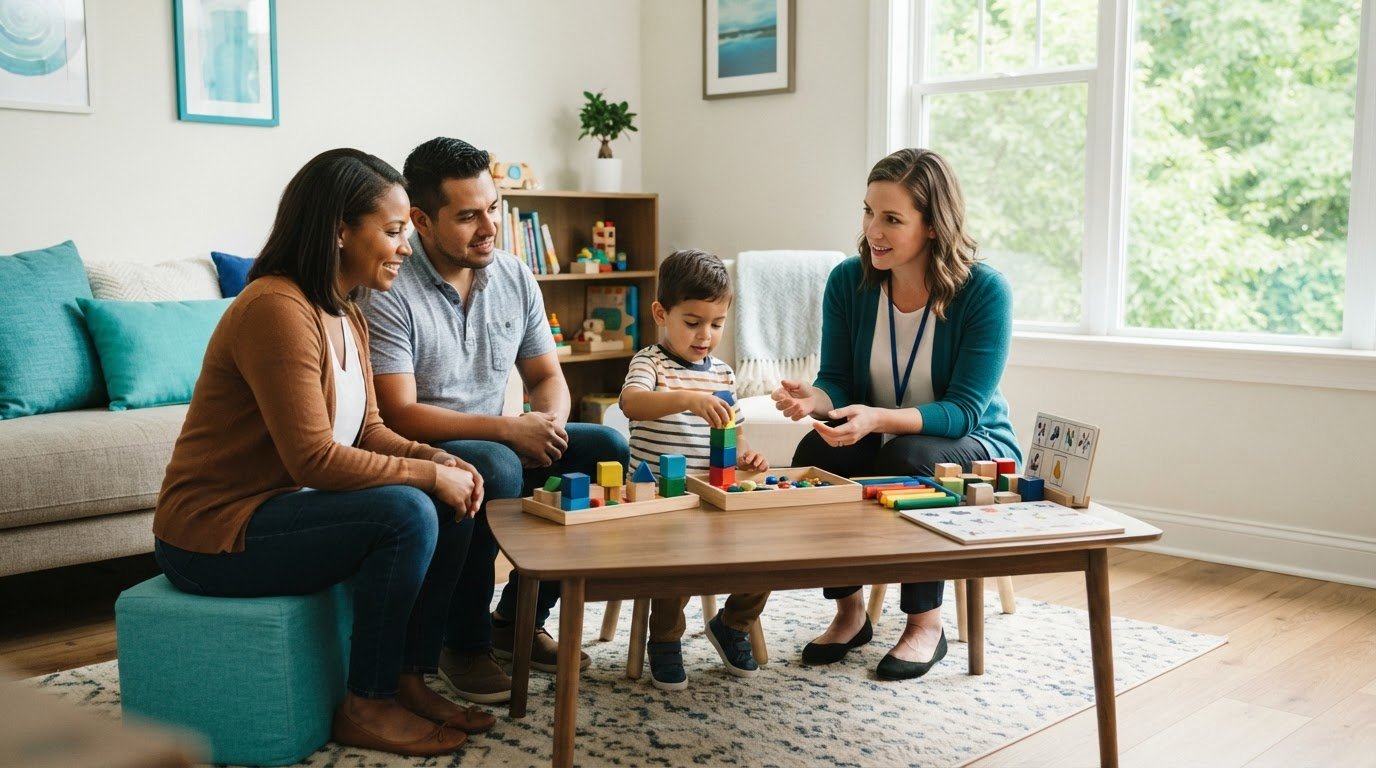
Share observations from the routines where a goal matters: what the young person chose to try, which supports they used, and what felt challenging. Ask the provider how goals will be reviewed, how the youth can share their perspective, and whether the plan should change as their priorities do. Parent coaching for autism may be one way to collaborate on supporting goals in everyday family routines.
To discuss individualized goals and family collaboration, contact Divergent Minds ABA about available support.
Finding Personalized Life Skills Support for Autistic Youth Near Cary
Choosing a provider involves more than finding a service nearby. Families can look for a collaborative approach that takes the young person’s priorities seriously, explains how goals are selected, and makes room to adjust support as needs change. These conversations can help clarify whether a provider’s approach and available services fit the goals the youth wants to work toward.
What should families ask a potential ABA provider?
Use an initial conversation to understand how the provider works with both the young person and their family. Consider asking:
- How will the young person’s priorities, strengths, and communication preferences guide goal selection?
- How can the youth express agreement, discomfort, or a desire to pause, and how will that feedback shape support?
- How is progress reviewed, and how can the young person and caregivers contribute to those discussions?
- Which settings are currently available, and what caregiver collaboration options can the provider offer?
- How will the team discuss service availability and insurance participation with our family?
Clear answers should help you understand the planning process, not pressure you to accept a particular goal or setting. Ask for examples of how a proposed goal connects with the young person’s everyday priorities and how the plan may be revisited if those priorities change.
How can families explore local support options?
Divergent Minds ABA is a BCBA-owned practice located in Cary, North Carolina, serving families in Cary, Apex, and Raleigh. Its offerings include individualized ABA in clinic, home, and community settings, as well as social skills groups and parent coaching. Families interested in goals connected to activities outside the home or clinic can ask about community-based ABA therapy and whether it may fit the young person’s needs. Confirm current service availability and insurance participation directly with the practice.
A conversation can help you share what the young person values, ask how family collaboration works, and learn which options are currently available. You don’t need to have every goal decided before reaching out. Contact the team to discuss support options and whether they may align with your family’s priorities.
Build the Next Step Around Your Young Person
Meaningful life skills training for autistic youth begins with goals that matter to the young person, not a universal checklist. Their preferences, communication, and support needs should shape what they practice and how progress is understood. Skills can be explored in relevant settings, with family collaboration keeping practice connected to everyday life.
For families in Cary, Apex, and Raleigh, North Carolina, Divergent Minds ABA is a BCBA-owned and operated practice offering clinic-based, home-based, and community-based ABA. A conversation with a BCBA can help you discuss your young person’s priorities, explore which setting may fit, and learn about current service options. The next step can start with a thoughtful question and a goal chosen together.
Contact Divergent Minds ABA to discuss support options. With patience, collaboration, and room for the young person’s voice, families can build a path that reflects what matters to them.
Frequently Asked Questions
What life skills can autistic youth learn?
Autistic youth can work on skills that matter to their routines, interests, and goals. Examples include organizing belongings, managing a preferred routine, communicating needs, asking for help, self-advocating, or taking part in a familiar community activity. These are possibilities, not universal milestones. The young person’s preferences, communication style, sensory needs, and daily context can help determine which skills feel useful to practice.
How do you teach life skills to an autistic teenager?
Begin by asking the teenager what they’d like to do more easily or differently, then agree on a manageable first step. For instance, if an older teen is working toward independent travel and licensing, families can break down the process into manageable steps or explore Knowledge Test prep through resources like Seattle Driving Academy. Explain or demonstrate the step in a way that suits their communication preferences, and offer practice with supports they find helpful. Make time for feedback and adjust the approach if it feels uncomfortable or unhelpful. Goals should respect the teenager’s choices rather than impose a standard timeline.
ABA therapy can be used to work on individualized daily living goals, depending on the young person’s needs and priorities. A family can discuss possible goals with a BCBA, including how progress will be reviewed and how the youth’s preferences and feedback will shape support. Clinic, home, or community settings may be considered based on the goal. Ask providers about current services and whether the approach fits your needs.
How can families support life skills practice at home?
Choose one goal the young person wants to work on and identify a routine when practice may feel manageable. Ask what support they prefer, such as a reminder, written steps, or help from someone they trust. Keep practice collaborative, allow time, and respect requests to pause or change the approach. Caregivers can share observations about what helped with the young person and their provider without turning every routine into an assessment.
What is the difference between life skills training and social skills training?
Life skills training focuses broadly on abilities connected to everyday activities, routines, and participation. Social skills training focuses more specifically on interactions and communication with other people. The areas can overlap: asking for help or expressing a preference may support both daily participation and communication. Neither label should determine goals automatically. Families can discuss which skills matter to the young person and how they’d like to practice them.
Which setting is best for life skills training: home, clinic, or community?
No one setting is best for every young person, and practicing in one place doesn’t guarantee a skill will transfer to another. Home may suit goals tied to family routines, a clinic provides another setting for individualized practice, and community support may relate to activities outside the home. Consider the youth’s preferences, sensory and communication needs, family priorities, and current service availability when comparing options with a provider.
How do I find life skills support for autistic youth in Cary, Apex, or Raleigh?
Families in Cary, Apex, and Raleigh can ask local providers how goals are chosen, how the young person shares preferences or discomfort, and which settings and family collaboration options are currently available. Divergent Minds ABA is a BCBA-owned practice offering clinic, home, and community ABA, social skills groups, and parent coaching. Ask the practice directly about current service availability and insurance participation, and whether its options fit your family’s priorities.