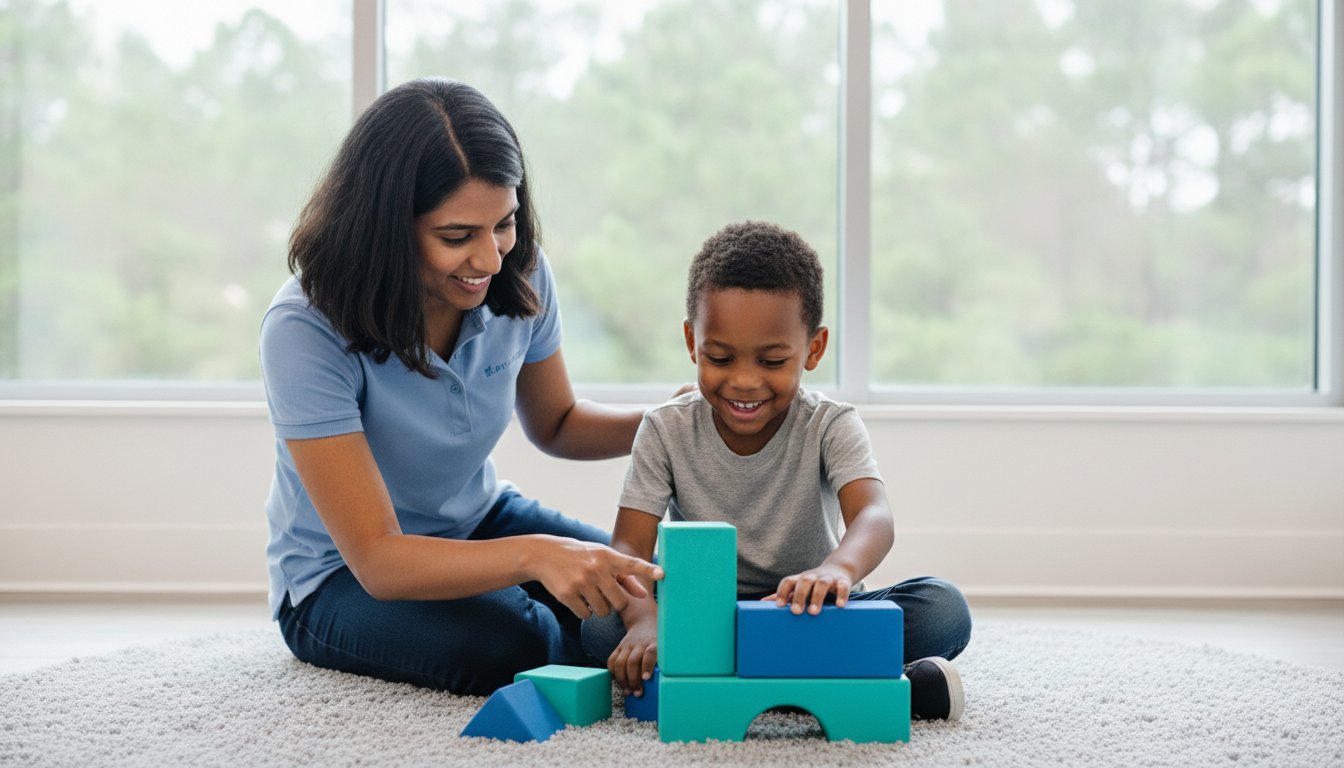

It's 7:00 PM, and while you are guiding one child through an intense sensory meltdown, your other child quietly packs up their homework and retreats down the hall. You feel the familiar ache of parental guilt, wondering how to support your neurotypical child when autism demands so much family energy. Implementing targeted autism sibling support strategies isn't about dividing your day into mathematically equal halves. Instead, it's about building structured moments of connection and emotional safety so neither child feels forgotten.
You already know how deeply your children care for each other, but you also see the quiet resentment, anxiety, and isolation that can emerge when one child's behavioral needs take center stage. You don't have to carry the weight of these complex family dynamics alone. In this guide, you will discover actionable, clinically grounded autism sibling support strategies to help neurotypical siblings feel seen, secure, and deeply valued. We'll explore simple home micro-routines, clear scripts for age-appropriate conversations, and practical sanctuary boundaries that help your entire household thrive together.
Understanding the Unique Experiences and Needs of Autism Siblings
Living alongside a brother or sister with unique developmental needs brings both profound empathy and distinct pressures. Siblings frequently swing between intense loyalty and quiet resentment, feeling deep love one moment and sudden frustration the next. When family routines revolve around sensory accommodations or therapy schedules, non-autistic children often encounter glass child dynamics, feeling as though parents look right through their daily struggles to focus entirely on behavioral crises. Effective autism sibling support strategies begin by acknowledging these realities. Equitable care in a neurodiverse home does not require identical time distribution; it requires intentional, observable validation for every child.
The Emotional Landscape: Navigating Guilt, Loyalty, and Frustration
Siblings need to know that complex emotions are entirely acceptable. When a child sees their brother or sister experiencing challenges along the autism spectrum, they often develop survivor guilt, wondering why school or friendships come easily to them while their sibling struggles. This emotional conflict can trigger parentification and hyper-maturity, where a young child suppresses their normal developmental needs, assumes adult caretaking responsibilities, and tries to become an invisible, low-maintenance family member.
Recognizing Silent Stress Signals Across Different Age Groups
Sibling stress rarely looks like overt rebellion. Instead, it surfaces in quiet behavioral shifts that vary by developmental stage:
- Preschoolers and Early Elementary (Ages 3–6): Somatic complaints such as unexplainable morning stomachaches, bedtime resistance, bedwetting regressions, or sudden aggression during low-demand play.
- School-Age Children (Ages 7–12): Extreme academic perfectionism designed to avoid burdening parents, obsessive caretaking during meltdowns, or sudden avoidance of shared home living spaces.
- Adolescents and Teens (Ages 13+): Chronic emotional detachment, reluctance to invite friends over due to unpredictable household routines, and lingering anxiety about long-term caregiving duties.
Identifying these indicators early allows parents to adjust household expectations before emotional strain turns into deep-seated anxiety or clinical depression. Through targeted parent coaching and individualized behavioral systems, families can establish sustainable micro-routines that lift excessive caregiving pressures off siblings' shoulders, restoring healthy childhood boundaries.
How to Explain Autism to Siblings: Age-by-Age Scripts
Demystifying a diagnosis replaces fear, confusion, and accidental blame with compassionate understanding. Children notice behavioral and communication differences early. Without clear explanations, they often invent their own reasons, sometimes fearing they caused their sibling's distress or that autism is contagious. Effective autism sibling support strategies rely on a straightforward three-step communication framework: identify the observable fact, provide the biological reason, and define a supportive action. Grounded conversations should remain continuous, inviting questions as children grow rather than treating neurodivergence as a single, formal sit-down lecture.
Conversational Templates for Toddlers and Preschoolers (Ages 3–6)
Young children process the world through tangible observations. Focus on linking brain wiring to sensory inputs and communication styles, keeping phrases concrete.
"You noticed that your brother covers his ears when the blender runs. His brain hears sounds much louder than ours do, so hands over ears help him feel safe. When he cries during loud noises, he isn't mad at you. Let's help him find his headphones together."
Reinforce often that meltdowns are never their fault and that keeping calm is a parent's job, not theirs.
Conversational Templates for School-Age Children (Ages 7–12)
School-age children notice differences in household expectations and social behaviors. This is the stage to discuss expressive language, executive functioning, and regulatory stimming, while addressing common questions about fairness.
"Fair does not mean everyone gets the exact same thing; it means everyone gets what they need to succeed. When your sister flaps her hands or jumps, that is stimming. It helps her nervous system stay calm when big feelings arrive. If your classmates ask why she communicates with an iPad, you can simply tell them, 'That's her speech device. Her brain thinks in pictures, and that tool helps her share her thoughts.'"
Conversational Templates for Teenagers and Young Adults (Ages 13+)
Adolescents require candid conversations about neurodivergent identity, peer dynamics, and future planning. As highlighted in the CDC's guidance on living with autism, household routines must adapt to support both caregiver sustainability and sibling well-being over time.
"You might feel embarrassed when we are in public, or worried about what your friends will think. Those feelings are completely normal, and you can always talk to us about them without hurting our feelings. Your future is your own, and we are putting plans in place so that you never feel solely responsible for your brother's adult care."
When navigating complex family discussions around long-term independence, accessing structured parent coaching for autism NC can help parents facilitate these sensitive conversations with clinical clarity. If your family needs guidance tailoring these dialogues to your household's unique routine, connect with our clinical team to build a supportive communication plan.
Everyday Autism Sibling Support Strategies: A Practical Home Framework
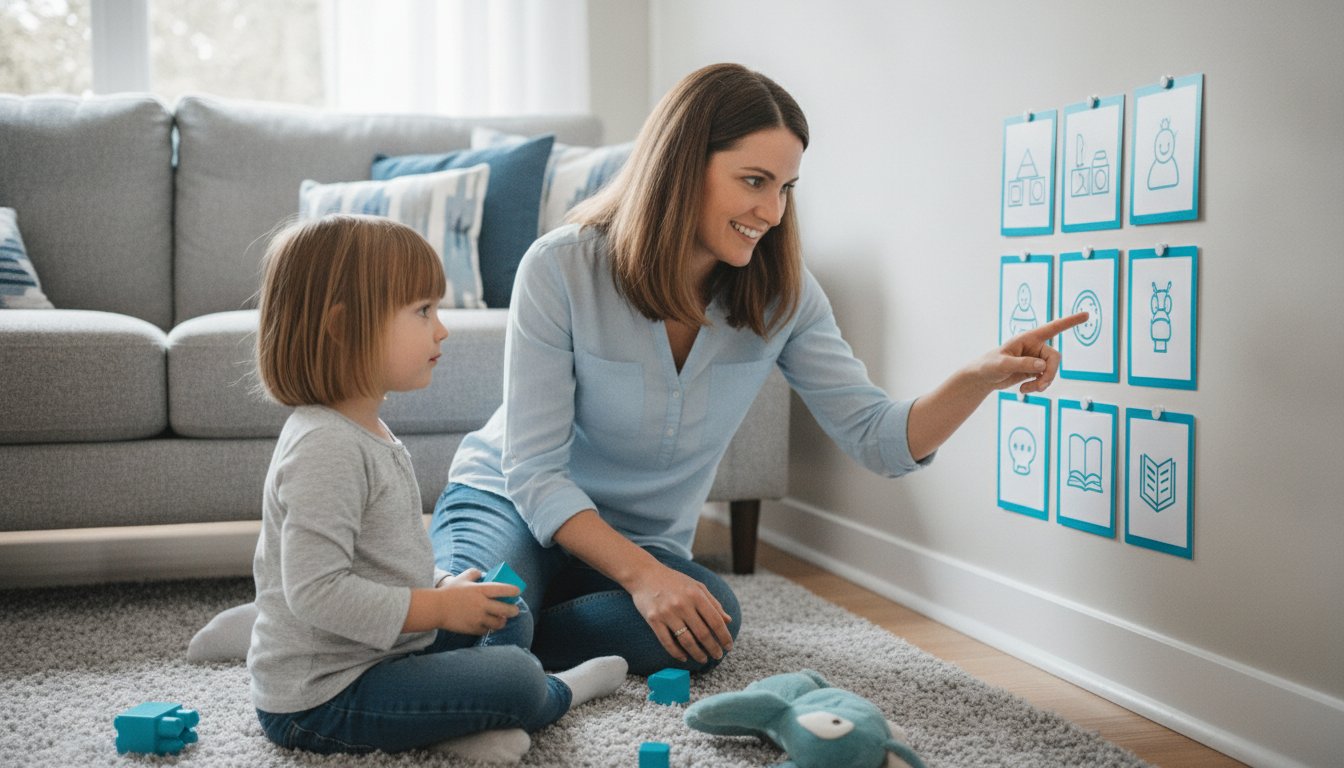
Grand gestures and elaborate weekend getaways rarely fit into households managing full therapy schedules. Predictable, low-friction habits make the greatest impact. Implementing practical autism sibling support strategies means introducing intentional micro-routines into your existing weekly rhythms. Visual calendars clarify when each child has dedicated parent time, removing guesswork about availability. Clear emotional outlets allow siblings to express raw frustration without fear of reprimand, while celebrating personal milestones reinforces their distinct identity outside the shadow of a diagnosis.
The 15-Minute Daily Micro-Connection System for Busy Parents
Carving out hours of uninterrupted time feels impossible during intensive intervention weeks. The micro-connection model replaces grand outings with protected, daily 15-minute windows. Whether scheduled during the morning school drive, an afternoon snack, or right before bedtime, this window belongs entirely to the neurotypical sibling. Silence phones, set work notifications aside, and keep behavioral topics off the table. Let your child direct the activity completely, whether they want to build Lego sets or talk about school. Consistent, undivided attention reassures them that their presence matters deeply.
Emotional Check-Ins: The 'Traffic Light' Feelings System
Children often lack the emotional bandwidth or vocabulary to articulate fatigue. A visual traffic-light check-in offers a simple, low-pressure alternative. Green signals they feel energized and ready to connect. Yellow means they feel drained, anxious, or overstimulated. Red indicates an urgent need for quiet solitude. When your child reports yellow or red, respond with immediate physical space and calm acceptance rather than intrusive questions. As highlighted by the Organization for Autism Research sibling support initiative, honoring these non-verbal boundaries protects siblings from emotional burnout and validates their daily limits.
Fostering Sibling Connection Without Forced Camaraderie
Genuine sibling bonds cannot be forced through high-demand cooperative games, which often create friction. Instead, create shared moments through low-demand, parallel activities like video games, trampoline play, or water tables where conversational demands remain minimal. Parallel play builds physical proximity, comfort, and mutual trust without performance pressure. Concurrently, enrolling your autistic child in specialized social skills groups creates outside peer relationships and builds independence. Targeted ABA therapy for peer interaction also helps autistic children develop foundational social reciprocity, fostering calmer, more natural interactions at home.
Creating Safe Physical Spaces and Boundaries Inside the Home
Home should serve as a restorative retreat for every family member. When behavioral escalations happen, auditory distress, disrupted routines, and unintentional property damage can leave non-autistic siblings feeling vulnerable. Over time, walking on eggshells creates sustained nervous system activation. Structuring your physical environment provides immediate relief. Practical autism sibling support strategies treat physical boundaries as essential care tools, establishing clear zones where children maintain absolute control over their possessions, privacy, and personal space.
Designing Protected Personal Havens and Boundary Zones
Personal belongings represent identity and autonomy. When an autistic child struggles with impulse control, delicate school projects, books, and cherished toys become vulnerable to accidental destruction. Establish strict environmental protections to eliminate this friction:
- Lockable Storage: Provide siblings with heavy-duty storage bins secured by combination locks for fragile toys, diaries, and art supplies.
- Sanctuary Entry Rules: Install simple latch locks or keypad handles on sibling bedroom doors. Establish a household standard that bedrooms are off-limits without direct permission.
- Dedicated Study Stations: Set up a quiet desk space away from shared living areas, equipped with high-grade noise-canceling headphones to block out ambient sensory dysregulation during homework.
Meltdown Safety Protocols: Protecting Sibling Well-Being
During acute behavioral crises, siblings need a clear, rehearsed plan so they never feel caught in the middle. When an autistic child enters a severe meltdown, a sibling's only job is to retreat to safety. Establish a designated sanctuary space, such as their bedroom or an upstairs reading nook, pre-stocked with comforting books, charged tablets, snacks, and calming activities. Clearly communicate that remaining in the room to assist or observe is not their responsibility.
Once calm returns to the household, conduct a brief, gentle debrief. Sit with the sibling, validate any fear or frustration they experienced, and reassure them that the episode had nothing to do with their actions. If balancing home safety and behavioral challenges feels overwhelming, comprehensive home based ABA therapy can help your family de-escalate crisis behaviors while restructuring household dynamics. Schedule a consultation today to discover how our clinical team helps North Carolina families establish peaceful, balanced home environments where every child feels secure.
Integrating Professional Support: When and How to Involve Therapists
Caregiver dedication goes a long way, but sustainable balance often requires clinical guidance. When behavioral dysregulation consistently disrupts family life, professional intervention acts as a whole-family relief system. Targeted behavioral therapy reduces home meltdowns and communication breakdowns, directly easing the background anxiety siblings carry. Integrating evidence-based autism sibling support strategies into your care plan helps parents distribute energy fairly while recognizing when a child needs specialized outside care.
How Clinical ABA Therapy Supports the Entire Family System
Applied Behavior Analysis targets more than isolated behaviors; it reshapes daily interactions across natural environments. By teaching functional communication alternatives to aggression or property destruction, Board Certified Behavior Analysts (BCBAs) systematically lower household volatility. Receiving professional in-home ABA therapy allows clinicians to model clear boundary management in real time, demonstrating how parents can respond to behaviors without pulling siblings into auxiliary caretaking roles. Concurrently, collaborative parent coaching equips caregivers with structured schedules that preserve protected one-on-one time for neurotypical children.
Connecting with Sibshops and Community Support Networks
Peer validation provides unique emotional relief that family discussions alone cannot replicate. Programs like Sibshops, designed by the Sibling Support Project, offer school-age children (typically ages 6 to 13) a blend of recreational games and guided discussion circles. Connecting with peers who live alongside autism normalizes raw feelings of jealousy, protective loyalty, or frustration. For families across Wake County, local community networks in Cary, Apex, and Raleigh provide vital access to sibling workshops and recreational events where kids can simply be kids among peers who truly understand their daily realities.
Taking the Next Step: Partnering with a Local BCBA Practice
You don't have to carry the emotional and logistical weight of caregiving on your own. Watch for clinical indicators that a sibling needs extra help, such as persistent school refusal, ongoing depressive symptoms, intense social withdrawal, or anxiety that interferes with daily life. When these arise, partnering with mental health professionals or licensed family therapists provides critical support.
A thriving household balances the developmental trajectory of every child. By building reliable behavioral routines, setting environmental boundaries, and seeking clinical collaboration, your entire household can experience lasting calm. To explore how tailored behavioral therapy and parent coaching can restore harmony in your home, partner with Divergent Minds ABA for personalized family behavioral support.
Building a Harmonious Home Where Every Child Thrives
Balancing the sensory and behavioral realities of your household takes intentional care, but lasting harmony begins with simple, consistent routines. Applying actionable autism sibling support strategies, such as protected daily micro-connections, open age-appropriate dialogues, and secure sanctuary zones, ensures your neurotypical child feels seen and deeply valued. These structured boundaries protect their childhood while creating space for authentic sibling connection to grow naturally.
You don't have to carry the weight of balancing these family dynamics alone. Divergent Minds ABA is a BCBA-owned and operated practice committed to whole-family well-being across Cary, Apex, and Raleigh. Through individualized treatment plans delivered across clinic, home, and community settings, paired with dedicated parent coaching, our clinicians empower caregivers to master balanced home routines where both children flourish. Connect with Divergent Minds ABA for compassionate, family-centered support, and take the next confident step toward peace and stability in your home.
Frequently Asked Questions
How do I deal with sibling resentment toward an autistic brother or sister?
Validate their feelings immediately without scolding them for experiencing anger or jealousy. Feeling resentful is a completely normal reaction when household routines frequently bend to support behavioral crises. Listen without lecturing. Introducing structured autism sibling support strategies, such as protected individual check-ins, reassures your child that their personal sacrifices are recognized and that complex emotions can coexist with family love.
What should I do if my neurotypical child feels neglected by therapy schedules?
Create predictable, visual calendar blocks dedicated solely to one-on-one time with your neurotypical child. Even fifteen minutes of focused, daily connection restores emotional security when clinical appointments dominate the weekly schedule. Working through individualized parent coaching helps families in Cary and Apex balance demanding therapy commitments while safeguarding meaningful, private routines for every child in the home.
Is it normal for a sibling to feel embarrassed by autistic behaviors in public?
Yes, feeling embarrassed by unexpected vocalizations, physical stimming, or public meltdowns is completely natural for siblings. Children crave social belonging among their peers, and public unpredictability can trigger sudden self-consciousness. Avoid shaming them for this reaction. Instead, equip them with brief, confident explanations to share with friends, while establishing quiet exit options when public outings become overwhelming.
How much caregiving responsibility should be expected of an autism sibling?
Siblings should handle standard, age-appropriate household chores rather than clinical caretaking duties. Guarding against parentification is essential for healthy developmental growth. While small acts like fetching a book or sharing toys foster mutual care, siblings should never manage behavioral de-escalation or serve as auxiliary therapists. Protecting their freedom to simply be kids keeps sibling bonds natural and authentic.
What are Sibshops and how do they benefit children with autistic siblings?
Sibshops are peer-led, recreational workshops designed specifically for school-age siblings of children with developmental differences. Combining active games with guided discussion circles, these community gatherings give children a fun, welcoming space to discuss shared home dynamics. Meeting peers with similar family experiences normalizes difficult feelings, reduces social isolation, and builds practical coping mechanisms in a relaxed, non-clinical environment.
How can home-based ABA therapy help improve sibling relationships?
Home-based ABA therapy teaches autistic children functional communication and emotional regulation within shared living areas, directly lowering daily household stress. Working alongside a Board Certified Behavior Analyst addresses specific triggers around turn-taking, sensory overload, and property boundaries. These clinical interventions model practical autism sibling support strategies that help Raleigh and Cary families preserve calm, predictable home spaces.
When should parents consider individual therapy for an autism sibling?
Seek professional counseling if a sibling exhibits persistent somatic issues, sudden academic decline, or marked emotional withdrawal. Frequent unexplained headaches, sleep refusal, severe anxiety, or compulsive perfectionism indicate that a child feels overwhelmed by household stress. A licensed mental health therapist provides an independent, confidential space for siblings to process complex grief, anger, and anxiety without fear of burdening their parents.