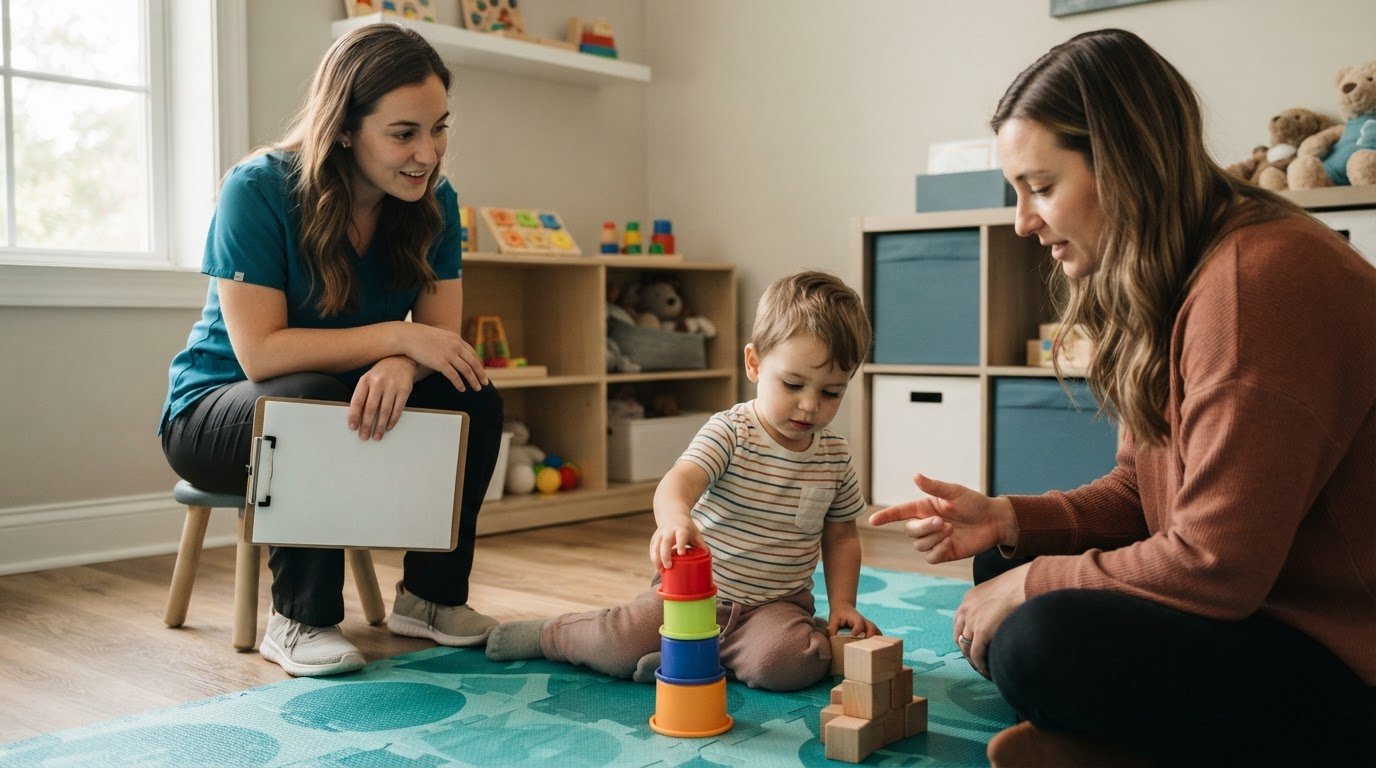
Yes, families can take an active role in community-based ABA therapy in Raleigh. Caregivers can help build skills for everyday life, including communication, social interaction, and independence.
It’s understandable to want therapy to connect with your child’s routines rather than feel separate from them. ABA can take place in clinic, home, and community settings, with the approach tailored to a child’s individual needs and goals.
This guide explains how family participation can work, how home and clinic-based care may fit together, and what to know about insurance and local services. It also covers how ABA may support communication, daily living, social, and school-readiness skills, so you can understand the options and next steps for your family.
Can I do a combination of center and in-home therapy?
Yes, clinic-based and home-based sessions can be combined when goals benefit from practice in both structured and familiar routines. In North Carolina, consider the provider’s professional role and credentials as well as the setting, since a clinic, home, or school location alone does not determine licensing requirements.
Therapy Across Service Settings
Each setting offers a different place to practice behavior and daily living skills. A clinic can provide a structured environment, while home sessions can address routines such as dressing or mealtime. Community-based ABA therapy can support skills in places like a playground or store. School-based services focus on skills in the student’s learning environment.
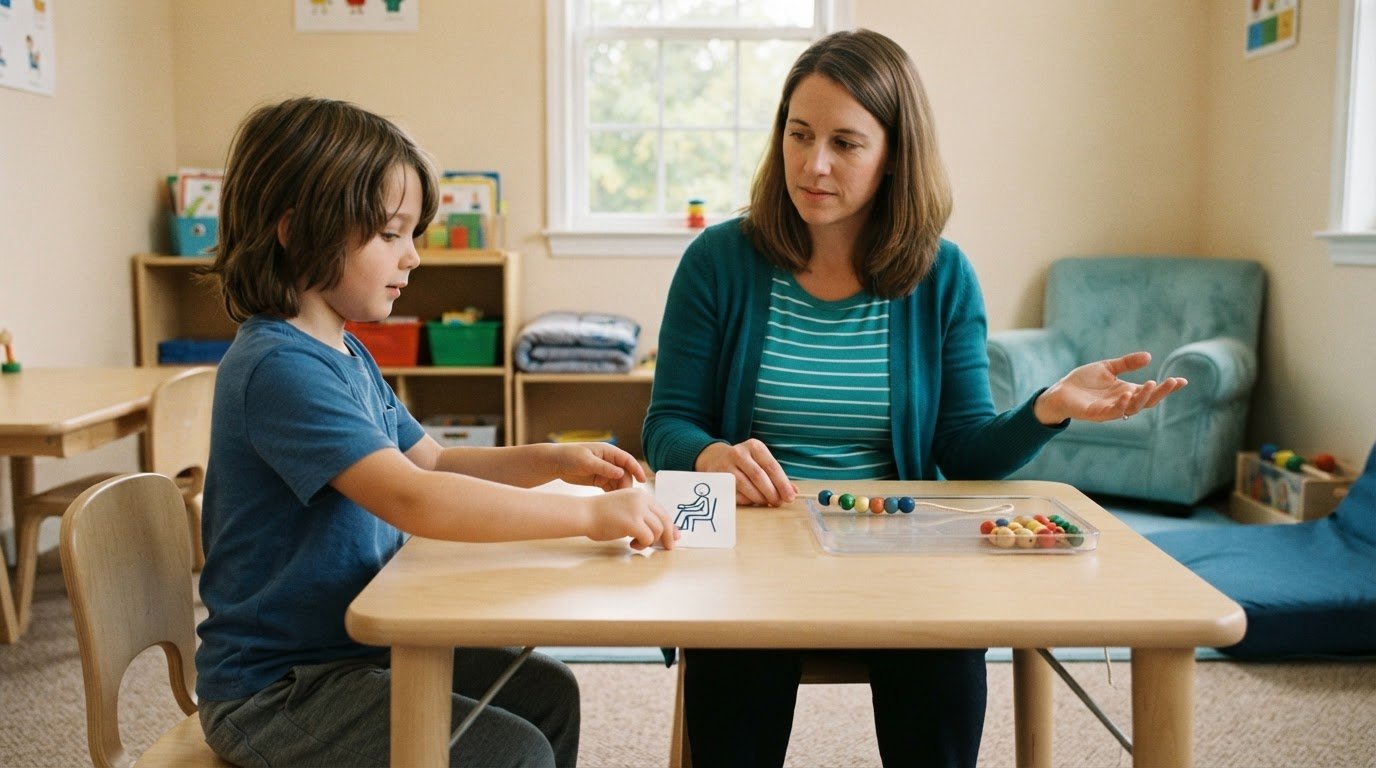
Consider your child’s goals and where each skill needs to be used. A child practicing requests might learn with picture cards at a clinic, then ask for a snack at home or a turn at a community playground. Choose a setting that connects to the goal rather than adding another location without a clear purpose.
Family Partnership Across Settings
Families help connect practice across home, school, and community routines. Caregivers might share which words or gestures a child uses at dinner, while school staff describe how the child asks for help in class. These examples give the clinical team useful context for planning consistent strategies.
A practical partnership starts with a shared goal and clear communication about what each setting can support. A board certified behavior analyst can help align strategies, while caregivers and educators contribute observations from familiar routines. The aim is to build usable skills, not repeat identical activities everywhere.
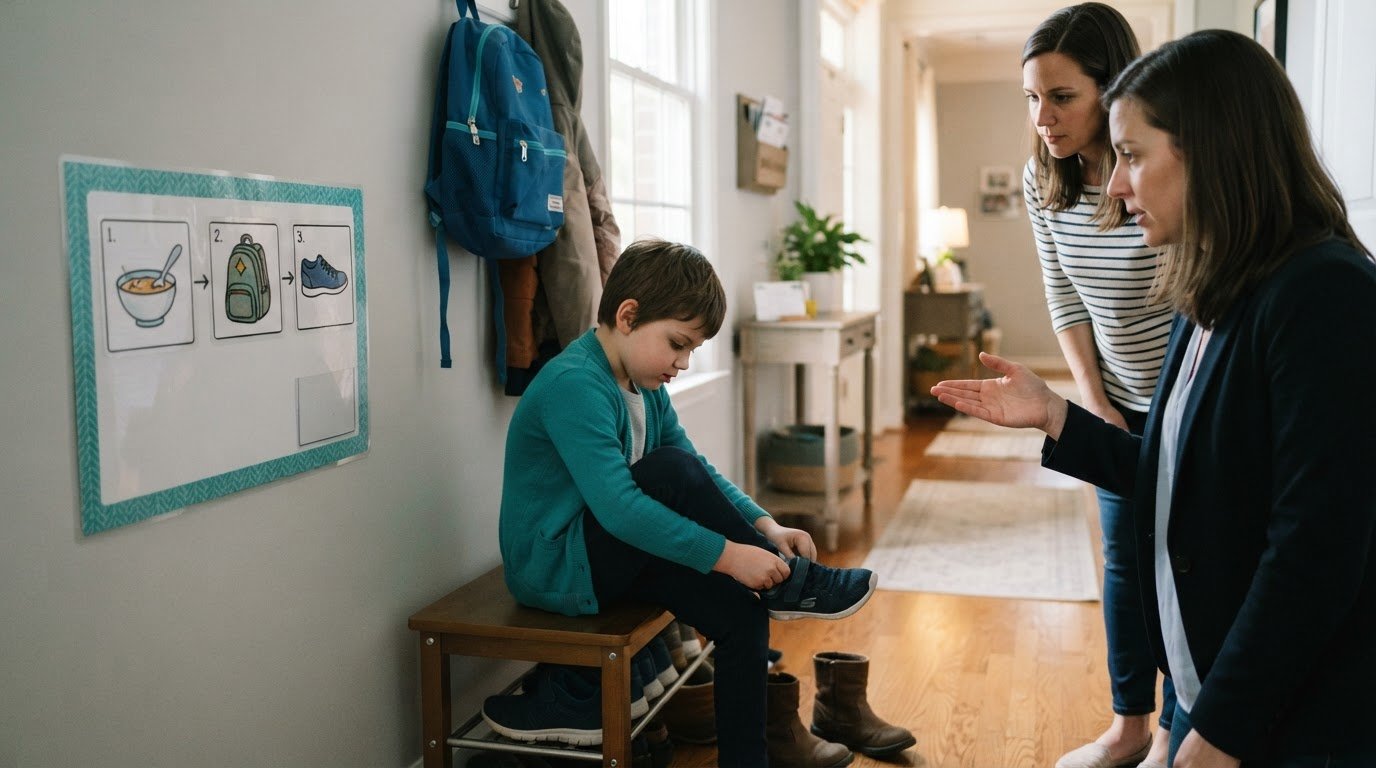
Combining clinic-based and home-based therapy can balance structured teaching with practice in everyday routines. A child might rehearse following a visual schedule in the clinic, then use a similar schedule to get ready at home. Families and the clinical team can discuss which goals suit each setting and how to share progress.
In-home, school-based, and daycare-based therapy can also address skills in places children already spend time. At home, practice might involve a morning routine. At school, it could focus on asking for help or joining a classroom activity. At daycare, a child might practice waiting for a turn during play. Coordination helps adults use compatible prompts and expectations.
Community settings offer practical learning opportunities, but may also bring distractions, changing routines, and less privacy than home or a clinic. A busy store, for example, can make communication practice harder. The team can choose relevant activities and consider the environment when planning sessions.
For children with autism, the right combination depends on their goals, daily routines, and where they need to use their skills. A supportive team can work with families to connect practice across settings without assuming every child needs each one. Consistent communication helps adults notice what supports participation and independence.
Insurance coverage
Insurance benefits can affect which ABA services are covered, how care is authorized, and when treatment can begin. The North Carolina General Assembly states that insurance coverage for ABA therapy in Raleigh is up to $40,000 per year for children under age 19. A family’s specific benefits still depend on the policy, eligibility, and plan requirements.
Intake and benefits verification help clarify next steps. The process typically moves from gathering plan information to assessment and treatment planning. For example, an insurance card and member details help the benefits team identify the policy and its rules before care planning advances.
- Intake: Families share basic information about the child, their goals, and insurance coverage.
- Benefit verification: The team reviews the plan’s ABA benefits, authorization process, and any applicable limits.
- Assessment: Clinical observations and family input help identify strengths, support needs, and treatment priorities.
- Treatment planning: The assessment informs an individualized plan, which may be submitted for authorization when required.
Medicaid and commercial insurance are different coverage pathways. With Medicaid, the child’s eligibility and specific plan determine applicable benefits and approval steps. Commercial plans vary too: one policy may require authorization before treatment, while another may have different documentation requirements. The plan’s rules, not just the insurer’s name, guide verification.
Accepted plans matter because coverage can depend on both the insurer and the specific policy. Benefits verification can clarify whether ABA is included, what documentation is needed, and whether authorization applies to a proposed assessment or treatment. Two families with cards from the same insurer may have different plan options and benefits.
There is no single typical wait time for ABA providers in Raleigh. The sequence depends on intake completion, assessment scheduling, insurance authorization, and clinician availability. Delays at any step can affect when treatment starts, so complete documentation and timely plan decisions can help keep the process moving.
A supportive intake process also makes room for family questions about treatment, goals, and coverage. Families can share the routines or communication needs they most want to address, such as getting ready for school or asking for help. That context helps connect insurance steps with a treatment plan focused on the child’s needs.
ABA therapy services in Raleigh and the Triangle area
Providers differ in staff credentials, settings, services, and when sessions can begin. In Raleigh, Cary, Apex, and the surrounding Triangle area, your child’s goals and everyday routines help determine which service model fits.
Community-Integrated ABA Services
Community-based sessions bring skill practice into familiar places, such as a library, playground, or neighborhood store. A child might practice asking for a turn at the playground, then use the same communication skill in another activity. Consider which community routines matter to your child and whether sessions can target learning in those real-life situations.
Service Ages and Starting Therapy
ABA services can support children at different stages, with goals shaped around their learning and daily needs. Early intervention may be offered to children at different ages, depending on their needs. Early intervention as early as 15 months old can help a child develop skills and prevent developmental delays. Children who start ABA therapy at age 10 or 12 can also make meaningful progress.
Service Areas Near Raleigh
While Divergent Minds ABA primarily serves families directly in Raleigh, Cary, and Apex, our practical approach considers where sessions need to happen across the broader local region. A family might prioritize a clinic near regular appointments, or home and community sessions that connect with familiar routines. Consider geography alongside treatment goals to decide whether a setting supports your child’s needs.
Provider Credentials and Availability
Staff credentials and responsibilities can differ across services. A board certified behavior analyst may guide clinical assessment and treatment planning, while behavior technicians may work directly with children during sessions. Service models vary too: some emphasize clinic-based learning, while others focus on home or community routines. Availability can depend on the setting, staffing, and scheduling needs.
For a useful comparison, start with the goal rather than the service label. If your child is working on asking for help, identify whether that skill is needed in class, at home, or during a community activity. Then consider which sessions and staff roles support practice in those settings. The provider’s services should connect to the child’s plan, not just the family’s preferred location.
Near Raleigh, a practical next step is to map your child’s weekly routines, including school, daycare, and community activities. This shows where practice could happen naturally and which transitions may need support. Families and the clinical team can use these examples to shape services around the child’s learning and everyday environments.
Communication, social, daily living, and school-readiness skills
Applied behavior analysis can help children build skills for participating in familiar routines. Start with an observable goal, such as asking for help during snack time. The team identifies what the child already does, what support may help, and where practice fits naturally. This connects developmental goals to real activities rather than isolated exercises.
Communication goals may include requesting, responding, commenting, or using an alternative communication method. A child could practice asking for a preferred toy with words, gestures, or a picture card. An adult responds consistently, then gradually supports the child in using that request with different people. The goal is functional communication that helps the child express needs and interests.
Social skills grow through meaningful interaction, not simply being near other children. During a game, a child might practice waiting, offering a toy, or responding when another child speaks. Adults can model a phrase such as “my turn,” then reduce prompts as the child participates. These skills can support shared play at a park, group activity, or family gathering.
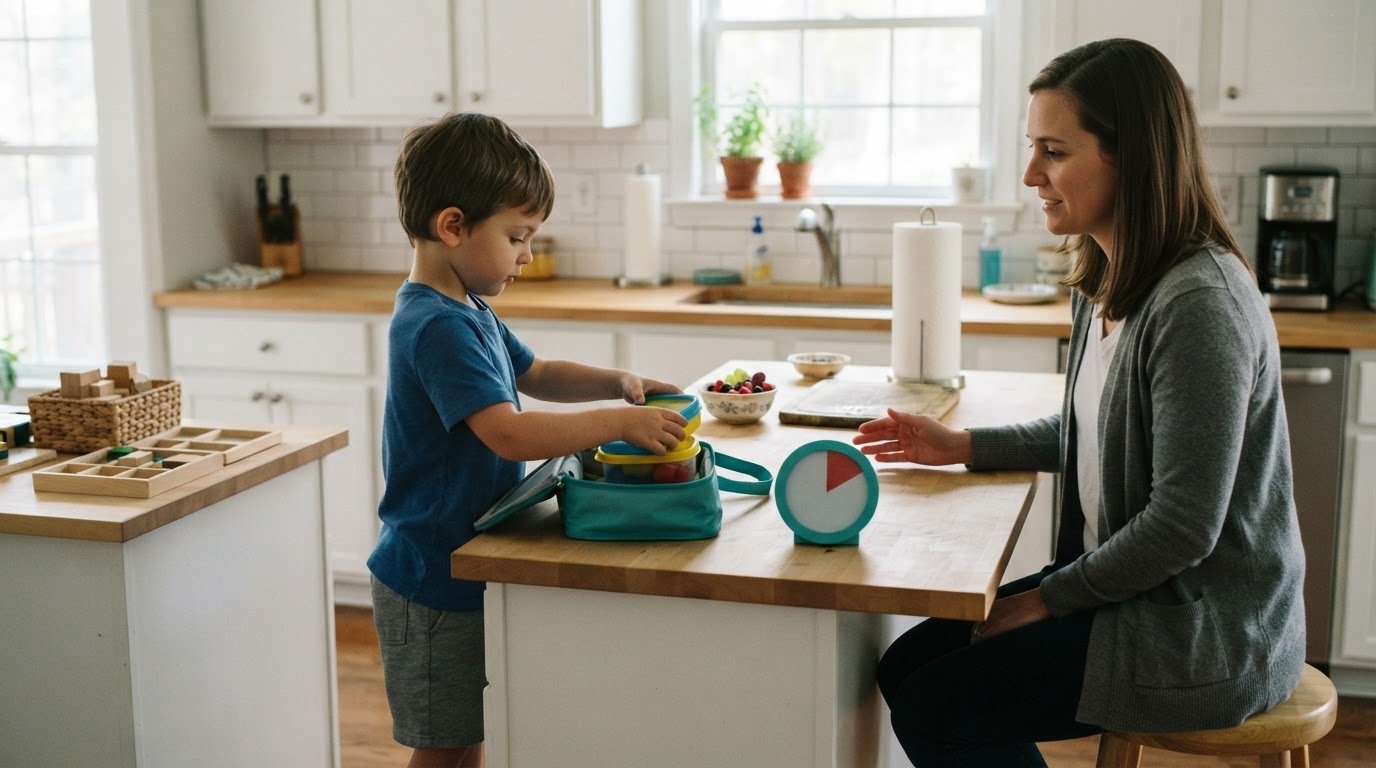
Daily living goals focus on routines that matter to the child and family. A dressing routine, for instance, can be broken into manageable actions: choosing a shirt, putting it on, and placing used clothes away. Visual cues or brief prompts can support practice. Progress means the child takes a more active role, with support adjusted to their needs.
School-readiness skills can include following a classroom direction, moving between activities, or putting away materials. A child might practice checking a visual schedule before moving from a preferred activity to a learning task. This can make classroom routines more understandable. The specific goal should reflect the child’s school day, communication style, and current strengths.
For each goal, define what the skill looks like and how adults will recognize it. If the target is requesting a break, the plan can identify the child’s communication method and suitable practice moments. Caregivers and school staff can share examples from daily routines, helping the team understand where the skill is emerging and where more support may help.
Small, observable steps make progress easier to notice. A child who once needed a model to request a turn may begin using a gesture, then do so independently. Adults can encourage each attempt while keeping expectations consistent across activities. Choose skills that improve participation in the child’s actual day, from morning routines to classroom learning and community activities.
What community-based ABA therapy providers serve Raleigh, NC?
Raleigh families may find ABA services organized around clinic, home, school, or community routines. The useful distinction is how a service connects treatment goals with the places a child spends time, rather than the provider’s name alone.
Community-based ABA focuses on practicing individualized skills in everyday environments. A session might support communication during a playground visit or following a routine at a neighborhood library. The location gives the child a chance to practice a goal in context, while the treatment plan guides what the team teaches and observes.
Providers also differ in their service mix. Some center care on structured clinic sessions; others include home or community practice. School-based support and daycare coordination are separate considerations because they involve a child’s educational or care setting. For example, a goal of asking for help might be practiced during a home activity and connected to classroom routines.
Staff roles are another meaningful difference. A board certified behavior analyst may develop and oversee a treatment plan, while behavior technicians may provide direct support during sessions. The team’s responsibilities should be clear, including how observations inform goal adjustments and how family input shapes priorities.
Availability is not a fixed measure across Raleigh providers. It can depend on the service setting, staff schedules, insurance authorization, and the child’s needs. A family considering community sessions might need a schedule that matches a relevant routine, such as a recurring library visit. These practical factors affect how services fit into family life.
Useful points for understanding a local program include:
- Setting: Identify whether treatment includes clinic, home, school, or community practice.
- Clinical oversight: Understand the role of the board certified behavior analyst in assessment and treatment planning.
- Direct support: Clarify how behavior technicians support the child’s learning during sessions.
- Family communication: Consider how caregivers’ observations connect with goals across daily routines.
- Scheduling: Understand how session timing and setting relate to the child’s regular activities.
For Raleigh families, a useful next step is to connect your child’s priority skills with real places and routines. If the goal involves joining play, a community setting may offer relevant practice; if it involves getting dressed, home routines may be more direct. This helps clarify what “community-based” means for an individual child, without assuming every program or schedule is the same.
Divergent Minds ABA: Community Based ABA Therapy
Divergent Minds ABA helps families connect individualized ABA goals with the routines where children communicate, learn, and build independence. Community-based sessions can focus on applying skills in everyday settings, while Clinic-Based ABA Therapy or Home-Based ABA Therapy may support goals suited to those environments. Social Skills Groups offer another setting for practicing interaction with peers.
Families can share the routines and priorities that matter most, such as participating in a community activity or managing a familiar task more independently. The clinical team uses that context to shape evidence-based care around each child’s needs and goals. This can be a helpful next step when considering how therapy settings may support practical skills.
Contact Divergent Minds ABA to discuss your family’s goals and care options.
Choose a Next Step That Fits Your Family
Progress begins with a goal that matters in your child’s everyday life. As you consider community-based ABA therapy in Raleigh, think about the routines where your child could communicate more comfortably, participate with others, or build independence. A meaningful first goal gives caregivers and the clinical team a shared direction, while leaving room to recognize new priorities as your child develops.
Bring your observations into the next conversation: what feels manageable now, which situations are challenging, and what skills would make daily routines easier? These details can help shape care around your child rather than forcing family life into a preset approach. Small, practical steps can create a clearer path forward.
Divergent Minds ABA can talk with your family about goals and care options. Contact Divergent Minds ABA to start a conversation and explore a thoughtful next step for your child.
Frequently Asked Questions
Can I attend therapy with my child?
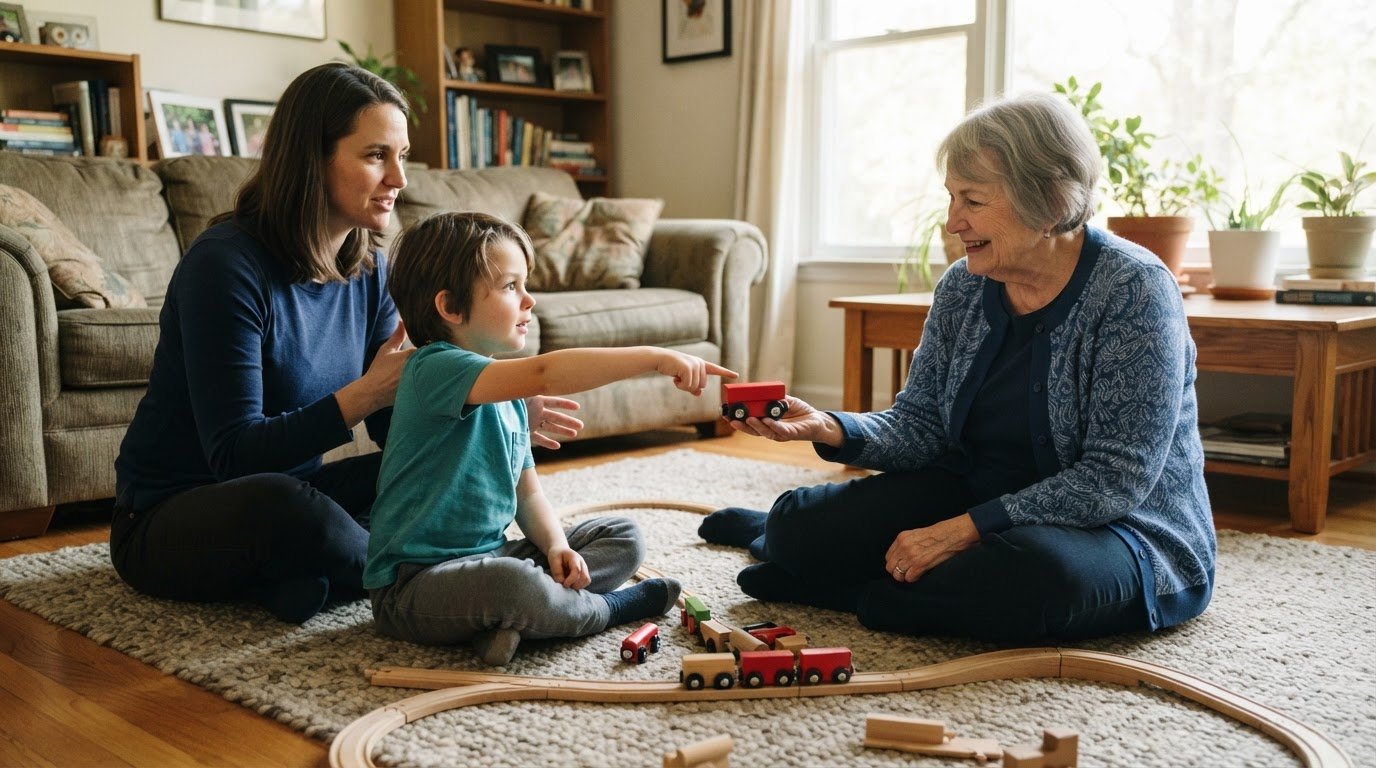
Yes, caregivers can take part in their child’s ABA care and share observations from daily life. You might describe how your child communicates during meals or practice a familiar routine together. Family participation can connect therapy goals with home life. The level and format of involvement depend on the child’s treatment plan and the activities being practiced.
How do I pay for ABA treatment?
Families may use insurance or pay out of pocket, depending on their coverage and arrangements. Divergent Minds ABA works with a variety of insurance providers and assists with benefits verification. Benefit details can clarify whether a plan requires authorization before sessions begin. Without insurance, the cost depends on the individualized treatment plan and service format, with pricing provided after a quote request.
Which Raleigh ABA providers offer in-home, school, or community-based services?
Divergent Minds ABA serves families in Raleigh and nearby Cary and Apex, with Clinic-Based ABA Therapy, Home-Based ABA Therapy, and Community-Based ABA Therapy. Community-based ABA therapy in Raleigh can support goals practiced in everyday places, while home sessions connect learning with household routines. Families can discuss their child’s goals and the care format that fits those priorities.
What ages and diagnoses do community-based ABA programs in Raleigh support?
Divergent Minds ABA provides ABA therapy for children with autism, with goals individualized to each child. Early intervention is typically delivered to children between ages 2 and 5, and children who begin at age 10 or 12 can also make meaningful progress. A child’s age alone doesn’t describe the skills they may work on, such as communication, social participation, or daily routines.
How much does community-based ABA therapy cost in Raleigh without insurance?
Out-of-pocket cost depends on the child’s individualized treatment plan and service format. Community sessions, home-based care, and clinic-based care may involve different planning needs, so one general amount would not describe every family’s situation. Divergent Minds ABA provides pricing after a quote request. Families can describe the setting they’re considering and the goals they hope therapy will address.
Which insurance plans and North Carolina Medicaid cover ABA therapy in Raleigh?
Coverage depends on the specific policy or Medicaid benefits, including eligibility, authorization rules, and documentation requirements. Divergent Minds ABA works with a variety of insurance providers and helps families verify benefits. Because coverage can differ between plans, an insurer’s name alone does not establish what a particular policy covers. Benefits verification helps clarify applicable coverage before treatment planning proceeds.
How do families get an ABA referral and start services in Raleigh?
Families can begin by sharing their child’s needs and insurance information during intake. If an insurer requires a formal diagnosis or authorization, those records and approvals can shape the next steps. The process may include benefits verification, an assessment, and development of an individualized treatment plan. Families can describe a daily routine that feels difficult, helping the team understand relevant goals.
What should families ask when choosing a community-based ABA provider in Raleigh?
Focus on how treatment goals connect with your child’s everyday routines. Ask how the team involves caregivers, individualizes plans, and provides clinical oversight for community practice. At Divergent Minds ABA, care is evidence-based and planned around each child’s strengths and goals. A family can discuss whether practicing communication during a community activity fits the child’s current treatment priorities.