
A predictable routine can make more room for calm, confidence, and independence. When building daily routines for an autistic child in Cary, start with a few important tasks and make the schedule simple, consistent, and easy to follow. A visual schedule can show what comes next, while clear, encouraging feedback can help your child become familiar with each step.
It makes sense to want mornings, bedtime, and transitions to feel less stressful. A routine doesn’t mean every day has to be identical. It gives your child useful structure while leaving room for flexibility when plans change.
This guide explains how to choose manageable routine steps, use positive reinforcement, and prepare your child for transitions and unexpected changes. You’ll also find ways to involve your child and adjust routines as their needs and skills develop, so structure can support progress without becoming another source of pressure.
Autism and Routine: How Simple Schedules Bring Calm and Confidence?
Start with a simple visual schedule that shows what happens next, then add activities as your child becomes familiar with the sequence. Use pictures, brief labels, and predictable steps to make daily expectations easier to understand.
-
1. Choose Visual Scheduling Tools
Choose a format your child can see and use, such as a picture chart on the fridge or a portable card strip. Begin with a few essential activities, such as getting dressed, eating breakfast, and leaving for school. Add steps once your child knows the first sequence.
Use personal photos when familiar people or places make an activity easier to recognize. Stock images can work for common tasks, such as brushing teeth, if your child understands them. Let your child help choose pictures, and move each completed image to an “All Done” area. For a two-activity First-Then board, show “first, shoes” and “then, playground.”
-
2. Add Timers to Picture Schedules
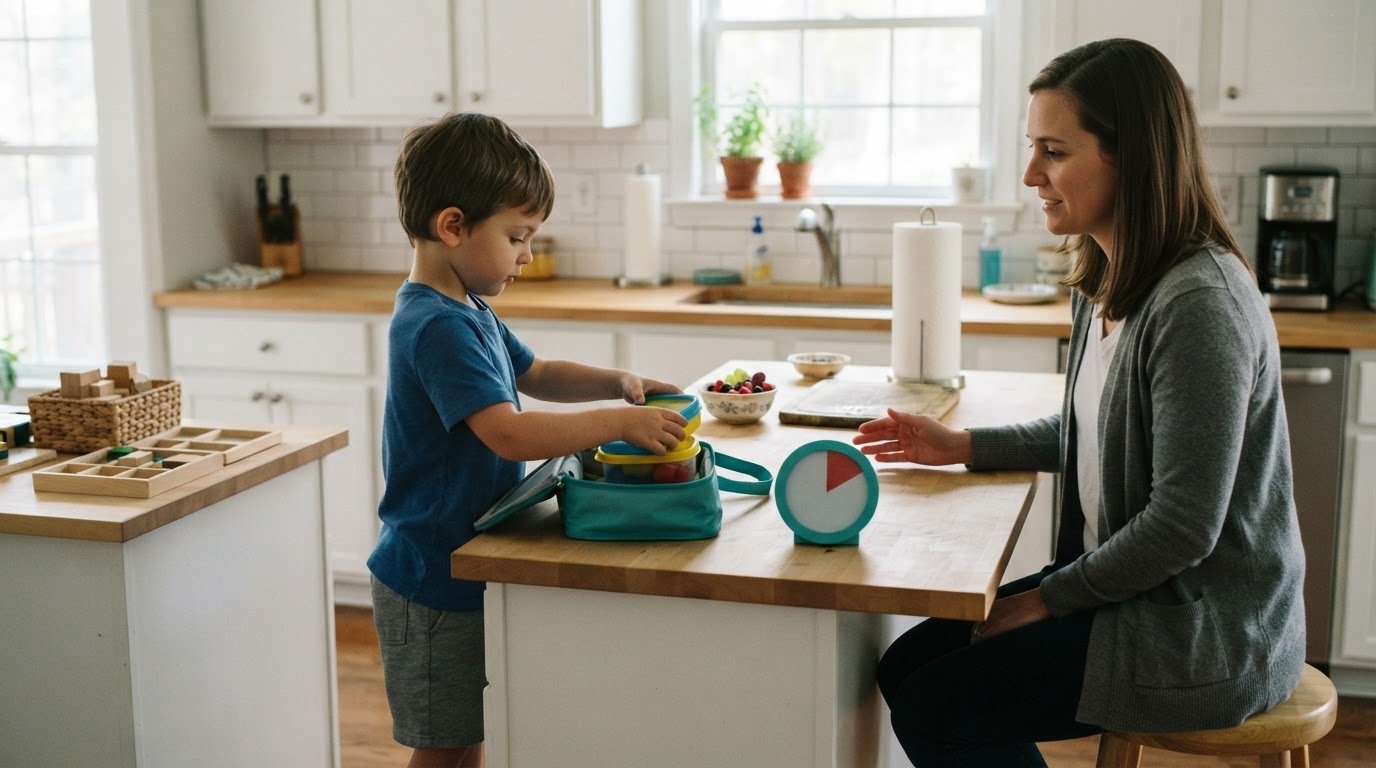
Pair a picture with a visual timer when an activity has a clear ending, such as playtime before lunch. Some timers show time passing through colors or shapes instead of numerals, which can make the countdown easier to follow. Keep the timer near the schedule so your child can connect the picture with the time remaining.
Check that the timer’s display is understandable and doesn’t distract from the task. For example, show a lunch picture, set a timer, then give a calm reminder as lunch approaches. Include practical details where they help, such as “brush teeth for 2 minutes.”
-
3. Match Routines to Age and School Schedules
Build a sample day around your child’s age, school commitments, and energy patterns. A preschool routine might include getting dressed, breakfast, learning or play, lunch, rest, and bedtime. A school-day schedule could include getting ready, school, an afternoon activity, dinner, and bedtime.
Observe your child’s natural rhythms for a few days before choosing the order. Keep the visual schedule visible in a familiar place, such as the bedroom or kitchen. For children receiving Part C Early Intervention services, these services are available from birth to age 3, according to the U.S. Department of Education.
-
4. Use Specialist and School Supports
Make each step clear by breaking tasks into smaller actions, showing the sequence with pictures, and practicing it consistently. Occupational therapists and behavior specialists can help families consider how a routine fits a child’s skills, sensory needs, and daily demands. For example, divide bedtime into pajamas, toothbrushing, a story, and lights out.
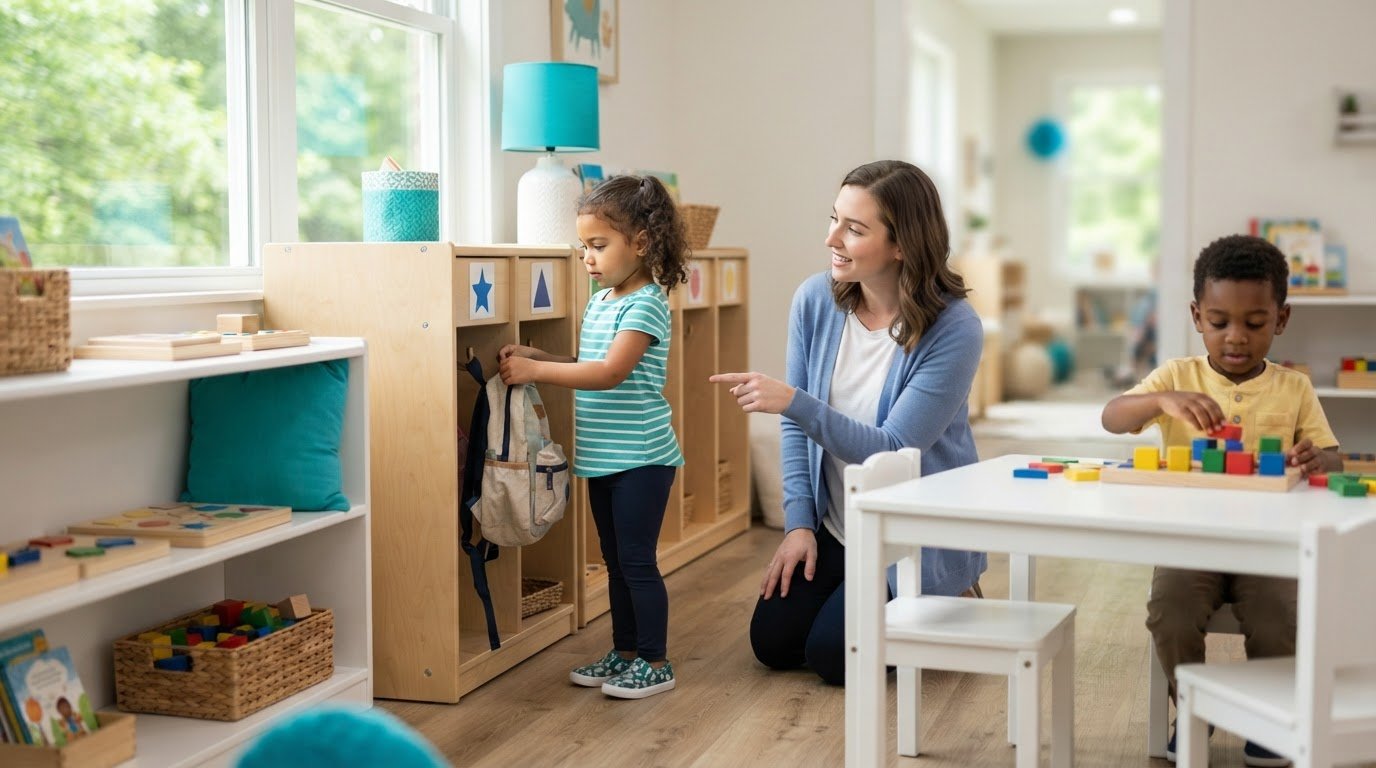
For a Wake County school routine, match home visuals to the child’s actual school-day sequence. Share familiar picture labels with teachers and caregivers so “pack backpack” or “after school” means the same thing across settings. Keep the plan focused on the child’s real schedule, and adjust it when school or therapy activities change.
Positive reinforcement
Make feedback immediate, specific, and connected to the action your child just completed. During routine practice, notice effort as well as completed tasks so your child can understand which behavior you’re encouraging.
- Praise your child as soon as they complete a step, using calm words that describe what happened. For example, say, “You put your cup by the sink,” rather than offering a general “Good job” several minutes later. This clear connection helps your child recognize the action you value. Keep your voice warm and your response brief, especially when the next step is waiting.
Match feedback to your child’s preferences. A smile, a few encouraging words, or a gold star beside a completed picture can mark success. If praise feels overwhelming, choose a quieter response your child welcomes. The goal is to make progress noticeable, not to interrupt the routine with attention that feels uncomfortable.
- Reinforce small steps toward independence, not just a fully completed routine. If your child reaches for a toothbrush, starts brushing, or puts the toothbrush away, acknowledge the specific action they managed. At mealtimes, you might recognize sitting at the table or trying a familiar part of the routine. These observations show your child which skills are developing.
Choose a goal your child can practice consistently, then notice progress without turning every task into a test. If a routine has several steps, recognize meaningful effort along the way. As your child completes the sequence more consistently, gradually reduce how often you provide a reward. Continue occasional praise so the routine still feels worthwhile.
- Keep encouraging your child when a routine changes, and recognize attempts to adapt. If breakfast moves to a different table, for example, praise your child for coming to the new place or following the next familiar step. Calmly describe the effort: “You came to the table even though it moved.” This supports confidence without suggesting discomfort must disappear right away.
When a change is difficult, make the next action manageable and reinforce any step toward it. Your child might look at the changed schedule, carry a familiar item, or join you briefly. Acknowledge the effort soon after it happens. Don’t withhold warmth because your child didn’t complete the entire modified routine; recognize the adaptation they made.
- Keep a simple record to see which feedback helps your child engage. Note the routine step, the response you offered, and what your child did next. For instance, compare whether descriptive praise or a gold star helps with putting lunch items away. Look for patterns in everyday routines, then keep the response that encourages participation without adding pressure.
As the routine becomes familiar, shift attention toward your child’s growing independence while keeping encouragement available. If you’re finding it difficult to choose reinforcement that fits your child’s needs, talk with the team about routine support.
Why Do Routines Matter for Children With Autism?
Predictable routines make daily expectations easier to understand at home, school, and in the community. Use consistent sequences to support communication, focus, and participation, while adjusting steps to your child’s needs.
-
Establish Predictable Routines
Keep key activities in a familiar order, such as arriving home, putting away a backpack, having a snack, and choosing a quiet activity. A repeated sequence gives your child clearer cues about what comes next and less to interpret in the moment. Make sure each step fits your family’s actual day. A routine that repeatedly conflicts with school pickup or transportation can be difficult to maintain.
-
Support Comfort Through Predictability
Use consistent cues to help your child prepare for activities that feel demanding. For example, use the same short phrase before entering a busy store, then offer a familiar comfort item. Knowing what to expect can reduce uncertainty and help your child feel more settled. Watch for signs that the environment is overwhelming, and adjust the plan rather than insisting on an unchanged sequence.
-
Maintain Stability in Daily Routines
Keep a few dependable anchors even when the day changes. A familiar greeting after school or the same sequence before leaving home can provide continuity across settings. Share the routine with caregivers so they use similar language and expectations. Check that each step still supports your child’s current skills, and revise it if a new schedule makes the old sequence impractical.
- Use routines to make communication more accessible. Before a transition, name the next activity in clear, concrete language, such as, “First we finish lunch, then we get in the car.” Pause to give your child time to process and respond. If spoken directions are difficult in a busy moment, pair the words with a gesture or familiar object. Notice which cue helps your child understand without adding extra instructions.
- Build predictable practice into everyday tasks that involve learning or cooperation. For example, use the same sequence for setting the table: place a plate, add a cup, then bring utensils. Repeating the steps can help your child focus and build skills through practice. Keep the activity manageable, and avoid adding several unfamiliar expectations at once.
- Keep routines consistent without making the schedule rigid. If a community outing is delayed, explain the change simply and identify what remains familiar, such as bringing the same snack or taking the usual route afterward. A useful routine leaves room to adjust when family plans shift. Point out what your child can rely on, then support the changed step with patient communication.
Preparing children for transitions and unexpected changes
Practice transitions during calm moments, then use the same supports at home, school, and in community settings. To support sensory needs, adjust the routine by reducing difficult input, adding a familiar comfort item, and allowing time to transition.
-
Model Routines and Calm Responses
Show the action you want your child to try, then describe it in simple language. For example, calmly put away a preferred activity, look at the next schedule picture, and say, “Now it’s time to get shoes.” Your behavior can model how to pause and move on. Check that your words and actions match, especially when plans change unexpectedly.
-
Prepare Children for Routine Changes
Preview a known change before it happens with a picture schedule or short social story. If school pickup will happen in a different place, show the new location and explain what comes next. When possible, introduce one adjustment at a time. Several new steps at once can make it harder for your child to understand what’s changing.
-
Adapt Routines for Sensory Needs
Identify what makes a transition harder, such as loud sounds, bright lights, or crowded spaces. Adjust the routine with a quieter route, noise-canceling headphones, a fidget toy, or a familiar comfort item. Allow time to pause before entering a demanding environment. Observe your child and change the support if it adds distraction rather than comfort.
- Give advance warnings before ending a preferred activity. A 5-minute warning followed by a 2-minute warning can help your child prepare for the next step. Pair each reminder with a clear cue, such as pointing to the next picture or showing a timer. Keep the message brief and consistent; avoid adding extra instructions during the transition.
- Practice an upcoming change through roleplay at home. If a school event involves a different classroom, act out walking in, finding a seat, and beginning an activity. Let your child practice with a familiar toy or family member. Rehearsal makes the sequence more recognizable, while your calm response models what to do.
- Build flexibility into the plan by showing what stays the same and what changes. If rain cancels a playground visit, explain, “The playground is closed; we’ll have indoor play, then snack.” When practical, offer a choice between two acceptable activities. Keep a familiar part of the routine, such as the usual snack or goodbye phrase, to support adjustment.
- Coordinate transition cues across settings with the adults who support your child. Share the same brief wording and visual signal with caregivers or school staff, such as “finished, then backpack.” After a difficult transition, note which support helped, such as a quieter space or extra preview. Use what you learn to shape the next practice rather than assuming one approach fits every change.
Benefits of routines for autistic children
Look beyond getting through the day: consistency can help children with autism practice skills, communicate needs, and participate with growing independence. The clearest benefit is a routine that supports your child’s life, not one that simply looks orderly.
- Use a familiar sequence to reduce the effort of figuring out what happens next. For example, a child who knows the after-school order can put away a backpack, have a snack, then choose an activity. Predictability may leave more attention available for each task instead of requiring your child to work out what comes next each time.
Notice what changes as the sequence becomes familiar. Your child might begin a step with fewer prompts or move between activities more comfortably. These everyday signs can help you see whether the routine supports participation, not just compliance.
- Choose routines that build practical skills through repeated opportunities. A meal sequence might include bringing a napkin, choosing between familiar foods, and clearing a plate. Practicing these actions in the same context can help your child learn what to do and participate at their own pace.
Keep the goal meaningful. If clearing the plate is difficult right now, focus first on carrying it to the counter. A smaller, achievable step lets you recognize progress and build toward greater independence without turning mealtime into a test.
- Use positive reinforcement to make useful actions clear. After your child puts on a coat, offer specific praise, such as, “You pulled the sleeve on by yourself.” Immediate feedback connects the action with recognition. As the skill becomes more familiar, vary how often you respond while continuing to notice meaningful effort.
Reinforcement should fit your child and the moment. A quiet compliment may work better than a celebration during a busy morning. Notice how your child responds, then adjust your approach so encouragement supports participation instead of disrupting the routine.
- Track changes in participation instead of judging success by a perfect day. A simple note can record the routine step, the prompt needed, and what your child did. Compare observations across familiar settings, such as home and school, and look for skills that carry over. This gives you a practical basis for keeping, simplifying, or adjusting a routine.
Structure and consistency are associated with a 47% increase over time in children’s social-emotional health. Treat that figure as context, not a deadline for an individual child. Progress may show up as clearer communication, willingness to try a step, or recovery after an interruption.
- Review whether the routine still meets your child’s needs as their skills and family schedule change. A bedtime sequence that once required support may later offer chances to practice choosing pajamas or putting clothes away. Keep helpful steps, reduce unnecessary prompts, and make changes thoughtfully so familiar structure remains useful.
If you want support choosing practical routine goals and reinforcement, explore parent coaching for daily routines. A parent can use that collaboration to connect everyday observations with specific skills to practice.
Divergent Minds ABA: Clinic Based ABA Therapy
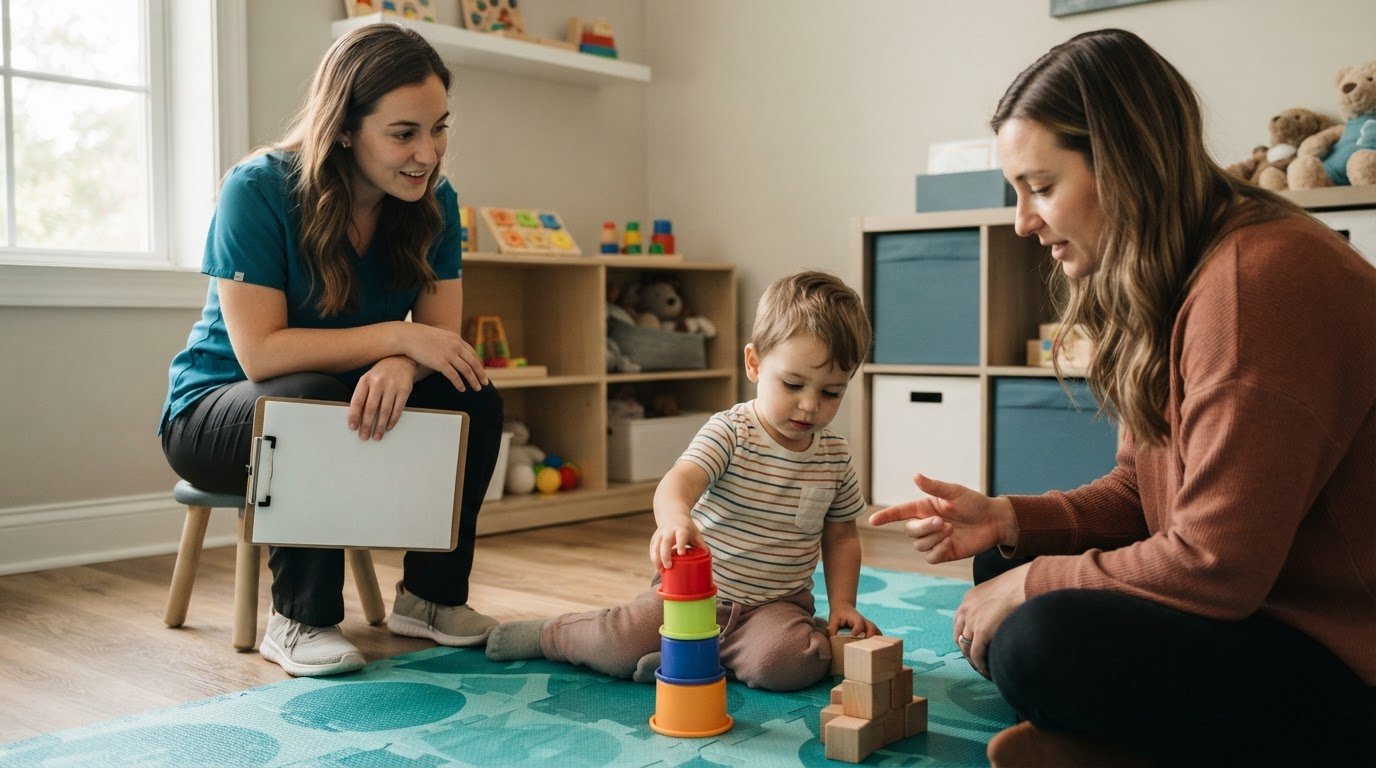
Divergent Minds ABA provides personalized, evidence-based ABA therapy for children with autism through Clinic-Based ABA Therapy, Home-Based ABA Therapy, and Community-Based ABA Therapy. When routine steps remain challenging across settings, an individualized treatment plan can help families work on practical skills in everyday environments. Social Skills Groups offer another setting to practice interaction and participation.
Families can bring specific routine goals, such as getting ready to leave, following an after-school sequence, or preparing for bedtime. Caregivers and the therapy team can work together to identify manageable skills to practice and consider how supports fit the child’s everyday environments.
To explore how ABA services may support your family’s goals, visit Divergent Minds ABA online.
Let the Next Routine Grow With Your Child
A routine doesn’t need to solve every difficult moment at once. Choose one everyday priority that would make family life easier, such as a smoother start to the morning or a more manageable return home from school. Notice what your child responds to, then shape the next step around those cues. A routine can change as your child’s needs, interests, and skills develop.
For families building daily routines for an autistic child in Cary, the next step may be support that connects practical goals with your child’s individual strengths. Divergent Minds ABA offers Clinic-Based ABA Therapy, Home-Based ABA Therapy, and Community-Based ABA Therapy. Families can explore how these settings may support the skills they want to build in everyday life.
Reach out to discuss your family’s goals and possible next steps. Contact Divergent Minds ABA to begin a conversation about support for your child’s routines and growth.
Frequently Asked Questions
How can routines and structure support behavior management and coping strategies?
Routines make expectations more predictable and help caregivers practice useful coping responses with children before difficult moments arise. For example, practice asking for a pause during a calm activity, then respond consistently when your child makes that request. Notice what happened before and after challenging behavior, including noise, waiting, or unclear directions. This context can help you adjust the environment and teach a more accessible way to communicate needs.
How can visual schedules be used to support children with autism?
Use a visual schedule as a reference your child can check, not just a chart adults point to. Before an unfamiliar event, review the relevant pictures together and let your child indicate the current activity. You might add a simple symbol for “wait” if an appointment includes time in a waiting room. Keep the display where your child can reach it, and update it when plans change.
How do you create a structured environment for a child with autism?
Give everyday items and activities predictable places. For example, keep shoes near the exit, art supplies in one labeled container, and a preferred quiet activity somewhere accessible. Clear pathways and fewer competing materials can make it easier to focus on the current task. Start with one area, such as the entryway, and arrange it around the steps your child completes there.
What visual schedules and routine charts work best for autistic children?
The most useful chart is one your child can understand and use. Some children recognize photos of their own belongings; others prefer clear drawings, written words, or a combination. Try a small set of familiar symbols and see whether your child can identify each one. Choose a format that is easy to move or revise, and avoid crowding the chart with irrelevant activities.