
A caseload number alone can’t show how much attention your child will receive. The most useful questions to ask a BCBA in Cary are how the BCBA stays involved, tracks progress, and helps your family practice skills between sessions.
It’s reasonable to want clear answers about who supports your child and how care is tailored to their needs. Ask how the BCBA learns about your child’s strengths and motivators, how goals are chosen, and how you’ll know whether the plan is helping.
This guide covers practical questions about goals, progress measures, caregiver collaboration, concerns, and home practice. It also explains how to ask about using therapy skills in everyday routines, so your conversation can focus on meaningful growth beyond sessions.
1. Identifying a child’s strengths and motivators
Start by sharing what your child enjoys, does well, and chooses independently. A BCBA can use those details to make learning engaging and identify useful motivators. For example, if your child enjoys building with blocks, ask how that interest might support turn-taking, communication, or following directions. Also explain what helps your child feel comfortable, such as a quiet space or familiar routine.
Ask how the BCBA will learn about your child’s behavior across settings, not just during an initial conversation. Useful questions include, “What will you observe?” and “How will you include my child’s preferences?” When preparing questions to ask a BCBA in Cary, ask how observations shape individualized goals and how the plan can change if a strategy isn’t helping.
When comparing ABA providers and BCBAs in Cary and the Raleigh area, consider their approach to assessment, individualized goals, supervision, and caregiver collaboration. Ask how the BCBA identifies your child’s strengths and uses them in treatment, rather than comparing providers by caseload size alone.
A BCBA develops and oversees behavior-analytic treatment, including goals and strategies tailored to a child’s needs. Ask about the BCBA’s certification and how they supervise the people providing treatment. BCBAs are also subject to the Behavior Analyst Certification Board (BACB) ethical guidelines.
Experience should fit your child’s age and support needs. Ask whether the BCBA has worked with children at a similar developmental stage and with goals like communication, daily routines, or social interaction. A BCBA who has worked with individuals ranging from 18 months to 23 years old can describe experience across those ages, but your child’s specific needs still matter.
Ethical care is individualized and collaborative. A child’s consent to treatment is an ethical requirement, and the BCBA has an ethical obligation to supervise treatment as it is provided. Ask how your child’s comfort and preferences will shape sessions, and how caregivers can raise concerns or request a plan review.
Discuss how care may begin, change, and end before therapy starts. Ask how progress may inform transitions or discharge, and what signs might prompt a change in goals. A BCBA should explain how treatment decisions relate to your child’s needs, rather than presenting one fixed plan for every child.
Watch for warning signs that could put your child’s welfare or the professional relationship at risk. BCBAs refrain from giving clients gifts, and relationships outside therapy can create unnecessary risks for the child and program. Be cautious if a provider dismisses caregiver concerns, overlooks your child’s assent, or cannot explain who supervises treatment.
2. Understanding therapy goals and progress measures
Clear goals turn an individualized ABA plan into observable steps. Ask how each target relates to your child’s daily life, communication, comfort, or independence. A useful goal describes what your child will do, the context, and how progress will be recorded. “Improve communication” is broad; requesting a break using an AAC device is more specific.
How does a BCBA assess a child and create an individualized ABA plan? The BCBA can consider caregiver input, observe your child’s skills and needs, and identify where support may be useful. Ask how these findings shape treatment priorities and how your family’s goals and routines inform the plan.
Ask the BCBA to explain each goal in plain language, including the starting point and mastery measure. For example, one skill-acquisition goal is requesting a break independently using an AAC device in 8 of 10 opportunities across three consecutive therapy sessions. That detail clarifies the skill, level of independence, measure, and consistency expected.
Behavior-reduction goals also need a clear baseline and meaningful context. One example is reducing aggression during transitions by 75% from baseline. Ask how the BCBA defines the behavior, records the baseline, and considers the circumstances around transitions. These details help caregivers understand what the measure captures and how the program responds to the child’s needs.
Progress measures should guide decisions, not just fill reports. Ask how often the BCBA reviews data, what changes might follow slow progress, and how you’ll receive updates. For example, if a communication goal remains difficult, the BCBA might review teaching steps, opportunities, and support levels before adjusting the plan.
Caregivers can suggest goals, especially when a skill would help at home. Describe a specific routine, such as asking for help while getting dressed or waiting as a snack is prepared. Ask how a proposed goal supports your child’s independence and what success might look like in that routine, not only during therapy.
To verify a BCBA’s certification and North Carolina license, request their credential details and compare them with official records from the relevant credentialing and state licensing bodies. Ask the BCBA to explain their role in assessment, goal development, and ongoing review, so you know who oversees the treatment plan.
Before agreeing to goals, ask what each one will look like in practice and how progress will be shared. If learning in a familiar setting matters to your family, home-based ABA therapy can connect goals with everyday routines, where caregivers can observe and discuss how skills are developing.
3. Caregiver collaboration and consistency
Caregiver involvement helps connect therapy strategies with the routines a child already knows. Ask how you can share observations about mornings, meals, school transitions, or play. For example, if getting ready for school often becomes difficult, describe what happens before, during, and after the challenge. Those details help the BCBA understand the context and plan relevant caregiver guidance.
Ask what caregiver training involves and how often it may occur. ABA parent-training sessions may take place weekly or biweekly, depending on the child’s plan and family needs. Discuss what schedule feels workable, who should participate, and whether sessions can address priorities such as communication, transitions, or daily routines.
Consistency doesn’t mean every adult must respond identically in every situation. It means caregivers understand the agreed strategy and know how to adapt it safely to real circumstances. Ask the BCBA to demonstrate a strategy, then practice it together with a familiar example, such as helping your child request assistance during a challenging task.
Keep home practice manageable. Ask, “What should I do at home when my child struggles with this skill?” The BCBA can help break the skill into steps, identify prompts to use, and explain how to respond when your child needs more support. Brief practice during an existing routine may feel more achievable than adding a separate activity.
Autism can affect how a child communicates discomfort or a need for a pause, so ask how to recognize early signs of overwhelm. Discuss signals you notice, such as withdrawing from an activity, covering their ears, or becoming less responsive. Then ask how to support your child’s comfort and when to pause or adjust an activity.
School is another setting where routines and expectations may differ from home. Ask how observations about school transitions or communication can inform treatment goals. If teachers share updates, discuss relevant examples with the BCBA and consider which strategies can be used consistently across settings.
Agree on a simple way to exchange information. You might record the situation, the skill being practiced, and what response followed. At a caregiver meeting, review your notes with the BCBA and identify one adjustment to try. This keeps collaboration specific and gives everyone a shared reference point.
Caregivers should also know how to raise concerns between planned discussions. Ask whom to contact about a difficult strategy or a change in your child’s response. Agree on how the concern will be reviewed, and bring a recent example so the BCBA can understand what happened and discuss a practical next step.
4. Discussing concerns and disagreements with a BCBA
Raise concerns with a specific example. Describe what happened, where it occurred, and what your child did next. For instance, explain if a transition strategy led to distress before dinner on several occasions. This gives the BCBA context to discuss the approach instead of relying on a general statement that something feels wrong.
Ask the BCBA to explain the strategy’s purpose and the response they expect. If you’re unsure about a prompt, ask to see how it works during a familiar activity. Then describe what felt difficult, such as the pace, wording, or setting. A practical conversation makes it easier to identify an adjustment together.
Separate disagreement about a method from disagreement about the goal. You might support building communication but question whether a particular practice suits your child. Ask what alternatives could teach the same skill and how the BCBA would compare their effects. This keeps the discussion focused on your child’s needs and the intended outcome.
Bring observations that help clarify a concern. A brief note can include the activity, what happened before the behavior, your child’s response, and what followed. For example, record whether a request for a break was understood during a busy morning. Share the pattern with the BCBA and ask what it suggests about the plan.
Ask how and when the team will revisit the issue. Agree on the change being considered, what you should observe, and how you’ll discuss those observations. If a strategy feels impractical at home, explain which routine it disrupts. The BCBA can then consider whether the steps or timing need adjusting.
If your concern involves your child’s comfort or willingness to participate, say so plainly. Describe the cue you noticed, such as moving away from an activity or becoming quiet. Ask what the BCBA observed and how the team can respond in the moment. A clear example helps turn concern into a practical discussion about care.
When a conversation feels difficult, prepare a short agenda before meeting. Note the concern, an example, and the outcome you hope to discuss. You can ask, “What options do we have?” or “How will we know whether this change helps?” These questions support a respectful exchange without requiring you to agree immediately.
Parent Coaching can provide a structured setting to discuss caregiver questions and strategies for daily routines. In a parent coaching session, families can work through examples, clarify how to respond, and strengthen collaboration around the child’s care.
5. Practicing skills and reinforcement at home
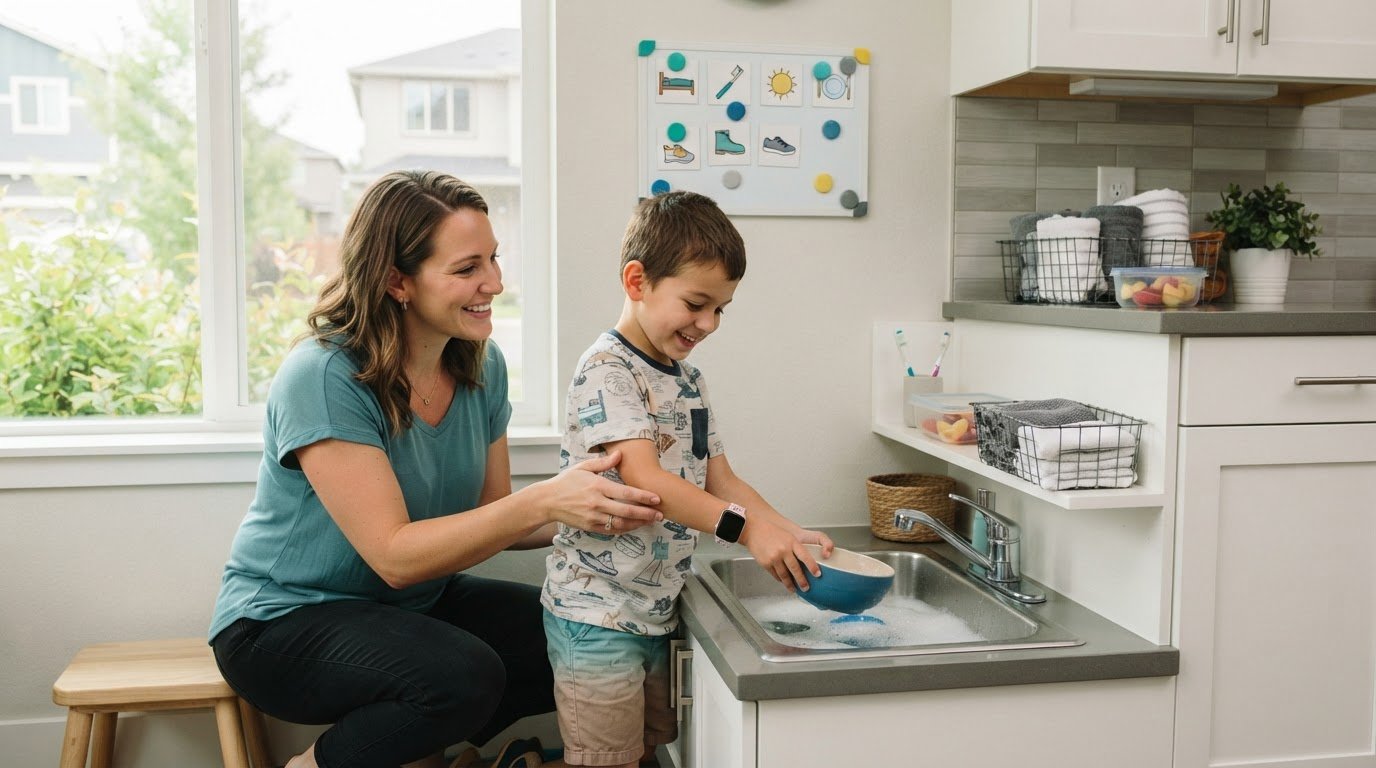
Home practice helps a child use a developing skill in everyday routines, not only during therapy. Ask the BCBA which skill to practice first and where it fits naturally. For example, a child learning to request help could practice while getting dressed, preparing a snack, or putting toys away. Choose a routine your family already follows.
Ask what reinforcement means for your child and how to use it respectfully. A reinforcer is something that makes a behavior more likely to happen again, such as access to a favorite activity after a child communicates a request. Ask what your child values, how to offer choices, and how to notice when an activity is no longer motivating.
Ask for a clear demonstration before trying a new strategy. Have the BCBA show the prompt, explain when to pause, and describe how to respond if your child doesn’t use the skill. Then practice with a familiar example, such as waiting briefly before offering help. Ask what to do if your child becomes frustrated or needs a break.
Practice should fit your household, rather than turn every interaction into a lesson. Tell the BCBA which routines feel manageable and which are already stressful. If mornings are rushed, for instance, a calm after-school activity may be a better time to practice a new communication skill. Agree on a simple way to share observations.
Ask how to respond when challenging behavior happens at home. Describe a specific situation, such as a difficult transition away from a preferred toy, and ask what your child may be communicating. Discuss which response supports safety and communication, and what signs might suggest pausing or changing the activity.
What should you ask about waitlists, scheduling, locations, and in-home services in Cary? Ask how the waitlist process works, what scheduling options and treatment locations are available, and whether sessions can take place at home. Then discuss how an in-home session could connect a therapy goal with a routine your child practices every day.
Home practice doesn’t have to be perfect to be useful. A brief, consistent opportunity to use a skill can give the BCBA helpful information about what works. Ask how to track the attempt, the support provided, and your child’s response, then review those observations together.
For a practical next step, discuss home-practice goals with the care team and bring one routine you’d like to make easier for your child.
Divergent Minds ABA: Clinic Based ABA Therapy
Divergent Minds ABA helps families turn questions about their child’s care into a collaborative plan. Its Clinic-Based ABA Therapy provides children with individualized, evidence-based care. Depending on your child’s goals and routines, families can also explore Home-Based ABA Therapy, Community-Based ABA Therapy, or Social Skills Groups.
If you’re considering next steps, think about which setting may help your child practice meaningful skills and where caregiver collaboration would be most useful. A conversation can connect these priorities with an appropriate approach to care.
Contact Divergent Minds ABA to discuss your child’s needs and possible next steps.
Take the Next Step With Confidence
Your first conversation doesn’t need to solve everything. Bring one priority from your child’s daily life and the questions to ask a BCBA in Cary that will help you understand the care relationship. A focused discussion can make it easier to explain what your family hopes to build and consider what support fits those goals.
Divergent Minds ABA offers Clinic-Based ABA Therapy, Home-Based ABA Therapy, and Community-Based ABA Therapy. Each setting provides a different context for supporting a child’s development. The right conversation begins with your child’s individual needs and your family’s priorities.
You can take the next step at a pace that feels right for your family. Contact Divergent Minds ABA to discuss your child’s care and share what you hope to work toward. A thoughtful start can help your family move forward with greater clarity and confidence.
Frequently Asked Questions
How many clients are on the BCBA’s caseload?
There isn’t one caseload number that shows how much attention your child will receive. Ask how the BCBA divides time among assessment, direct observation, team supervision, and caregiver communication. You can also ask who reviews your child’s data when the BCBA isn’t present. For families in Cary or Raleigh, clear answers about oversight and communication matter more than caseload size alone.
How do you handle insurance?
Divergent Minds ABA works with a variety of insurance providers and offers assistance with benefits verification. Ask what information is needed to review your plan, whether authorization is required, and how you’ll learn about coverage limits or family responsibilities before services begin. Keep the insurer’s explanation of benefits available, then compare it with the practice’s verification details to understand how the plan applies to your child’s care.
What questions should I ask a BCBA about their experience and treatment approach?
Ask what experience the BCBA has with your child’s age, communication style, and support needs. Then ask how they incorporate your child’s preferences and explain treatment decisions to caregivers. A useful follow-up is, “What would you change if this approach isn’t helping?” The answer can show how the BCBA adapts strategies rather than treating a written plan as fixed.
How are parents and caregivers involved in ABA therapy?
Parents and caregivers can share observations from daily settings and help connect treatment to family priorities. Ask how you can contribute information, learn strategies, and discuss changes that affect your routine. For example, if your child has difficulty moving from play to getting dressed, share what tends to help or make the transition harder. That context can inform collaborative planning.
What are the typical costs of ABA therapy in Cary, NC, and what does insurance cover?
ABA therapy costs depend on the care plan and are provided after a quote request. Factors can include the type of services, treatment setting, and insurance benefits. Ask for an explanation of what the proposed plan includes and how your coverage applies to each service. Before making decisions, clarify any deductible, copayment, authorization, or benefit limits directly with your plan.
Does North Carolina Medicaid or private insurance cover ABA therapy?
Coverage depends on the specific North Carolina Medicaid or private insurance plan and the child’s benefits. Don’t assume every plan covers the same services or conditions. Ask the insurer about eligibility, required documentation, authorization, and any limits, then use benefits-verification assistance to understand how your plan applies. Keep written notes of the insurer’s guidance and the representative’s reference details.
What are the signs of ethical, evidence-based ABA therapy?
Look for treatment that respects your child’s comfort, explains procedures in language your family understands, and uses observations to guide decisions. Ask how the team protects your child’s dignity during challenging moments and how caregivers can raise concerns. For example, the BCBA should be able to explain why a strategy is being used, what alternatives are considered, and how the plan responds to your child’s needs.
How often should a BCBA supervise therapy, and how is progress measured?
Supervision should be planned around your child’s program, the treatment team’s work, and information from ongoing sessions. Ask how often the BCBA observes treatment directly and how supervision changes if data raise a concern. Progress measures should connect to defined goals and include clear records, such as whether a skill occurs independently, with prompts, or in a particular setting.