
ABA therapy ending doesn’t mean a child’s learning stops. What happens after ABA therapy ends depends on the child’s progress and support needs: families and the care team plan how to maintain skills at home, coordinate with school, and arrange follow-up support when needed. A transition may include gradually reducing services rather than stopping them all at once.
It’s understandable to wonder whether your child will keep using the skills they’ve practiced after regular sessions end. A thoughtful plan can make the change clearer by identifying what’s working, where support is still helpful, and how adults can encourage progress in everyday settings.
This article explains how discharge planning works, how parents can coordinate with teachers, and which routines and strategies can help maintain skills at home. It also covers signs that more support may help, so your family can approach the next stage with practical steps and a shared understanding of your child’s needs.
What Skills Should Be in Place Before Discharge?
Discharge readiness is about skills a child can use reliably, not simply completing a schedule. Examples include expressing needs, managing a morning routine, and participating in class with less direct prompting.
Signs of Discharge Readiness
Discharge readiness means a child’s core skills remain dependable as direct support decreases. Progress should carry over into daily life, not appear only during therapy sessions. A BCBA and family can review goals, observations, and data together to consider whether communication, transitions, peer interaction, and reduced challenging behavior remain steady across home and school.
Communication includes asking for help, expressing preferences, and telling an adult when something feels difficult. For example, a child might request a break instead of leaving a classroom activity. Adaptive skills matter too: following directions, shifting between tasks, and participating in group learning can show growing independence. Readiness is stronger when these skills appear with familiar adults and teachers, not only with the person who taught them.
Daily living skills offer another practical measure. A child may dress, wash hands, put away a backpack, or follow a bedtime routine with less prompting. Families and the care team can identify which routines still need support and whether help can be reduced gradually. According to the Centers for Medicare & Medicaid Services, Medicaid plans must cover medically necessary treatments for children under 21 years of age.
Generalizing and Maintaining Skills
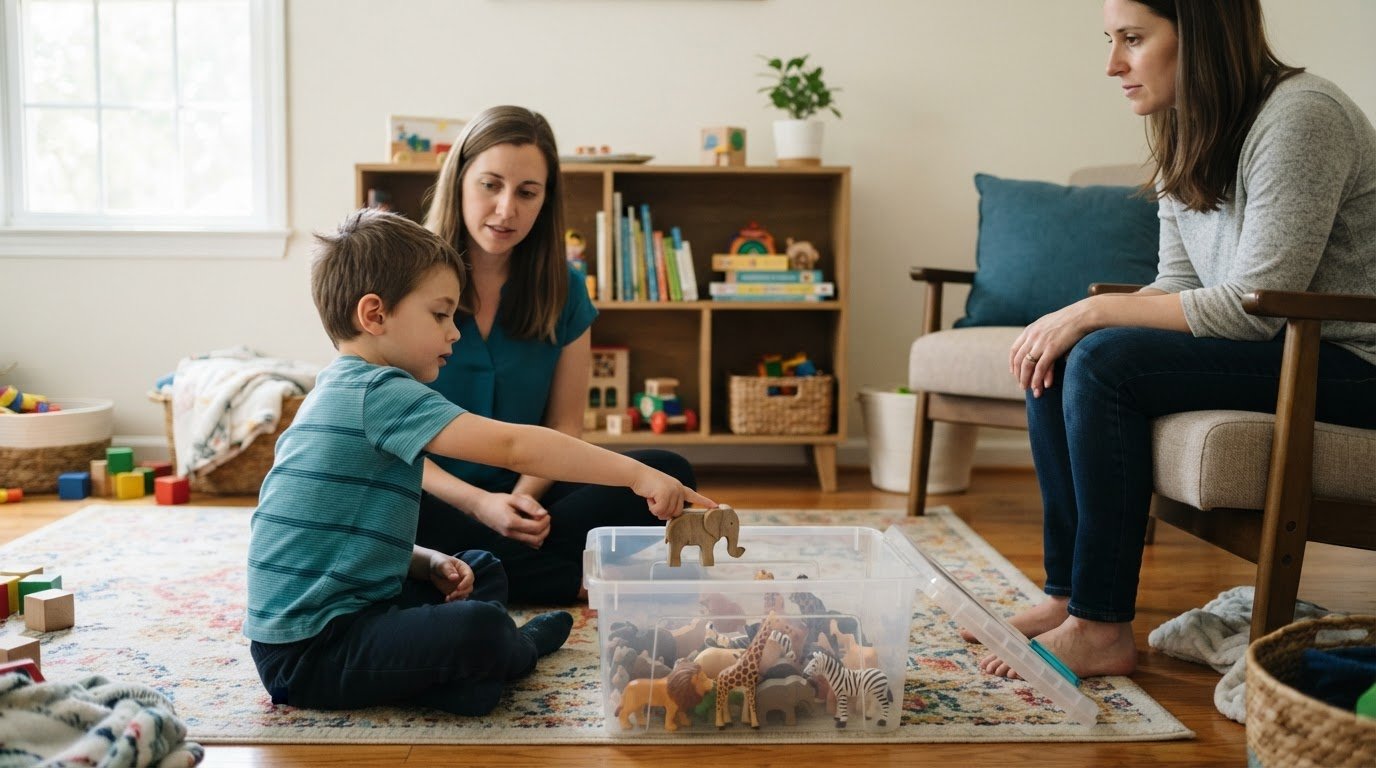
Generalizing means using a learned skill in different settings and with people who did not teach it. This matters because a skill practiced in one session may not automatically transfer to a classroom, playground, or home routine. For example, a child who practices greeting a therapist may also greet a peer or teacher. Progress across people and places helps show whether a skill is useful in daily life.
Applied behavior analysis can prepare for this transfer by gradually reducing prompts and practicing skills in natural environments. A child might first rehearse waiting during a session, then practice while a family member prepares a snack. A teacher can observe whether the same communication or transition skill appears in class. Social skills groups can also offer structured opportunities to practice peer interaction.
Maintenance means continuing to use a skill after direct teaching becomes less frequent. Families can build practice into familiar routines, such as having a child request ingredients while preparing a meal or follow a visual morning checklist. If a skill no longer appears reliably, note when it becomes difficult and where. That information helps the care team understand whether support needs have changed.
How should parents work with schools after ABA therapy ends?
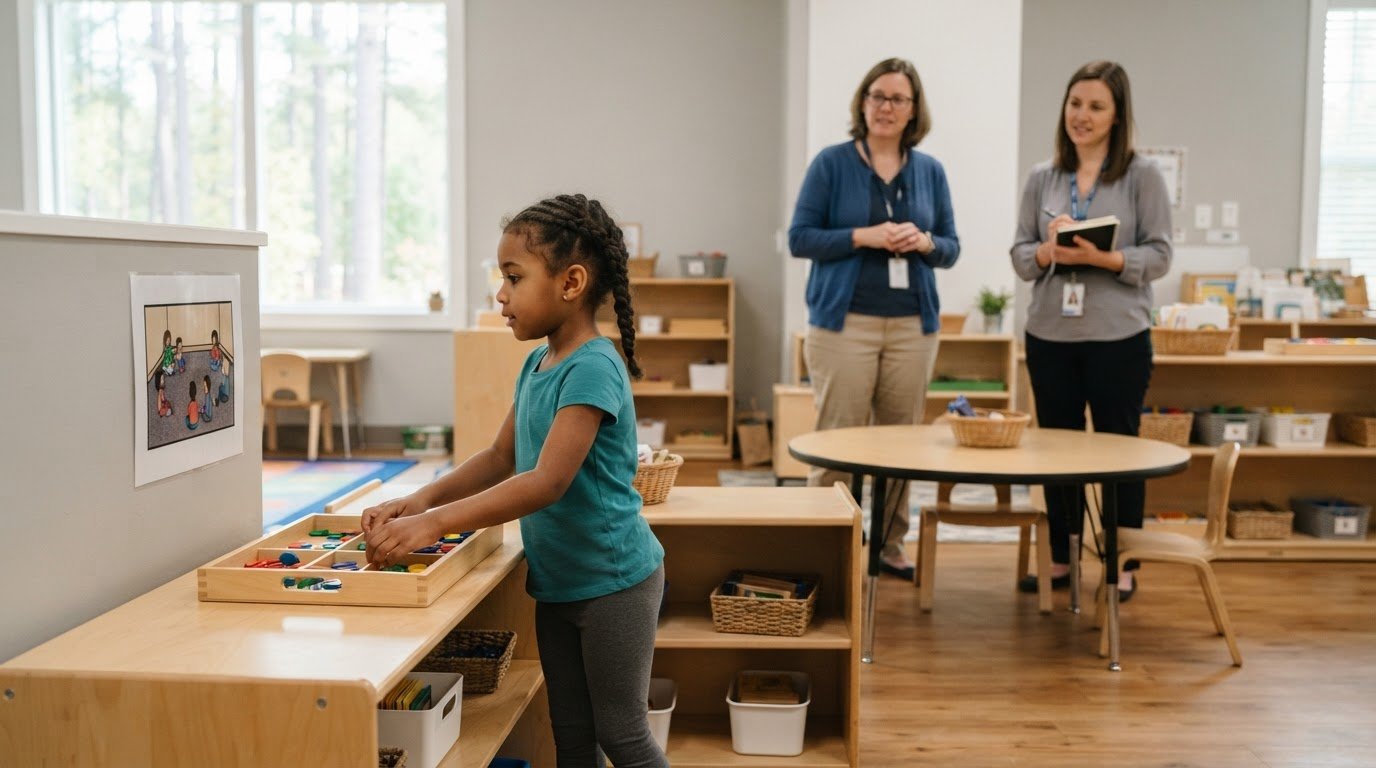
School coordination connects skills practiced in ABA with classroom routines, peer interactions, and community activities. A shared transition plan helps adults use consistent prompts and support.
Transitions to School and Community Activities
Transitioning means carrying useful skills into school, work, or community routines as ABA support changes. It matters because a child may respond differently when the people, expectations, or setting change. For example, a child might practice asking for help during therapy, then use that skill with a teacher or activity leader.
Before a school change, parents and providers can identify routines to practice, such as following a classroom schedule, waiting for a turn, or moving between activities. A gradual introduction to a new setting can help adults notice which supports are useful. Everyday life offers practice too: ordering food with a caregiver or joining a community activity can build independence.
Coordination With Schools and Providers
Coordination means sharing relevant goals and strategies among parents, school staff, and other providers. A consistent approach can help a child use communication and behavior skills across settings. A meeting with a teacher, for example, can clarify how the child asks for a break and what helps during transitions.
With family consent, a transition discussion can cover current strengths, helpful prompts, and situations that remain difficult. A school team can consider classroom participation and peer interaction, while a speech or occupational therapist may address goals in their area of care. Families can also discuss how community programs might reinforce social communication. Insurance coverage after a break or discharge depends on the plan and state, including whether ABA is medically necessary.
Support Options After Discharge
After discharge, support may come from school services, speech or occupational therapy, community activities, or family routines. The right mix depends on the child’s goals. For example, a school-based plan may support classroom participation, while a community group offers practice with peers outside school.
ABA ending may mean sessions stop or reduce while the child continues learning through everyday routines and other supports. Parents can track practical changes, such as whether a child follows a morning routine or joins a group activity, and share concerns with relevant providers. If ABA remains appropriate, the family can discuss renewed support. Families can discuss transition support with Divergent Minds ABA as goals or routines change.
Transitions at School and Into Adulthood
School transitions focus on classroom participation, peer interaction, and independence across home and school. When a child turns 18, planning should reflect adult goals, such as daily living, community participation, or work activities. Turning 18 alone doesn’t establish that ABA must end; the transition depends on the person’s needs and goals.
For a student moving into a new school program, parents can coordinate expectations with the school team and identify routines that may need support. For an emerging adult, the family can consider which skills support greater independence, such as communicating choices, navigating community settings, or completing daily tasks. The transition plan should connect those goals with practical supports and the people involved.
What Is Discharge Planning?
Discharge planning prepares a child, family, and care team for services to end or change. It begins before the final session, giving home routines, school supports, and follow-up needs a clear place in the plan.
Written Plans and Service Handoffs
A written discharge plan records progress, the service end date, skills to monitor, and next steps. It gives parents, school staff, and other providers practical information to use after ABA services change.
The plan can summarize effective prompts, communication strategies, and situations that still need support. It can also cover parent training, school or community handoffs, referrals, and a possible future check-in. For example, a teacher may need to know which visual cue helps a child move between classroom activities.
Graduation and Discharge
Graduation describes ending ABA after a child meets treatment goals and needs less direct help to keep learning. Discharge is broader: services may end for other reasons, including a program transition or a change in service needs. Knowing the distinction helps families understand the reason and plan next steps.
Before a planned reduction, families and providers should ideally discuss the transition 30 to 90 days ahead. If discharge feels premature, parents can explain their concerns, ask why the decision is being made, and review current goals and progress with the provider. They can also clarify which skills need continued monitoring.
Follow-Up Services and Check-Ins
Follow-up services and check-ins help families notice how a child manages after formal ABA ends. A change in routine can reveal needs that were less visible during therapy.
Families can monitor everyday routines, social skills, and feedback from teachers or caregivers. A planned check-in can review whether important skills remain useful at home, school, and in the community. Other supports may include school services, speech or occupational therapy, community programs, or focused ABA support for specific needs.
If a child needs ABA therapy again after discharge, parents can discuss new concerns and changes in skills with their provider. Reviewing current needs can help determine whether renewed ABA support or another follow-up service is appropriate.
Follow-up support and periodic check-ins
Support after ABA may continue in a different form, with follow-up shaped around the child’s current goals. Regular observation at home, school, or community activities can show whether skills remain useful as routines change.
Transitioning to Less Intensive Support
Less intensive support means reducing the frequency of ABA sessions or focusing services on specific skills. This transition matters because it can preserve targeted help while making room for independence.
Some children receive focused ABA services ranging from 5-10 hours per week. The right pace depends on readiness, family confidence, and clinical judgment, not a fixed transition duration. For instance, a child might move from frequent sessions to occasional practice focused on communication during daily routines.
Families and providers can monitor whether skills hold between sessions, transitions become harder, or challenging behavior increases across settings. If a child manages home routines but struggles in a new classroom, that pattern can guide adjustments. Social Skills Groups can also provide structured peer practice when it remains useful.
Support Across Settings
Transferring support means helping a child use strategies with different people and in everyday environments. Progress should be useful beyond the place where a skill was first practiced.
A caregiver might use the same visual routine at home that a teacher uses at school. A community activity can offer another chance to practice asking for help or waiting for a turn. Families can share helpful strategies with relevant adults, then note where the child uses them independently and where prompts remain useful.
Periodic check-ins give families and professionals a chance to review what has changed since services ended. A teacher may report stronger classroom participation, while a caregiver notices new difficulty with bedtime. Comparing observations across settings can help distinguish a brief adjustment from a pattern that needs more attention.
For young adults with higher long-term support needs, an adult day health program may teach daily living skills. Organizations that help people with developmental disabilities find meaningful careers can also support employment goals. These options address distinct needs, so families can consider which daily activities matter most to the individual.
Caregivers need support during the transition too. A family support group can offer space to share practical experiences, while trusted relatives or friends may help with routines. Self-care can be concrete: arranging time to rest while another adult supports a planned activity.
Follow-up may include occasional reassessment or renewed ABA support if needs change. Families can record specific examples, such as a skill becoming harder after a move or school change, and discuss them with the care team. A clear record makes the next conversation more focused.
Parent training and home maintenance strategies
Home maintenance works best when parents know which strategies support each goal. A simple plan can make skill practice part of familiar routines instead of adding a separate teaching block.
Before services end, families and providers can sort goals into three groups: skills the child uses independently, skills needing occasional prompts, and skills still requiring active support. For example, a child may independently ask for a snack but need a visual schedule to complete the morning routine. This distinction helps parents focus their effort where it matters most.
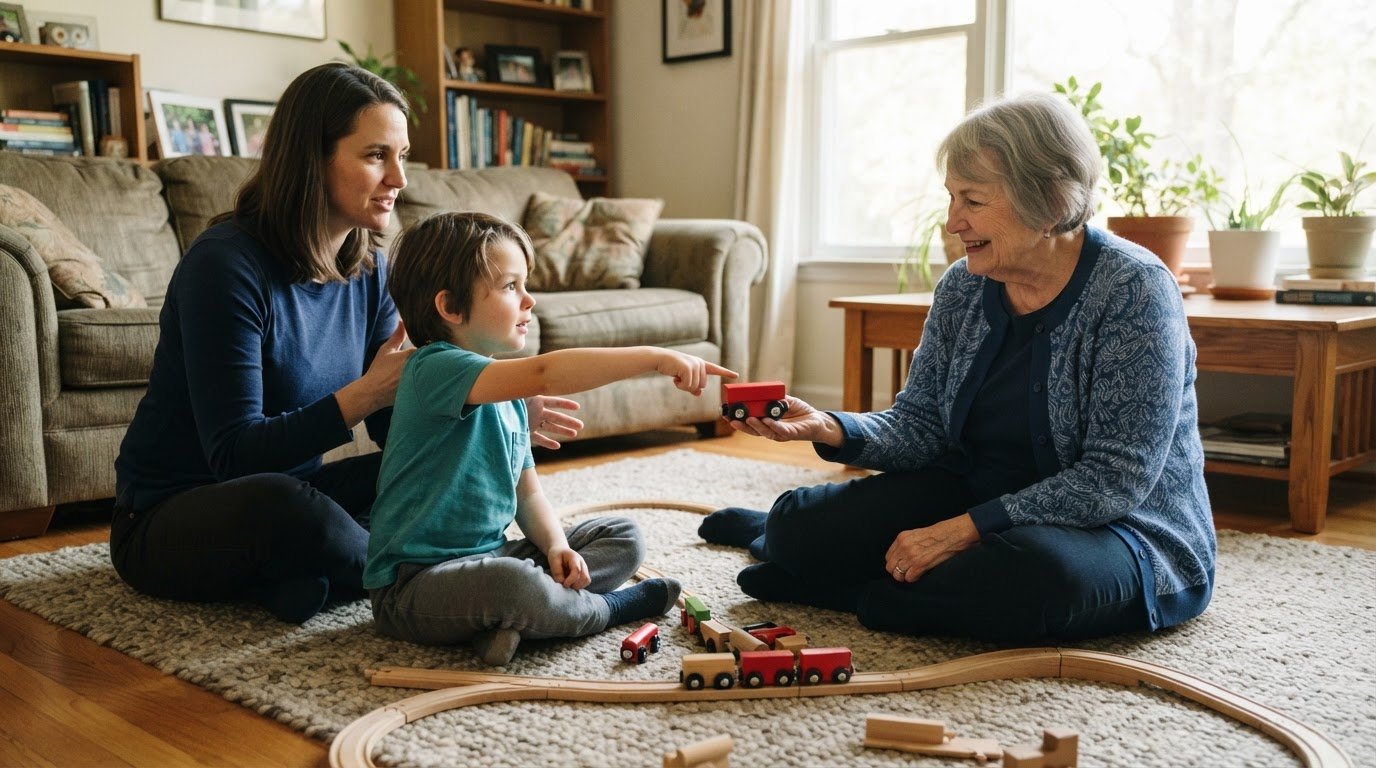
Caregiver training can show parents how to support learning during everyday interactions. Behavior Skills Training may include explaining a strategy, demonstrating it, practicing together, and giving feedback. A caregiver might learn to pause after a child asks for help, then respond consistently when the child uses that communication skill. Practice with feedback can help parents feel more prepared to use the approach outside a session.
At home, keep strategies clear and manageable:
- Use predictable routines. A picture checklist can show the steps for getting ready for school.
- Reinforce useful skills. Specific praise after a child puts away a backpack can recognize that independent action.
- Make communication accessible. Keep a communication tool within reach during meals or play.
- Practice in real activities. A child can request an ingredient while helping prepare a snack.
These tools should fit the child and family, not turn every home interaction into a lesson. Parents can choose one routine to support first, such as getting dressed, then observe whether the child completes more steps independently. If a strategy creates frustration or no longer fits, the family can revisit it with the care team and adjust the prompt or routine.
Progress can be monitored through brief, concrete observations. Note what happened before a difficulty, what the child did, and which response helped. For instance, if leaving the park becomes difficult, record whether a warning, visual cue, or choice supported the transition. Sharing that pattern helps the team understand next steps without treating one hard day as lost progress.
Parents can also ask for parent coaching to build confidence with home strategies and caregiver practice. To discuss support for maintaining your child’s skills, contact Divergent Minds ABA.
Divergent Minds ABA
Divergent Minds ABA helps families build practical skills through individualized, evidence-based ABA therapy for children with autism. If your child needs renewed support or focused teaching in daily routines, therapy can take place in clinic, at home, or in the community. Social skills groups can also provide structured opportunities to practice interaction with peers. The right next step depends on your child’s current goals, strengths, and support needs. Families can discuss how ABA may fit alongside the routines and supports already in place. For guidance on your child’s next steps, contact Divergent Minds ABA.
Keep Building Toward Your Child’s Next Chapter
A transition can also be a chance to notice how your child’s interests and choices are growing. Invite them to help shape a goal that matters in daily life, such as choosing an activity, asking for help, or sharing an opinion. These moments can make progress meaningful beyond a therapy plan. Understanding what happens after ABA therapy ends can help your family approach the next chapter with purpose, while leaving room to adjust as your child’s needs and priorities change.
You don’t have to map every future step at once. Start with the question your family needs answered now, whether it’s about ongoing support, a new routine, or a skill that has become harder. Talk with Divergent Minds ABA about your child’s next step.
Each new skill and act of self-advocacy can help your child move forward in a way that fits them.
Frequently Asked Questions
What's Next After ABA Therapy?
Understanding what happens after ABA therapy ends starts with choosing an everyday goal your child can keep practicing. For example, if joining family meals is a priority, agree on a simple way your child can participate, such as choosing a seat or asking for a preferred item. A familiar goal gives caregivers a practical starting point as the child adjusts to new routines and supports.
How do I know when my child is ready to transition out of ABA therapy?
Readiness is more likely when your child uses important skills in ordinary situations, not only during structured teaching. Consider whether they can communicate a need with a new adult, handle a small change in routine, or take part in a familiar activity with fewer reminders. Share examples from different days with the care team, including skills that feel steady and situations that still require help.
How do you transition out of ABA therapy without losing progress?
Keep the most useful supports steady while direct therapy changes. If a visual cue helps your child prepare to leave home, continue using it during the transition rather than removing every prompt at once. Caregivers can note whether the skill remains consistent and whether additional reminders help. This gives the team specific information to adjust the pace or practice plan if daily demands change.
Life After ABA: What Comes Next?
Life after ABA can include school routines, family activities, and opportunities shaped around your child’s interests. A child who enjoys art might practice asking to join a group activity, while a child who prefers quieter settings may build independence through a familiar household task. The goal is meaningful participation, not treating every interaction as therapy or expecting progress to follow one pattern.
What If Progress Slips After ABA Ends?
A difficult day doesn’t by itself show that a child has lost a skill. Look at the circumstances: Was there a substitute teacher, a disrupted routine, or a new expectation? Write down what happened before and after the difficulty, along with any support that helped. If the same challenge continues or affects daily participation, share those examples with the care team to discuss what support may help.
How is readiness to end ABA therapy determined?
A BCBA considers clinical information, progress toward treatment goals, and observations from the child’s family and therapy team. Readiness isn’t judged by one skill alone. For example, a child may communicate effectively at home but need more support during group activities. Discussing that difference helps the team consider whether current goals are met and whether the child can use skills beyond familiar teaching situations.
How is an ABA therapy discharge or transition plan created?
The family and care team develop the plan together, using the child’s goals and current support needs. They can clarify which routines caregivers will continue, what information to share with school staff, and who will respond if a new concern arises. For instance, a plan might identify a communication strategy for classroom transitions and who will share that guidance with the school team.
Can ABA therapy be reduced gradually instead of stopped suddenly?
Yes. A team can reduce ABA sessions gradually when that approach fits the child’s progress and support needs. During the change, caregivers can observe whether key skills remain steady between sessions and in everyday settings. If the child has more difficulty with a routine or needs increasing prompts, the family can discuss those observations with the team and consider whether to adjust the transition pace or supports. If you’re wondering what happens after ABA therapy ends, these observations can guide a conversation about next steps.