
A child’s home can be a meaningful place to build everyday skills. Home ABA services in Apex, NC bring individualized support into familiar routines, where goals can connect with communication, play, and daily living. For families in Apex, home-based therapy is one setting to consider when exploring support for their child.
It’s natural to want clear answers before beginning: whether services fit your family’s needs, how insurance may apply, and what the first steps involve. A personalized plan starts with understanding your child, your family’s priorities, and the skills that matter in daily life.
This guide explains how assessment and treatment planning work, how caregiver coaching can support learning between sessions, and what may affect insurance coverage. It also explores how practicing skills in familiar surroundings can connect therapy goals with home routines.
Do you offer in-home ABA therapy in Apex?
Home-based ABA brings learning into a child’s familiar routines, including play, communication, and daily living. For families seeking home ABA services in Apex, NC, key considerations include the child’s goals, schedule, coverage, and home environment.
Service Area and Therapy Schedule
Apex is in Wake County, and therapy planning should account for the family’s location, routines, and travel needs. Weekly ABA therapy can range from 10 to 40 hours, depending on the child’s treatment plan. Sessions may focus on skills such as asking for help, following a home routine, or taking part in play. The schedule should fit the goals and the family’s day.
Starting services involves intake, assessment, treatment planning, and scheduling. Start dates depend on program capacity and staffing, and a recommended weekly schedule alone doesn’t determine when therapy can begin.
In-Home ABA and Provider Availability
In-home ABA is a service setting for practicing skills where they happen naturally. Families asking which Apex-area providers are accepting clients should know that availability and wait times are set by each provider’s intake process. The available facts do not identify individual providers or current openings, so naming one would risk giving outdated information.
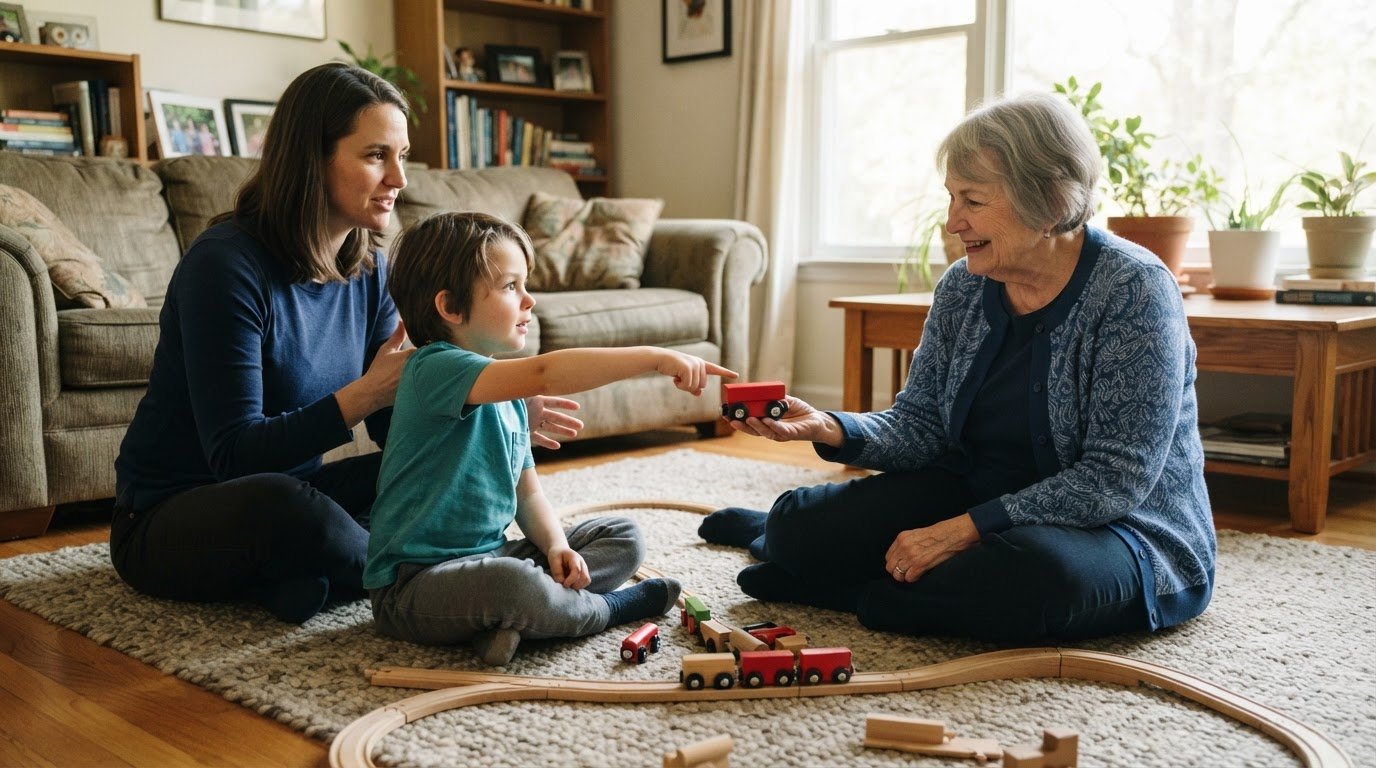
For a child who finds new settings difficult, practicing at home can connect therapy goals with familiar materials and routines. A session might build communication during snack preparation or support turn-taking during a favorite game.
Age and Diagnosis Considerations
Home ABA programs described here serve children with autism. There is no single age range stated for every Apex-area provider, so age eligibility is specific to each program. Treatment goals should reflect the child’s communication, learning, and daily living needs, rather than rely on a one-size-fits-all schedule.
ABA Therapy Costs and Patient Responsibility
Insurance coverage and a family’s out-of-pocket responsibility are related but distinct questions. Plan benefits, authorization requirements, and cost-sharing terms shape what a family pays for covered care. The therapy schedule also matters: families should understand which planned hours are covered and what responsibility applies to delivered sessions.
A national patient-responsibility figure wouldn’t tell an Apex family what their own plan covers. A useful next step is to review plan benefits and authorization details alongside the proposed treatment plan. Divergent Minds ABA assists families with benefits verification.
Safety and Service Quality
Quality starts with goals that are individualized, practical, and respectful of the child. Families can look for clear explanations of session activities, regular communication about progress, and a plan for practicing skills without disrupting essential home routines. Safety planning should account for the child’s needs and the home environment.
Caregivers should understand how a therapist responds when a child becomes distressed and how the team tracks progress toward goals. These conversations help families understand the approach and participate consistently in therapy at home.
Does insurance cover ABA therapy in Apex?
Coverage for ABA therapy in Apex depends on the plan, eligibility, and clinical requirements. North Carolina Medicaid and private insurance follow different coverage rules, so identifying the plan type is the first step.
Medicaid and Private-Pay Options
NC Medicaid covers medically necessary ABA therapy at any age, with no dollar cap. Children under 21 on NC Medicaid pay no copay for ABA therapy. For children under 3, NC Medicaid accepts a provisional autism diagnosis, with a final diagnosis required within six months.
Private-pay arrangements are another way families may fund care when insurance does not cover a service or the family chooses that route. The amount depends on the care arrangement and is provided after a quote request. Families can compare coverage details with the treatment plan to understand which services insurance may apply to and which may require another payment approach.
Plans and Coverage Requirements
North Carolina’s autism coverage law, N.C. Gen. Stat. § 58-3-192, applies to most large-employer, fully insured plans, but not self-funded employer plans. North Carolina health benefit plans may cap adaptive behavior treatment coverage at $40,000 per year and limit it to individuals 18 years of age or younger, according to the North Carolina General Assembly.
That distinction matters: a plan’s employer funding structure can affect which state coverage rules apply. The plan’s terms also determine how it handles in-home services, clinical documentation, and prior authorization. Reviewing the insurer’s benefit materials helps identify those requirements before treatment begins.
Insurance verification connects a child’s treatment plan with the policy’s coverage terms. A useful review identifies the covered ABA service, eligibility criteria, authorization steps, and any cost-sharing the family may owe. For example, a plan may distinguish between the clinically recommended therapy and the hours it authorizes. Keeping those details together helps families understand the path from assessment to approved sessions.
Evidence-based behavior analysis uses individualized goals to build communication, independence, and other functional skills. Coverage review doesn’t determine which techniques suit a child: clinical assessment informs treatment planning, while the insurer applies its own benefit rules. Those are related but separate decisions.
For a practical discussion of how coverage questions relate to a child’s care plan, reach out to discuss your family’s ABA needs.
Assessment and personalized treatment planning
A useful ABA assessment connects a child’s strengths and support needs with practical goals. In North Carolina, the assessment and observations help determine the recommended frequency and length of services, rather than starting with a fixed schedule.
The process begins with learning how the child communicates, plays, follows routines, and responds to everyday situations. An assessment may include caregiver discussions and direct observations, such as watching how a child requests a preferred toy or moves between activities. These details help distinguish skills the child already uses from those that need more support.
Family priorities are essential to a personalized treatment plan. One family may focus on communication during meals, while another may want support with dressing or transitions between activities. The plan should describe observable goals, the teaching approaches used, and how progress will be reviewed. Clear goals make it easier to connect clinical work with meaningful moments at home.
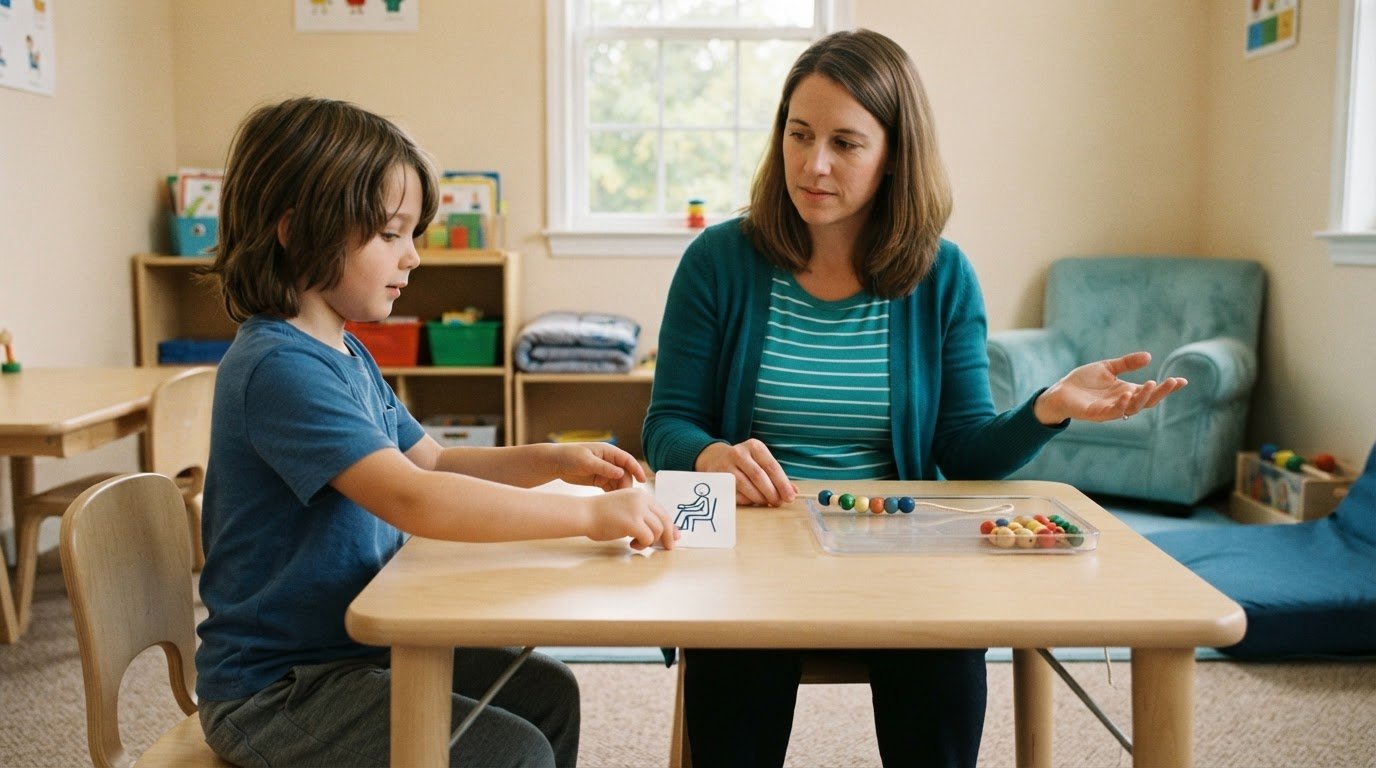
A Board Certified Behavior Analyst, or BCBA, can use assessment findings to develop and oversee the treatment plan. Matching the clinical approach to the child involves considering learning preferences, communication needs, family routines, and the home setting. For example, a child who learns through visual cues may benefit from picture prompts during a morning routine. The plan should explain how a strategy supports a goal, rather than apply techniques without a clear purpose.
Assessment also helps determine whether goals are achievable in the proposed setting. If the priority is asking for help during play, the team can observe how the child currently communicates and identify opportunities to practice. If the goal involves daily living, the plan can break a routine into manageable steps, such as gathering clothing and getting dressed. These examples give the team practical ways to teach and measure skills.
Medicaid coverage and treatment planning are connected through clinical documentation. A written plan can describe assessment findings, proposed goals, and recommended service frequency. That information helps explain why specific supports are included. Coverage requirements remain separate from clinical decisions, so the plan should describe treatment needs clearly without assuming an insurer will authorize every recommended service.
Plans should respond to progress. The team can review observations and recorded performance, then adjust teaching strategies or goals when the child’s needs change. For instance, once a child reliably requests a toy with a picture cue, the next step might involve using that communication during another routine. This keeps treatment personalized and focused on building independence through meaningful activities.
Families contribute valuable context throughout assessment and planning. Sharing examples of successful routines, difficult transitions, and motivating activities helps the BCBA shape relevant goals. A collaborative treatment plan brings those observations together with clinical assessment, giving caregivers and the therapy team a shared direction for supporting the child.
Family-centered care and caregiver training
Family participation connects applied behavior analysis with the child’s everyday life. Caregivers can share what works, observe strategies, and practice agreed skills within familiar routines.
Caregiver Training and Participation
Divergent Minds ABA emphasizes involving family members and caregivers in developing and implementing ABA plans, providing ongoing training and coaching. This collaboration can help align therapy goals with family priorities and daily routines. For example, caregivers might describe which transitions feel difficult, then discuss how the plan addresses them.
Observation gives caregivers a clear view of how a strategy is introduced. A therapist might model a prompt, explain its purpose, and invite the caregiver to try it during a routine. Feedback can clarify when to offer support, how to respond to the child’s communication, and when to allow time for an independent response.
Coordination matters when more than one caregiver supports the child. Parents, relatives, or other regular caregivers can use consistent language around a skill, such as asking for a break or waiting for a turn. The goal isn’t to make every interaction feel like a formal therapy session. It’s to help caregivers understand the child’s individualized plan and use its strategies naturally.
Caregiver input also helps the team interpret progress. A child may communicate differently during play with a sibling than during a therapist-led activity. Sharing those observations can help the team understand where a skill is emerging and what support may be useful next. Questions about a strategy are part of collaboration, especially when a technique feels difficult to use in a busy household.
Practicing Skills at Home
Familiar settings create natural opportunities to practice skills in context. When families access home ABA services Apex NC, therapists help support daily living skills and learning through play in a relaxed setting. A routine such as putting away a game can offer chances to practice following directions, requesting help, or completing steps.
Small, natural opportunities can support positive participation without adding a separate lesson to every routine. During play, a caregiver might pause briefly to give the child time to request a preferred item. During a familiar household activity, the child can practice a goal already identified in the treatment plan. The approach should reflect the child’s needs and agreed-upon clinical goals.
Home practice also makes it possible to notice what helps a skill carry over. Caregivers can share whether a visual cue, verbal reminder, or change in routine supported the child. That information gives the team concrete examples to discuss, rather than relying only on what happened during a session.
Progress may be gradual: a child may first complete part of a routine with support, then take on more steps over time. Caregiver coaching helps families recognize those changes and respond consistently, while keeping the focus on practical skills, connection, and growing independence.
Home-based ABA in a child’s natural environment
A child’s home offers a different learning context from a clinic or school. For children with autism, home-based ABA can avoid the need to travel to a new environment for therapy. Parents and clinicians can focus on goals within familiar spaces, routines, and materials.
That familiarity makes it possible to observe how skills fit into everyday life. A therapist might see how a child moves from one room to another, responds to a household sound, or approaches a familiar activity. These observations add context that may not appear during a pediatric appointment or structured session elsewhere.
Home sessions can connect treatment goals with real situations. If a goal involves preparing to leave for school, the team can consider the steps near the door, such as finding a backpack or putting on shoes. If a child needs support with transitions, the home routine can show which changes are difficult and what cues help.
The setting also matters to parents. A familiar room may make it easier for a child to engage with a therapist, while household distractions can affect attention. The therapist and family can identify a practical space for sessions, decide which materials are useful, and consider how siblings or everyday sounds affect participation.
Practicing in natural environments doesn’t mean every home activity becomes therapy. It means the team can choose meaningful moments that match the child’s treatment goals. For example, a child might practice moving from a preferred activity to the next planned activity, using support described in the plan. The family can then share how that strategy fits their routine.
Home and school are different settings, each with distinct expectations. A skill used during a quiet home routine may need separate support in a busy classroom. Parents can describe what they see at home, while the treatment team uses those details to understand where a skill is emerging and what to address next.
The clearest takeaway is that home-based care is most useful when the home context supports the child’s individualized goals. A familiar setting can reduce the need to travel and make relevant routines visible, but goals and session activities still need to fit the child. This balance keeps therapy purposeful rather than turning ordinary family time into a checklist.
Explore how home-based ABA therapy can connect treatment goals with your child’s everyday environment.
Divergent Minds ABA: Home Based ABA Therapy
Divergent Minds ABA provides personalized, evidence-based ABA therapy for children with autism, including Home-Based ABA Therapy. Home sessions connect treatment goals with familiar routines, while Clinic-Based ABA Therapy and Community-Based ABA Therapy offer other settings. Social Skills Groups provide another way for children to practice interaction with peers.
Families can turn to Divergent Minds ABA when they’re ready to discuss goals such as communication, daily living skills, confidence, or independence. Treatment planning is individualized, with family priorities helping guide the work and progress.
To discuss your child’s needs and contact Divergent Minds ABA, reach out to the team.
Take the Next Step at Your Family’s Pace
Move from gathering information to identifying what would make daily life more manageable for your child. Before a conversation, consider one routine where support could help, what your child enjoys, and which questions still feel important. These details offer a clear starting point without requiring you to have every decision settled.
Families exploring home ABA services in Apex, NC can contact Divergent Minds ABA to describe their child’s priorities and discuss suitable support. The goal is to keep the next step centered on your child’s needs and your family’s perspective, without pressure to move faster than you’re ready.
Divergent Minds ABA is available to discuss your family’s goals and questions. Contact Divergent Minds ABA to begin a thoughtful conversation about support for your child. Each meaningful step starts with understanding what matters to your family, and your child’s growth can begin there.
Frequently Asked Questions
Do you only serve Apex, NC?
Divergent Minds ABA proudly provides home ABA services Apex NC families trust, while also serving neighboring communities like Cary and Raleigh. Its local focus extends across the Triangle area. Families can discuss whether home, clinic, or community-based ABA best fits their child’s goals and routines. The starting point is the child’s needs and the family’s priorities, not simply the city where they live.
How do I get started?
Begin by contacting Divergent Minds ABA to discuss your child’s needs and your family’s goals. It can help to describe a few situations where support would be useful, such as communication during play or following a daily routine. You can also discuss insurance benefits verification and the setting that may suit your child. That conversation helps clarify next steps without requiring you to have every detail settled.
Does my child need an autism diagnosis for ABA in Apex?
Divergent Minds ABA provides ABA therapy for children with autism, not autism diagnostic evaluations. For NC Medicaid, a child under 3 may receive coverage with a provisional autism diagnosis, with a final diagnosis required within six months. Diagnosis and coverage requirements depend on the applicable plan or program. Families can discuss how the child’s existing documentation relates to treatment planning and insurance review.
What does in-home ABA therapy cost near Apex, NC, without insurance?
The cost depends on the recommended care and payment arrangement. Without insurance, the amount can depend on the treatment plan, session schedule, and services included. Those details affect the overall cost, so a general industry figure wouldn’t establish what a family would pay. Discussing the proposed care and payment arrangement gives families a clearer basis for planning.
How many hours of home ABA therapy do Apex providers typically recommend?
Most children receive 10 to 40 hours of ABA therapy per week. The recommended schedule depends on assessment findings, the child’s goals, and observations of their needs across relevant routines. Hours are not a substitute for an individualized plan: for example, support focused on communication may require a different schedule from goals involving several daily activities. The treatment plan guides the recommendation.
How do families start in-home ABA services in Apex, including assessments and referrals?
Families can start by sharing their child’s goals and asking how intake, assessment, and insurance review fit together. Assessment and observations inform the recommended treatment plan and service schedule. Referral and prior-authorization requirements depend on the insurance plan, so include those questions when discussing benefits verification. This helps clarify which documents or approvals apply before services begin, without assuming every plan follows the same steps.
How do ABA providers serving Apex compare on credentials, staff qualifications, and parent training?
Look for clarity about who develops and oversees a child’s treatment plan, who delivers sessions, and how caregivers participate. Divergent Minds ABA is a BCBA Owned & Operated practice, works closely with families, and offers Parent Coaching. Ask how caregiver coaching connects with treatment goals and how progress is shared. These details help families understand the clinical structure and their role in supporting consistent care.