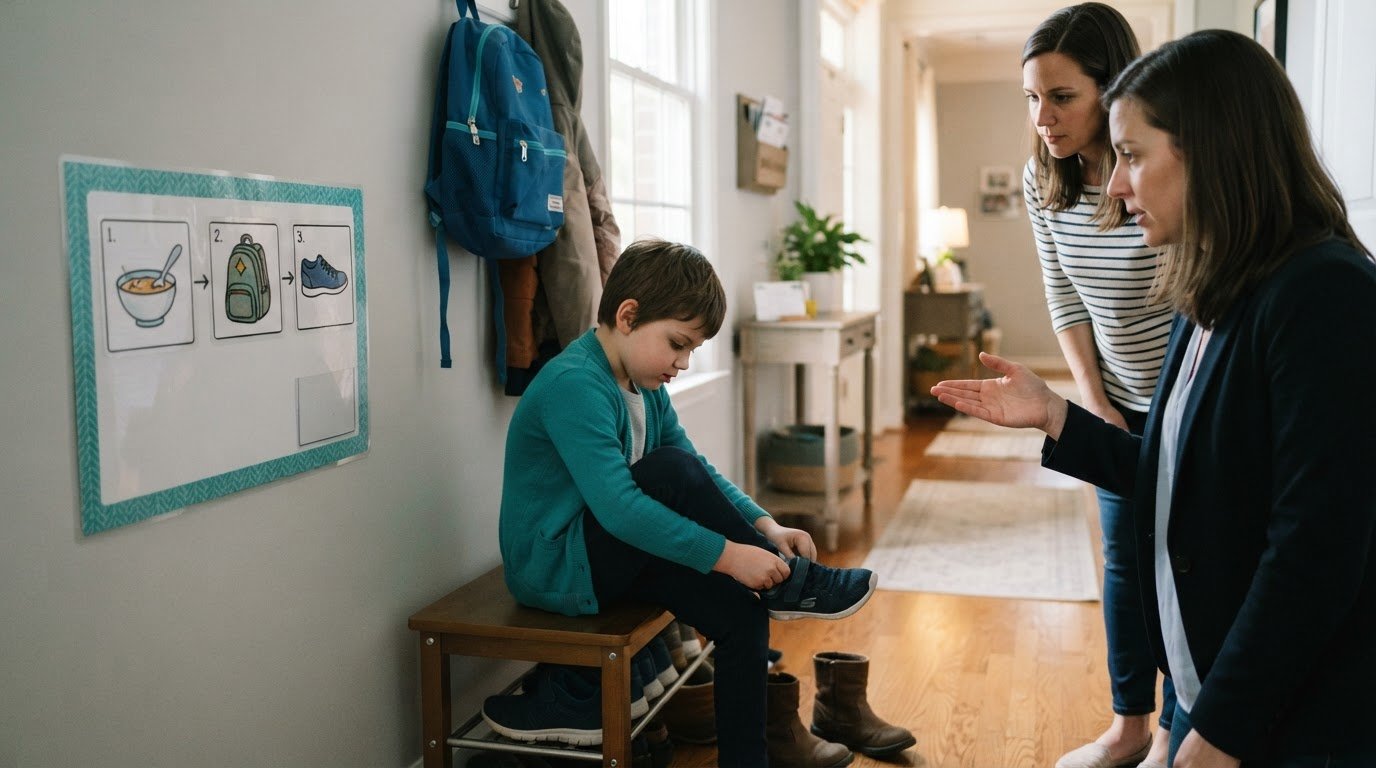

A five-year-old’s ABA plan should be shaped around the child, not a preset number of hours. ABA therapy for a 5-year-old in Cary can focus on practical goals such as communication, independence, social interaction, and everyday routines, with treatment tailored to the child’s strengths and support needs.
It’s understandable to want a clear picture of what therapy might involve and how much time it could take. Program hours aren’t a one-size-fits-all formula; planning considers the child’s goals, the skills being developed, and how therapy can fit into family life. Progress and changing needs also inform how the plan is shaped over time.
This guide explains how ABA therapy may support a young child, the service settings available to families in Cary, and how individualized programs and schedules are planned. You’ll also learn what family involvement can look like and how clinic, home, community, social skills, and parent coaching options can support different goals. The aim is to make the next steps clearer while keeping the focus on your child’s development and a plan that respects their individuality.
ABA therapy and autism services offered in Cary
For a five-year-old, ABA services can support communication, social interaction, daily living, and independence through individualized goals. The setting and treatment plan should reflect the child’s needs, the skills being practiced, and where those skills matter in everyday life.
Communication and Daily Living Skills
Communication goals may include requesting help, answering simple questions, or expressing a choice with words or another communication method. Daily living goals can address dressing, handwashing, following routines, and moving between activities. Look for individualized targets tied to specific situations, such as asking for help during snack time, rather than goals that describe behavior without identifying the useful skill being developed.
Social, Independence, and School-Readiness Skills
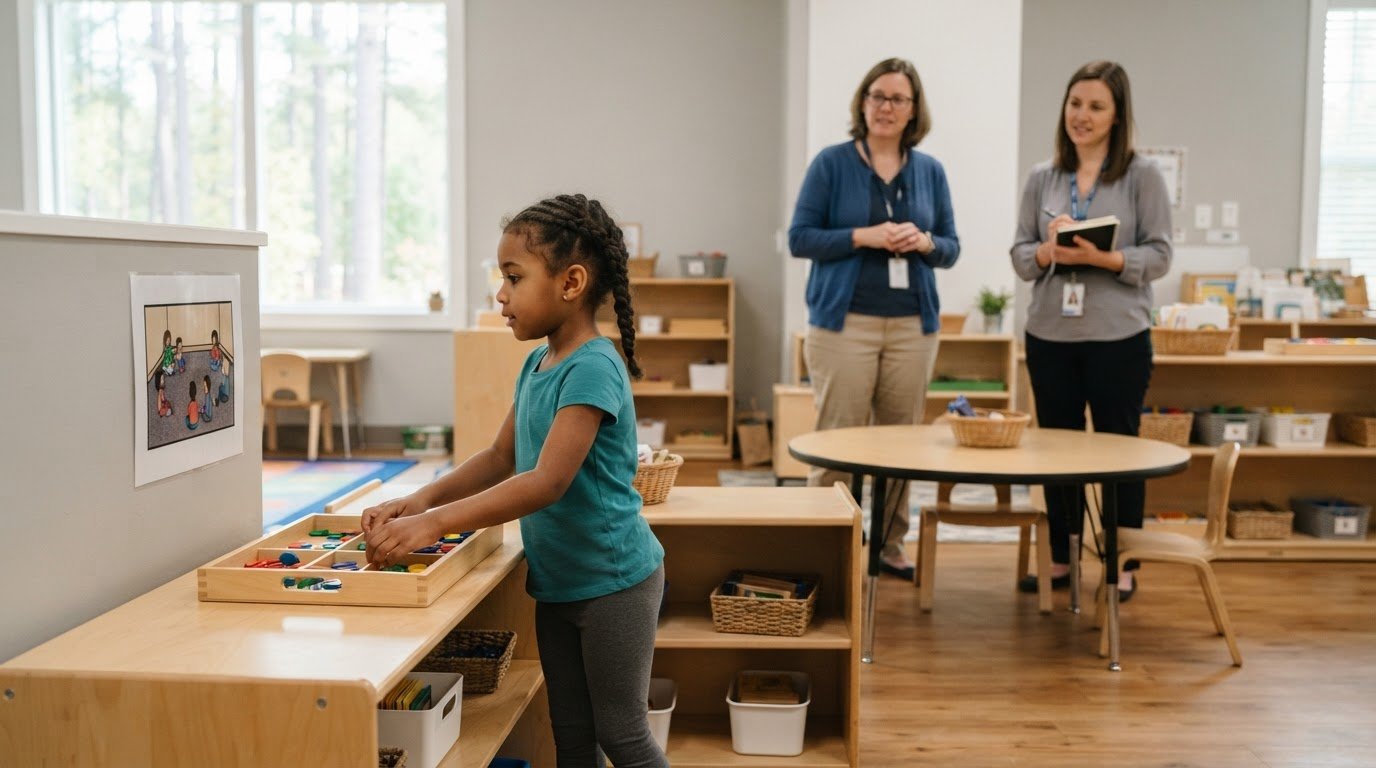
Social goals can include taking turns, joining play, and responding to a peer. Independence may involve putting away toys or completing a familiar routine with less prompting. School-readiness skills can include following classroom directions, waiting briefly, and transitioning between activities. In North Carolina, a BCBA holds a graduate-level credential authorizing assessment, treatment planning, and supervision. Ask how the BCBA guides the child’s individualized goals.
Ethical care respects a child’s dignity, uses meaningful goals, and adjusts teaching when a strategy causes distress or fails to help. Parents can look for clear explanations, opportunities to share priorities, and progress discussions grounded in the child’s everyday skills.
In-Home, School, and Community Services
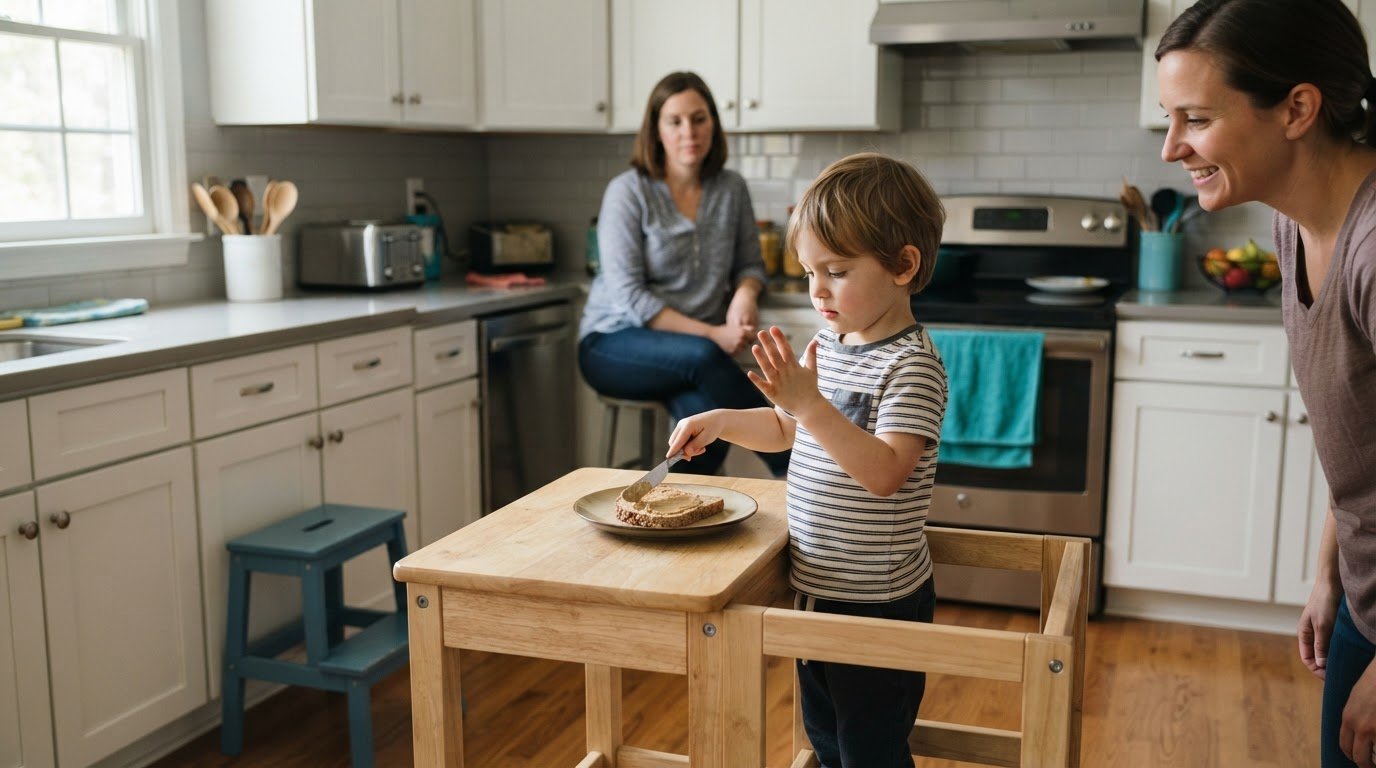
Home-based sessions can practice communication and daily routines where they naturally happen, such as requesting a favorite toy or putting on shoes. Community-based sessions can work on skills in places such as a playground or library. School-based support takes place in the learning environment, where goals may involve classroom routines. For Cary families, the best setting depends on the child’s goals and where practice is most useful.
Wait times for ABA providers in Cary vary with provider capacity, the requested setting, and scheduling needs. A practical next step is to discuss your child’s goals and preferred setting with Divergent Minds ABA, then learn how its intake and scheduling process works.
Comparing ABA Service Settings
Clinic-based therapy offers a dedicated setting for structured practice, while in-home therapy connects learning with family routines. School-based services focus on the classroom, and community sessions apply skills in everyday public settings. Compare settings by matching your child’s goals to where each skill needs to work, then consider family routines and coordination with school.
Insurance plans differ. According to the North Carolina General Assembly, insurance coverage for ABA therapy in Cary is up to $40,000 per year for children under age 19; coverage under a specific Medicaid or private plan depends on that plan’s benefits and requirements.
Program hours and individualized treatment intensity
A useful treatment plan starts with the child’s needs, not a preset weekly schedule. For a five-year-old, program hours and intensity are shaped by current skills, priority goals, daily routines, and how the child responds to teaching. An individualized plan connects each session to meaningful outcomes, such as requesting help, following a morning routine, or joining shared play.
Assessment helps identify what a child can do independently, where support is useful, and what may make learning harder. A treatment plan can then organize goals into practical steps. For example, a broad goal like “communicate more” becomes clearer when it identifies a situation, such as asking for a preferred activity, and the communication response the child is learning to use.
Hours are considered alongside the child’s capacity to participate and the family’s schedule. A plan might balance focused learning with play, transitions, and time to practice skills in natural routines. The surrounding day matters too: preschool, meals, rest, appointments, and family activities can affect when sessions are workable. Intensity should support learning without making the schedule difficult to sustain.
Families can help shape priorities by describing what happens at home and school. A parent might share that getting dressed involves repeated prompts, or that the child has difficulty communicating a need during play. These examples connect treatment goals with real situations. As skills develop, the team can review progress and adjust teaching strategies or goals based on observed responses.
Ask how the provider will assess your child, which goals will come first, and how each goal connects to daily life. Also ask how program hours are selected, how progress is recorded, and when the treatment plan is reviewed. A clear answer should explain what the team will teach, how families can contribute, and what information will guide changes.
- Goals: What skill will my child practice, and in which everyday situations?
- Hours: Which needs and scheduling factors shape the proposed weekly plan?
- Progress: What observations show whether a strategy is helping?
- Family input: How can parent priorities and home routines inform planning?
Individualized ABA therapy in Cary should keep the child’s experience central. If a child becomes frustrated during a task, the team can examine the task, communication demands, and teaching approach rather than treating participation as the only measure of progress. Families seeking a discussion about goals and scheduling can talk through an individualized treatment plan.
ABA therapy for children with autism in Cary
For families considering ABA therapy for a 5-year-old in Cary, the key question is whether individualized goals address skills that matter in the child’s daily life. Consider whether support could help with communication, play, routines, or participation in familiar activities, and whether the child responds comfortably to the teaching approach.
An autism diagnosis and school eligibility are related but distinct. A school district evaluation helps determine eligibility for special education and a disability category; it typically doesn’t serve as a formal diagnosis for ABA access. Families can share relevant evaluations and describe the child’s needs, such as difficulty expressing choices or transitioning between activities, during treatment planning.
Early support can focus on current developmental needs rather than waiting for a child to master one skill before addressing another. For example, a plan may teach a child to request a break while also practicing a simple play routine. Applied behavior analysis uses observation of behavior and learning to guide teaching, with goals adapted to the child’s communication, interests, and setting.
To judge fit, look at whether proposed goals connect to real routines and respect the child’s preferences. A certified behavior analyst can assess skills and help shape an individualized treatment plan. For a family exploring ABA therapy for a 5-year-old in Cary, a useful starting point is discussing how goals reflect the child’s strengths and everyday needs. If a child leaves a group activity, the team can examine what happened before and after, then teach a useful response such as asking for help or a pause.
The setting also matters. A clinic may allow practice with planned activities, while home or community sessions can connect goals with familiar routines. A five-year-old learning to ask for a snack may benefit from practicing that communication where snack time takes place. The goal is useful skill-building, not simply completing tasks on command.
Families can bring concrete examples to an assessment: what the child enjoys, which routines are difficult, and how they communicate their needs. Those details help the team select relevant activities and explain how progress will be observed. If a strategy leads to distress or does not support the goal, the treatment approach should be reviewed with the child’s comfort and dignity in mind.
- Describe: Share examples from play, meals, transitions, and daily routines.
- Prioritize: Identify skills that would make communication or participation more accessible.
- Review: Discuss how goals fit the child’s needs and how teaching can adapt across settings.
Center-based ABA therapy for children ages 18 months to 8 years
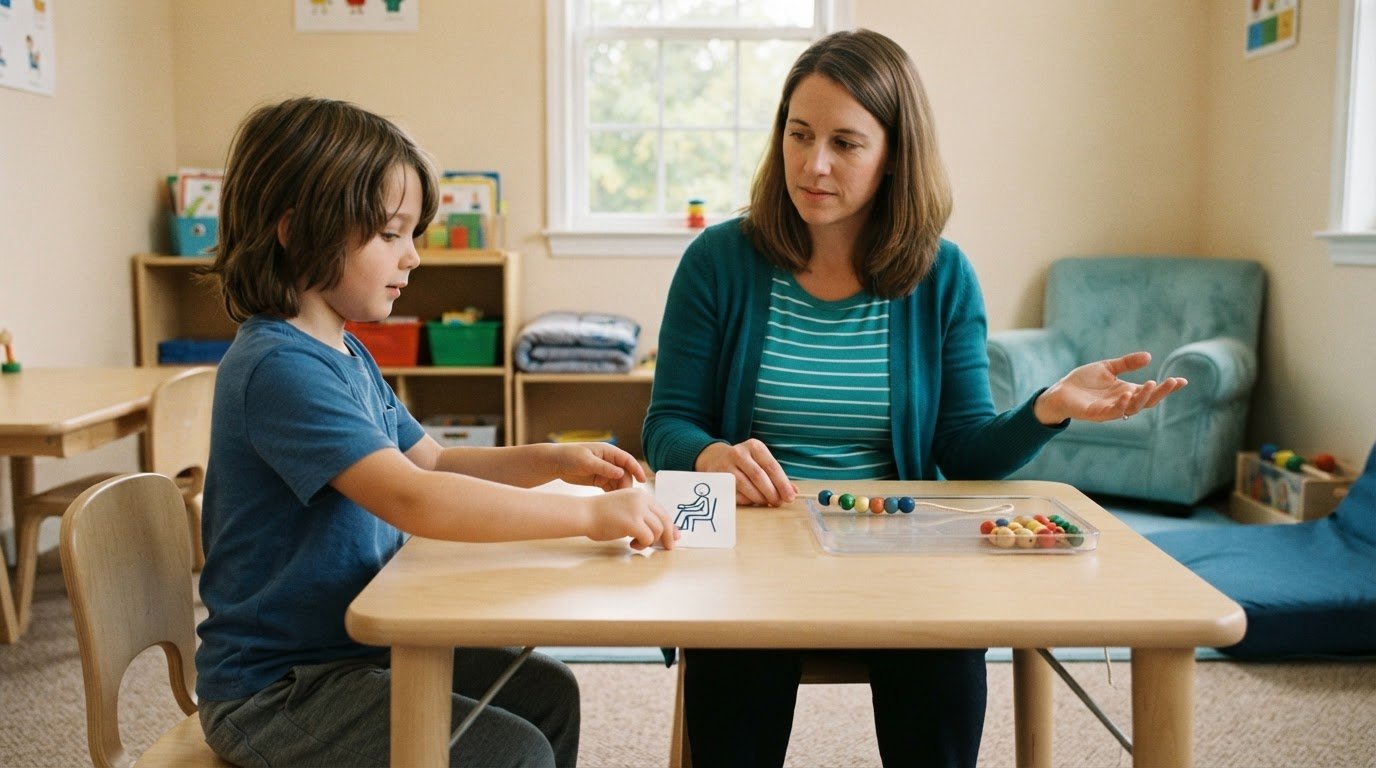
A clinic gives children a dedicated place to practice skills outside home routines. For a five-year-old, sessions might include play-based teaching, communication practice, transitions between activities, and opportunities to interact with others. The treatment plan should explain how each activity connects to an individual goal, rather than treating attendance or task completion as the outcome.
Learning in a clinic can make it possible to practice a skill in more than one way. A child might learn to request a toy during a planned activity, then practice requesting a different item later. Clinical observation helps the team see which prompts support learning and when to adjust the task. The child’s interests, communication, sensory preferences, and comfort should inform how activities are presented.
Clinic-based and in-home therapy offer different contexts. A clinic provides a separate setting for planned practice, while home sessions can build skills within familiar routines, such as putting away shoes or asking for help at snack time. The best fit depends on the child’s goals and where those skills need to be used. A clinic-based ABA program can be considered when structured practice in a dedicated setting aligns with those goals.
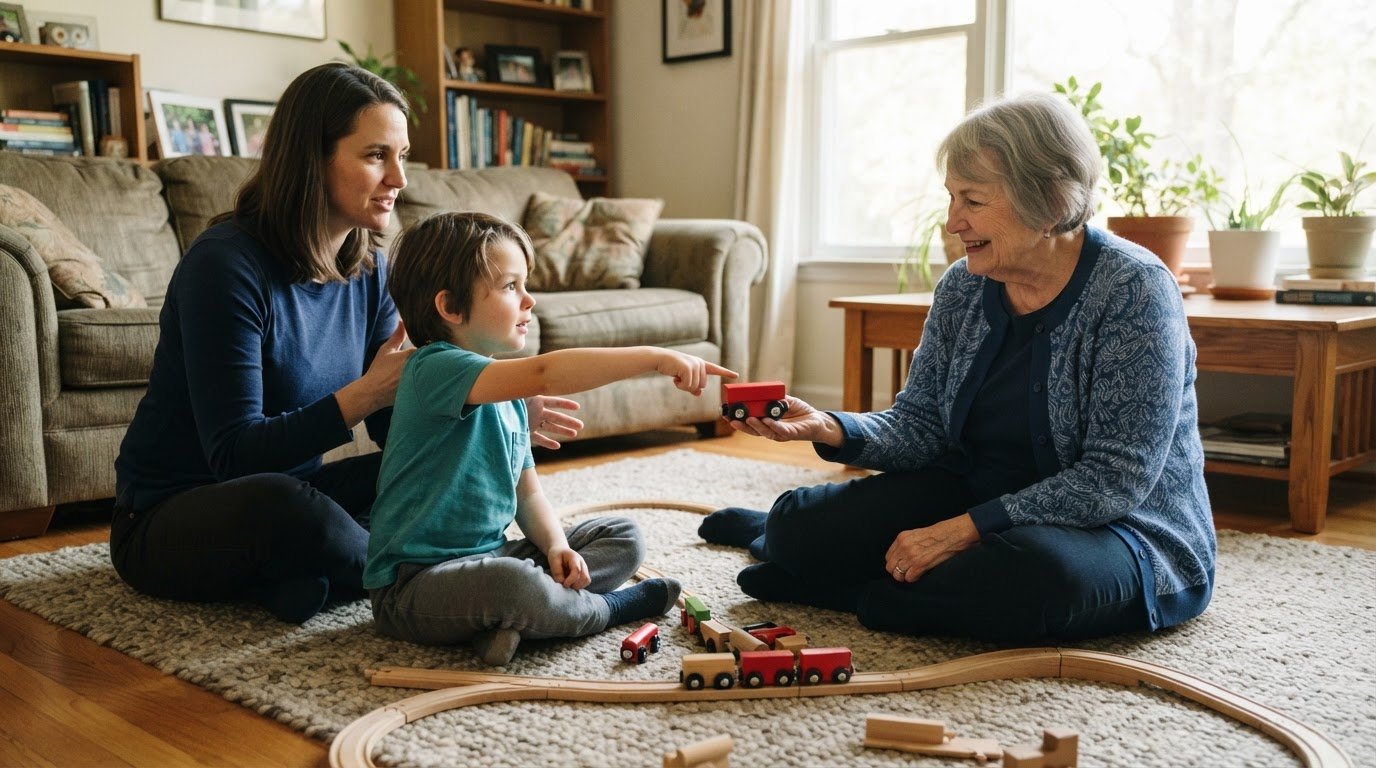
Learning-center-based therapy should still connect with the child’s everyday life. Families and the caregiver can share examples from meals, play, or preschool routines, helping the team identify useful practice opportunities. If a child learns to wait for a turn during a center activity, the team can plan how to support that skill during play with a sibling or peer. Coordination helps prevent a skill from staying tied to one room or activity.
Before starting, clarify how sessions relate to the treatment plan, how caregivers receive updates, and how progress is reviewed. Ask what a typical learning activity looks like for your child, how the team responds when an activity is difficult, and how goals can be practiced beyond the clinic. These details show whether the clinical approach respects the child’s pace while keeping learning connected to communication, independence, and participation.
For children in this age range, a clinic setting may suit some goals, while home-based work may better match others. The choice can also change as the child develops or family routines shift. A thoughtful plan explains the purpose of each setting and how caregivers can support continuity between sessions, home, and the surrounding community.
Personalized and child-led therapy
Personalized care begins with the child, not a standard lesson sequence. For a five-year-old, a therapist might use a favorite puzzle to practice requesting a missing piece, then follow the child’s interest into another activity. The treatment goal stays clear, while the materials, pace, and communication support reflect what helps that child participate.
Child-led doesn’t mean therapy has no structure. It means the child’s choices, interests, and responses help shape how a skill is taught. If a child turns away from a task, the therapist can pause, offer a choice, or adjust the activity. That response provides useful information about comfort and engagement, not a reason to force participation.
A personalized plan should describe observable skills and meaningful reasons for teaching them. “Improve play” is broad; “take turns choosing a game with a familiar person” gives families a clearer picture. Goals can also account for the child’s communication style, sensory preferences, and routines. A family might prioritize asking for a break before addressing a less urgent task.
In North Carolina, families can ask how the board certified behavior analyst and registered behavior technician contribute to planning and sessions. Clarify who assesses skills, who develops goals, and how the team shares observations with caregivers. Ask how the child’s preferences influence activities and what the team changes if a teaching approach causes distress or stops supporting learning.
- Notice: Which toys, topics, or activities draw the child’s attention?
- Connect: How can those interests support a practical goal, such as requesting help?
- Adapt: What changes when the child needs a break or a different way to participate?
- Review: How do family observations and session notes inform the next treatment step?
These questions make therapy collaborative. A caregiver may notice that a child communicates more easily during outdoor play than at a table. Sharing that example can help the team choose a setting and activity that invite participation while still addressing the same communication goal. Progress can then be discussed through specific examples, such as a new request or a transition completed with less support.
For a conversation about goals that reflect your child’s interests and needs, discuss personalized ABA therapy.
Divergent Minds ABA
Divergent Minds ABA helps families turn questions about therapy goals, settings, and schedules into an individualized plan for their child. Services include Clinic-Based ABA Therapy, Home-Based ABA Therapy, and Community-Based ABA Therapy, as well as Social Skills Groups for children practicing interaction with peers. The team works with families to identify meaningful skills and support their development through evidence-based care.
If you’re considering ABA therapy in Cary, a conversation with Divergent Minds ABA can help you discuss your child’s needs, family priorities, and settings that may fit daily routines. You can also share examples of skills your child is developing or situations where additional support would be useful.
Contact Divergent Minds ABA to discuss your child’s therapy needs.
Take the next step at your child’s pace
Choosing ABA therapy for a five-year-old in Cary is an opportunity to begin with what matters in your child’s everyday life. A useful first conversation can focus on your child’s interests, family priorities, and the skills you hope to support. These details can help shape a plan that feels relevant to the routines and relationships your child already knows.
Divergent Minds ABA offers Clinic-Based ABA Therapy, Home-Based ABA Therapy, and Community-Based ABA Therapy. Each setting creates a different context for practicing skills, so start by considering what your family wants therapy to address. A conversation can help you explore those options while keeping your child’s individuality at the center.
Progress can begin with a small, practical goal: communicating a choice, taking part in a routine, or connecting with others through play. Those steps can give families a meaningful way to recognize growth and decide what to work toward next.
Start a conversation with Divergent Minds ABA about your child’s needs and next steps. Your family can move forward with care, clarity, and goals that reflect your child.
Frequently Asked Questions
How can ABA therapy help my child?
ABA therapy can support a child in building practical skills through individualized teaching and practice. For example, a therapist might help a child learn to ask for assistance while completing a puzzle, then practice that communication during another activity. Families can identify everyday situations that feel challenging and make those priorities part of the treatment plan. Progress can be discussed through specific examples of skills the child uses during sessions and routines.
Does ABA therapy work?
ABA therapy uses observation and structured teaching to support skills identified in a child’s treatment plan. Its value lies in goals that matter to the child and family, such as communicating a choice or participating in a familiar routine. Families can discuss how progress is recorded, what observations guide teaching, and how the team adjusts its approach when a strategy isn’t supporting the child’s learning.
Can I do a combination of center and in-home therapy?
Yes, clinic-based and home-based therapy can both be part of a child’s services. A clinic session might provide a setting for practicing a new skill, while a home session can focus on using it during a family routine. The treatment plan can connect goals across settings, so caregivers and the therapy team support consistent learning. Divergent Minds ABA offers both Clinic-Based ABA Therapy and Home-Based ABA Therapy.
How do I start services at the Cary clinic?
Contact Divergent Minds ABA to discuss Clinic-Based ABA Therapy and your child’s needs. It can help to share your child’s current strengths, situations where support would be useful, and any goals your family has in mind. The practice works with a variety of insurance providers and offers assistance with benefits verification, helping families understand insurance details as they consider next steps.
What ages do you serve?
Divergent Minds ABA provides ABA therapy for children with autism. A five-year-old is within the audience for its child-focused services. When discussing care, families can share the child’s communication style, daily routines, and current learning priorities. Those details help connect the child’s needs with an appropriate treatment plan, rather than relying on age alone to determine what support should address.
What are individualized goals in ABA therapy?
Individualized goals describe skills selected around a child’s needs and family priorities. For example, one child’s goal might focus on asking for a break during a busy activity, while another child practices following a familiar bedtime routine. A goal should make clear what skill is being developed and where it can be useful. Families can contribute examples from home, play, and other everyday situations.
What areas near Cary do you serve?
Divergent Minds ABA serves families in Cary, Apex, and Raleigh, as well as nearby communities including Morrisville and Holly Springs. Service options include Clinic-Based ABA Therapy, Home-Based ABA Therapy, and Community-Based ABA Therapy. Families can describe where support would be most useful, such as practicing communication at home or taking part in community activities. That context helps connect the child’s goals with an appropriate setting.
What is ABA therapy and how can it help a 5-year-old?
Applied Behavior Analysis, or ABA, is an approach that uses observation and individualized teaching to help children develop useful skills. For a five-year-old, goals might address communicating needs, taking part in play, or following a familiar routine. The teaching plan can use activities that engage the child and connect learning with daily life. Families help identify which skills would make a meaningful difference for their child.