
Enrollment in ABA therapy for life skills in Cary starts with understanding your child’s needs, completing an assessment, and shaping goals around everyday independence. Insurance coverage can also affect the process: according to the North Carolina General Assembly, coverage for adaptive behavior treatment under this section may be subject to a maximum benefit of up to $40,000 per year and may be limited to individuals 18 years of age or younger.
It’s understandable to want clear steps and a plan tailored to your child, not a preset schedule. An assessment helps identify meaningful goals and the level and setting of support that may suit your family.
This article explains what enrollment can involve, how clinic-based and in-home therapy differ, and how individualized goals and progress tracking guide care. You’ll also learn how skills can be practiced across settings and daily routines.
How does ABA therapy enrollment in Cary work for families?
Enrollment typically moves from reviewing payment options and benefits to completing an assessment and developing a treatment plan. For ABA therapy for life skills in Cary, the plan should connect your child’s strengths and support needs with practical goals, such as communicating a need or completing a daily routine.
Insurance rules are an important starting point. According to the North Carolina General Assembly, eligible children under age 19 in Cary can have ABA therapy covered up to $40,000 annually through health insurance. According to the North Carolina General Assembly, North Carolina health benefit plans may limit adaptive behavior treatment coverage to individuals 18 years old or younger and cap it at up to $40,000 per year.
Benefit verification is a practical early step. Reviewing a specific insurance plan can clarify whether ABA is covered, what age limits apply, whether adaptive behavior treatment has a benefit cap, and whether authorization is required. Coverage and authorization are different: a benefit summary describes the plan, while authorization is the insurer’s decision about a requested course of care. The treatment plan and supporting clinical information help explain the services requested.
Families can prepare for enrollment by gathering their child’s autism diagnosis documentation, insurance details, and relevant reports. School district evaluations typically help determine special-education eligibility, but do not typically provide the formal diagnosis most insurers require for ABA therapy. A board certified behavior analyst uses assessment and observation to understand current skills and priorities before developing an individualized treatment plan with suitable goals.
Medicaid is another possible coverage route. Medicaid funds ABA for children and adults in North Carolina, with no age cap. Its eligibility and coverage process differs from commercial insurance, so families should consider it separately when reviewing financial options. Private pay is another way to arrange services. The payment pathway depends on insurance benefits, Medicaid eligibility, authorization requirements, and the family’s chosen arrangement. Service costs depend on the individual care plan and are provided after a quote request.
Enrollment is clearer when families consider each step in sequence: identify the insurance or payment route, review coverage and authorization requirements, provide relevant clinical information, and complete an assessment to establish individualized goals. These steps connect funding decisions with a child’s daily life skills priorities.
Can I do a combination of center and in-home therapy?
In Cary, families can look for ABA providers that address life skills across clinic, home, and community settings. The right mix connects individualized goals with places where a child can practice those skills in everyday routines.
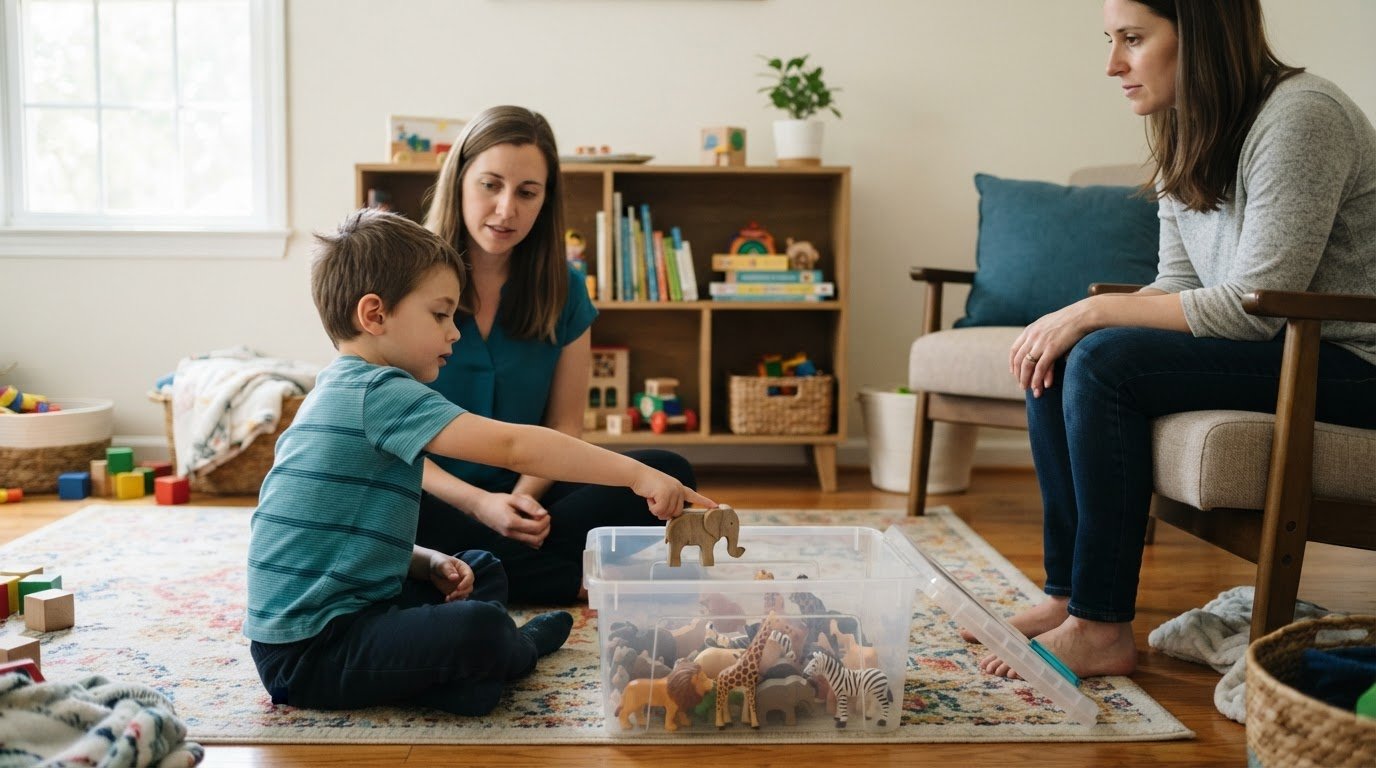
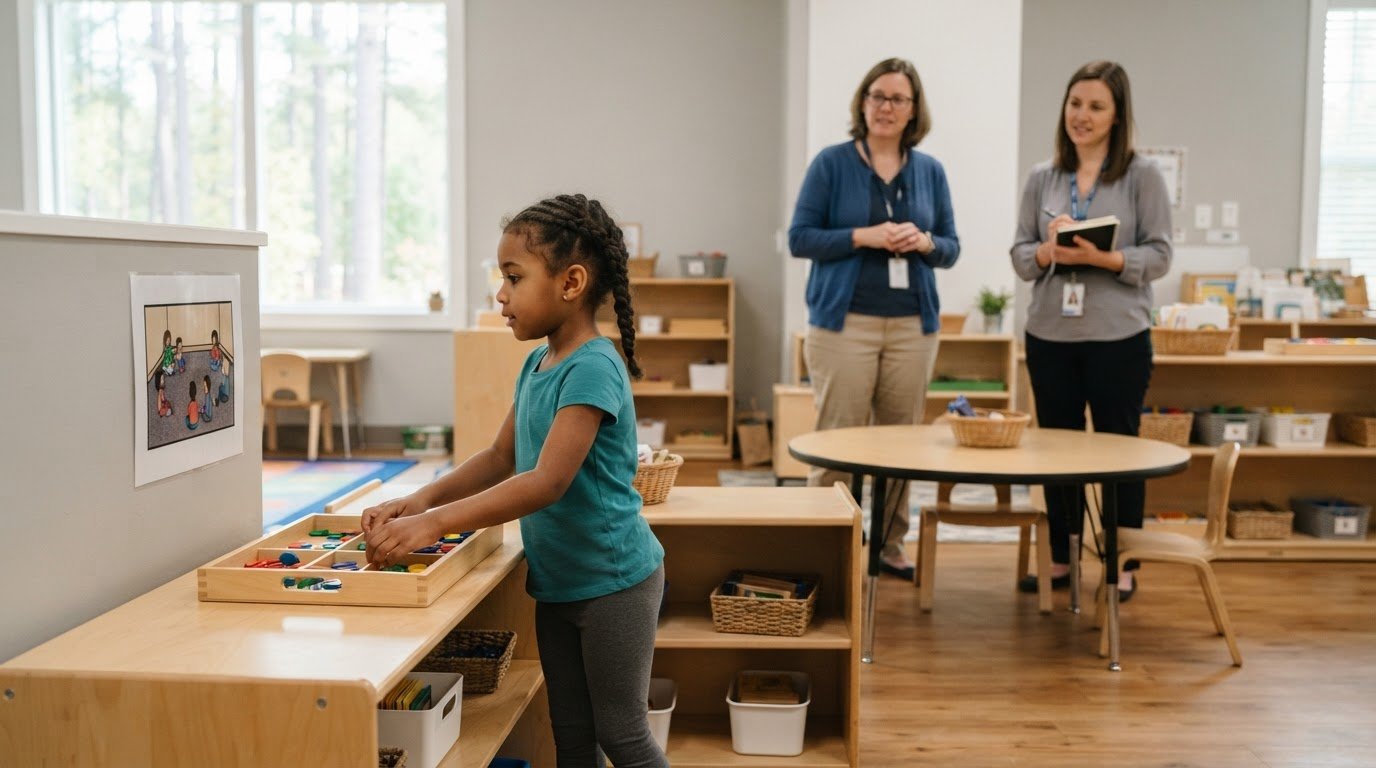
Yes, clinic-based and in-home therapy can complement each other when goals are coordinated. In a clinic, a child can practice following directions, choosing between activities, or taking turns in a structured learning space. At home, the same skills can be practiced during familiar routines, such as putting away toys or asking for help at mealtime. Practicing a skill in more than one setting helps the team observe how a child uses it in different situations.
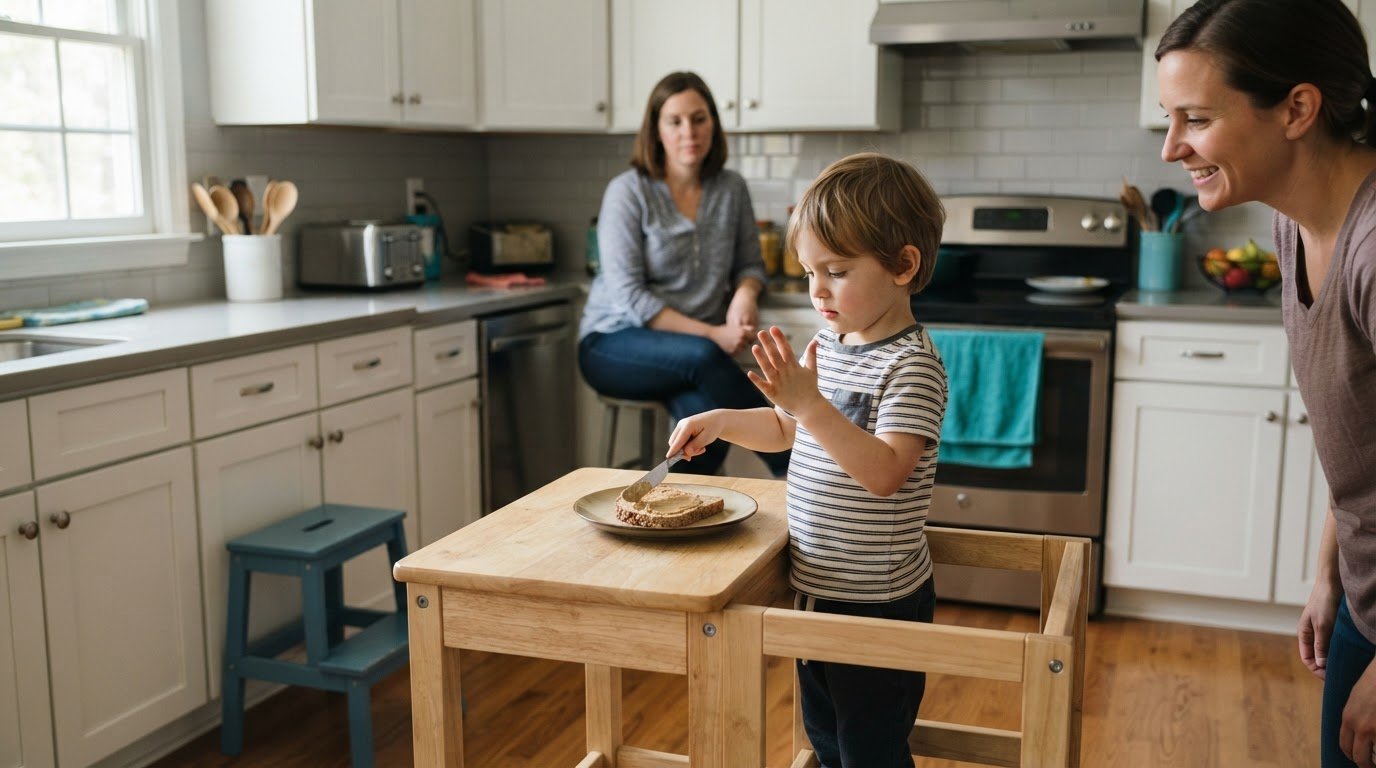
Home also offers opportunities to learn through play and practice daily living skills. For example, a therapist might build on a child’s interests during play, then support a related communication or self-care goal. A familiar setting can connect therapy activities with routines that matter to the family. Clinic sessions offer a different environment for practicing transitions, shared activities, and social interaction.
Community-based sessions can bring goals into places where children encounter everyday activities. A walk through a familiar public setting, for example, can create opportunities to practice staying with an adult, communicating a choice, or waiting during a transition. The treatment plan guides which skills are practiced and how progress is observed. Combining settings should support those goals, rather than add locations without a clear purpose.
- Clinic: Structured activities can support communication, play, and social practice with planned learning opportunities.
- Home: Familiar routines can support self-care, household participation, and learning through play.
- Community: Everyday outings can provide practice with transitions, choices, and participation in public routines.
- School or daycare: These settings can inform goals and offer natural routines for practice. Formal therapy there depends on access arrangements and coordination with the setting.
Children in North Carolina may benefit from goals that carry across settings, but each location serves a different purpose. A school routine could highlight independence with belongings, while home practice may focus on dressing or household steps. The team can use family priorities and observations to decide which settings support each treatment-plan goal. Consistent communication helps adults respond similarly as the child builds a skill.
To discuss how clinic, home, and community settings may support your child’s life skills goals, talk through setting options.
Communication and social skills
Communication and social interaction goals work best when they reflect a child’s daily experiences in Cary. Applied behavior analysis can break a broad aim, such as joining play, into observable actions: approaching a peer, making a request, and responding to a turn. A board certified behavior analyst can tailor targets to a child’s strengths, communication style, and priorities.
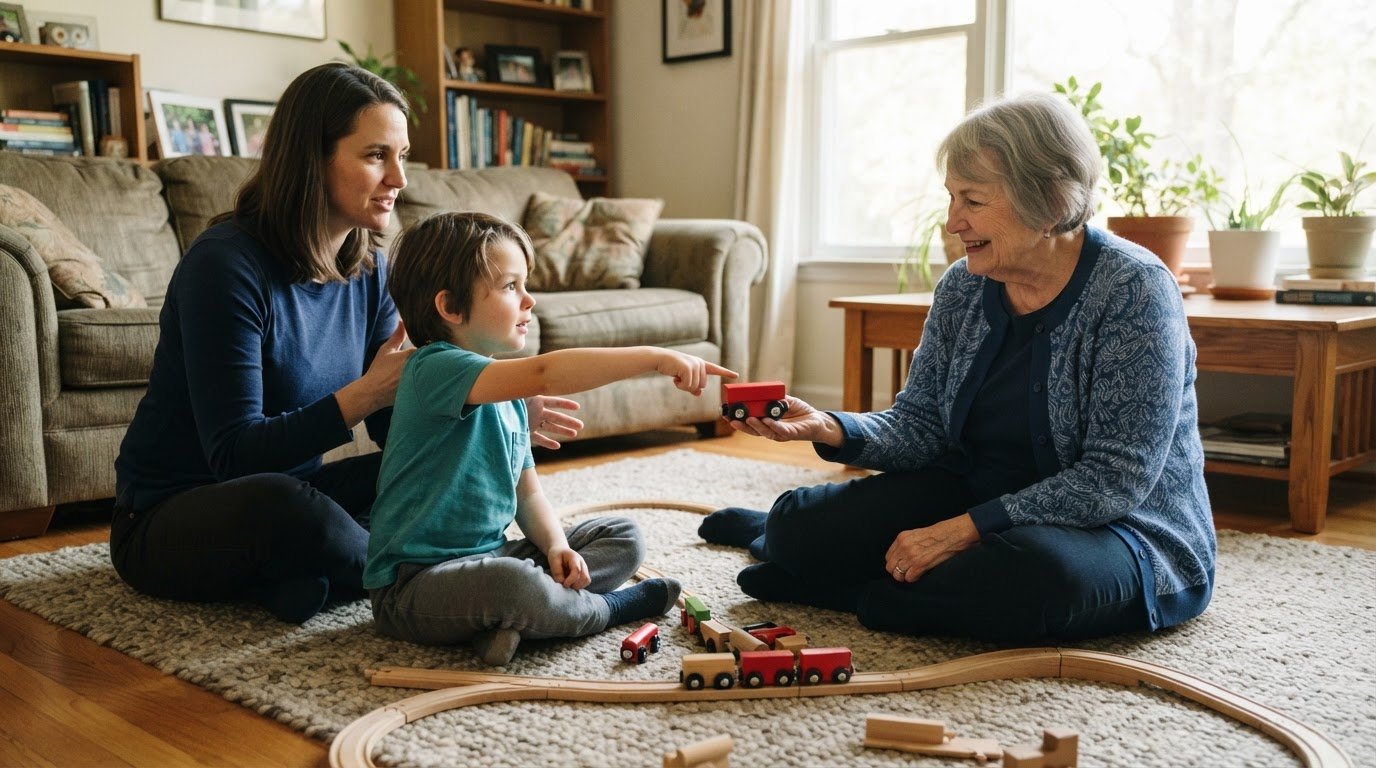
For example, one individualized ABA goal is increasing a child’s spoken requests for toys from five to 10 times a day. A similar goal might focus on using a gesture, picture, or communication device to request a preferred activity. The measure should capture useful communication, not simply count words. Practicing during play, snack routines, or shared activities gives the child meaningful reasons to communicate.
Social goals can address shared attention, turn-taking, and joining a game. A therapist might arrange a play activity, then support a child in asking to join or waiting for a peer’s response. Emotional regulation goals can involve recognizing feelings, communicating discomfort, or choosing a taught calming strategy. Progress is considered in context, including whether the skill appears with different people and activities.
- At home: A child can practice requesting help while dressing or completing a household routine.
- With peers: A structured play activity can create chances to share materials and take turns.
- At school: Goals can relate to communicating needs, participating in group activities, or managing transitions.
- For future independence: Communication and self-care skills can support later learning and participation, including eventual workplace routines.
School teams, occupational and speech-language therapists, medical professionals, and other providers may have useful observations about a child’s communication and behavior. Coordinating relevant information can help align ABA targets with school routines and daily life. This does not mean every setting delivers therapy; the treatment plan identifies the goals and where practice can happen.
Families around Cary, including the Carpenter area, may also consider how travel to a center fits with school, home, and community routines. A center offers a dedicated environment for planned interaction, while a familiar community setting can make it possible to practice skills during ordinary activities. The useful choice depends on the goal, such as practicing peer play in a group or communicating during a community outing. The location itself does not determine the treatment plan.
Communication and self-care goals can also support participation in school routines, such as asking for assistance or managing personal belongings. For children, workplace-related skills are generally future-oriented; current targets can build foundations like requesting help, following a routine, and interacting respectfully. Applied behavior analysis focuses on meaningful, observable skills that increase a child’s participation across everyday situations.
Assessment, individualized plans, and progress tracking
An assessment connects a child’s current skills, family priorities, and learning needs to an individualized treatment plan. In Cary, clear goals help the team choose interventions and review whether each skill supports daily life.
ABA life skills therapy differs from occupational therapy and independent living skills programs in its approach. ABA uses observation and measurable learning goals, while occupational therapy and independent living programs address daily participation through their own methods and scopes.
Programs serve children at different developmental stages. Early intervention is typically delivered to children ages 2-5, while appropriate goals depend on each child’s current skills and priorities.
A Board Certified Behavior Analyst (BCBA) holds a graduate-level credential authorizing assessment, treatment planning, and supervision. Registered Behavior Technicians implement daily therapy sessions under a BCBA’s direct supervision, so the BCBA guides the plan and oversees its delivery.
ABA has limitations if goals don’t reflect a child’s needs, preferences, or everyday routines. Families can discuss whether an intervention feels appropriate and whether a learned skill carries into real situations, such as using a communication strategy at home and school.
Individualized Goals and Skill-Building
Assessment and caregiver input help develop goals tied to useful routines, rather than a generic checklist. A plan might target identifying 10 new household objects by name, following handwashing steps in four out of five opportunities, or initiating peer play at least three times daily. Each target describes a skill the child can practice and the team can observe.
Families can share which routines matter most, such as dressing, meals, or play with siblings. This information helps tailor treatment and choose an intervention that fits the child’s strengths, communication, and learning priorities.
Progress Tracking
Progress tracking records how often or how independently a child demonstrates a skill. For a handwashing goal, the team can note which steps the child completes and whether prompts are needed. These observations reveal patterns over time, rather than relying only on a general impression of progress.
Reviewing data with caregivers helps the team decide whether to continue, adjust, or expand a goal. If a child completes a routine in therapy but not at home, the plan can address practice in that setting and measure whether the skill transfers.
For Cary-area families, collaborative planning can include caregivers’ observations and relevant information from school or other providers. A BCBA uses assessment findings to develop the treatment plan, while caregiver input connects learning goals with home and community routines.
Personalized, data-informed ABA therapy
Personalized ABA connects clinical observation with the skills a child and family value in daily life. In Cary, a useful plan shows how assessment findings shape teaching, how progress is reviewed, and how parent observations inform next steps. Data supports clinical decisions; it doesn’t replace the child’s preferences or the family’s priorities.
Individualization starts with meaningful context. A child who wants to get ready for school independently may work on selecting clothes, organizing a backpack, or following a morning routine. Another child may focus on expressing discomfort or asking for a change in an activity. The treatment plan should explain why each goal matters and how the intervention supports that specific skill.
Data makes teaching more responsive. A clinical team can record whether a child completes a step independently, needs a prompt, or benefits from a different teaching approach. If a child struggles to organize school materials, for example, the team can identify the difficult step and adjust instruction. Reviewing observations helps distinguish an emerging skill from one that needs a new strategy.
Family participation adds information that a session alone can’t capture. A parent may notice that a child manages a routine more successfully before school than after a tiring day. Sharing that pattern helps the team consider timing, environment, and support needs. Parent Coaching can also help caregivers use consistent strategies within family routines while keeping goals practical for the household.
Service recommendations should reflect an individual assessment, not a standard schedule. Divergent Minds ABA determines the weekly frequency and length of ABA services after assessment and observation of each person. A child’s learning needs, current skills, and treatment priorities inform that recommendation. Insurance plans determine coverage and authorization separately, so clinical planning and benefit review answer different questions.
A personalized plan also needs room to change. If a child learns to pack a backpack in a quiet setting but finds the school morning more difficult, the team can examine what differs between those situations. The next step might involve practicing the sequence with relevant materials or adjusting prompts. This links treatment data to a real routine instead of treating a recorded skill as the only measure of progress.
Look for a clear connection between assessment, goals, teaching strategies, and review. Ask how the team includes parent observations and explains changes to the treatment plan. That clarity helps families understand what the data means and how the next learning step was chosen.
To discuss an individualized approach for your child, connect with the care team.
Divergent Minds ABA: Social Skills Groups
Divergent Minds ABA helps families connect individualized life skills goals with ABA support across daily settings. Its Social Skills Groups offer a setting to build interaction skills, while clinic-based, home-based, and community-based ABA can support goals in other environments.
Families may consider these options when a child is working on communication, independence, or participating with peers. The next step is to discuss the skills that matter most, such as asking for help, taking turns, or following a familiar routine. That conversation connects family priorities with a suitable setting and treatment approach.
Care grows through collaboration, individualized goals, and attention to progress. To discuss ABA options for your child, contact Divergent Minds ABA.
Choose a next step that fits your family
Progress begins with goals that matter in your child’s everyday life. As you consider ABA therapy for life skills in Cary, think about which routines or interactions your family would most like to support. That priority can guide a focused conversation about care and the setting that may fit your child.
Divergent Minds ABA offers Clinic-Based ABA Therapy, Home-Based ABA Therapy, and Community-Based ABA Therapy. These settings can support skill-building in structured sessions, familiar routines, or everyday community activities. Sharing your child’s strengths, interests, and current challenges can help guide a discussion about individualized care.
You don’t need to have every goal mapped out before taking the next step. Start with one meaningful area of daily life, then explore how a thoughtful treatment plan could support learning and independence. Contact Divergent Minds ABA to discuss your child’s needs. With a clear starting point and a collaborative plan, your child can keep building skills at a pace that respects their individual journey.
Frequently Asked Questions
Is There Any Therapy For Autism?
Yes. Applied Behavior Analysis (ABA) is one therapy option for children with autism. It can focus on practical goals, such as communicating a need, participating in play, or completing a self-care routine. A family can discuss the child’s priorities and daily challenges with a qualified clinician to understand whether ABA goals may fit. ABA is not a cure for autism; its purpose is to teach skills through individualized support.
Are there any requirements to start ABA therapy services?
Starting typically involves clinical information about the child, an assessment, and a plan for payment or insurance benefits. The care team uses assessment findings and family input to identify relevant skills and goals. If insurance will be used, benefit review can clarify coverage and any authorization process. Families can also share helpful context, such as routines the child finds difficult, communication preferences, and skills they want to build.
Does ABA therapy work?
ABA therapy is designed to teach specific skills through individualized goals and structured practice. Its usefulness can be evaluated by tracking whether a child demonstrates a target skill, such as requesting help or completing a routine, and whether that skill appears in everyday situations. Progress information helps the team decide what to continue or adjust. Families can discuss how goals are selected and how observations shape the treatment plan.
How long are the typical therapy sessions?
Session length and weekly frequency are based on the child’s assessment and observed needs, rather than one schedule for every family. Autism Society of North Carolina recommends ABA service frequency and length after assessment and observation of each person. For example, a plan may consider the skills being taught, the child’s learning needs, and how practice fits daily routines. The treatment plan guides the recommended schedule.
What life skills can ABA therapy teach children and adults in Cary, NC?
ABA life skills goals can include communication, self-care, household learning, and social participation. Examples include following handwashing steps, identifying household objects by name, requesting a preferred toy, or initiating play with peers. Divergent Minds ABA provides therapy for children with autism, not adult ABA services. For a child in Cary, goals are shaped around current abilities and meaningful routines, rather than an age-based checklist.
Do Cary ABA clinics provide in-home, center-based, or community-based life skills therapy?
Yes. Divergent Minds ABA offers Clinic-Based ABA Therapy, Home-Based ABA Therapy, and Community-Based ABA Therapy for children with autism. A clinic setting can support structured learning activities; home sessions can connect goals with familiar routines; community sessions can support practice in everyday environments. The treatment plan helps determine which setting aligns with a child’s goals and family priorities. Divergent Minds ABA serves families in Cary, Apex, and Raleigh.
How much does ABA therapy for life skills cost in Cary, NC?
The price depends on the individual case and is provided after a quote request. Factors include the treatment plan, the services involved, and the amount of support recommended. Insurance benefits can also affect a family’s payment arrangements. Divergent Minds ABA accepts multiple insurance providers and assists with benefits verification, helping families understand how their plan relates to ABA care before making payment decisions.
Does North Carolina Medicaid or private insurance cover ABA life skills therapy?
Autism Society of North Carolina says Medicaid funds ABA for children and adults in North Carolina, with no age cap. According to the North Carolina General Assembly, health benefit plans may limit adaptive behavior treatment coverage to individuals 18 years old or younger and cap it at up to $40,000 per year. Private insurance benefits and authorization requirements depend on the plan, so benefit verification helps clarify coverage for a child’s treatment.