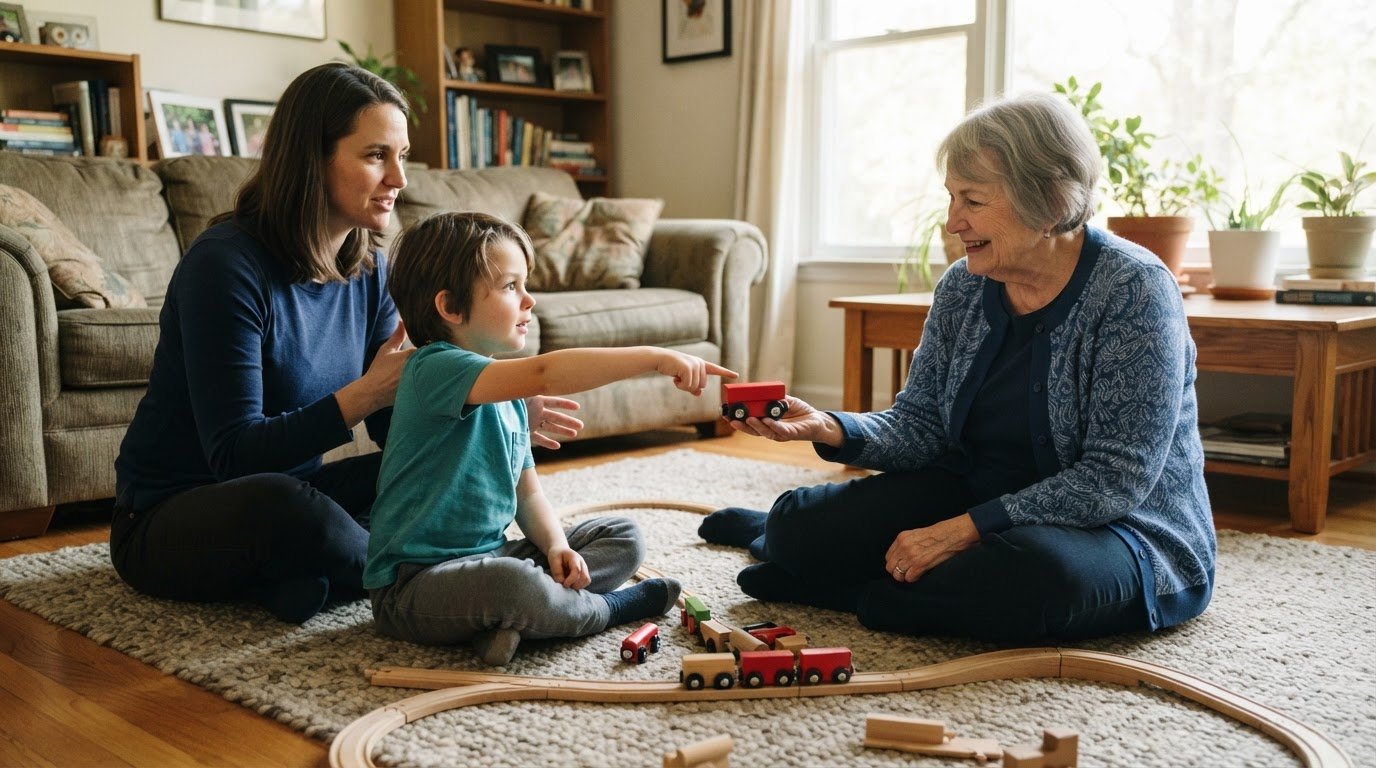

Friendships can grow through small, supported steps: playful practice, familiar routines, and low-pressure time with peers who share your child’s interests. If you’re helping your autistic child make friends in Raleigh, gradually building playdate activities over 4-6 meetups can make it easier to move from playing alongside someone to taking turns and working together.
It’s understandable to want your child to feel included while respecting their communication style, interests, and need for space. There’s no single social formula. The goal is to create comfortable opportunities for connection, not to force interaction or rush progress.
This article explores five practical ways to support your child: practise social skills through play and daily routines, plan predictable playdates, involve parents thoughtfully, and find peers through shared interests. You’ll also learn how to make each step manageable so your child can build confidence at their own pace.
1. Teaching social skills through play and daily routines
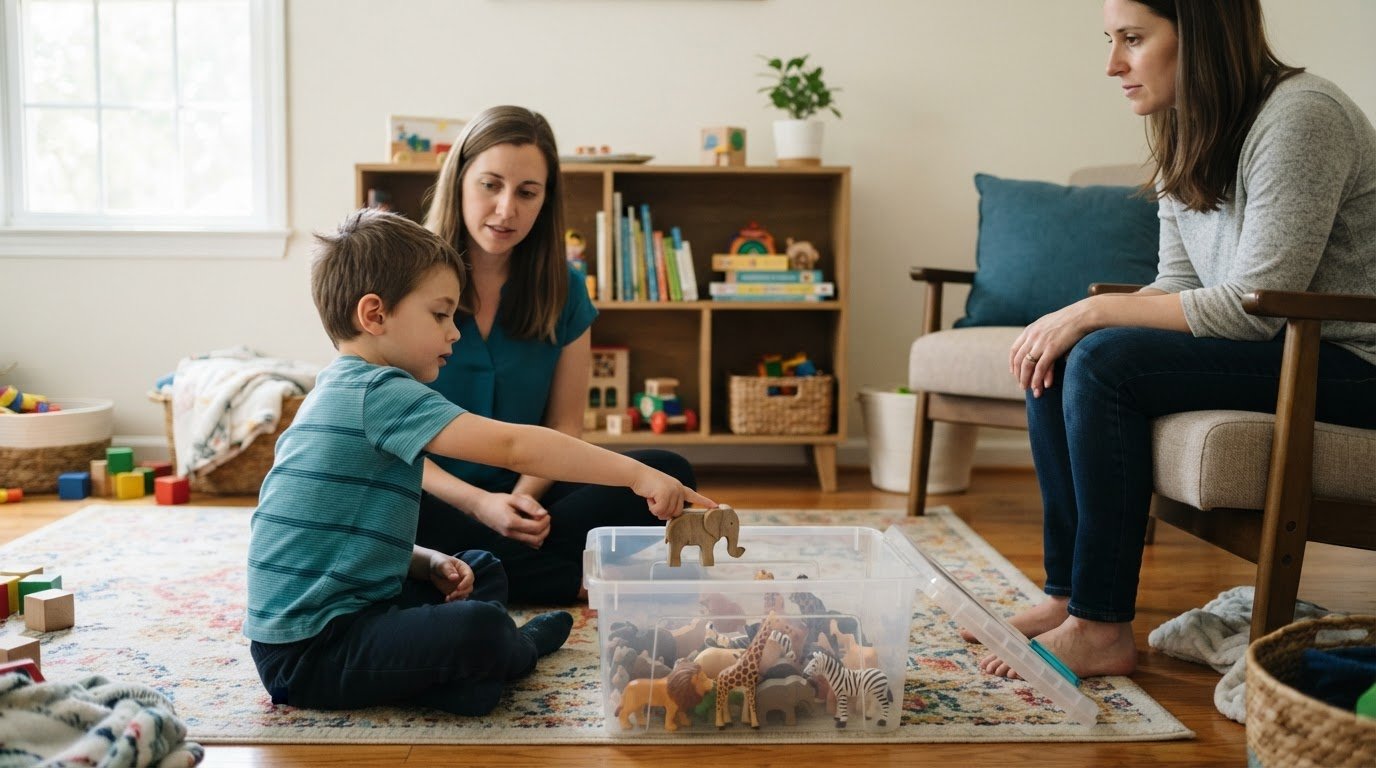
Start with familiar activities. A family puzzle, snack preparation, or board game gives a child a shared goal without requiring constant conversation. Try a simple puzzle with 3-4 pieces, taking turns to find and place each piece. Brief practice across different days can feel easier than one long session; one suggested approach is about 55 minutes of playful social practice per week, divided into 8-10 minute sessions.
Everyday routines offer natural chances to practise listening, waiting, and responding. During a game with a sibling, pause so your child can signal whose turn comes next. Picture cards or other AAC tools can support turn-taking and invitations during play. Follow your child’s interests, too. Building blocks, drawing, or a favorite topic can make joining in more meaningful than practising a scripted conversation.
At school, parents can ask the IEP team to discuss social skills progress and challenges. A goal is easier to review when it describes an observable action, such as initiating play with peers 3 times per day. Under IDEA, a school team can address a child’s full educational needs, not academics alone. Families can discuss whether a peer buddy system, lunch buddy program, or small-group activity would provide useful practice. Tate’s speech teacher, for example, organized board games and activities with a few peers twice a week in the early grades; his family later started a lunch buddy program in second grade.
When choosing a social skills group, look for activities that match your child’s interests and communication style, with opportunities to practise turn-taking, sharing, or conversation. Raleigh-area families can explore Divergent Minds ABA’s Social Skills Groups, where children have supported opportunities to practise interacting with peers. Consider whether the activities suit your child.
Social responses differ. A child may enjoy being near peers without speaking, need extra time to recognize familiar classmates, or prefer solitary play. Treat these preferences as meaningful information, not behavior that automatically needs correction. For a birthday party or school gathering, identify a quieter place to pause and bring a familiar comfort item. These supports can help your child manage sensory input and choose when to rejoin.
For autism-friendly activities in Raleigh, families can look for sensory Sundays, Special Olympics activities, and local social events for children with autism. Before attending, consider your child’s interests, communication needs, and comfort with the setting. A manageable activity may offer a more welcoming chance to connect than a busy event.
2. How do you build complexity across multiple playdates?
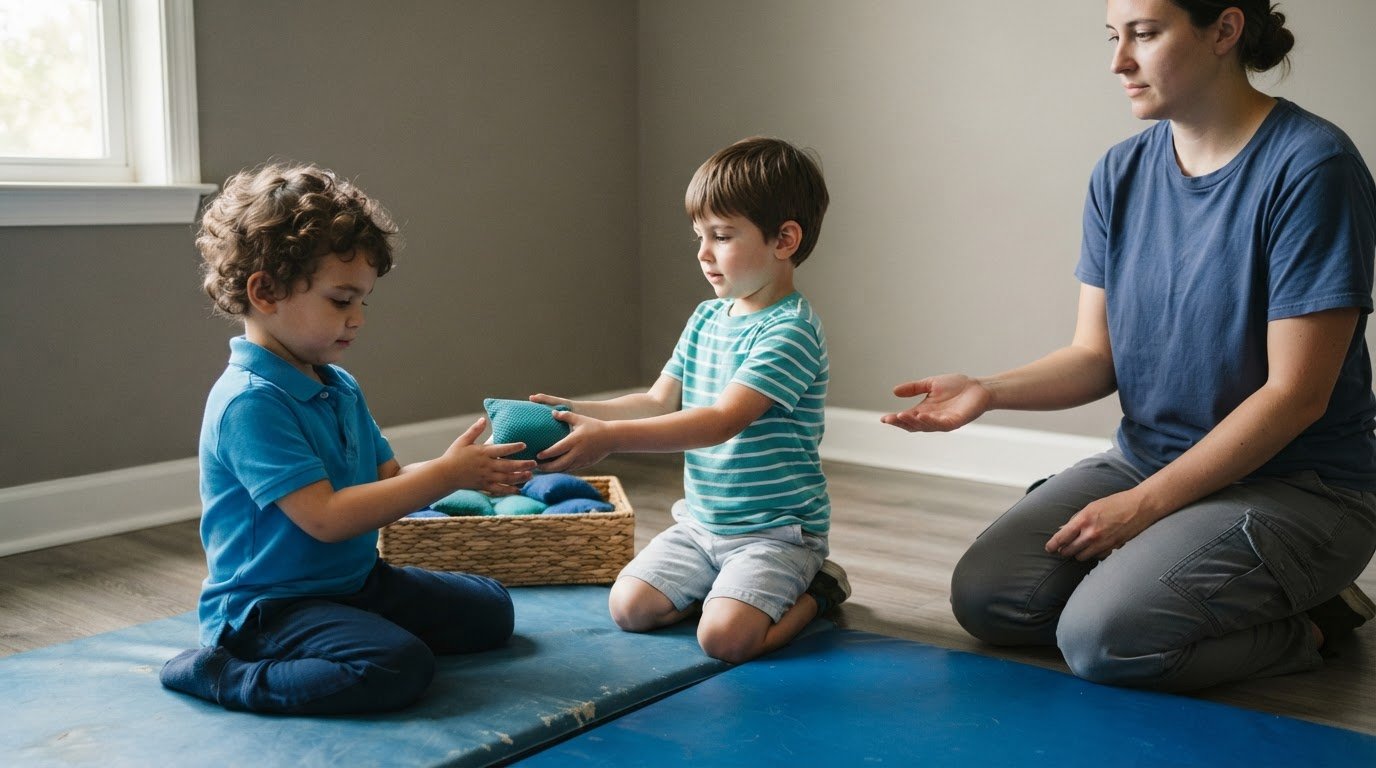
Let familiarity grow before adding more social demands. A child may first enjoy doing a favorite activity beside another student, then gradually practise sharing materials, taking turns, and completing something together. Build these steps across 4-6 meetups, moving from parallel activities toward turn-taking and cooperative projects. Keep the activity predictable, and change one feature at a time, such as the game, setting, or number of people.
Choose a peer based on shared interests and compatible play styles, not simply age or classroom proximity. One child might enjoy drawing quietly while another likes adding details to the same picture. That shared activity gives both children a clear way to participate. Notice whether each child can pause, communicate preferences, and respect the other’s space. A good match doesn’t require identical personalities; it gives both children room to contribute.
Starting a conversation can be difficult, even when an autistic child wants a friend. Offer a specific, low-pressure opening connected to what’s happening: “Do you want to build the blue tower?” or “Can I see your dinosaur drawing?” Practise a few possible actions beforehand, such as saying hello, asking about a shared interest, or inviting someone to play. Then allow time for the other child to respond. A gesture, AAC message, or showing an object can also begin an interaction.
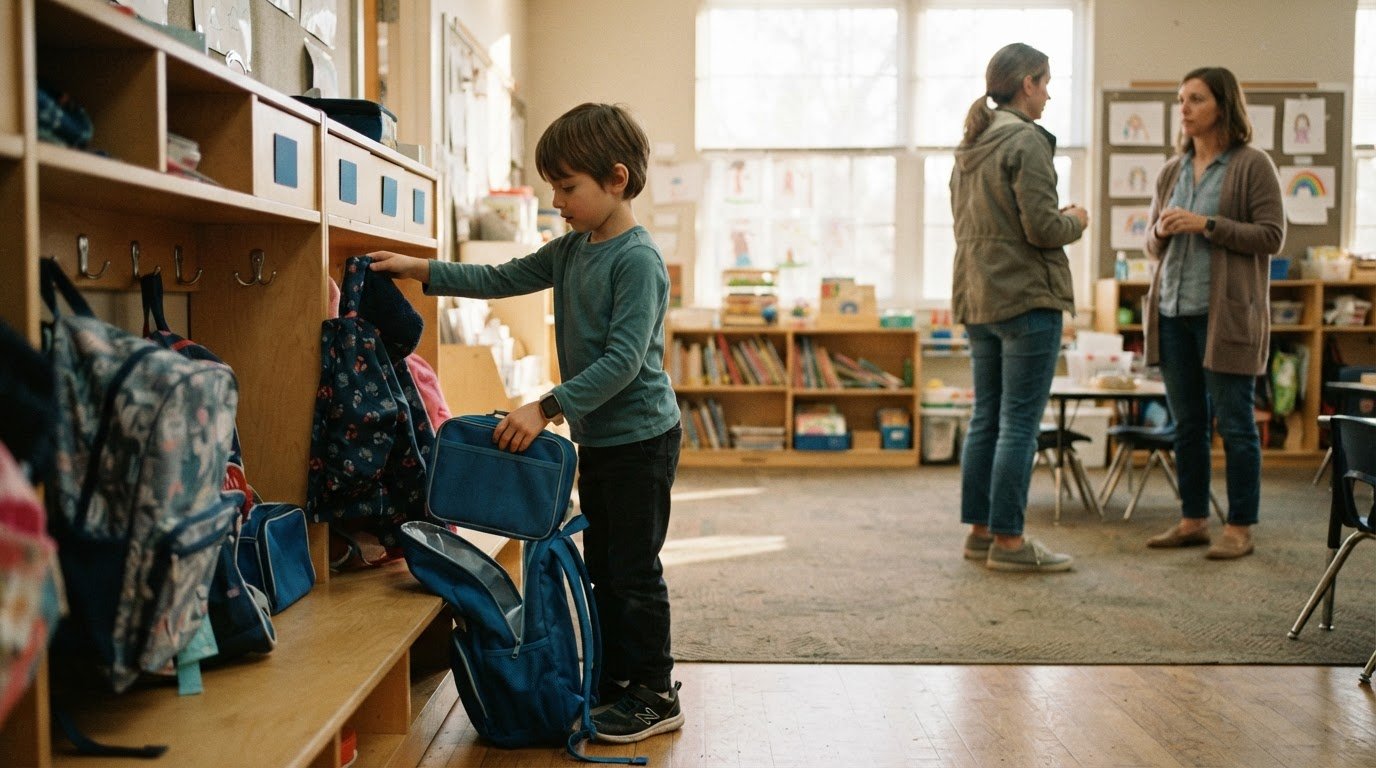
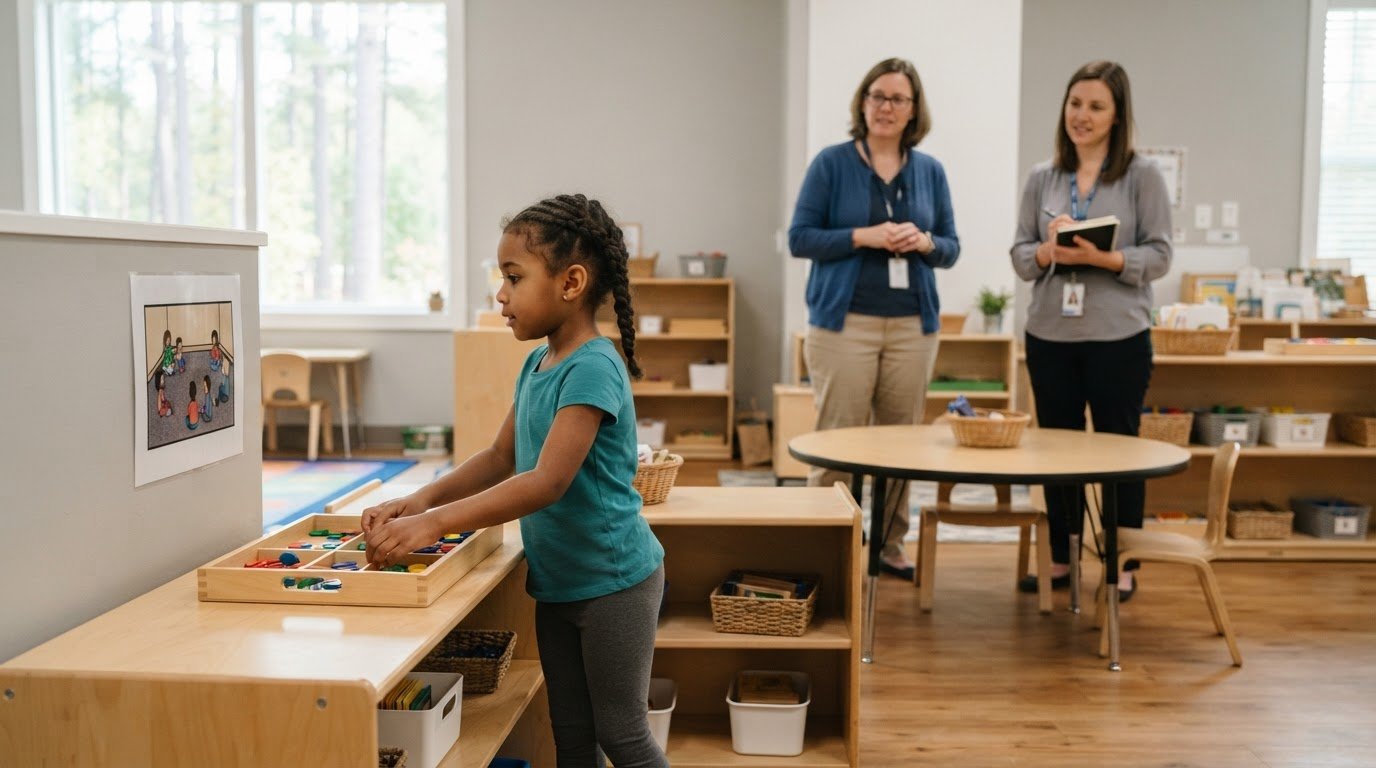
In the classroom, inclusion works best when peers have a meaningful activity to do together. Families can talk with school staff about shared projects, partner games, or classroom jobs that let students contribute in different ways. A peer buddy can invite a child into an activity, while leaving room to decline or take a break. Progress may look like staying near a peer, recognizing a classmate, or returning to a shared game, rather than speaking throughout the interaction.
Tate spent four years in class with some peers who later became his friends before he could tell them apart or remember their names. This example shows why repeated, ordinary contact can matter: friendship may develop through familiar routines rather than an immediate conversation. Observe what helps your child feel comfortable, then use those cues to shape the next meetup. If a noisy game interrupts play, try a quieter activity next time. If your child enjoys building together, extend that shared project before introducing a new activity.
Families seeking support with a gradual plan for peer interaction can connect with the team to discuss their child’s social skills goals and preferred activities.
3. Parent participation and arranging play dates
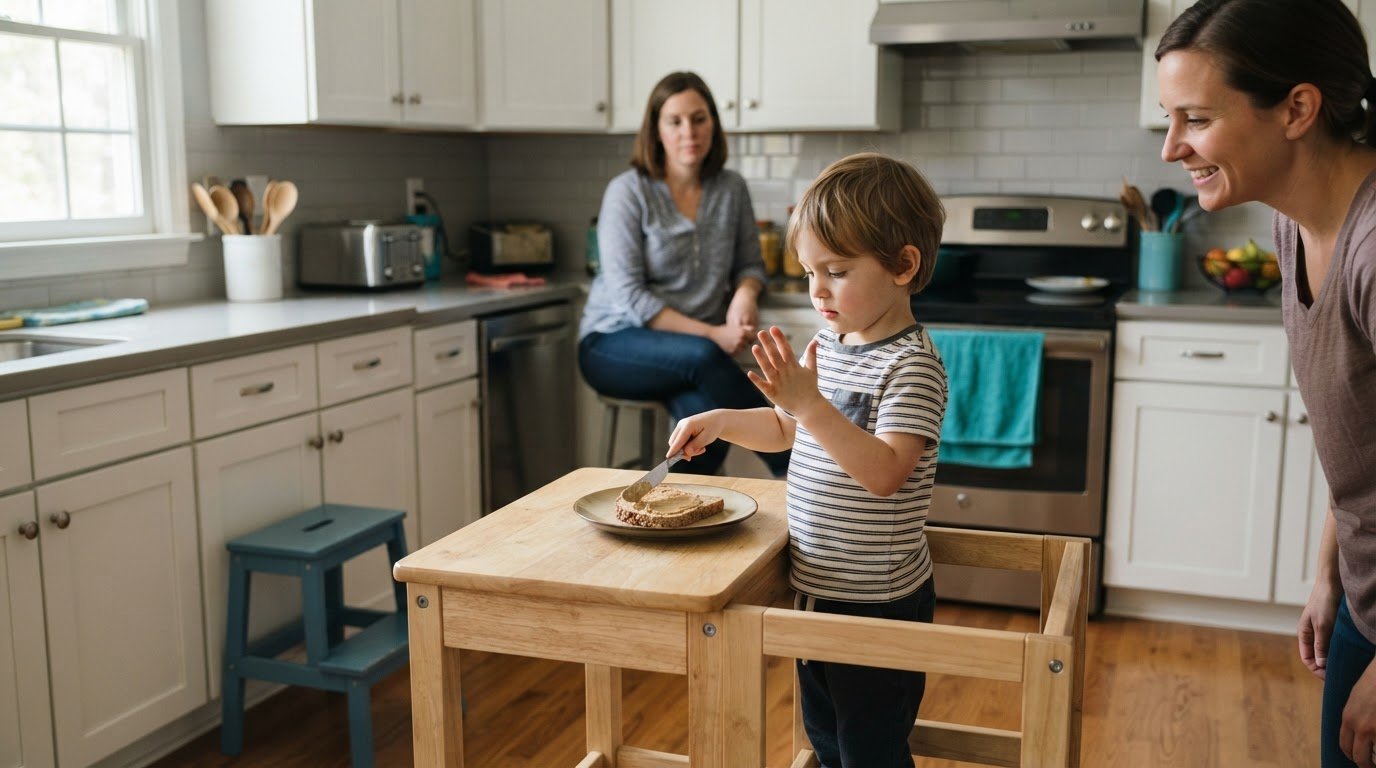
Parents can make a first playdate easier by handling the planning, then stepping back as the children settle in. Choose a familiar activity, such as drawing at the kitchen table or building with blocks, and invite one peer with overlapping interests. Beforehand, ask the other parent what settings or activities might overwhelm their child. Share useful details about communication, preferred play, and sensory needs, while protecting each child’s privacy.
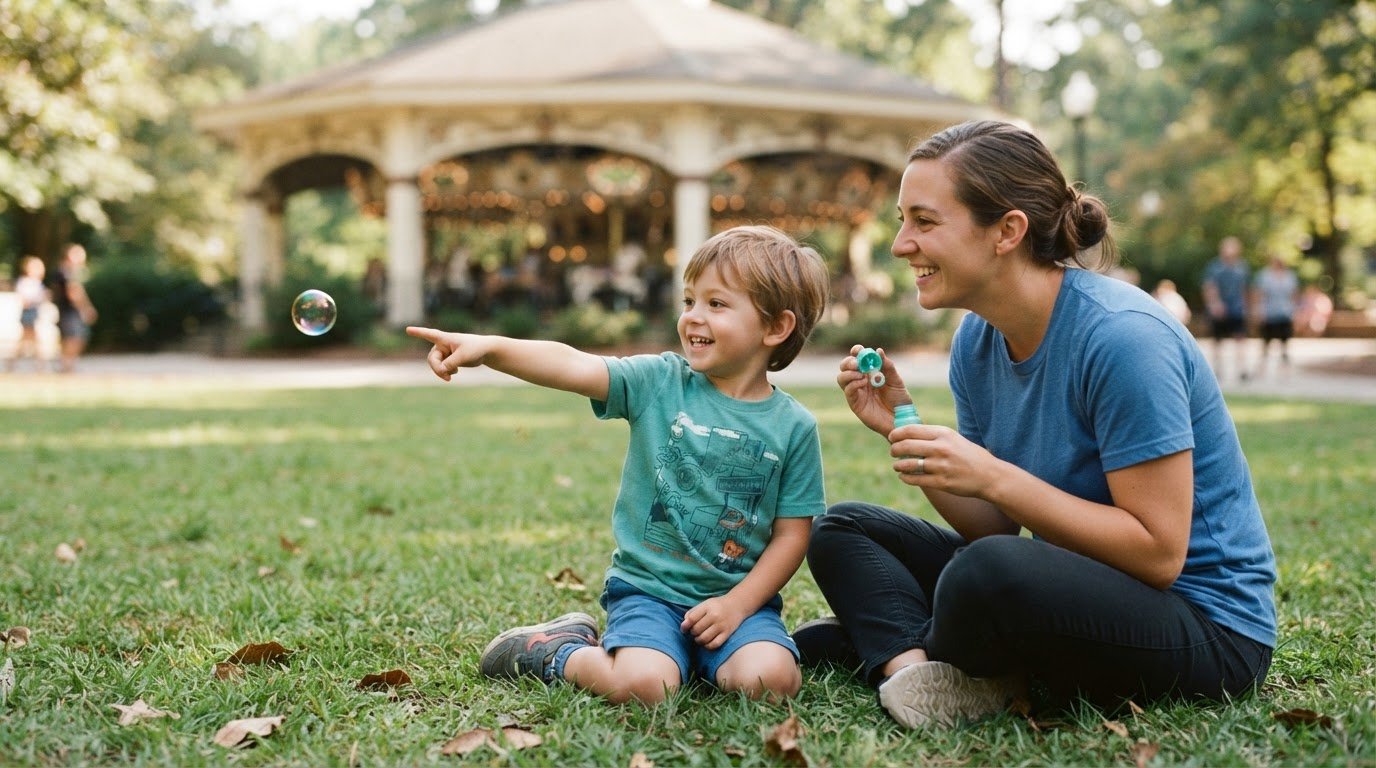
Parallel play offers a low-pressure starting point. Two children can draw separate pictures at the same table or build their own structures beside each other. Parents can stay nearby without directing every move, giving the children room to decide whether to talk, watch, or join in. If one child reaches for the other’s blocks, model a simple request such as, “Can I use the red one?” Then allow time for a response.
Sharing and changes in play often need preparation. Before a friend arrives, show which toys are available to share and which special items can stay put away. Use a clear transition, such as finishing one puzzle before bringing out play dough. If a peer changes the game’s rules, calmly narrate the next step: “Maya wants to add a bridge; let’s see where it fits.” A visual schedule or simple choice between activities can make changes easier to understand.
Parents can also coach classmates and siblings on respectful ways to connect with an autistic child. Suggest one concrete action: say hello, ask about a favorite topic, offer a turn, or invite the child to join a game. Avoid demanding eye contact or a spoken reply. A child on the autism spectrum may show interest by staying nearby, watching, or communicating through a gesture. Those responses can guide the next invitation.
After the visit, briefly reflect on what supported interaction. Note whether the room felt comfortable, which activity held both children’s attention, and when either child needed space. That observation can shape the next plan without turning friendship into a test. For example, if sharing one set of markers caused friction, provide two colors or separate paper next time.
Families can meet other parents through school events, parent evenings, or social media groups that share local resources and arrange playdates. A teacher may also help identify a classmate with a compatible interest, such as reading, trains, or gardening. Keep the invitation specific: “Would Jordan like to draw with Sam after school?” Clear plans help both families prepare, while familiar activities give children a natural way to begin.
4. Planning short, structured playdates
A clear beginning, middle, and ending can make a playdate easier to follow. Plan a 30-45 minute visit around one familiar activity, such as a simple craft, train set, or ball game. Before the visit, ask the other parent what activities or settings may overwhelm their child. Share practical information about your child’s communication, preferred activities, and sensory needs, so both adults can prepare thoughtfully.
Use a predictable sequence rather than filling every minute. A five-minute warm-up might involve greeting each other and choosing materials. Then set aside 20-25 minutes for guided play with clear turns, such as adding pieces to a shared track or taking turns drawing. Finish with a calm 10-minute wind-down, perhaps putting materials away together and choosing a goodbye routine. This structure gives children cues about what happens next.
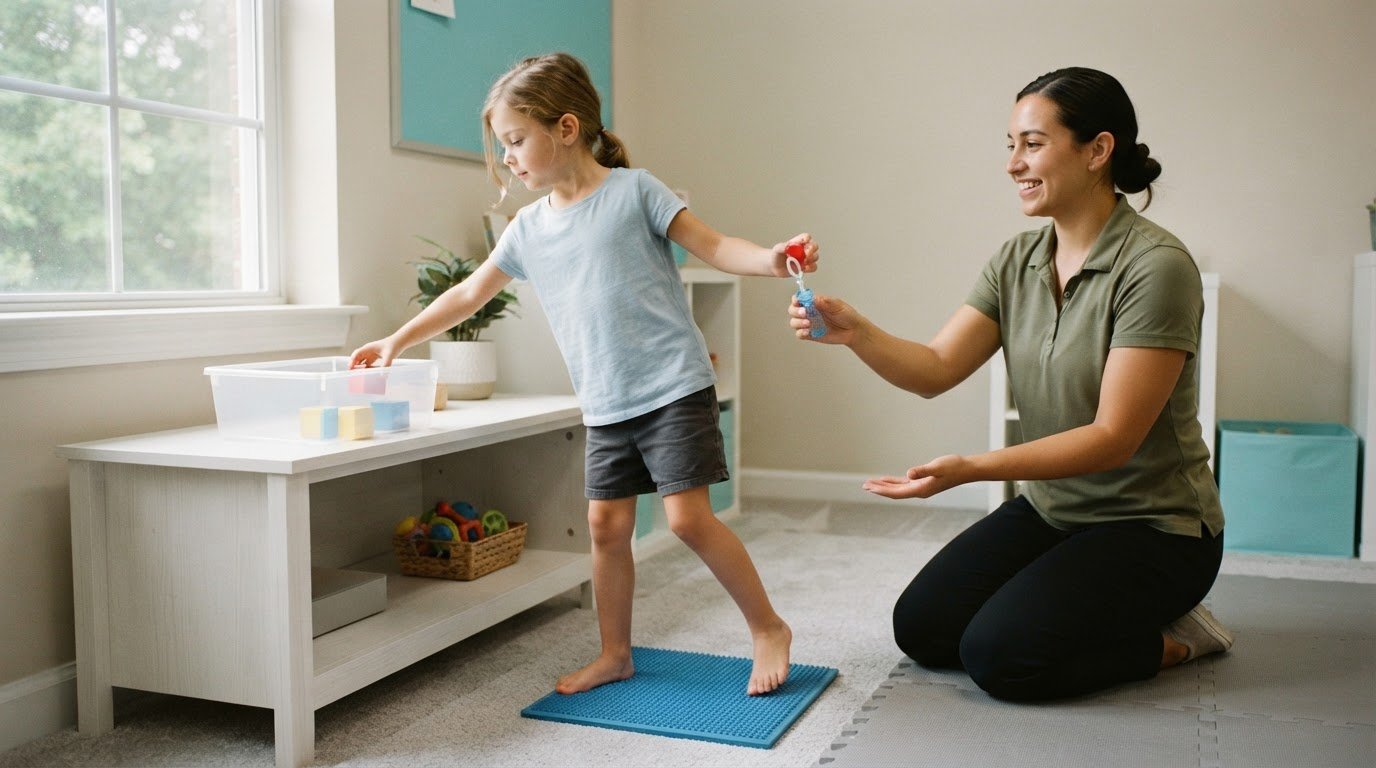
Keep adult support available but unobtrusive. For example, an adult can show a turn-taking card, model “your turn,” and then wait. If a child communicates through gestures, AAC, or a few spoken words, respect that communication and allow time for a response. Avoid turning the visit into a lesson with constant instructions. The aim is to support shared enjoyment while giving children room to make choices.
Choose an activity with easy ways to participate at different levels. During a craft, one child might select stickers while the other draws; later, they can trade materials or add details to the same picture. If the noise of a toy becomes uncomfortable, offer a quieter option such as books or coloring. These individualized adjustments help adults respond to behavior as communication, rather than treating every pause or withdrawal as a problem.
Prepare a simple plan for common changes. Tell the children when one activity will end and show what comes next: “Two more turns, then we’ll have a snack.” Keep a preferred comfort item nearby if it supports participation. If a child needs a break, make a quiet space available and let them return when ready. A successful visit can include pauses; continuous interaction isn’t necessary.
Afterward, reflect on one specific detail with your child: “You and Alex added the bridge together.” If the activity felt too demanding, adjust one element next time, such as choosing a quieter room or a shorter game. Adults can also exchange brief observations with the other parent, focusing on what helped both children participate. A consistent routine, clear communication, and manageable expectations make each playdate easier to understand and support future learning.
5. Finding peers through shared interests
A shared interest gives children a natural starting point for spending time together. Notice what your child chooses repeatedly, such as soccer, comic books, animals, music, or building sets. Then look for settings where other children can enjoy that activity, too. A child who loves drawing might feel comfortable in an art activity, while a child interested in movement may prefer a recreation program with clear routines. A shared focus can make connecting feel less dependent on conversation.
Raleigh families can explore autism-friendly activities such as Special Olympics activities, sensory Sundays, and local social events for children with autism. These can give children with autism a shared activity alongside peers. Choose an event that fits your child’s interests and consider the setting’s sound, pace, and group format. A child who enjoys observing before joining may prefer an activity where watching is a comfortable first step.
For families helping a child with autism make friends in Raleigh, parent social media groups can be a way to learn about local resources and arrange meetups. A specific invitation makes the plan easier to picture: “Would your child like to bring a favorite dinosaur to the library?” School events and parent gatherings can also help families in Cary, Apex, and Raleigh meet others with similar interests and find opportunities for children to connect.
To find inclusive sports, arts, and recreation in Raleigh, start with an activity your child already enjoys. Explore community calendars and family groups for options such as team sports, painting, music, or nature activities. A good fit offers a clear activity, flexible ways to participate, and adults who can support communication. For example, a child might join a team warm-up before deciding whether to participate in a group game.
Look beyond the activity’s name. A busy gym and a quiet art studio may both offer recreation, but their sensory demands differ. Consider sound, transitions, and how children share materials or take turns. If your child loves trains, a model-building activity can create a reason to engage with peers. If conversation feels difficult, working beside another child on the same project can still be a positive shared experience.
If you’re helping your child with autism make friends in Raleigh, notice which parts of an activity support connection. Afterward, reflect on one concrete moment, such as your child passing a ball or showing a painting to another group member. That observation can guide whether to return, try a different setting, or invite a peer to meet again. For support identifying social goals connected to your child’s interests, contact the team to discuss next steps.
Divergent Minds ABA
Divergent Minds ABA helps families turn social goals into individualized, practical steps for daily life. Through evidence-based ABA therapy and Social Skills Groups, children can practise communication, shared activities, and peer interaction in supportive settings. Clinic-Based ABA Therapy, Home-Based ABA Therapy, and Community-Based ABA Therapy let families work on skills where they naturally happen, while Social Skills Groups offer supported opportunities to engage with peers. The focus is on building confidence and independence at a pace that respects each child’s needs and interests.
If you’d like to discuss support for your child’s friendship goals, contact Divergent Minds ABA.
Choose a next step that fits your child
Friendship doesn’t need to follow a fixed timetable. The next step can be noticing what helps your child feel comfortable with another person, then building on that moment in a respectful, manageable way. For families helping a child with autism make friends in Raleigh, support can focus on practical social goals that reflect the child’s communication style, interests, and daily routines.
Divergent Minds ABA provides personalized ABA therapy in clinic, home, and community settings. Families can discuss how these supports may fit their child’s social development and where practising new skills could be most useful. The aim is to work collaboratively on meaningful goals while recognizing each child’s individual strengths and needs.
If you’re ready to explore support for your child’s friendship goals, contact Divergent Minds ABA. One thoughtful next step can help your family find an approach that feels right for your child.
Frequently Asked Questions
How Can I Help My Autistic Child Make Friends?
Help your child find comfortable ways to show interest, rather than expecting one particular social style. You might notice that they repeatedly choose the same classmate’s table or bring a favorite book near another child. Treat these as possible openings. Offer a simple next step, such as asking the classmate to look at the book together, and let your child accept, adapt, or decline the suggestion.
How can busy families fit in 55 minutes of social practice weekly?
Spread the 55 minutes across short moments already present in family routines. For example, use a few minutes during breakfast to practise responding to a greeting, then try turn-taking during a game after school. Keep sessions around 8-10 minutes on different days, as suggested in the article. A calendar reminder can help parents notice opportunities without adding a separate, lengthy activity to an already full week.
How can siblings or cousins become helpful play partners?
Siblings and cousins can make practice familiar when adults give them a clear, fair role. Invite both children to choose an activity, then explain one shared expectation, such as asking before borrowing a toy. Praise specific cooperation, like waiting while the other child finishes a turn. Keep play voluntary, and let each child choose a break or another activity if they lose interest.
How do I prepare my child for sharing toys or rule changes while playing with friends?
Prepare by explaining what will happen with a specific toy or game before the friend arrives. For example, agree that a favorite figure stays on a shelf while the children share the building blocks. If rules change, describe the new rule plainly and offer a choice: “Would you like to try the new rule or watch this round?” A short preview can make the change easier to understand.
How do I support my child through rejection or bullying?
Listen without blame, and ask your child what happened using calm, concrete prompts, such as “What did they say?” or “Where were you?” Reassure them that unkind treatment isn’t their fault. If the incident happened at school, share the specific details with the teacher or school team and ask how they’ll support your child’s safety and participation. At home, practise a response, such as moving toward a trusted adult.
How do you build complexity across multiple playdates?
Use each meetup to learn what makes interaction easier, then adjust one element for the next visit. If two children enjoyed making a craft but struggled to share supplies, offer separate materials before inviting them to create one project together. Keep a brief note about the activity, setting, and each child’s participation. Across 4-6 meetups, this observation can guide gradual changes without expecting every visit to look alike.
What Raleigh schools or community programs provide peer buddy programs or social support?
Peer buddy programs and school social groups depend on the individual school. Ask your child’s teacher or IEP team whether a buddy arrangement, lunch activity, or supported group is available. For community practice, Raleigh-area families can explore Divergent Minds ABA’s Social Skills Groups, where children can practise social interaction with peers. Match any option to your child’s interests and communication preferences.
How can I help my autistic child practice making friends at school and in the community?
Choose one social action to practise in each setting, then use familiar cues in both. At school, your child might share a preferred topic with a classmate; at a community activity, they might signal that they want a turn. Coordinate with the adults who support each setting so prompts and communication tools remain consistent. Afterward, ask what felt comfortable and use that feedback to shape the next opportunity.