What if the "unwritten rules" of the playground weren't actually unwritten, but simply required a specific set of tools to decode? For many parents in North Carolina, it's difficult to watch a child stay on the periphery of peer activities or struggle with the anxiety of school interactions. You want your child to feel the joy of a shared joke, yet those moments often feel out of reach. Identifying the right social skills groups for kids Cary offers is a vital first step toward bridging that gap and fostering genuine connection.
This 2026 guide explores how evidence-based programs help your child build meaningful friendships and navigate peer interactions with confidence. By utilizing clinical expertise within a supportive environment, these groups transform social uncertainty into self-assurance. We'll examine the latest local options, including BCBA-owned practices that prioritize individualized growth over corporate metrics. You'll also learn how recent legislative reforms and insurance mandates, such as Senate Bill 676, make these essential services more accessible for families. From improving conversational flow to resolving peer conflicts independently, discover how structured support creates a clear path toward lasting community success.
Beyond Playdates: What are Social Skills Groups for Kids in Cary?
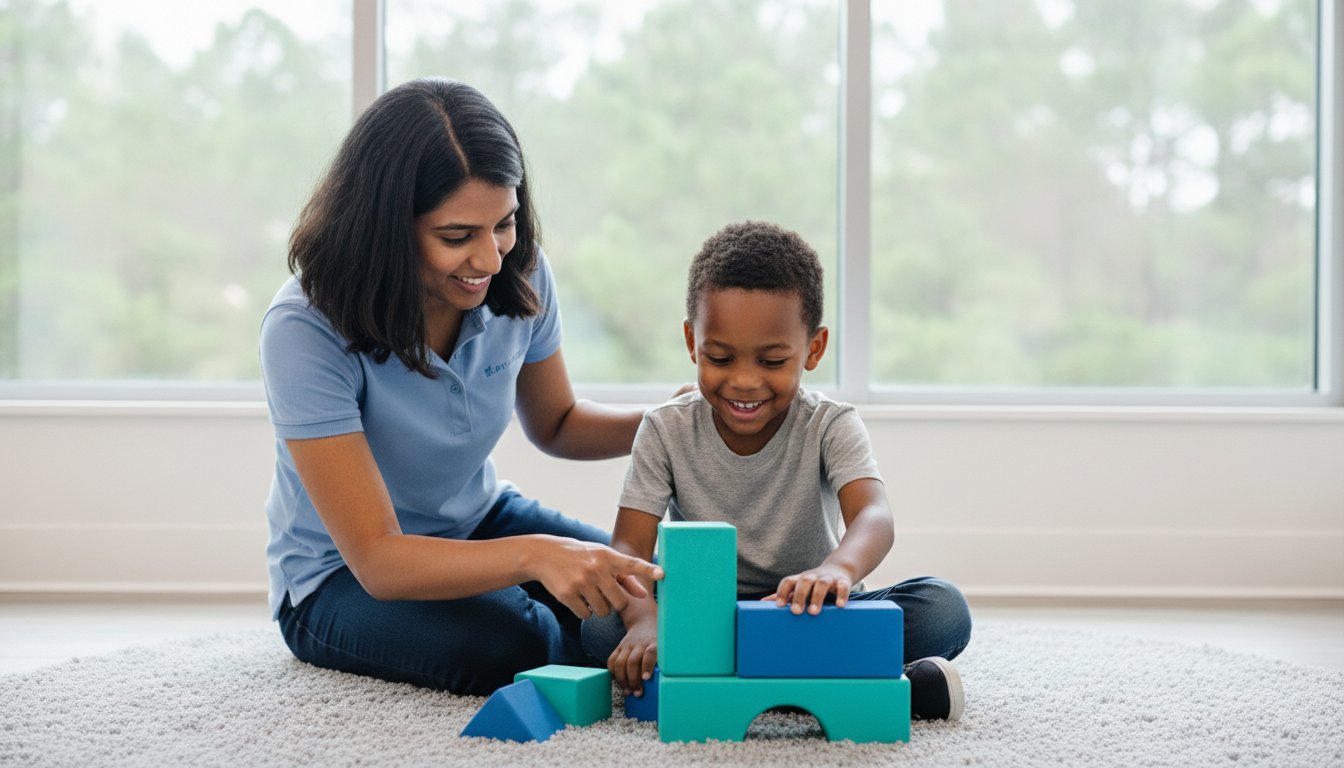
Social growth isn't accidental. It's built through intentional practice and professional guidance. While playdates offer organic interaction, social skills groups for kids Cary provide a structured, clinical framework that casual gatherings often lack. These groups are led by experienced therapists who guide peers through real-time challenges in a safe, controlled setting. The broader process of learning these skills is called socialization, and for many children, this journey requires a more deliberate, evidence-based approach than a typical afternoon at the park.
To better understand how these skills function in a child's daily life, watch this helpful video:
Therapeutic social training differs significantly from inclusive play. In a standard play setting, children might interact, but they don't always receive the immediate, corrective feedback needed to bridge gaps in understanding. High-quality social skills groups focus on skill-matching and age-matching. This precision ensures that every child is paired with peers at a similar developmental stage, allowing therapists to target specific behaviors like reading a friend's facial expression or waiting for a natural break in a conversation.
The Core Objectives of Social Skills Training
Effective training focuses on measurable outcomes that help a child thrive. We prioritize conversational reciprocity, which involves the natural give and take of a dialogue. Children also learn to interpret non-verbal cues, such as body language and tone of voice, which often carry more meaning than words alone. Finally, these groups tackle the "hidden curriculum," which refers to those unwritten social rules that dictate how we behave in classrooms, restaurants, or community spaces.
Who Benefits Most from These Groups?
Many families find that structured peer support is the missing piece in their child's development. These groups are particularly effective for:
- Children with autism who need support translating internal thoughts into successful social actions.
- Kids with social anxiety who feel overwhelmed by the fast-paced nature of school hallways or lunchrooms.
- Students needing emotional regulation to handle the frustration of losing a game or facing a peer conflict.
Families in Cary are increasingly turning to BCBA-led environments because they offer a blend of clinical authority and heartfelt empathy. A Board Certified Behavior Analyst (BCBA) brings scientific rigor to the group, ensuring every interaction is a step toward a larger goal. This professional oversight provides a sense of calm reliability, helping parents feel confident that their child is developing the tools needed for lasting friendships.
The Science of Connection: Why the ABA Approach Works
Connection is a skill that can be taught. Applied Behavior Analysis (ABA) provides the blueprint. By breaking down nuanced social interactions into manageable steps, children learn to navigate complex environments without feeling overwhelmed. In social skills groups for kids Cary , this scientific approach ensures that every "hello" or shared toy is a building block toward independence. The focus is on functional growth, turning abstract social concepts into concrete actions that a child can master and repeat.
We prioritize positive reinforcement to celebrate incremental progress. This isn't about rote memorization; it's about building genuine confidence. When a child successfully initiates a conversation, the immediate, positive feedback they receive reinforces that behavior. This process is often detailed in guides answering What are social skills groups? and how they bridge the gap between clinical support and real-world application. By rewarding effort and success, we help children view social interaction as a rewarding experience rather than a source of stress.
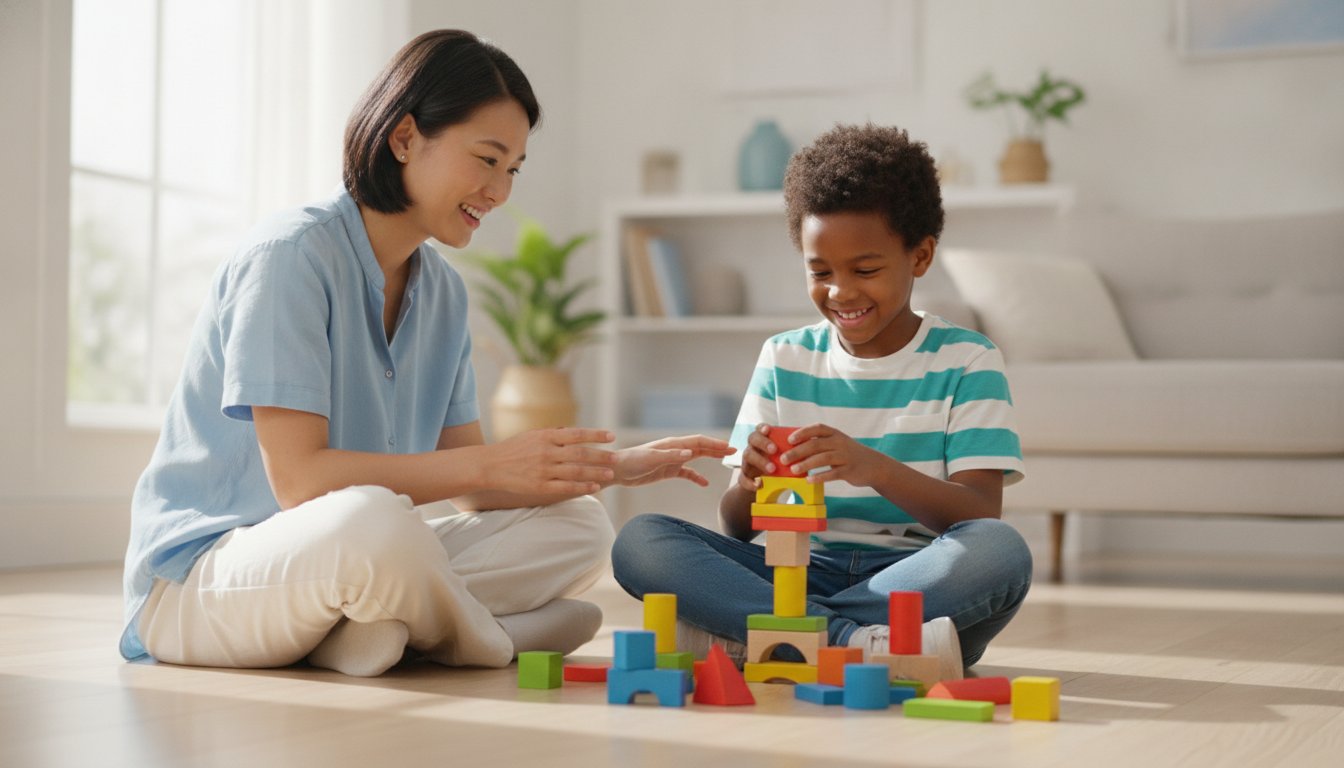
Natural Environment Teaching (NET) is another vital component of our strategy. This method brings therapy into the moment. Instead of sitting at a desk, kids interact through games, group projects, or shared activities. Therapists use these natural moments to teach skills like turn-taking or conflict resolution as they happen. Data-driven progress tracking ensures this development is measurable. By recording specific metrics during each session, we can pinpoint exactly where a child is thriving and where they might need additional support. This methodical approach removes the guesswork from social development.
Individualized Treatment Plans (ITPs) in a Group Setting
Every child enters a group with a unique history and specific needs. BCBAs develop Individualized Treatment Plans (ITPs) that address these nuances even within a group dynamic. While the setting is social, the focus remains on the individual’s development. This balance allows children to work on personal goals, such as maintaining eye contact or following multi-step directions, while benefiting from the energy of their peers. You can learn more about how these plans are structured by exploring our clinic based ABA therapy options.
The Role of the BCBA in Social Skill Oversight
Clinical supervision is the cornerstone of a safe and effective group. A Board Certified Behavior Analyst (BCBA) doesn't just watch; they facilitate. They actively manage the environment to prevent frustration and maximize learning opportunities. The BCBA-owned advantage ensures that clinical quality remains the primary metric of success, maintaining a direct line between professional expertise and daily care. This hands-on oversight ensures that every interaction is therapeutic and every child feels supported. If you're wondering if your child is ready for this step, reach out to our team to discuss their specific needs.
Evaluating Cary Social Groups: A Comparison Framework for Parents
Choosing the right environment is a significant milestone in your child's developmental journey. It requires a balance of parental intuition and clinical inquiry. When evaluating social skills groups for kids Cary , the process should begin with a clear understanding of how a provider balances group dynamics with individual progress. A high-quality program doesn't just supervise play; it actively shapes social success through structured, evidence-based interventions. The effectiveness of these programs is well-documented, with recent research on ABA effectiveness for social skills highlighting how behavioral support leads to measurable improvements in peer engagement.
Therapist-to-child ratios are a critical metric for both safety and efficacy. Small groups allow for the immediate, individualized feedback that is essential for skill acquisition. Additionally, the physical environment must be considered. A space designed for sensory comfort helps children remain regulated and focused on their peers. Financial accessibility is also a key factor for Cary families. North Carolina law, specifically Senate Bill 676, mandates that state-regulated insurance plans provide a minimum of $40,000 in annual benefits for ABA services, ensuring that clinical support is within reach for many families.
What to Look for in a Local Provider
Credentialing is the first pillar of quality. Ensure that groups are led by Registered Behavior Technicians (RBTs) and directly overseen by a Board Certified Behavior Analyst (BCBA). This professional oversight ensures that the curriculum remains focused on growth. When Touring Our Cary ABA Center, don't hesitate to ask specific questions about the daily routine:
- What is the specific therapist-to-child ratio for this age group?
- How do you handle peer conflict when it arises in real-time?
- How is progress measured and shared with the family?
- Is the curriculum tailored to the specific neurodiverse needs of the participants?
Red Flags to Avoid in Social Skill Programs
Transparency is vital for building a partnership between the provider and the family. If a provider cannot offer clear, data-driven progress reports for your child, it's a sign that the program may lack clinical depth. Avoid groups that are too large, as high-ratio settings often default to simple supervision rather than active teaching. Most importantly, be wary of one-size-fits-all approaches. Every child's unique personality and communication style should be respected and integrated into their learning plan rather than ignored in favor of a rigid, standardized curriculum that doesn't account for individual differences.
From the Clinic to the Community: Generalizing Social Success
Success in a clinical setting is only the beginning. True progress occurs when a child can carry those skills into the wider world. This process, known as generalization, ensures that the tools learned in social skills groups for kids Cary translate to the playground, the classroom, and the family dinner table. While 1:1 therapy builds a strong foundation, small group settings provide the necessary bridge to real-world social environments. This transition allows children to test their skills in a supportive, controlled space before applying them in more complex community settings. We focus on building a child's confidence so they don't just perform skills, but actually own them.
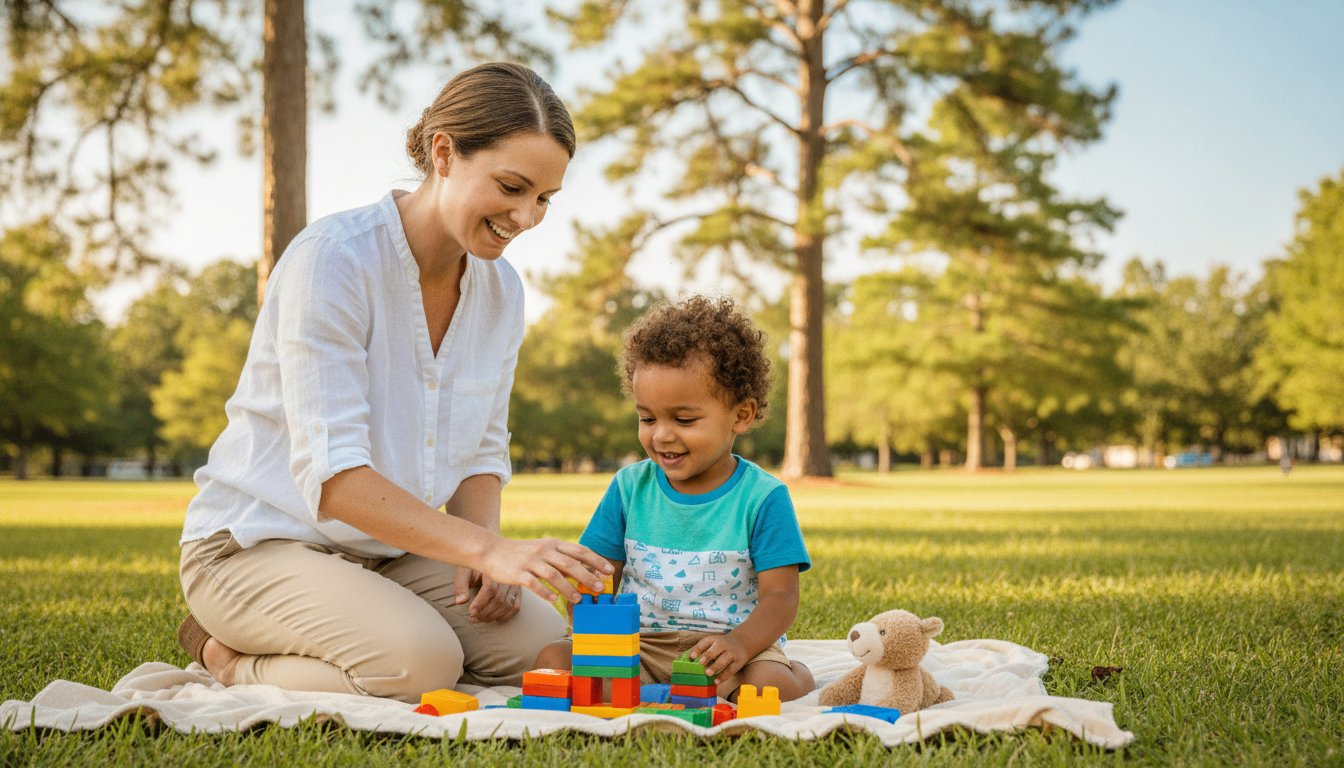
Moving from a structured clinic to a bustling park requires practice and professional guidance. Our Community-Based ABA Services are designed to facilitate this exact shift. By practicing in local Cary settings, children learn to navigate the unpredictable nature of peer interactions where they actually happen. These social skills groups for kids Cary families rely on prioritize the practical application of social goals, ensuring that every lesson has a direct impact on the child's daily life and community participation.
Real-World Practice: Beyond the Four Walls
Learning to share a swing at a local Cary park or ordering a snack at a library cafe provides invaluable experience. These community outings allow therapists to use Natural Environment Teaching (NET) in the most authentic way possible. We focus on high-stress social transitions, such as joining a group game or saying goodbye to a new friend. Therapists offer quiet, real-time support, helping children manage the sensory and social demands of public spaces. This hands-on guidance ensures that the child feels capable and secure while exploring their community. It's about turning a daunting public interaction into a successful social win.
Supporting Authenticity and Reducing Masking
Social growth should never come at the expense of a child's identity. We prioritize functional social skills that improve a child's quality of life while respecting their neurodivergent perspective. This means focusing on self-advocacy and effective communication rather than forcing children to "mask" or hide their natural traits. By creating a safe space for authenticity, we help children build genuine connections based on who they truly are. We believe that a child who feels accepted is a child who is ready to learn and develop at their own pace. If you want to see your child flourish in their own community, schedule a consultation with our Cary team today.
Building Connection at Divergent Minds ABA: Our Cary Approach
Divergent Minds ABA stands as a knowledgeable guide for families seeking a steady, expert hand in their child's social development. We believe that clinical authority and heartfelt empathy should never be mutually exclusive. Our social skills groups for kids Cary are designed to bridge the gap between learning a behavior and living it authentically. As a BCBA-owned practice, we prioritize the individual’s development over corporate metrics, ensuring that every child receives the personalized, evidence-based care they deserve. Our approach is methodical and reassuring, focusing on the potential for growth in every interaction.
Our Social Skills Curriculum
We offer structured Divergent Minds Social Skills Groups tailored to specific developmental stages. Our modules support everyone from toddlers learning basic play skills to school-aged children navigating the complexities of friendship building. We focus heavily on emotional regulation, helping kids manage the highs and lows of peer interaction with steady confidence. By matching peers based on both age and skill level, we create a balanced environment where every child can reach their potential. These age-appropriate modules ensure that the curriculum remains relevant to your child's daily life and school experiences.
Partnering with Families: Parent Coaching
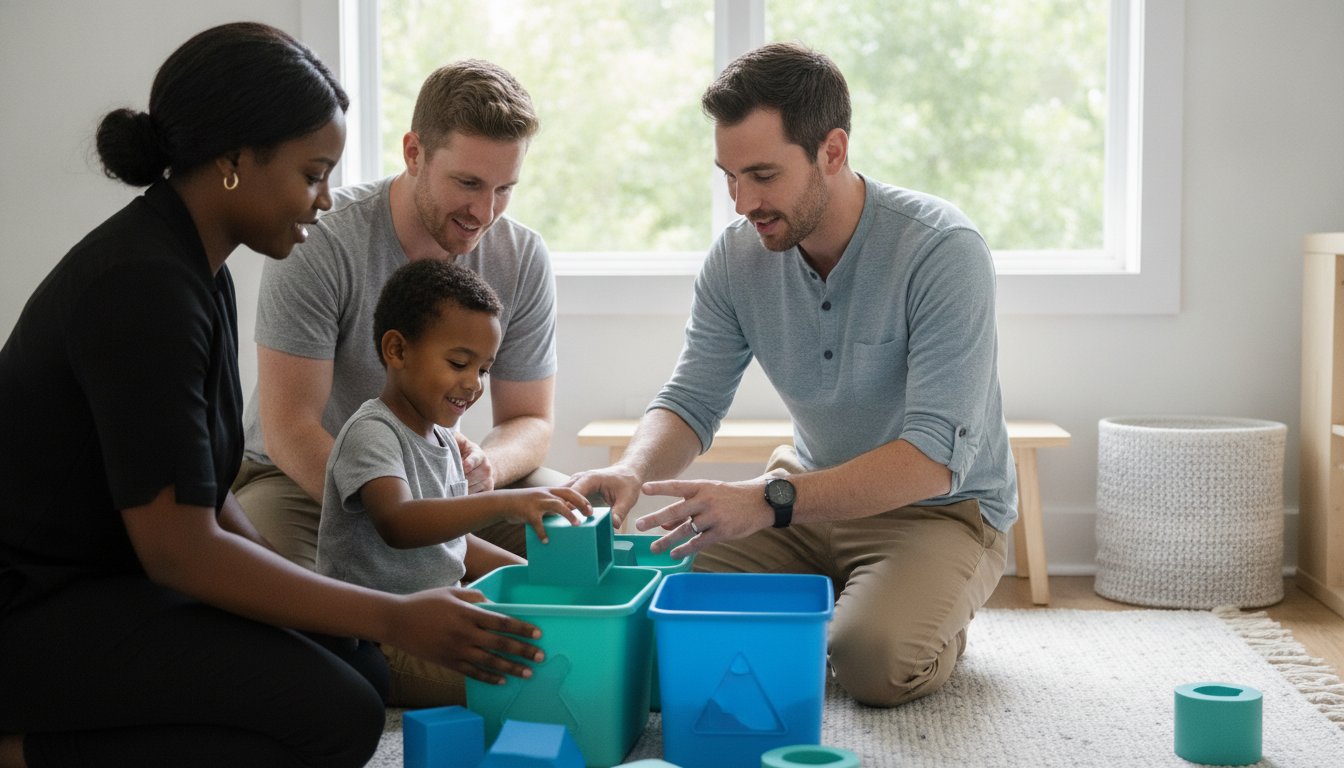
Long-term success requires a collaborative effort between the provider and the family. We believe that parent involvement is the most significant predictor of a child's social growth. Our Parent Coaching for Autism in NC provides families with practical strategies to reinforce social goals outside the clinic. Whether it's practicing turn-taking at the dinner table or managing transitions during a weekend outing, we empower you to be a supportive ally in your child's journey. This partnership ensures that progress continues long after the group session ends, creating a sense of community and shared goals.
Ready to Start? The Enrollment Process
Starting the journey with us is a logical and transparent process. It begins with an initial assessment where our BCBA team gets to know your child’s unique strengths, challenges, and goals. We then focus on matching your child with the right peer group to optimize their growth and comfort. This transition from the aspirational to the practical creates a sense of trust, leading your family through a clear path of understanding. We invite you to contact us today to schedule a tour of our Cary location. Let's discuss how we can celebrate every incremental step of your child's progress together.
Empowering Your Child’s Social Future in Cary
Building meaningful connections is a journey that requires both clinical precision and heartfelt support. By choosing evidence-based social skills groups for kids Cary families can ensure their children develop the tools needed to navigate the complexities of peer interaction with confidence. We've explored how structured ABA therapy bridges the gap between clinic-based learning and real-world application, emphasizing that progress is most sustainable when it's supported by professional oversight and active parent involvement.
Divergent Minds ABA remains committed to this collaborative path. As a BCBA-owned and operated practice, we provide evidence-based peer support that prioritizes your child's authentic identity. We also strive to make these vital services accessible to our community by accepting most major insurance providers in North Carolina. This professional foundation ensures that every session is purposeful and every goal is reachable.
Every small step forward is a victory worth celebrating. We're here to walk alongside your family as your child gains the self-assurance to thrive in every community setting. Your child's potential for growth is limitless, and it's our privilege to help them reach it.
Frequently Asked Questions
How do I know if my child is ready for a social skills group?
Readiness is often determined by a child's ability to participate in a group setting with minimal 1:1 support and a baseline interest in peer interaction. Our BCBA team conducts an initial assessment to evaluate current communication levels and behavioral regulation. If a child is struggling with playdates or school interactions, it's often the right time to consider social skills groups for kids Cary . We ensure each child is matched with a peer group that aligns with their developmental stage.
Are social skills groups in Cary covered by insurance?
Yes, many state-regulated health insurance plans in North Carolina cover social skills groups for kids Cary as part of medically necessary ABA therapy. Under Senate Bill 676, there is a minimum annual benefit of $40,000 for individuals under 19. Medicaid also provides coverage for eligible children under 21. We accept multiple insurance providers to make these essential services accessible and affordable for families in the Cary, Apex, and Raleigh areas.
What is the typical age range for your social groups?
We offer age-appropriate modules designed for toddlers through school-aged children. Groups are carefully curated to ensure that peers are matched both by age and by their specific skill levels. This precision allows us to target developmental milestones effectively, whether a child is learning foundational play skills or navigating more complex adolescent social rules. Our goal is to create a comfortable environment where every participant feels understood and supported by their peers.
How many children are usually in a social skills group session?
We prioritize small group sizes to maintain high-quality clinical oversight and individualized attention. Typically, groups consist of three to five children, depending on the specific goals and needs of the participants. This low ratio ensures that our therapists can provide real-time feedback and facilitate interactions effectively. Maintaining a small group dynamic helps prevent sensory overwhelm and allows each child the space to practice new skills safely in a controlled environment.
What happens if my child has a meltdown during a group session?
Our therapists are trained to handle emotional regulation challenges with calm reliability and clinical expertise. If a child experiences a meltdown, we utilize evidence-based de-escalation strategies to support them in a private or quiet space. We view these moments as opportunities for learning and growth rather than disruptions. Our BCBA-led team works closely with the child to identify triggers and develop coping mechanisms that promote long-term emotional stability and self-regulation.
How often do these groups meet, and for how long?
Most of our groups meet once or twice per week for approximately 60 to 90 minutes per session. The exact frequency and duration depend on the child's individualized treatment plan and the specific curriculum being followed. We strive to create a consistent rhythm that fits into a family's schedule while providing enough intensive practice to see measurable progress. Consistency is key to helping children generalize these skills to other local settings in Cary.
Can my child attend a social skills group if they are already in 1:1 ABA therapy?
Absolutely, and we often recommend it as a way to generalize skills learned in 1:1 sessions. Social groups provide a natural bridge where children can apply their foundational tools in a more complex, peer-driven environment. Combining 1:1 therapy with group interaction allows for a comprehensive approach to development. Our team ensures that group goals are integrated with existing treatment plans to provide a seamless and supportive therapeutic experience for your child.
How do you track and report progress to parents?
We utilize data-driven tracking for every social goal identified in your child's treatment plan. Our therapists record specific metrics during each session, which are then analyzed by our BCBA team to monitor growth. Parents receive regular progress reports and participate in parent coaching sessions to discuss these findings. This transparency ensures that you are always informed about your child's development and can reinforce these successes at home and across the Cary community.