Imagine the quiet frustration when your child points toward the kitchen, eyes filled with an urgent need they cannot name, only for the moment to dissolve into a painful meltdown. This cycle of misunderstanding is one of the most difficult hurdles for families, but autism communication skills therapy offers a structured, evidence-based path forward. You want more than just speech; you want to understand your child's heart and see them navigate their world with confidence. It is natural to feel anxious about their future independence when daily interactions feel like a constant struggle.
We believe every child has a voice that deserves to be heard. By utilizing proven ABA strategies, we can transform these moments of friction into opportunities for meaningful connection and functional independence. This article explores how individualized treatment plans, ranging from social skills groups to parent coaching, provide the essential tools your child needs to turn communication from a barrier into a bridge. We'll show you how clinical expertise and family partnership work together to unlock your child's potential and foster lasting growth.
What is Autism Communication Skills Therapy?
Autism communication skills therapy is a purposeful, individualized approach designed to help children bridge the gap between their inner thoughts and the world around them. It focuses on developing two critical areas: expressive skills, which allow a child to share their needs, and receptive skills, which help them understand the information they receive from others. Every child's journey is unique. Because of this, effective therapy doesn't follow a rigid script; it adapts to the specific way your child interacts with their environment.
The primary objective of modern Applied Behavior Analysis (ABA) is to establish functional communication. This means prioritizing the child's ability to influence their surroundings and get their needs met effectively. When we prioritize these skills through early intervention, we often see a significant reduction in frustration-based behaviors. A child who can successfully ask for a snack or a break is less likely to experience a meltdown born from being misunderstood. It's about providing a reliable alternative to the behaviors that stem from a lack of tools.
The Distinction Between Speech and Functional Connection
It's a common misconception that communication only happens through spoken words. Speech is the physical act of producing sounds, but communication is the meaningful exchange of information. A child can be non-verbal and still be a powerful communicator. Through Functional Communication Training (FCT), we teach children to replace challenging behaviors with socially recognizable gestures, signs, or pictures. This shift creates a foundation for greater independence. Whether your child is receiving clinic-based ABA therapy or working within their natural environment at home, the goal remains the same: giving them a reliable way to connect with the people they love.
Signs Your Child May Benefit from Communication Support
Identifying the need for support early can change the trajectory of a child's development. You might notice your child struggling in specific areas that signal a need for specialized autism communication skills therapy. These signs often include:
- Difficulty expressing basic needs: The child may pull a parent's hand toward an object rather than using a sound, sign, or word to request it.
- Challenges with multi-step directions: They might seem overwhelmed or "stuck" when asked to perform a sequence of tasks, like "put on your shoes and get your bag."
- Limited joint attention: This involves a lack of shared focus on an object or event, such as not looking when you point at a bird in the sky or failing to show you a toy they enjoy.
Addressing these challenges through a collaborative partnership between BCBAs and parents ensures that progress isn't just limited to the therapy room. It becomes a part of the child's daily life, fostering a sense of community and shared goals.
Core ABA Strategies for Building Verbal Behavior
Language is more than just sounds; it is a functional tool for social change. Effective autism treatment and intervention often relies on the Verbal Behavior (VB) approach to unlock this tool. This framework views language as a learned behavior that serves specific purposes. Instead of simply teaching a child to repeat a word, we focus on why they are using it. This functional perspective is a cornerstone of autism communication skills therapy. We categorize language into different operants, such as manding, tacting, and intraverbals, to build a comprehensive set of skills that go beyond basic speech.
Once a child understands that their voice has power, we expand their repertoire through tacting and intraverbals. Tacting involves labeling or describing things in the environment, which allows a child to share their experiences with others. Intraverbals are the building blocks of conversation. They enable children to answer questions or respond to what someone else has said. These skills are essential for the meaningful social exchanges that lead to lasting friendships and community integration.
The Power of Manding: Starting with Wants and Needs
Manding is the most powerful starting point for any child. It is the clinical term for requesting. When a child mands, they are using their voice, a sign, or a picture to get something they value, which makes the act of communicating immediately rewarding. A mand is a request that directly benefits the speaker by resulting in the delivery of a specific reinforcer. Our therapists identify high-motivation items, like a favorite toy or a preferred snack, to encourage these first successful exchanges. This process shifts the child's perspective of communication from a difficult task into a valuable tool for independence.
Natural Environment Teaching (NET) for Communication
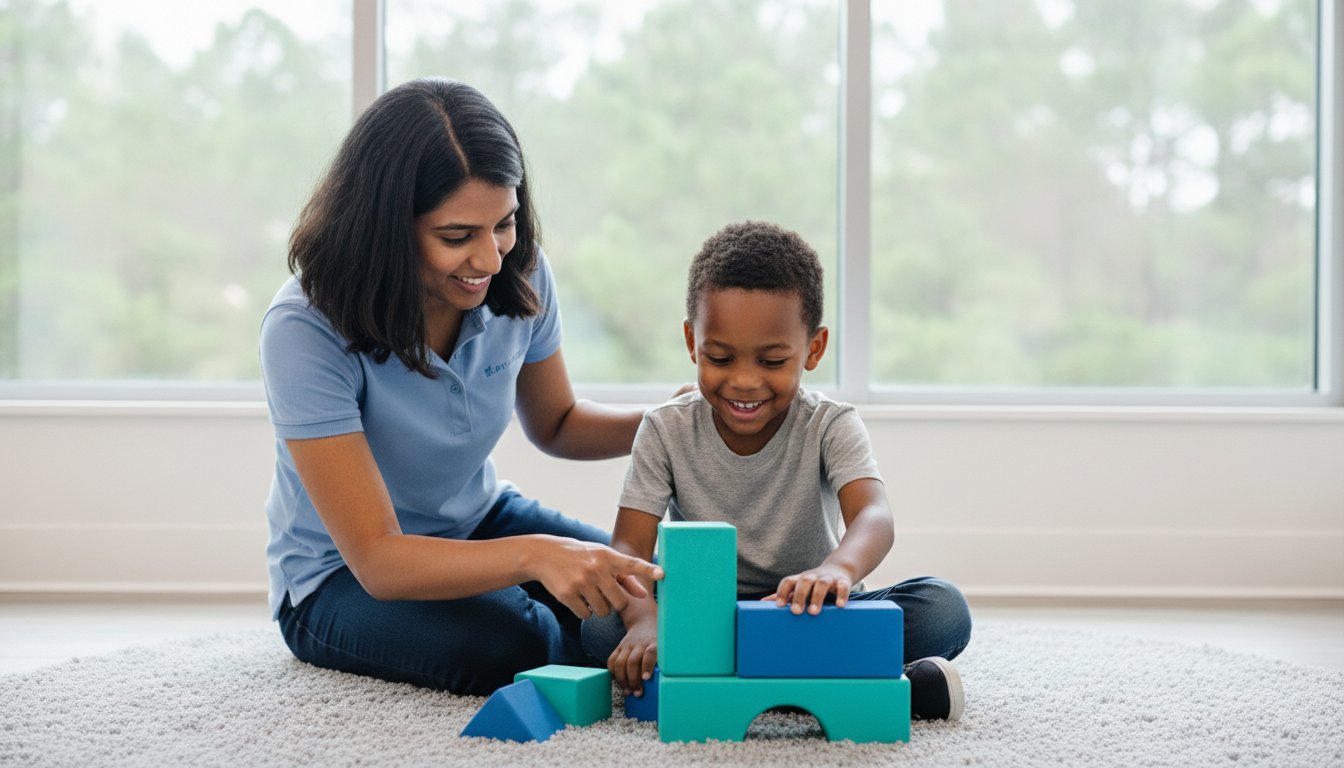
Learning shouldn't be confined to a desk. Natural Environment Teaching (NET) takes the principles of behavioral science and applies them to the places where life actually happens. By utilizing home-based ABA therapy, we can capture a child's natural interests in their own playroom or backyard. This approach uses incidental teaching to turn a simple game of catch or a snack time routine into a rich learning opportunity. It ensures that the skills learned during autism communication skills therapy are practical and easily used in everyday situations.
Every child deserves a way to express their unique perspective. If you are wondering how these evidence-based strategies might look for your family, our team is here to help you explore the next steps in your child's journey.
Beyond Words: Non-Verbal and AAC Communication Tools
Every child deserves a reliable way to be heard. While many families hope for vocal speech, communication is a broad spectrum that includes gestures, signs, and technology. A common concern among parents is that using Augmentative and Alternative Communication (AAC) might "make a child lazy" or hinder their speech development. Clinical evidence suggests the opposite. By providing a functional way to interact, these tools often reduce the intense frustration that can block vocal progress. Effective autism communication skills therapy integrates these autism communication strategies to ensure no child is left without a voice.
Non-verbal communication is not a "lesser" form of connection; it's a vital path to autonomy. When a child can use a tool to express a complex thought or a simple need, they gain control over their environment. This sense of agency is the primary goal of any behavioral intervention. We focus on finding the right fit for each individual, ensuring the chosen method is both accessible and reinforcing for the child in their daily life.
Picture Exchange Communication System (PECS) Stages
The Picture Exchange Communication System (PECS) is a systematic ABA-based approach that teaches a child to initiate communication. It begins with a simple, physical exchange: the child gives a picture of a desired item to a partner in return for that item. This process is crucial because it builds the physical "intent" to communicate with another person. As the child progresses, the system moves through several sophisticated stages:
- Discrimination: Learning to choose between multiple pictures to find the specific item they want.
- Sentence Structure: Using an "I want" strip to build full requests.
- Answering and Commenting: Transitioning from simple requests to responding to questions and sharing observations about their world.
Integrating High-Tech AAC into ABA Therapy
High-tech AAC options, such as speech-generating devices and specialized tablet apps, offer a vast vocabulary that can grow with your child. These devices turn a touch on a screen into a clear, audible voice. A BCBA plays a central role in this process, carefully selecting and customizing the interface to match the child's current cognitive and motor skills. It's essential that the device is treated as the child's voice, remaining available across all settings. Utilizing clinic-based ABA therapy provides a structured, supportive environment where a child can master these complex tools before generalizing their use at home and in the community. This consistency is a core component of autism communication skills therapy, ensuring the child's voice is heard wherever they go.
Generalizing Communication Skills for Social Success
True mastery of communication occurs when a child can use their skills across different environments and with various people. This is known as the generalization phase. It's the point where autism communication skills therapy moves from the learning stage to real-world application. Without generalization, a skill might only exist in the presence of a specific therapist or within a specific room. We work to ensure that every milestone reached in therapy becomes a permanent part of your child's toolkit for life.
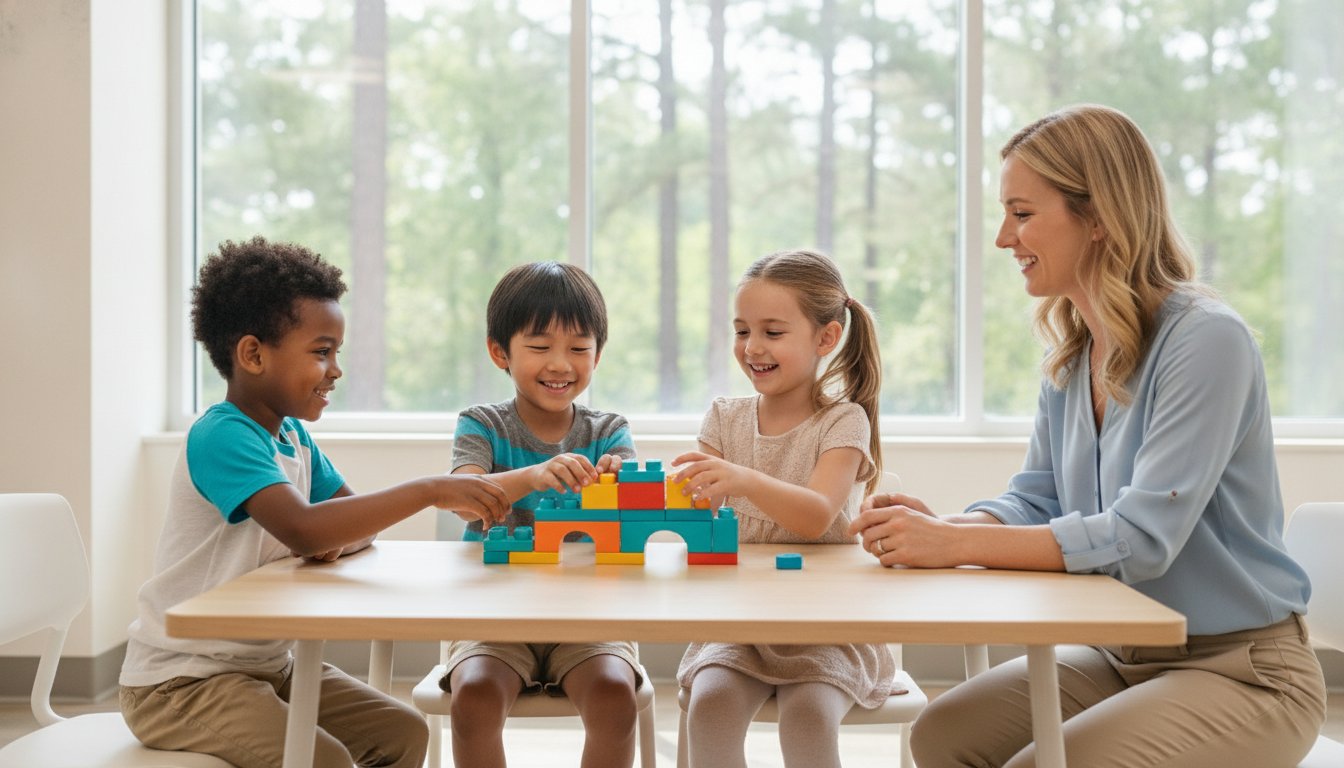
To help children navigate the complexities of social interaction, social skills groups provide a controlled yet dynamic "lab" environment. Here, children practice peer-to-peer communication, focusing on essential skills like turn-taking, active listening, and responding appropriately to others' cues. It's a space where they can make mistakes safely and celebrate successes with friends who are on a similar journey. This peer interaction is vital for building the confidence needed for school and community life.
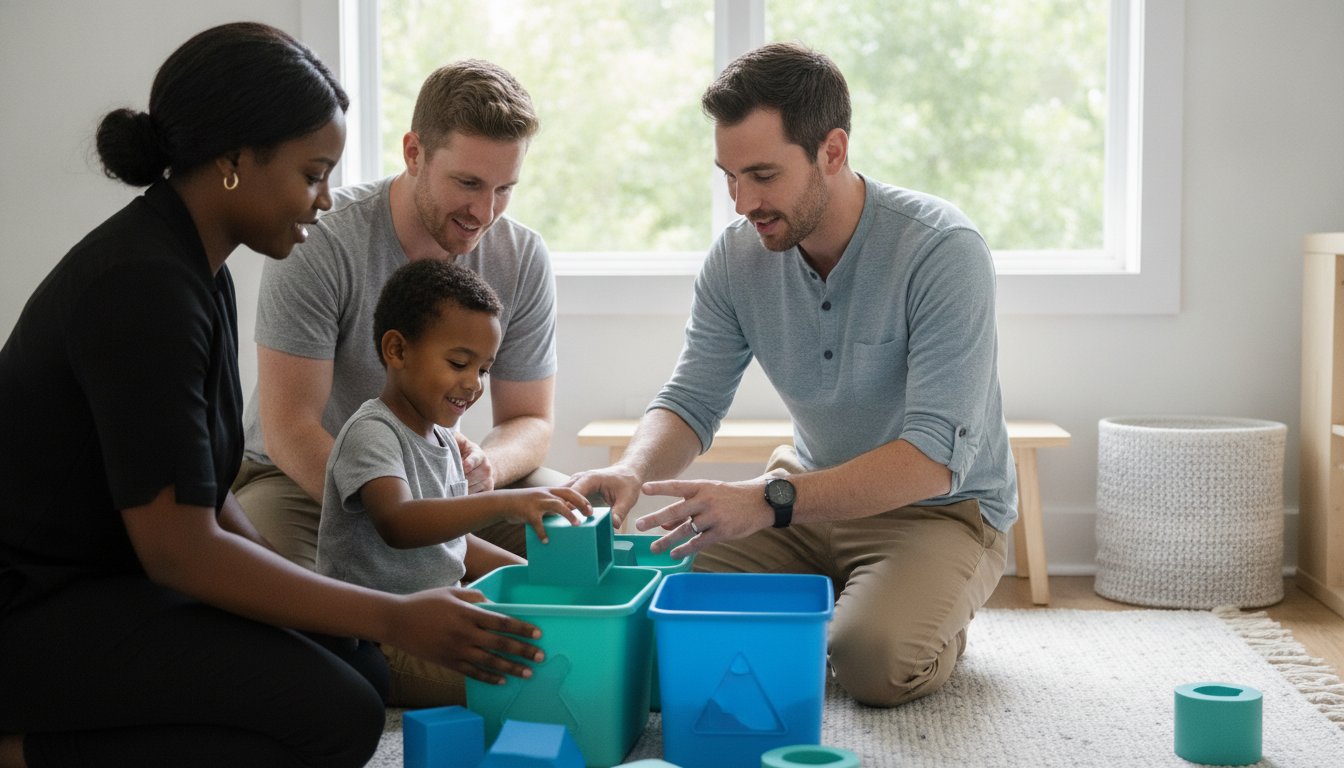
We recognize that parents are the most influential partners in a child's development. Through parent coaching, we share the same evidence-based strategies used by our BCBAs. This collaboration ensures that the progress made during therapy sessions is maintained and reinforced in the natural rhythms of home life. When families and therapists speak the same "language," the child experiences a consistent world that supports their growth.
Communication in the Community
Real-world independence often depends on a child's ability to navigate public spaces. Community-based ABA therapy bridges the gap between clinical learning and daily life. Whether it's practicing a request at a local grocery store, asking to join a game at the park, or following directions at a doctor's office, these experiences build practical confidence. We also focus on managing social anxiety by establishing predictable communication routines that help children feel secure while exploring new environments.
The Role of Play in Communication Development
Play is the natural language of childhood and a powerful motivator for social growth. By using play-based interventions, we can encourage communication in a way that feels organic rather than clinical. We guide children through the stages of social interaction, moving from parallel play (playing near others) to interactive play (playing with others). For more detailed strategies on fostering these connections, you can refer to our Social Skills Groups for Kids in Cary: 2026 Parent Guide. These moments of shared joy often provide the strongest reinforcement for a child to keep using their voice.
Ready to see your child thrive in social settings? Contact our team today to learn how we can support your family's journey toward social success.
Finding Specialized Communication Support in Cary, NC
Choosing the right partner for your child's developmental journey is a significant decision that shapes their long-term independence. In the Triangle area, families have access to various providers, but the quality of autism communication skills therapy often depends on the clinical standards of the practice. At Divergent Minds ABA, we believe that every child in Cary, Apex, and Raleigh deserves a communication plan as unique as they are. Our approach is rooted in a family-first philosophy that prioritizes the collaborative bond between our clinicians and your household.
Before therapy begins, a comprehensive, individualized assessment is essential. We utilize gold-standard tools such as the VB-MAPP (Verbal Behavior Milestones Assessment and Placement Program) or the ABLLS-R (Assessment of Basic Language and Learning Skills). These assessments allow our BCBAs to pinpoint exactly where your child's communication stands today and what specific steps are needed to reach the next milestone. This data-driven start ensures that we aren't just teaching generic skills, but rather the specific functional language your child needs to navigate their daily life with less frustration.
Why Clinical Leadership Matters for Your Child
The structure of a therapy practice directly impacts the level of care your child receives. There is a distinct difference between a large, corporate-owned clinic and a BCBA-owned and operated practice. In an owner-operated setting, you have direct access to high-level expertise and personalized oversight of every communication goal. This model ensures that clinical decisions are made by seasoned professionals who are deeply invested in your child's personal success. Divergent Minds ABA maintains a steadfast commitment to evidence-based practices that prioritize the human element of behavioral science.
Next Steps for Families in Wake County
Navigating the logistics of autism communication skills therapy doesn't have to be overwhelming. In North Carolina, legislative mandates like Senate Bill 676 require many private insurance plans to provide coverage for autism treatment. Additionally, recent updates to state regulations, such as House Bill 696, have refined how services are authorized to ensure therapy remains effective and focused on progress. We help families understand these nuances so they can focus on what matters most: their child's growth.
When you're ready to take the first step, the intake process begins with a thoughtful consultation. We'll discuss your child's history, your family's goals, and how our clinic-based or home-based options can best support your routine. We are here to act as your knowledgeable guide and supportive ally through every stage of this journey.
Ready to help your child find their voice? Contact Divergent Minds ABA today to get started.
Empowering Your Child's Future Through Connection
Communication is the most fundamental tool for independence. By focusing on functional outcomes, autism communication skills therapy transforms daily frustrations into meaningful exchanges. We've explored how Verbal Behavior techniques and AAC tools provide every child with a reliable way to be heard. Success isn't measured only by words spoken; it's seen in the confidence your child gains when they can share their world with you.
Choosing a partner who understands clinical nuances is vital for growth. Divergent Minds ABA is a BCBA-owned and operated practice providing individualized communication plans tailored to your child's needs. Whether you're in Cary, Apex, or Raleigh, we're here to support your family with an expert hand. Our collaborative approach ensures progress continues in your home and community.
Begin your journey toward better communication; Contact our BCBA-owned clinic today. Every small step forward is a victory, and we're ready to help your child reach their full potential.
Frequently Asked Questions
Is communication therapy the same as speech therapy?
No, these two fields have different primary focuses. While speech therapy often addresses the physical mechanics of articulation and language structure, communication therapy within an ABA framework focuses on the function of language. We prioritize how a child uses their voice or tools to influence their environment and get their needs met. It's about the social exchange and the purpose behind the interaction rather than just the production of sounds.
Will using a communication device stop my child from learning to speak?
No, clinical evidence suggests that Augmentative and Alternative Communication (AAC) often encourages vocal speech development. By providing a reliable way to communicate, we reduce the intense frustration that can block a child's progress. Many children find that as their confidence grows through using a device, they become more comfortable attempting vocalizations. It serves as a supportive bridge to verbal behavior rather than a permanent replacement for it.
How long does it take to see progress in autism communication skills?
Progress is highly individualized and depends on the child's unique starting point and the intensity of their program. Some families notice small, meaningful changes, such as increased eye contact or simple requests, within the first few weeks of therapy. Mastery of complex social exchanges typically takes more time and consistent practice. We use detailed data tracking to celebrate every incremental gain and ensure the treatment plan stays on track.
Can ABA therapy help non-verbal children communicate?
Yes, ABA is exceptionally effective for non-verbal children through specialized autism communication skills therapy. We focus on teaching functional alternatives to vocal speech, such as signs, gestures, or picture systems. The goal is to provide your child with a reliable way to express their needs and thoughts. This empowerment often leads to a significant reduction in challenging behaviors and opens the door for deeper social connections with family and peers.
What is Functional Communication Training (FCT) and how does it work?
FCT is a proven strategy where we identify the purpose behind a challenging behavior and teach a more effective communication skill to replace it. If a child has a meltdown to request a break, we teach them to use a specific sign or word instead. When the child learns that the new communication skill gets them what they need more quickly and easily, the challenging behavior naturally begins to fade away.
Does insurance cover autism communication therapy in North Carolina?
Yes, most fully insured health plans in North Carolina are required by Senate Bill 676 to provide coverage for autism treatment for individuals under age 19. This includes the evidence-based strategies used in autism communication skills therapy. While coverage details can vary between providers, our team helps families in Cary, Apex, and Raleigh navigate these benefits. We work to ensure you understand your options and can access the professional support your child needs.
How do social skills groups help with communication?
Social skills groups act as a supportive laboratory where children can practice their communication skills with peers. These groups provide opportunities for turn-taking, active listening, and responding to social cues in a natural environment. While individual therapy builds the foundation, these groups allow children to generalize their skills. It's a vital step for building the confidence needed to navigate school hallways, playgrounds, and community events with greater ease and independence.
What age should a child start communication-focused ABA therapy?
Early intervention is widely considered the gold standard for achieving the best long-term developmental outcomes. Many families begin communication-focused therapy as early as age two or three to take advantage of critical learning windows. However, it's important to remember that it is never too late to start. We develop individualized plans for children at various ages, focusing on the specific skills that will most improve their quality of life and personal autonomy.