
What if the therapy that transforms your child’s future isn't found in a massive clinic with a rotating door of staff, but in a personalized, science-backed partnership? Many families in North Carolina feel a heavy mix of hope and anxiety when they begin their search for support. You're likely looking for the gold standard of care, yet you're rightfully wary of "cookie-cutter" programs that treat your child like a data point rather than a unique individual. Finding high-quality evidence based ABA therapy Cary families can trust means looking beyond the complex clinical terminology to find a provider who values your child’s personality as much as the behavioral data.
It's natural to feel overwhelmed by the process, but you deserve a steady, guiding hand to navigate these choices. This guide will help you discover the clinical standards, personalized settings, and expert-led approaches that define high-quality care. We'll explore how a BCBA-owned practice ensures consistency, why individualized plans are non-negotiable for success, and how the transition of skills from the clinic to the community creates lasting growth. By understanding these quality markers, you can choose a local partner with confidence and build a therapy plan that truly respects your child’s individuality.
What is Evidence-Based ABA Therapy?
Applied Behavior Analysis is more than just a set of tools; it's the scientific study of how learning and behavior occur. At its core, Applied Behavior Analysis focuses on understanding the relationship between an individual’s environment and their actions. By breaking down complex skills into manageable steps, therapists help children with autism build meaningful independence. This isn't a "one-size-fits-all" approach. Instead, it's a dynamic process that adapts to the specific needs of every child and family.
To truly provide high-quality evidence based ABA therapy Cary providers must look at three critical pillars. It begins with the best available research, but it doesn't end there. True clinical excellence requires the deep expertise of a Board Certified Behavior Analyst (BCBA) and a profound respect for your family’s unique values and goals. When these three elements align, therapy becomes a collaborative journey rather than a clinical prescription.
To gain a deeper perspective on how these clinical standards impact your child’s care, watch this helpful video:
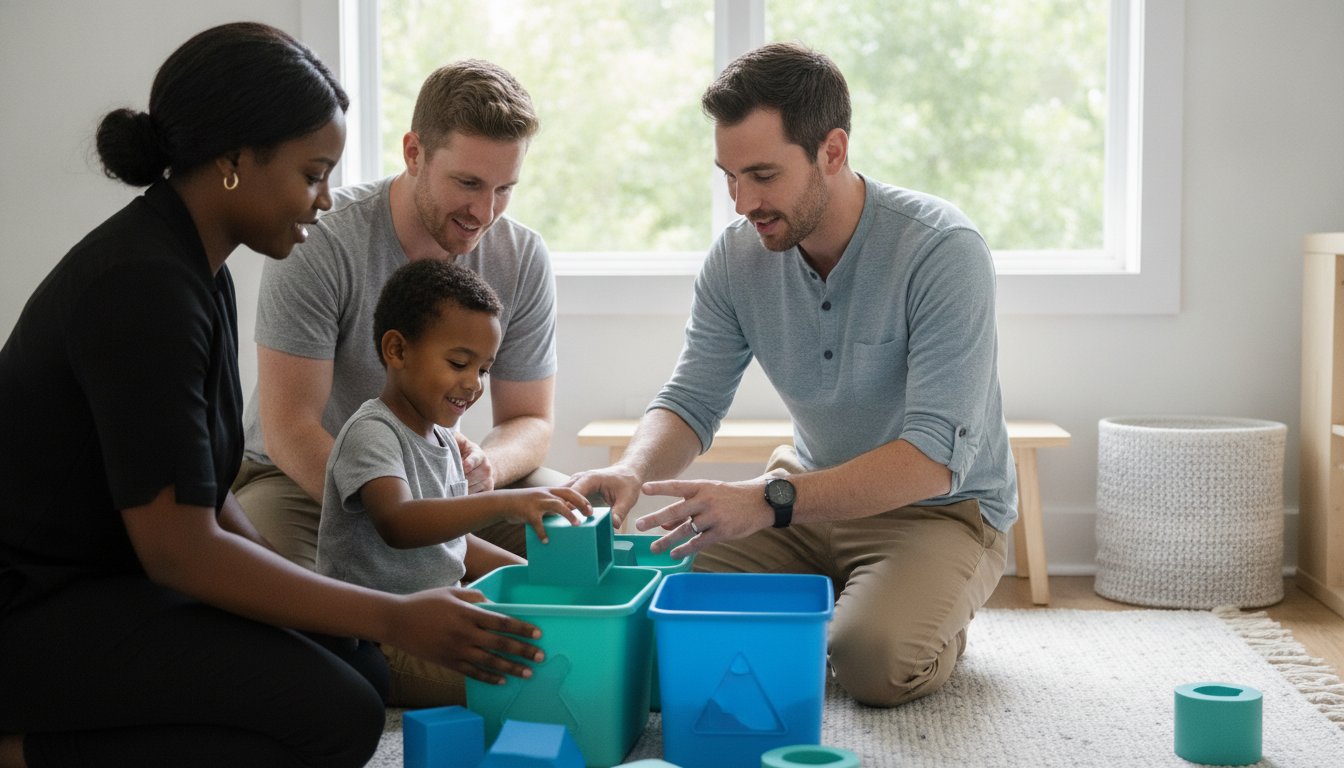
We use evidence-based methods like positive reinforcement to encourage the development of vital life skills. This process focuses on celebrating progress, no matter how small. By rewarding desired behaviors, we help children feel successful and motivated to continue learning. This approach turns daily challenges into opportunities for growth, ensuring that the therapy experience remains positive and supportive for both the child and their parents. Whether we are working in clinic based ABA therapy or at home, the focus remains on building confidence alongside skill.
The Role of Peer-Reviewed Research
Every technique used in a professional setting stems from decades of validated psychological research. These methods aren't based on trends or guesses; they're grounded in rigorous studies published in prestigious outlets like the Journal of Applied Behavior Analysis (JABA). For families, "evidence-based" means these strategies have been proven effective for diverse learners across various settings and age groups. It provides the peace of mind that your child is receiving care that is both safe and scientifically sound, moving beyond simple observation to clinical certainty.
Data-Driven Progress Tracking
Measurable growth is the heartbeat of quality ABA. Our therapists collect real-time data during every session to ensure we're moving in the right direction. This constant feedback loop allows BCBAs to pivot and refine individualized treatment plans immediately if a child isn't responding as expected. Under the 2026 North Carolina legislative reforms, these mandatory individualized care plans and increased scrutiny of treatment hours are essential for ensuring high-quality outcomes. You won't have to wonder if the therapy is working. Instead, you'll see clear, objective evidence of your child’s development over time, fostering confidence in the path forward through every incremental success.
Why BCBA-Owned Clinics Set the Standard in Cary
In Cary, the landscape of autism support is expanding rapidly, yet not all growth serves the best interests of the child. Many families find themselves choosing between large corporate clinics and smaller, clinician-led practices. At Divergent Minds ABA, we believe the distinction is fundamental. When a clinic is BCBA-owned, the leadership is comprised of Board Certified Behavior Analysts who prioritize clinical outcomes over investor returns. This ensures that every decision, from staffing ratios to the physical environment, is designed to foster progress for children with autism.
This leadership model directly impacts the quality of staff training and therapist retention. In many "big box" clinics, high turnover is a common concern for parents who worry about the loss of rapport between their child and their therapist. However, a boutique approach allows for a deeper investment in our Registered Behavior Technicians (RBTs). Because our owners understand the daily realities of the therapy room, they provide the level of support and mentorship that keeps talented therapists engaged and committed to their clients. This consistency is vital for children who thrive on routine and stable relationships, ensuring the evidence based ABA therapy Cary families receive is grounded in both science and empathy.
Clinical Integrity vs. Corporate Metrics
Corporate clinics often focus on high-volume metrics and billable hours to satisfy distant stakeholders. In contrast, a BCBA-owned practice focuses on the integrity of the individualized treatment plan. By maintaining smaller caseloads for our BCBAs, we ensure they have the bandwidth to truly know your child. They aren't just reviewing data from a distance; they are active participants in the learning process. This leads to better outcomes because the "evidence" in evidence based ABA therapy Cary is analyzed with a level of detail that corporate models simply cannot match. Our priority is the child's development, not a quarterly earnings report.
Direct BCBA Involvement in Cary
Families in Cary benefit from having direct access to senior clinical leadership. You aren't just a name in a database; you're a collaborative partner in your child’s development. This local connection means we understand the specific Wake County resources available to you and can better coordinate care with local schools and specialists. Because behavioral approaches are recognized by CDC treatment guidelines as having the strongest evidence for treating ASD symptoms, we take our role as local experts seriously. We define the value of a BCBA-owned clinic as the intersection of clinical expertise and local accountability. If you are ready to see how a personalized approach can make a difference, speak with a member of our clinical team to explore the next steps for your family.
Evidence-Based Settings: Clinic, Home, and Community
One of the greatest strengths of behavioral science is its versatility. It's not a rigid program confined to a single room; rather, it's a flexible approach designed to adapt to where your child lives, plays, and learns. Because ABA is considered an Evidence-Based Best Practice by the US Surgeon General, we focus on delivering care in environments that offer the most benefit for your child’s specific developmental goals. When searching for evidence based ABA therapy Cary families often find that a combination of settings provides the most comprehensive path toward independence.
Clinic-Based Success in Cary
A specialized center offers a level of structure and intentionality that is difficult to replicate elsewhere. In our clinic based ABA therapy, children benefit from a controlled environment where distractions are minimized, allowing them to focus on acquiring foundational skills. This setting is particularly effective for "school readiness" goals, as it mirrors the classroom environment while providing the necessary one-on-one clinical support. It also creates a unique opportunity for social skills groups. These peer interactions allow children to practice cooperative play and communication in a safe, guided space, building the confidence they need for future academic settings.
Natural Environment Teaching (NET) at Home
While the clinic provides a structured foundation, home based ABA therapy focuses on Natural Environment Teaching (NET). This approach uses your child's own toys, interests, and daily routines to drive learning in a way that feels organic and engaging. It's an essential strategy for generalizing skills. A child might learn to follow a direction in a clinic, but practicing that same skill at the family dinner table ensures it becomes a permanent part of their daily life. Choosing in-home ABA therapy Cary NC also reduces the logistical stress of travel, allowing therapy to integrate seamlessly into your family's bedtime or mealtime routines.
To round out this approach, community based ABA therapy takes these learned skills into the real world. Whether it's a trip to a local Cary park or navigating a grocery store, we help children apply what they've learned in dynamic, unpredictable settings. This multi-layered approach ensures that progress isn't just something that happens during a therapy session; it's a transformation that follows your child throughout their entire day.
Evaluating Evidence-Based ABA Providers: A Parent’s Checklist
Empowerment begins with transparency. As you explore options for evidence based ABA therapy Cary providers offer, remember that you are interviewing a partner for your child’s development. High-quality care isn't just about the number of hours provided; it's about the ethical standards and clinical oversight that govern those hours. You should feel comfortable asking specific questions about how a clinic operates, who will be working directly with your child, and how they ensure every session remains productive and compassionate.
A critical component of this oversight is the relationship between the Board Certified Behavior Analyst (BCBA) and the Registered Behavior Technician (RBT). While the RBT provides the direct, daily therapy, the BCBA is the architect of the plan. Ask potential providers about their supervision ratios. In North Carolina, BCBAs must complete 32 Continuing Education Units every two years to maintain their license, ensuring they stay current with the latest clinical standards. You want a clinic where the BCBA is frequently present, observing sessions and adjusting the approach in real-time to meet your child's evolving needs.
Quality Markers to Look For
Look for evidence of individualized care rather than a generic curriculum. Every child with autism has a unique profile of strengths and challenges, and their therapy goals should reflect that individuality. During your intake call or tour, consider asking the following questions to gauge the quality of the program:
- How often does the BCBA provide direct supervision to the RBT working with my child?
- How do you handle challenging behaviors, such as an extinction burst, with empathy and clinical precision?
- Can you show me how you track data and how often that data is shared with families?
- What are the specific credentials and experience levels of your clinical leadership team?
The Importance of Family Collaboration
Evidence-based therapy must include your family’s goals, culture, and daily realities. It isn't enough for a child to succeed in a vacuum; they need to succeed within the context of their home and community. This is why parent coaching is a non-negotiable part of a high-quality program. These sessions aren't just about giving advice; they're about building your confidence as your child’s primary advocate and teacher. When you participate in coaching, you bridge the gap between clinical sessions and daily life, ensuring that progress continues long after the therapist has left. The best evidence based ABA therapy Cary has to offer feels like a partnership, not a prescription. If you're ready to partner with a team that values your family's unique journey, contact our Cary clinical team today to schedule a tour and learn more about our approach.
The Path Forward with Divergent Minds ABA
Divergent Minds ABA represents a steadfast commitment to the highest clinical standards. We combine rigorous behavioral science with a deeply human touch, ensuring that your child’s journey is both effective and compassionate. For families seeking high-quality evidence based ABA therapy Cary, this means your child’s development is overseen by experts who are personally invested in the local community. We believe that clinical rigor doesn't have to come at the expense of empathy. Instead, the two work together to create an environment where children feel safe to learn, explore, and grow.
Our boutique, BCBA-owned model is specifically designed to serve families in Cary, Apex, and Raleigh who are looking for a more personal alternative to large corporate clinics. Because our leadership consists of practicing clinicians, we maintain a direct line of communication with every family we serve. The path forward begins with a thorough intake process, moving from your initial inquiry to a comprehensive clinical assessment. During this phase, we look beyond the diagnosis to understand your child’s unique personality, strengths, and preferences. We then build a plan that celebrates incremental progress, recognizing that every small win is a vital building block for a more independent future.
Building Confidence and Independence
The ultimate goal of our work is to foster the skills your child needs for a lifetime of self-advocacy and success. We focus on building functional communication and social navigation that extends far beyond our sessions. Our social skills groups are a vital part of this mission, providing a structured yet warm environment where children can build meaningful connections with their peers. Our clinical team maintains an optimistic, supportive tone, focusing on what your child can achieve rather than just the challenges they face. We're here to be your steady, knowledgeable guide through every stage of development.
Getting Started in Cary
Taking the first step toward therapy can feel like a significant milestone, and we're here to make that transition as smooth as possible. Our team assists with insurance verification from the very beginning, helping you understand your coverage and reducing the administrative stress often associated with starting care. We invite you to reach out and discover how a collaborative, expert-led approach can transform your child’s potential into reality. Contact Divergent Minds ABA to learn more about our evidence-based programs.
Empowering Your Child’s Future in Cary
Choosing the right support is a pivotal decision for your family's journey. You now have the tools to identify high-quality evidence based ABA therapy Cary providers by looking for BCBA-owned clinical leadership and personalized treatment environments. Whether your child thrives in a structured clinic, the comfort of home, or the dynamic settings of the community, the right therapy respects their individuality while following rigorous clinical standards. Each setting offers unique benefits that, when combined, create a comprehensive path toward independence.
True progress is built on a foundation of expert oversight and heartfelt family collaboration. By prioritizing compassionate, data-driven parent coaching, you ensure that the skills your child develops today become the building blocks for a lifetime of self-advocacy. You don't have to navigate this complex path alone; a dedicated partner can make all the difference in your child's success.
Begin Your Child’s Journey with Cary’s BCBA-Owned ABA Experts
We believe in the power of incremental progress and the celebration of every success. Your child's future is bright, and we're honored to be a supportive ally in this rewarding journey.
Frequently Asked Questions
Is ABA therapy considered the "gold standard" for autism treatment?
ABA is widely considered the gold standard because it's backed by decades of peer-reviewed research. Organizations like the American Psychological Association and the US Surgeon General recognize it as an effective, evidence-based intervention for autism. This approach focuses on measurable outcomes and skill acquisition. By choosing evidence based ABA therapy Cary families ensure their child receives care that has been scientifically validated to improve functional independence and social communication.
How many hours of evidence-based ABA therapy does my child need?
The number of therapy hours is determined through a comprehensive clinical assessment of your child’s specific needs. Some children may benefit from focused intervention of 10 to 20 hours per week, while others require more intensive support. We don't believe in a "one-size-fits-all" approach. Instead, your BCBA will recommend a schedule that balances clinical goals with your family’s routine to ensure sustainable, long-term progress for your child.
What is the difference between ABA therapy and occupational therapy?
ABA therapy focuses on the science of learning and behavior to build communication and social skills. Occupational therapy (OT) typically addresses sensory processing, fine motor skills, and activities of daily living. While they focus on different developmental areas, they often work together to support a child’s overall growth. Many families in Cary utilize both services to provide a holistic approach to their child’s unique needs and long-term success.
Can ABA therapy be done in a community setting like a park or grocery store?
Yes, ABA can and should happen in community settings like parks, grocery stores, and restaurants. Divergent Minds ABA provides Community Based ABA Therapy to help children generalize the skills they’ve learned in the clinic to real-world environments. This ensures that progress isn't limited to a therapy room. Practicing social interactions and safety skills in public spaces is a vital step toward independence and meaningful community participation for local children.
How do I know if my ABA provider is actually using evidence-based methods?
You can verify evidence-based methods by asking your provider about their data collection and BCBA oversight. A quality provider will show you clear, objective graphs of your child’s progress and explain how they adjust treatment plans based on that data. If a clinic uses generic plans or lacks direct BCBA involvement in sessions, it may not be meeting the highest clinical standards for evidence based ABA therapy Cary families deserve.
Does insurance in North Carolina cover evidence-based ABA therapy?
North Carolina law requires most state-regulated health insurance plans to cover medically necessary ABA therapy for individuals under age 19. Senate Bill 676 mandates a minimum annual benefit of $40,000, and NC Medicaid covers services for children under 21 without a specific dollar cap. We accept multiple insurance providers and can help your family navigate the verification process to make therapy more accessible for children in Cary, Apex, and Raleigh.
How involved do parents need to be in the ABA therapy process?
Parent involvement is a cornerstone of successful therapy and a core part of our philosophy. We offer Parent Coaching to help you implement behavioral strategies during your daily routines at home. When parents are active partners in the process, children are much more likely to maintain their new skills and apply them across different environments. Your insights and goals are essential for creating a truly individualized and effective treatment plan.
What should I do if my child seems stressed during an ABA session?
If your child appears stressed, our clinical team immediately assesses the environment and the current task to provide support. We prioritize a compassionate approach that balances clinical goals with your child’s emotional well-being. While some frustration can occur during the learning process, it's our job to ensure the therapy remains a positive experience. We use empathy and positive reinforcement to help children navigate difficult moments and build resilience for the future.