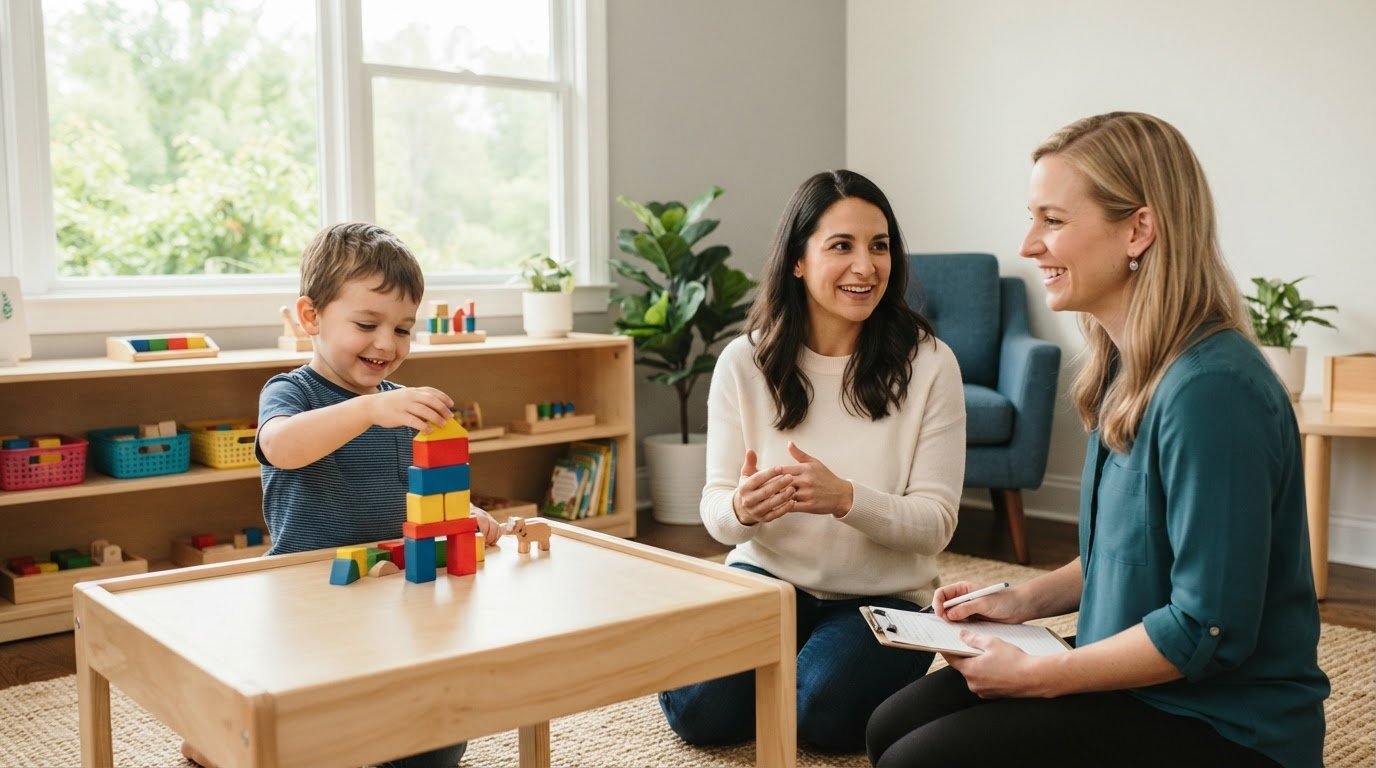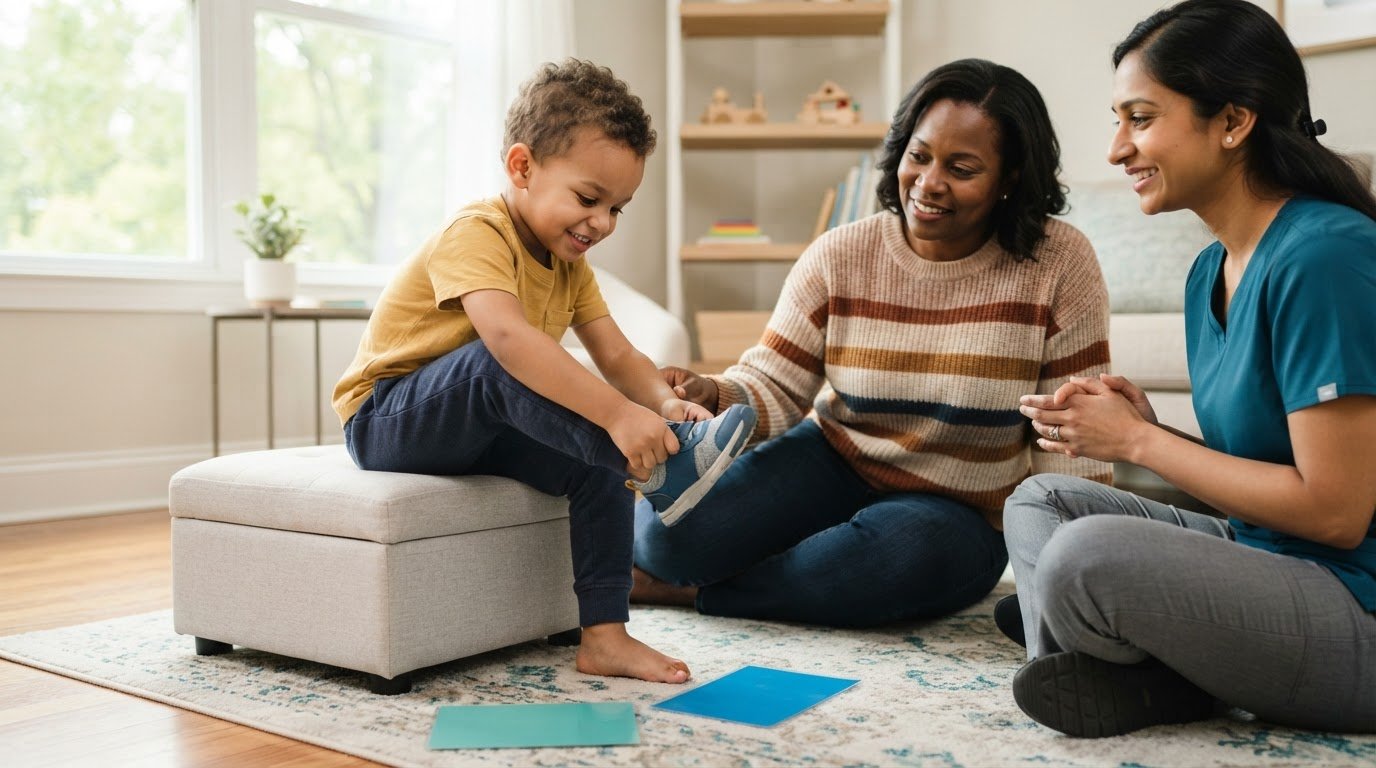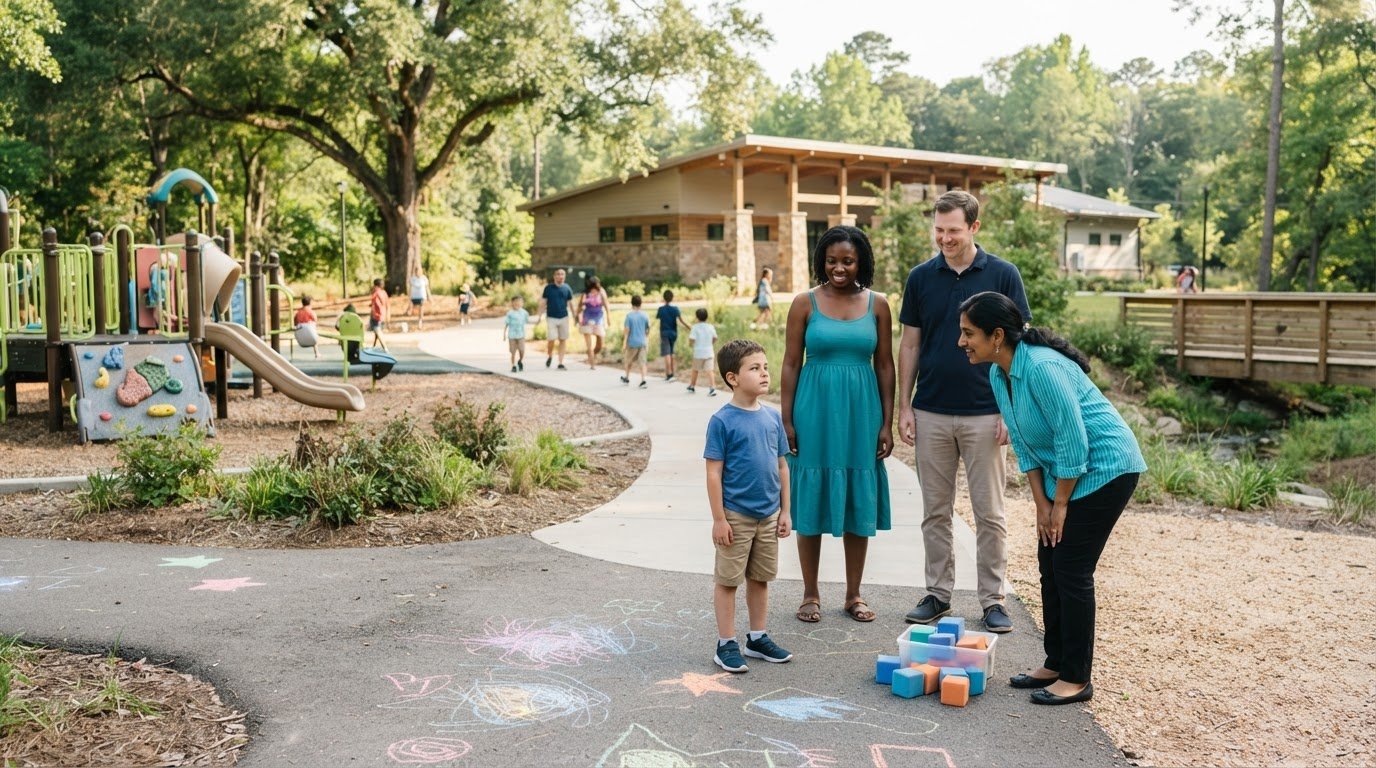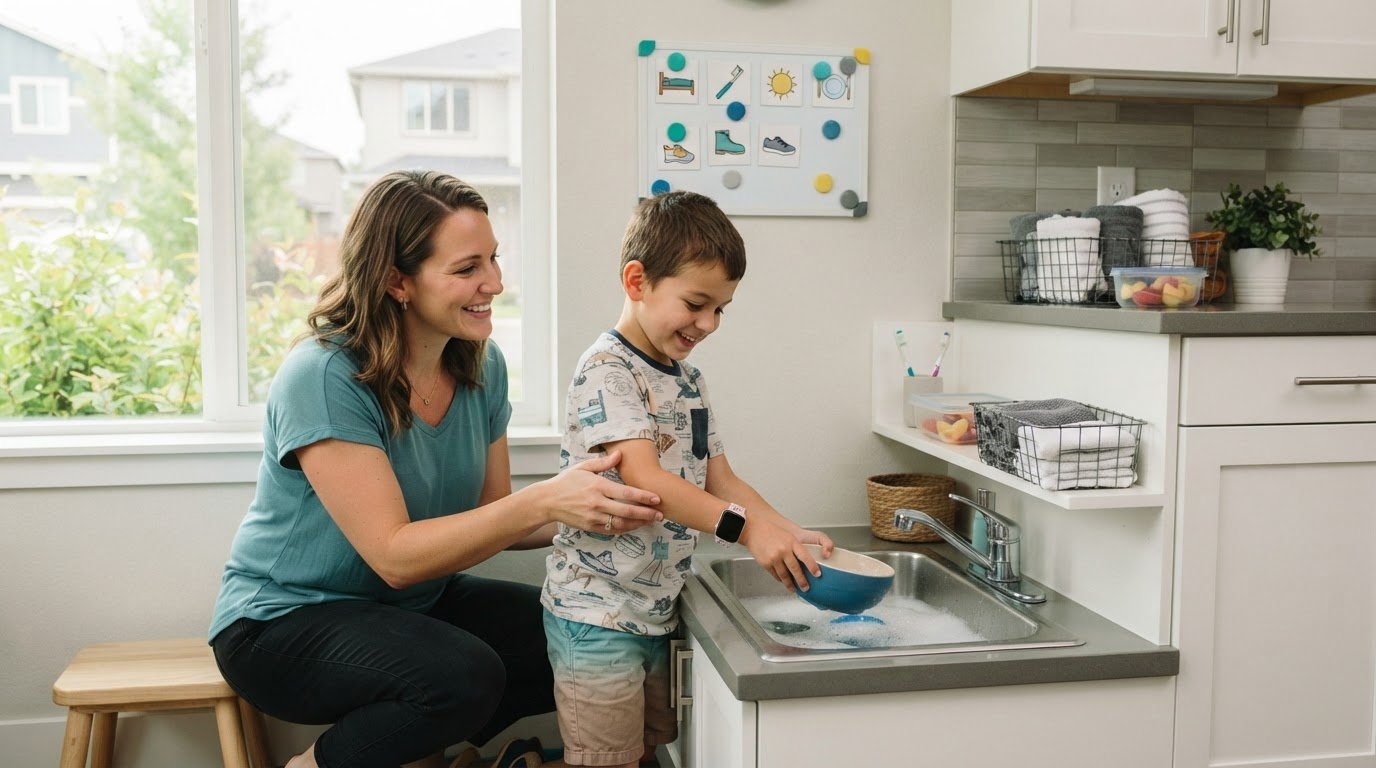
You pick your child up from school and the teacher offers glowing reports of a calm, compliant student, yet the moment you walk through your front door, a massive meltdown erupts. It's a confusing cycle that often leaves parents feeling like they're failing or doing something wrong at home. This exhausting phenomenon is known as masking, a survival strategy where autistic individuals suppress their natural traits to fit into social expectations. You aren't alone in this struggle. Many families face this exact disconnect, worrying about the long-term mental health of a child who feels they must perform to be accepted.
We're here to help you bridge that gap between social performance and genuine self-expression. This guide explains why masking happens and how it can lead to significant burnout according to the latest DSM-5-TR standards. You'll learn practical strategies to reduce the need for camouflage in daily life. We will also explore how modern therapy approaches, like individualized ABA, focus on building functional skills that celebrate your child's true self rather than forcing imitation. Together, we can create an environment where your child feels safe enough to simply be themselves.
What is Masking in Autism? Defining the 'Social Camouflage'
Authenticity is the foundation of healthy development. For many autistic children, however, the world feels designed for a different set of rules. To navigate this, they often develop a complex set of behaviors known as masking. It is the conscious or unconscious suppression of natural autistic traits to appear neurotypical. This involves hiding parts of oneself to fit into a social mold that doesn't naturally align with their internal experience. While it may look like progress on the surface, it's often a protective response to social pressure.
Clinicians often use the term "camouflaging" as a broader umbrella for these strategies. Within this, we distinguish between healthy social learning and performative strategies. Social learning focuses on building tools for connection and mutual understanding. Performative efforts, by contrast, are about concealment. It is an attempt to avoid judgment or "pass" as non-autistic. Understanding What is Autistic Masking? helps families recognize that these behaviors are frequently a response to feeling unsafe or misunderstood in their environment.
The Signs of Masking in Children
Identifying these behaviors requires a keen, empathetic eye. Because these actions are designed to be invisible, they often go unnoticed until a child reaches a point of exhaustion. Common signs include:
- Mimicking peers: A child might carefully observe and copy the gestures, phrases, or social interests of their classmates to blend in.
- Suppressing stimming: They may intentionally stop repetitive movements, like hand flapping or rocking, specifically when they know others are watching.
- Rehearsed scripts: Using exact lines from movies, books, or past conversations to navigate social interactions rather than using spontaneous language.
Why Masking is Different from Typical Social Skills
There's a significant difference between learning how to interact and feeling forced to perform. Typical social skills are designed to facilitate connection and shared joy between people. Suppression focuses on concealment and self-protection. While a neurotypical child might learn to wait their turn to participate better, an autistic child who is hiding their traits is often working overtime to monitor their every move. The discrepancy between their internal effort and their external appearance is vast. Masking is a labor-intensive survival strategy used to navigate neurotypical environments. Our social skills groups focus on genuine connection rather than imitation, ensuring your child develops tools that support their true identity.
Why Do Autistic Children Mask? Understanding the Pressure
Belonging is a fundamental human need. For many autistic children, the path to social acceptance feels like it requires a constant performance. This pressure to blend in often stems from a deep-seated fear of peer rejection or the simple desire to make friends. When neurotypical environments like schools or playgrounds reward quiet and compliant behavior, they inadvertently teach children that their natural traits are obstacles to overcome. This creates a cycle where masking becomes the only perceived way to achieve social success.
Early childhood expectations often lean heavily on compliance. If a child is praised primarily for sitting still or making eye contact, they may begin to view their authentic self as something to hide. Sensory overwhelm and social anxiety also play significant roles. When the world feels too loud or unpredictable, a child might camouflage their traits to appear fine on the outside while struggling significantly on the inside. They learn that their comfort is secondary to the comfort of those around them.
The Role of Social Environments
School structures are frequently designed for neurotypical brains, prioritizing stillness and uniform participation. In the high-pressure academic landscape of Cary and the surrounding Triangle area, these expectations can feel even more intense. Families in our community often face environments where high achievement and social conformity are the benchmarks for success. Children quickly learn that standing out can lead to peer bullying or social exclusion. This constant vigilance often results in masking, preventing them from engaging in the natural environment teaching that helps them grow authentically.
The Need for Safety
Safety isn't just about physical well-being; it's about emotional security. By hiding their traits, children aim to avoid the stigma associated with being different. This behavior also helps them reduce conflict with authority figures who might misinterpret autistic behaviors as defiance. Over time, this can become a subconscious trauma response where the child doesn't even realize they're doing it. They become so accustomed to the performance that they lose touch with their own needs and preferences. If you're seeing these patterns in your child, our team can help you discuss a personalized support plan that values authenticity over imitation.
The High Cost of Masking: Burnout and 'After-School Collapse'
Consistency is often the first casualty of heavy social performance. While a child might appear to be thriving in public, the internal energy required to maintain that facade is immense. This chronic state of exhaustion is known as Autistic Burnout. It isn't just being tired; it's a profound depletion of physical and mental resources that can take weeks or months to recover from. When masking becomes a full-time job, the cost is paid in the child's long-term well-being and emotional stability.
The 'Perfect Child' vs. The 'Home Meltdown'
Many parents describe a confusing disconnect between school reports and home reality. Teachers often see a "perfect student" who is quiet, compliant, and follows every rule. This is frequently the result of After-School Restraint Collapse, also known as the coke bottle effect. Imagine a bottle of soda being shaken all day; the cap stays on at school, but the moment the child reaches the safety of home, the pressure is released in a massive explosion. Holding it together for seven hours is physically and emotionally draining. This discrepancy can create significant tension between parents and educators, as schools may not realize the internal struggle the child is facing. Our parent coaching services help families navigate these conversations with schools to ensure the child's needs are met in every environment.
Loss of Self and Identity
The constant need to perform for others can blur a child's understanding of their own identity. When every social interaction is scripted, it becomes difficult for an individual to identify their personal needs, genuine interests, or unique strengths. Masking doesn't remove autistic traits; it only delays their expression at a higher internal cost. Over time, this disconnection from the self can lead to increased rates of anxiety and depression in autistic youth. They may feel that their true self is inherently "wrong" or "unacceptable," which deeply damages their self-esteem. We focus on building confidence through home-based ABA therapy, providing a safe space where children can explore their authentic interests without the pressure to conform. By prioritizing self-advocacy over social mimicry, we help children develop a resilient sense of self that lasts a lifetime.
How to Support Authenticity: Strategies for Parents
Creating a supportive environment begins with a fundamental shift in perspective. Home should be a sanctuary where the pressure of masking is replaced by the freedom of authenticity. By prioritizing acceptance over conformity, you provide the emotional safety necessary for your child to flourish. This process starts by establishing "mask-free zones" where there are no expectations for social performance or typical behavioral standards. In these spaces, your child is free to exist without the weight of neurotypical expectations.
Validating self-regulatory behaviors is a vital part of this journey. Stimming, for instance, isn't a behavior that needs to be corrected; it's a healthy tool for processing sensory input and managing emotions. When you celebrate your child's unique ways of moving and interacting, you reinforce that their natural self is valuable. Similarly, lean into their special interests. These deep passions aren't just hobbies. They are essential pathways for building genuine confidence and providing a sense of mastery that social performance cannot offer.
Promoting Self-Advocacy over Compliance
Shifting the focus from compliance to self-advocacy empowers your child to own their experiences. Instead of teaching them to hide their discomfort, we focus on helping them express when they feel overwhelmed. This includes honoring the word "no" and respecting their personal boundaries in social interactions. In Cary, we often collaborate with families to create IEP goals that prioritize these communication skills. When a child can say "I need a break" or "this is too loud," they are using functional tools that protect their mental health rather than relying on masking to get through the day.
Building a Supportive Home Environment
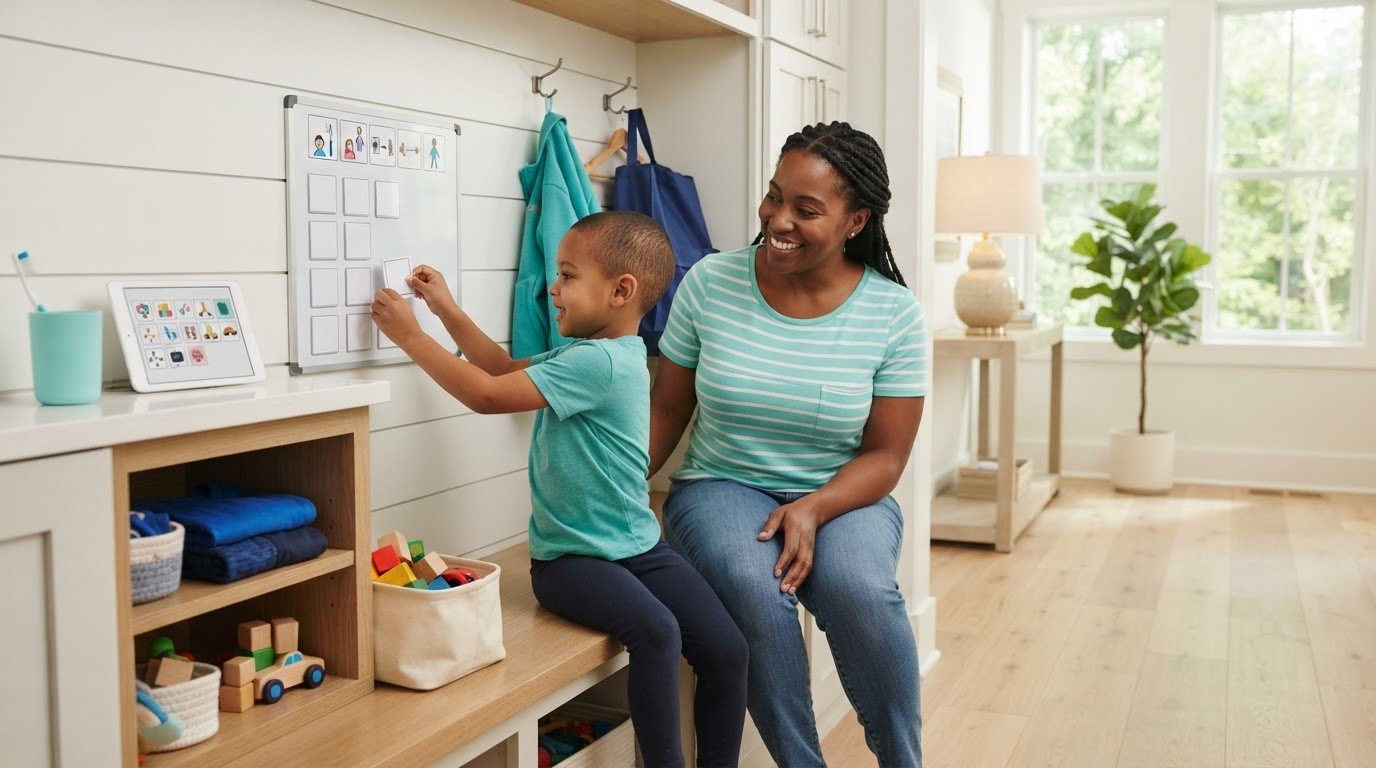
A neuro-affirming home environment recognizes the need for decompression, especially after a long school day. Reducing sensory demands, such as dimming lights or providing a quiet corner, helps prevent the after-school collapse discussed earlier. Through parent coaching, our team works with you to implement strategies that honor your child's internal experience while building practical life skills. We utilize Natural Environment Teaching to ensure that learning happens in the context of your family's real life. For more specific local resources, see our guide on In-Home ABA Therapy in Cary. If you're ready to move toward an authenticity-first approach, you can contact our team to start a conversation about your child's unique path.
Modern ABA: Moving Beyond Masking to Authentic Growth
Progress is measured by a child's ability to navigate the world as their authentic self. In the past, some behavioral interventions focused heavily on compliance, which inadvertently encouraged masking to meet external standards. Modern ABA has shifted this paradigm. We prioritize functional communication over social mimicry, ensuring that a child has the tools to express their needs, preferences, and boundaries. Instead of teaching a child to act non-autistic, we focus on building skills that enhance their independence and confidence. This approach ensures that the child's voice remains the central focus of their development.
This shift is most evident in how we approach self-regulation. The outdated goal of "quiet hands" has been replaced by a focus on functional self-regulation. We recognize that movements like stimming often serve a vital purpose in managing sensory input and emotional states. Our goal is to support the child's natural regulatory process while ensuring they can safely and effectively engage with their environment. Our social skills groups reflect this philosophy by focusing on connection rather than imitation. We help children find their tribe, connecting them with peers who celebrate their neurodivergence rather than teaching them how to fit a pre-determined mold.
Why a BCBA-Owned Practice Matters
Expertise and ethics are the cornerstones of effective support. As a BCBA-owned practice, we provide direct oversight to ensure that every intervention prioritizes the child's long-term emotional well-being. We understand that masking can lead to significant burnout, so our clinicians are trained to recognize and reduce the social pressures that cause it. Our individualized treatment plans celebrate incremental progress, focusing on the unique strengths of each child rather than a one-size-fits-all curriculum. For a deeper look at different approaches, you can explore the various Types of ABA Therapy for Autism available to your family.
Authenticity in the Clinic and Community
Growth happens best when a child feels safe and understood. Our clinic-based ABA provides a structured yet warm environment where children can practice unmasking among supportive professionals. As they gain confidence, community-based ABA allows them to take those authentic advocacy skills into real-world settings. Whether we are working in Cary, Apex, or Raleigh, our focus remains on personalized, family-oriented care. We believe that by valuing the child's true self today, we're building the foundation for a happy, self-determined future. Our team is here to walk alongside you, celebrating every step toward a more authentic life.
Embracing Your Child’s Authentic Path
Helping your child move from performance to authentic expression is a journey built on trust and understanding. We've explored how masking serves as a protective response to social pressure and why the resulting burnout requires a compassionate, neuro-affirming approach. By creating a supportive environment at home and prioritizing self-advocacy, you're giving your child the tools they need to flourish as their true self.
At Divergent Minds ABA, we believe every child deserves to be seen and celebrated for who they are. Our BCBA-owned and operated practice provides evidence-based, empathic care tailored to the unique needs of Cary, Apex, and Raleigh families. We focus on building functional skills that promote independence while honoring each individual's identity. If you're ready to explore a therapy approach that values authenticity over imitation, we're here to guide you through every step of the process.
Schedule a consultation with our BCBA-owned clinic in Cary today to begin this collaborative journey. You don't have to navigate this path alone; we're committed to helping your child reach their full potential with confidence and joy.
Frequently Asked Questions
Is masking a conscious choice for autistic children?
Masking is frequently an unconscious survival strategy rather than a deliberate choice. Children often suppress their natural traits as a subconscious response to social pressure or sensory overwhelm. It's a way to feel safe and accepted in environments that may not naturally accommodate their needs. Over time, this performance becomes so automatic that the child may not even realize they are doing it until they reach a state of total exhaustion.
What is the difference between masking and learning social skills?
True social skills focus on building meaningful connections and mutual understanding between individuals. Masking, however, is centered on concealment and the suppression of one's authentic self to avoid judgment. While social skills are tools for interaction, camouflaging is a labor-intensive effort to "pass" as neurotypical. We prioritize functional communication that allows children in Cary to express their needs while remaining true to their unique identities and strengths.
Can masking lead to a delayed autism diagnosis?
Yes, masking often leads to delayed identification, particularly for girls and individuals with high verbal abilities. Because these children appear socially compliant and follow classroom rules, their internal struggles remain invisible to educators and clinicians. The DSM-5-TR explicitly warns that this "social camouflage" can mask traits until social demands exceed the individual's capacity to cope. This often results in a diagnosis occurring much later than the US median age of 47 months.
How can I tell if my child is masking at school?
You might notice a sharp contrast between teacher reports of a calm student and the intense meltdowns that occur once your child returns to the safety of home. Other signs include physical exhaustion after school, a heavy reliance on rehearsed scripts during peer interactions, and the sudden suppression of stimming in public. If your child seems to be "holding it in" all day, they are likely using significant energy to hide their autistic traits.
Will my child be able to succeed in the workplace if they don't mask?
Success in the workplace doesn't require a child to hide who they are for their entire life. Instead, long-term happiness comes from developing self-advocacy skills and finding neuro-affirming environments. By focusing on functional independence and clear communication now, we help children in the Raleigh area prepare for careers where their unique perspectives are valued. Authentic growth allows them to contribute meaningfully without the devastating mental health costs associated with chronic camouflaging.
How does modern ABA therapy address the issue of masking?
Modern, BCBA-owned practices like ours move away from compliance-based models that once encouraged masking. We focus on functional self-regulation and communication rather than "quiet hands" or forced eye contact. Our individualized treatment plans celebrate incremental progress and prioritize the child's emotional well-being. By utilizing Natural Environment Teaching in Cary and Apex, we ensure that skills are built around the child's authentic interests and personal goals.
What should I do if my child's teacher says they are 'fine' but they struggle at home?
This disconnect is common and usually indicates After-School Restraint Collapse. It's helpful to explain to the teacher that your child is likely using all their energy to stay regulated at school, leaving nothing left for home. You can advocate for sensory breaks or a more flexible environment to reduce this pressure. Our parent coaching services offer specific strategies to help families in Raleigh bridge the gap between school expectations and home reality.
Are there specific signs of masking in autistic girls versus boys?
While masking occurs across the spectrum, research indicates it is often more prevalent or complex in autistic girls. Girls may have special interests that appear more socially typical, such as animals or literature, which helps them blend in more easily. They also tend to exhibit higher rates of social mimicry, carefully studying peers to copy their gestures and conversation styles. Boys may mask by staying quiet or avoiding interaction to minimize the risk of social conflict.