What if social progress meant feeling more connected, not learning to perform a script? If you’re exploring autism social skills training Cary families can access, you may be wondering which goals will matter to your child and whether practice will respect their personality, communication, and preferences. Social support should build on a child’s strengths, not ask them to hide who they are.
At Divergent Minds ABA, social goals are part of individualized, collaborative support. The right goal may look different for every child, whether it involves sharing an interest, expressing a need, or feeling more comfortable in a group. Children can practice in different settings, too: one-to-one sessions, social skills groups, and everyday routines at home or in the community each offer distinct opportunities to connect.
This guide explains what social skills training can involve, how to choose meaningful goals, and what to consider when comparing individual, group, clinic, home, and community settings. You’ll also find ways to keep family input central and a practical next step for exploring support in Cary, Apex, and Raleigh.
What Autism Social Skills Training in Cary Can Help a Child Practice
Families may hear “social skills training” and picture conversation drills or lessons on making friends. Those can be relevant for some children, but they’re only part of the picture. Autism social skills training Cary families explore can support communication, shared activities, personal boundaries, and participation in situations that matter to the child.
Social learning can help a child connect, communicate, and advocate for themselves. It doesn’t require them to appear typical. A useful goal should support the child’s comfort, agency, or access to meaningful activities, rather than simply make their behavior look more familiar to others.
Autistic people vary in how they communicate, interact, and experience the world. A broad overview of autism and intervention approaches can provide background, but a child’s own preferences and everyday needs should guide their individual goals.
Which social skills might a child choose to work on?
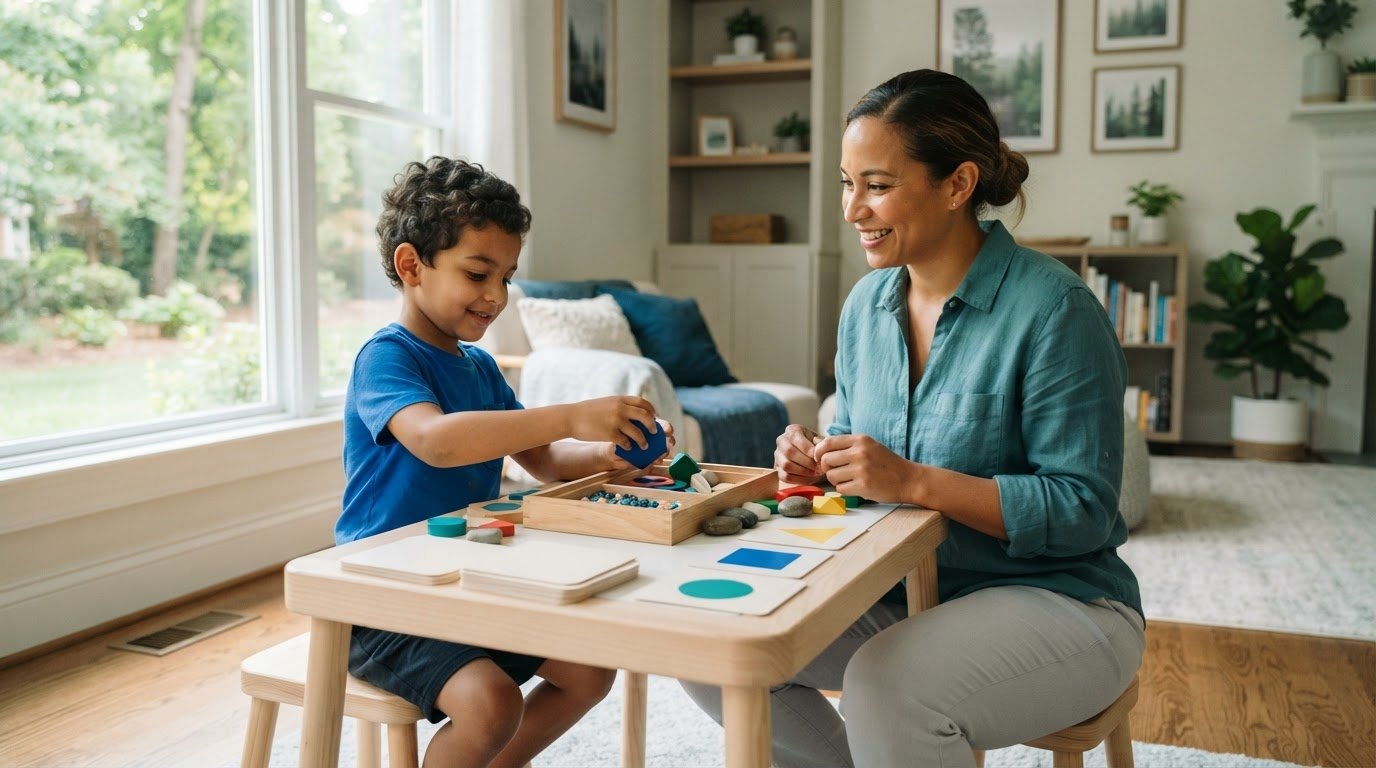
Start with situations the child wants to join or finds challenging. A child who loves building, for example, may want support inviting someone to add to a project. Another might practice taking turns in a preferred game, asking for a break, or telling a peer, “I don’t want to play that.” These practical skills can support participation and self-expression.
- Joining a preferred activity or sharing an interest
- Taking turns in a game, conversation, or collaborative task
- Communicating a boundary, request, or need for space
- Recognizing conversational cues, if that fits the child’s goals
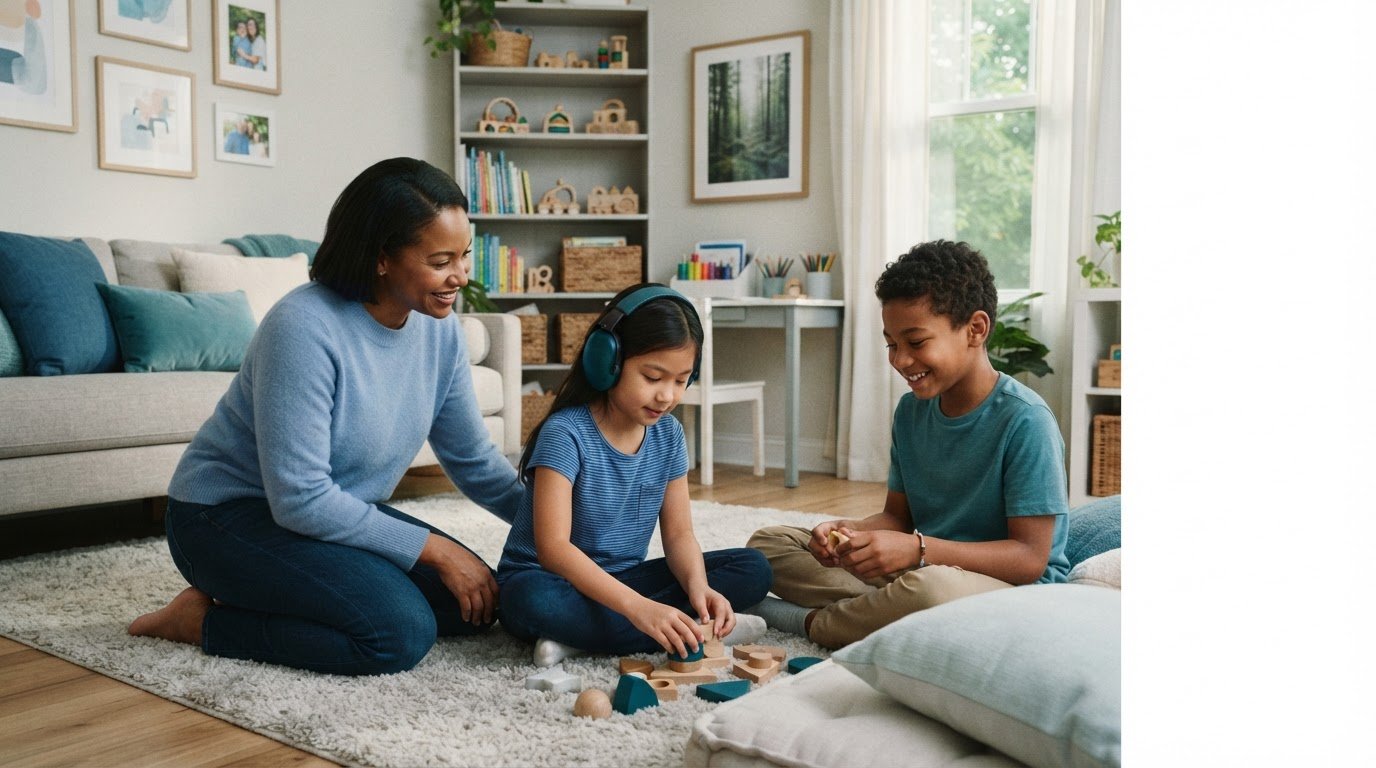
Recognizing a cue, such as noticing when someone wants a turn to speak, may be useful for one child and irrelevant to another. Interests can make practice more comfortable. A child’s existing strengths, such as detailed language, visual supports, gestures, or a communication device, can also be part of learning. In social skills groups, shared activities offer opportunities to practice interacting with peers.
What makes a goal meaningful for an autistic child?
A meaningful goal connects with real life. Families can share what the child enjoys, avoids, or wants to do more independently, while a clinician can help turn those priorities into observable, teachable steps. “Make friends” may be too broad to guide practice. “Ask a classmate to join a game during recess” is more specific, if the child wants to do that.
Look for goals that expand access, connection, and self-advocacy. Eye contact, quiet hands, or typical speech shouldn’t be universal measures of success. A child may listen while looking elsewhere, communicate through gestures, or show enthusiasm through movement. Consider whether the child can express preferences, take part in chosen activities, and feel respected while doing so. Goals can be revisited as the child’s interests and needs change.
How ABA-Based Social Skills Training Teaches and Practices New Skills
Effective teaching starts with a reason that matters to the child, not a preset lesson plan. In individualized ABA support, a clinician and family can identify a practical goal, break it into understandable steps, and choose ways to practice that fit the child’s communication and interests. The process is guided, but it shouldn’t be one-size-fits-all.
A typical learning sequence may include:
- Identify a meaningful goal: Define what the child wants or needs to do in a real situation.
- Explain or model: Show or describe a possible way to approach it, using language or visuals that work for the child.
- Practice with support: Rehearse through play, role-play, games, or peer activities, using prompts when helpful.
- Review and adjust: Notice what felt comfortable, what was challenging, and whether the goal or teaching approach needs to change.
A prompt is a cue that helps a child take the next step, such as a visual reminder or a brief suggestion. Support can be reduced as it becomes less useful. Positive reinforcement means recognizing or encouraging an action in a way that matters to that child. That might mean continuing a favorite activity, receiving specific positive feedback, or experiencing the natural benefit of being included. The aim is to support learning, not reward a child for hiding discomfort or complying with every request.
Repeated, supported practice can help a child use a developing skill in situations that matter to them. Games, visual supports, role-play, and time with peers are possible tools, not requirements. A clinician can adapt them to the child’s goal, preferences, and response.
How do clinicians turn a broad concern into a teachable goal?
Suppose a parent says, “My child has trouble joining group activities.” The clinician and family can explore which activities the child enjoys, how they prefer to communicate, and what makes joining easier or harder. A more useful goal might focus on expressing interest in a preferred group activity, using speech, a gesture, or another communication method that suits the child.
Details help shape the practice. Is the group familiar or new? Does the child prefer to watch before joining? What strengths could help, such as knowledge of the activity or comfort with visual choices? The child’s response can help the team decide whether to adjust the cue, setting, or goal. There’s no single script that fits every child.
How can practice connect to everyday life?
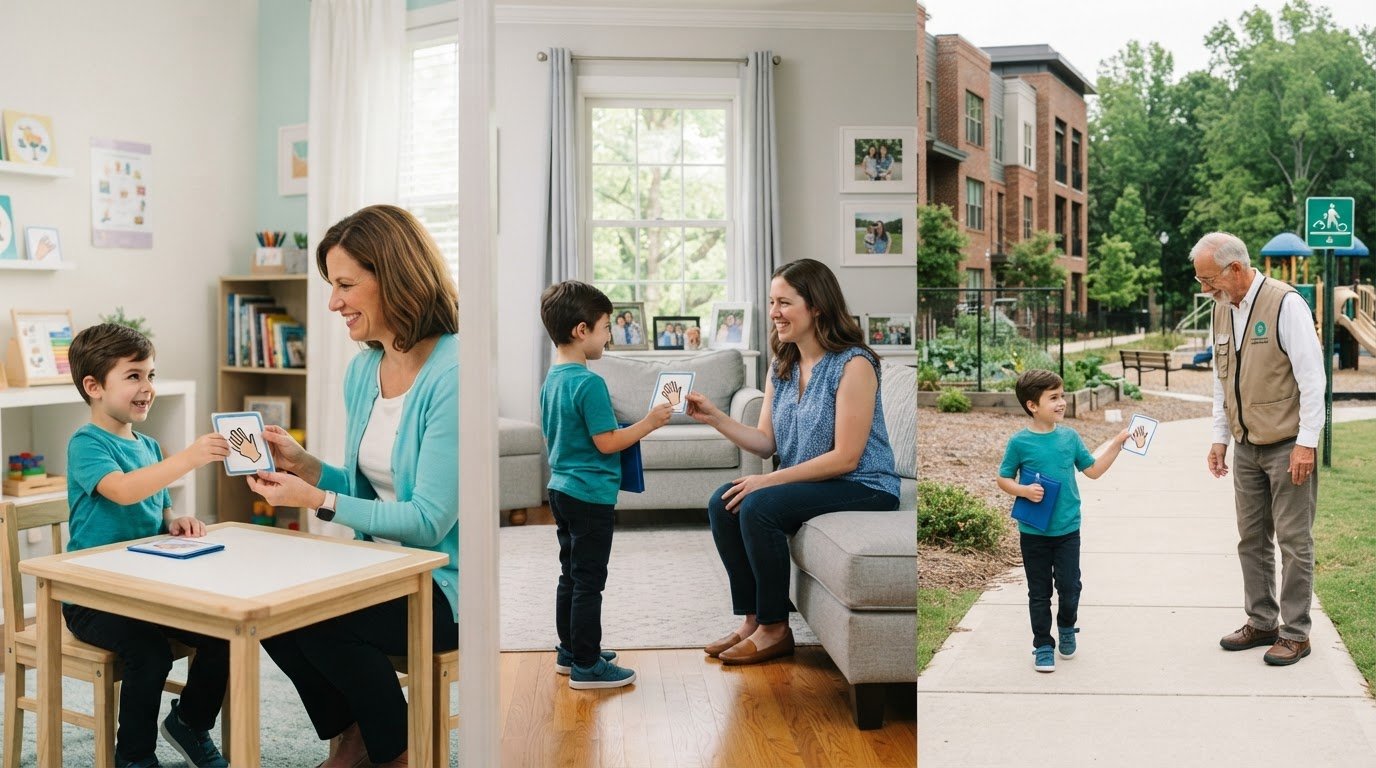
A child might first try a new way to join an activity in a clinic, where a clinician can offer structure and support. With family collaboration, the same skill can be practiced in familiar routines, such as playing with a sibling or taking part in a community activity. Families can share which situations arise naturally and what communication strategies already work at home.
Community-based ABA therapy creates opportunities to practice skills in relevant everyday settings, while family input keeps goals connected to the child’s life. If you’re considering autism social skills training Cary families can explore, connect with Divergent Minds ABA to discuss individualized support.
Group, Individual, Clinic, or Community Training: Comparing Cary-Area Options
There isn’t one setting that works best for every child. The right fit depends on the goal, the child’s comfort, and where the skill will be useful. It also helps to separate the format from the setting: individual or group describes who is practicing together, while clinic or community describes where practice happens.
| Option | Practice context | Peer interaction | May fit goals involving |
|---|---|---|---|
| Individual sessions | Focused practice with a clinician | Not central, though another person may join an activity | Building a skill step by step, exploring communication supports, or practicing at a comfortable pace |
| Social skills groups | Shared games, projects, or other group activities | Peers are part of the practice | Taking turns, collaborating, or communicating preferences in a group |
| Clinic practice | A structured setting with planned activities and support | Depends on the session format | Learning or rehearsing a skill with familiar structure |
| Community practice | Activities in everyday settings relevant to the child | Depends on the activity and who is present | Using a skill in a context where it naturally matters |
These options can complement one another. A child might first practice a communication strategy individually, then try it during a shared activity, and later use it in a familiar community setting. That sequence isn’t required; it’s one way to connect focused learning with everyday participation. For families considering autism social skills training Cary offers, the key question is how each format supports the child’s own goal.
What can a social skills group offer that individual practice may not?
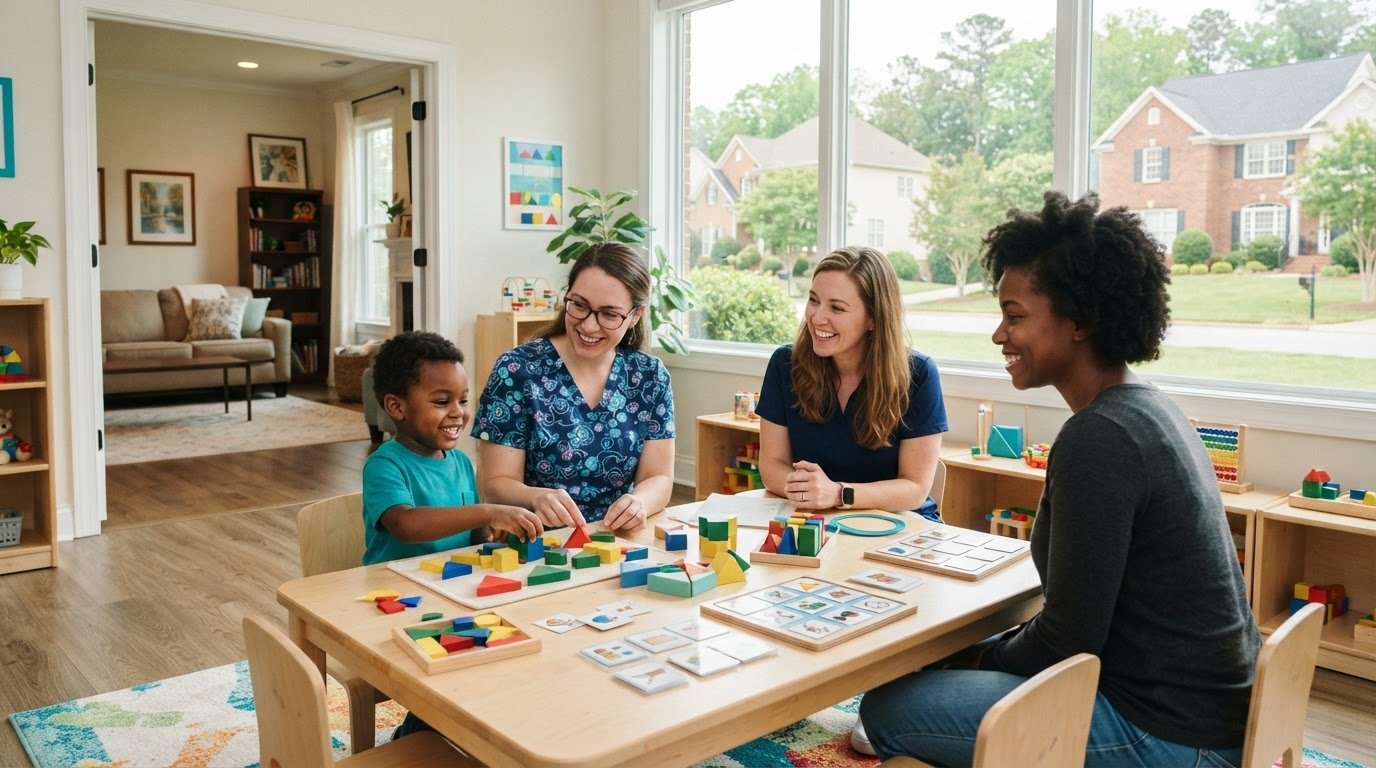
A group provides supported opportunities to respond to peers, share materials, and take part in activities together. This can be useful when a child wants to practice collaboration or peer interaction. Group participation should still fit the child’s comfort and priorities. A group isn’t automatically the next step for every learner. Social skills groups for kids provide a shared setting to practice interaction through activities.
When might clinic or community practice fit a family’s goals?
A clinic can offer structure for focused learning, with activities arranged to support a particular goal. Clinic-based ABA therapy gives a child supported practice in that setting. Community practice connects learning with everyday situations, such as participating in a chosen activity outside the clinic. The useful setting depends on where the child wants or needs to use the skill.
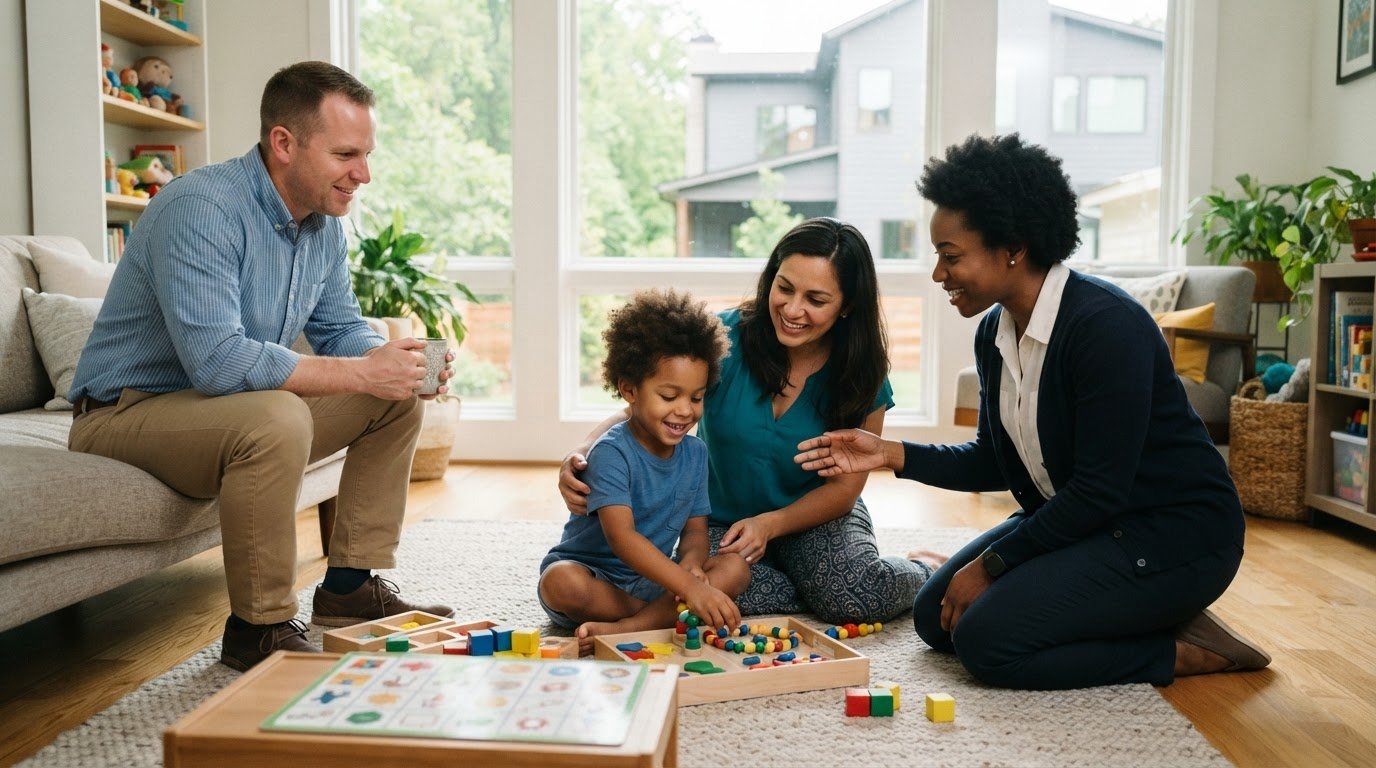
Families can discuss formats and settings with Divergent Minds ABA. Bring the child’s preferences, current routines, and desired opportunities into the planning process instead of assuming one approach suits everyone. Talk with the team about your family’s goals.
How to Set Respectful Goals and Recognize Meaningful Progress
Social learning should support a child’s connection, communication, and autonomy, not pressure them to mask harmless differences. A goal is worth discussing if it helps the child participate in something they value or express what they need. Focus on what the skill makes possible, not whether the child looks more typical while using it.
Before agreeing on a goal, families and clinicians can consider:
- Relevance: Does this matter to the child, or is it mainly an adult expectation?
- Context: Where might the skill be useful, and with whom?
- Consent or assent: Does the child show willingness to participate, and can they communicate a need to pause or stop?
- Observable usefulness: Can the family describe how the skill could support access, comfort, connection, or self-advocacy?
Rather than making “look at the speaker” a target by default, a family might explore how their child shows they’re listening and whether they want a way to ask for clarification. The meaningful outcome is understanding and communication, not a particular outward behavior.
How can families distinguish useful teaching from pressure to mask?
Useful teaching expands a child’s options. It might help them communicate a preference in a way that works for them, enter a chosen activity, or let someone know they need a break. Pressure to mask, by contrast, asks a child to suppress harmless movement, change a comfortable communication style, or hide distress mainly to meet other people’s expectations.
Notice the child’s response during practice. Do they seem engaged, able to take breaks, and free to communicate discomfort? If a goal brings persistent distress or has little value to the child, revisit it with the clinician. ABA programs and social goals aren’t all identical. Families can discuss how a particular plan respects the child’s preferences and responds to their experience.
What can families discuss when reviewing goals and progress?
Progress can take different forms: initiating an interaction, declining an invitation, asking for help, or enjoying a shared activity. A child may use a new communication strategy only in a familiar setting at first. That can still be meaningful information, not a failure to generalize. Ask whether the goal remains useful in daily life and whether the child wants to keep working on it.
Meaningful progress is greater participation and self-advocacy, not simply a more typical appearance. Clinical observations can describe what happened during practice, while family observations add context: what the child chooses at home, which situations feel easier, and what they communicate afterward. Reviewing both perspectives can help the team refine the goal or support. Parent coaching for autism can help families apply strategies in everyday routines.
If you’re considering autism social skills training Cary families can shape around their child’s priorities, talk with Divergent Minds ABA about your child’s goals.
Finding Autism Social Skills Support in Cary, Apex, and Raleigh
Turning a concern into a useful conversation doesn’t require having every goal figured out. You might notice that your child enjoys being near other children but isn’t sure how to join an activity, or communicates comfortably at home but finds a familiar community routine harder. These details can help identify what support should make easier, while keeping the child’s preferences at the center.
Divergent Minds ABA is a BCBA-owned practice serving families in Cary, Apex, and Raleigh. Its collaborative approach gives families room to share what they’re noticing and what they hope their child can do. Those priorities can guide a conversation about individualized ABA support and settings that may fit the child’s needs.
What should families prepare before discussing support?
You don’t need a polished list of goals. A few everyday observations are a helpful starting point. Consider where connection feels easy, where it feels difficult, and what situations matter most to your child. For example, you might notice that your child is eager to talk about a favorite topic, prefers time to watch before joining a group, or communicates clearly when offered a visual choice.
It can also help to jot down:
- Interests: Activities, topics, or routines your child chooses and enjoys.
- Communication preferences: How your child expresses interest, asks for help, shares an idea, or signals a need for space.
- Family priorities: A daily situation where more choice, comfort, or participation would matter to your child and family.
Small examples are useful. “Likes joining a game after watching first” offers a clearer picture than a broad label like “struggles socially.” Families can also share what has already helped, so planning builds on the child’s strengths instead of starting from assumptions.
How can individualized ABA support fit local family life?
Divergent Minds ABA is owned and operated by a Board Certified Behavior Analyst, and family collaboration is part of individualized goal planning. Clinic-based practice can offer structure for focused learning. Home-based support can connect goals to familiar routines, while community-based practice can link learning with everyday activities. Social skills groups provide opportunities for peer interaction, and parent coaching helps families carry strategies into daily life.
These contexts offer different possibilities, not a ranking of which one is best. A family and clinician can consider where a skill is relevant, what environment feels manageable for the child, and how the child communicates comfort or hesitation. The plan can focus on practical participation and the child’s priorities, rather than expecting every child to practice in the same way.
If you’re exploring autism social skills training Cary families can shape around their child, start with the moments that matter to your family. Talk with our Cary-area team about social skills support.
Take the Next Step Toward Support That Fits
A helpful next step doesn’t require a perfect plan. Bring one situation you’d like to understand better, along with what your child enjoys and how they prefer to communicate. That’s enough to begin a thoughtful conversation about goals that can support connection and choice.
For families exploring autism social skills training Cary , Divergent Minds ABA is a BCBA-owned and operated practice offering individualized ABA services in clinic, home, and community settings, as well as social skills groups and parent coaching. Family collaboration keeps support connected to the child’s priorities, rather than a one-size-fits-all idea of social success.
Talk with our Cary-area team about your child’s goals. A small, thoughtful first step can help your family explore meaningful support at a pace that respects your child.
Frequently Asked Questions
How early can a child start autism social skills training?
A child can begin practicing social communication when support is developmentally appropriate and connected to their needs, rather than at a specific age. For a young child, that might mean communicating “help,” responding to a play invitation, or signaling they want a turn. A clinician can consider the child’s communication, attention, interests, and readiness, then shape goals and activities to suit them.
How long does social skills training usually take to show progress?
There’s no standard timeline for progress because goals, starting points, practice opportunities, and communication styles differ. One child may begin using a request during a familiar activity, while another may need more time or a different support strategy. Families can review specific examples with the clinician, such as whether a skill is emerging in more than one routine, and adjust goals when they stop being useful.
Can social skills training work alongside a child’s school supports?
Yes, it can complement school supports when the family and relevant professionals agree on priorities and share information appropriately. For example, if a child is working on asking for clarification, the family might discuss consistent ways to recognize that request across settings. School plans and clinical goals don’t need to be identical, but clear communication can help prevent conflicting expectations and keep the child’s preferred communication methods understood.
Does insurance cover autism social skills training in North Carolina?
Coverage depends on the insurance plan, the type of service, and its authorization requirements. Some plans cover ABA treatment, but that doesn’t mean every service format, including a group, is covered in the same way. For autism social skills training Cary families are considering, review the plan’s current behavioral health benefits and ask the insurer about the specific service and billing arrangement. Divergent Minds ABA accepts multiple insurance providers.
What should parents expect during an initial conversation about social skills support?
Expect a chance to describe what your child enjoys, which daily situations feel challenging, and what you hope support might make easier. Bring a recent example, such as a moment your child wanted to join an activity but communicated that in an unexpected way. The conversation can explore possible priorities and support settings. You don’t need to arrive with a finished list of goals.
Can a child benefit from social skills training without wanting more friendships?
Yes. Social support can help with goals that aren’t about making friends, such as communicating “no,” asking for help, understanding an activity’s shared expectations, or participating in a preferred group without pressure to interact more than the child wants. The starting point can be the child’s own priorities. Connection may mean sharing an interest, communicating with a trusted person, or choosing when to engage.
How can parents support social communication without correcting every interaction?
Respond to what your child is communicating before correcting how they communicate it. If they show you a drawing without speaking, you might acknowledge the picture and invite them to share more in their preferred way. Offer a model only when it helps with an immediate need, and allow time for a response. You can also notice what worked, rather than turning each conversation into a lesson.