
Yes, ABA for sibling rivalry and autism in Apex can support more positive interactions by teaching communication, turn-taking, and emotional regulation. A therapist can identify situations that lead to conflict, model helpful responses, and coach family members to use clear, respectful boundaries. Progress varies by child and should reflect goals that fit the individual child and family.
Sibling conflict can be stressful, and autism-related communication differences may make misunderstandings harder to resolve. This article explains how ABA can address sibling interaction skills, what progress and family coaching may involve, and how therapists can model cooperation while keeping participation voluntary and age-appropriate. It also covers why clear roles matter, how to acknowledge each child’s feelings, and how boundaries can help siblings connect without making one child responsible for the other’s behavior.
1. Can ABA Therapy Help with Sibling Rivalry?
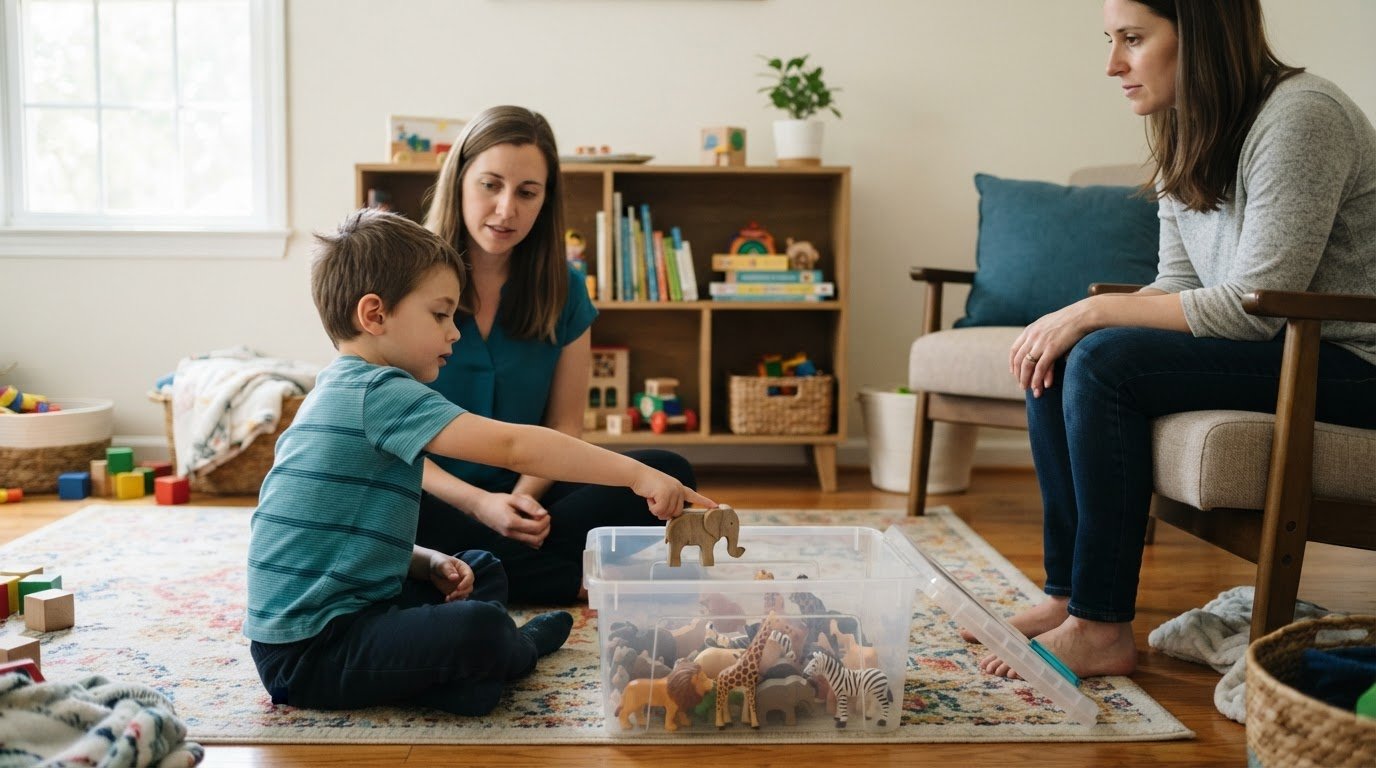
Yes. ABA can help autistic children and their siblings build communication, turn-taking, and emotional regulation skills that support calmer interactions. A therapist may observe what happens before conflict and teach a response that fits the child’s communication style. For example, a child who has difficulty asking for a toy could practice requesting it with words, gestures, or pictures.
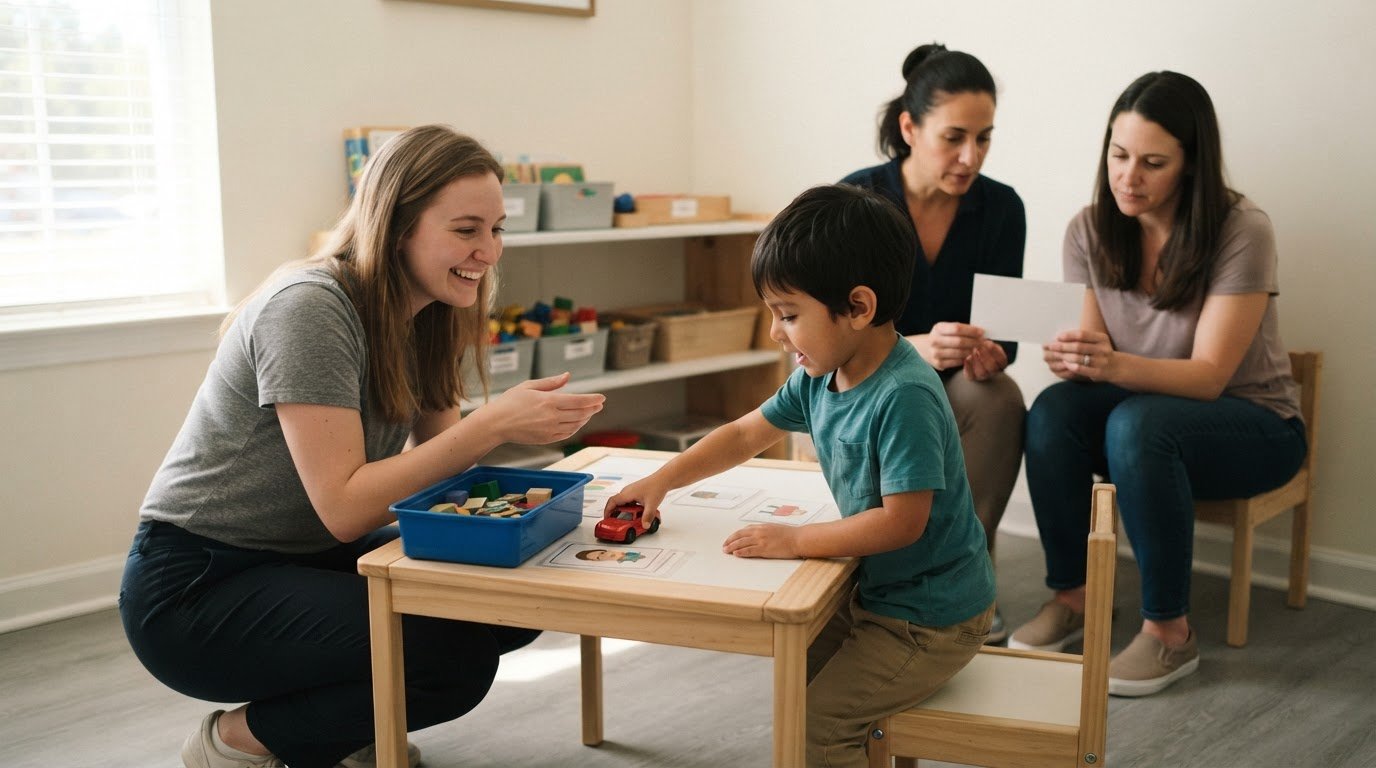
Misunderstandings can spark arguments when siblings interpret words, gestures, or play differently. One child may see taking a toy as sharing, while another may feel that a special item is being taken away. ABA can help families identify these patterns and practice clearer ways to ask, wait, and respond. During a structured game, a therapist can model turn-taking and coach both children through a disagreement using words rather than physical actions.
Fairness doesn’t always mean giving each child identical rules. It means setting clear expectations that allow for individual needs. A family might agree that each sibling asks before borrowing a personal item, while allowing different ways to communicate. Parents can also notice which shared activities lead to positive interactions, such as a puzzle with separate roles, and create more opportunities for them.
Patience and compromise are skills children can practice, not expectations they must meet perfectly. A therapist might prompt one child to wait while a sibling finishes a turn, then acknowledge a calm request or a successful compromise. Families can reinforce the same behavior at home. Consistent responses can help children learn what to do when a game changes, a request is denied, or someone needs space.
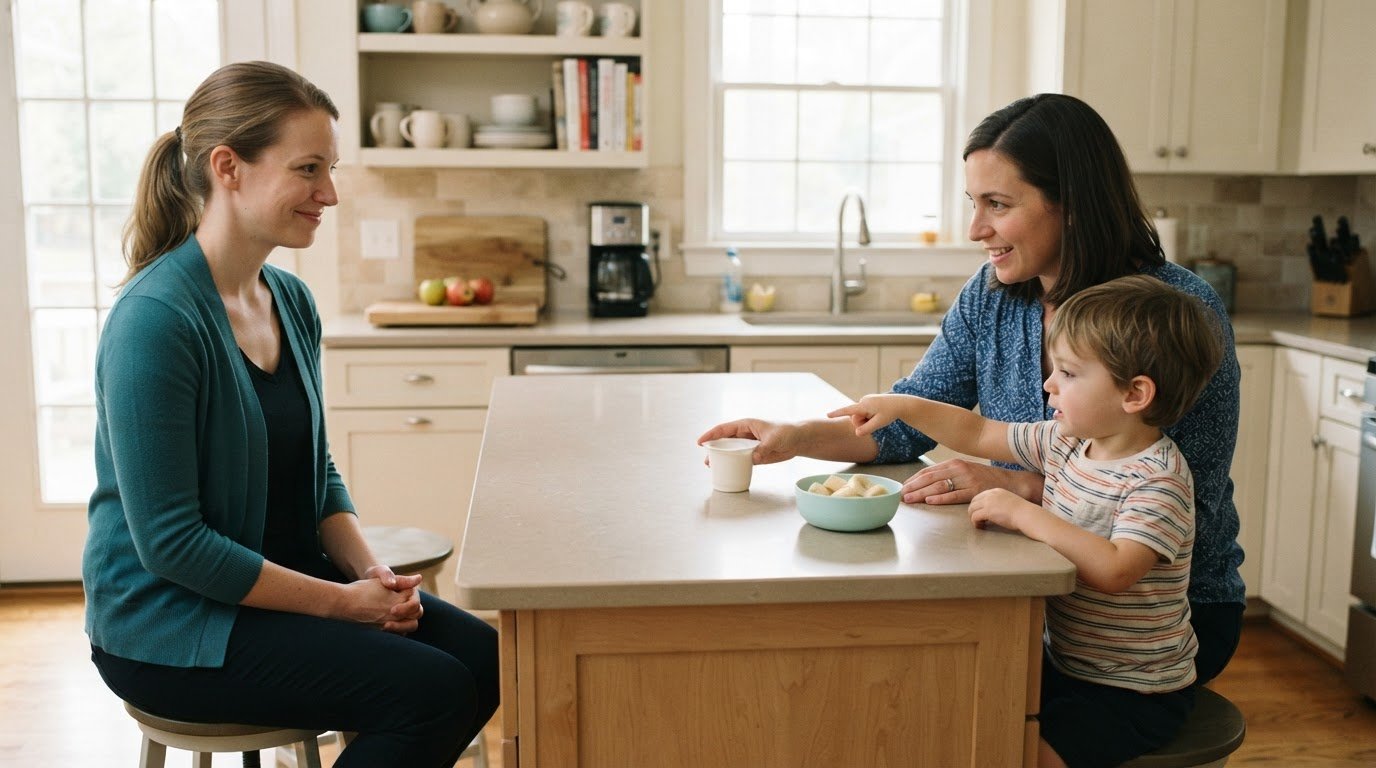
Education can support understanding, too. Parents can explain autism in age-appropriate language, acknowledge each child’s feelings, and make time for questions. A sibling may need reassurance that frustration is acceptable, while physical aggression is not. In one study finding, the Baby Siblings Research Consortium reported that 20.2% of siblings developed ASD, which was not significantly higher than the previously reported rate of 18.7%. That statistic concerns autism likelihood, not how siblings will relate to each other.
Alternatives to ABA include family check-ins, structured cooperative play, school guidance meetings, and sibling support groups. These approaches can encourage communication and give siblings space to discuss their experiences. Insurance coverage for ABA in North Carolina depends on the terms of the individual plan and the treatment goals; families can ask their insurer how it handles the specific plan of care.
2. Progress timelines and coaching support
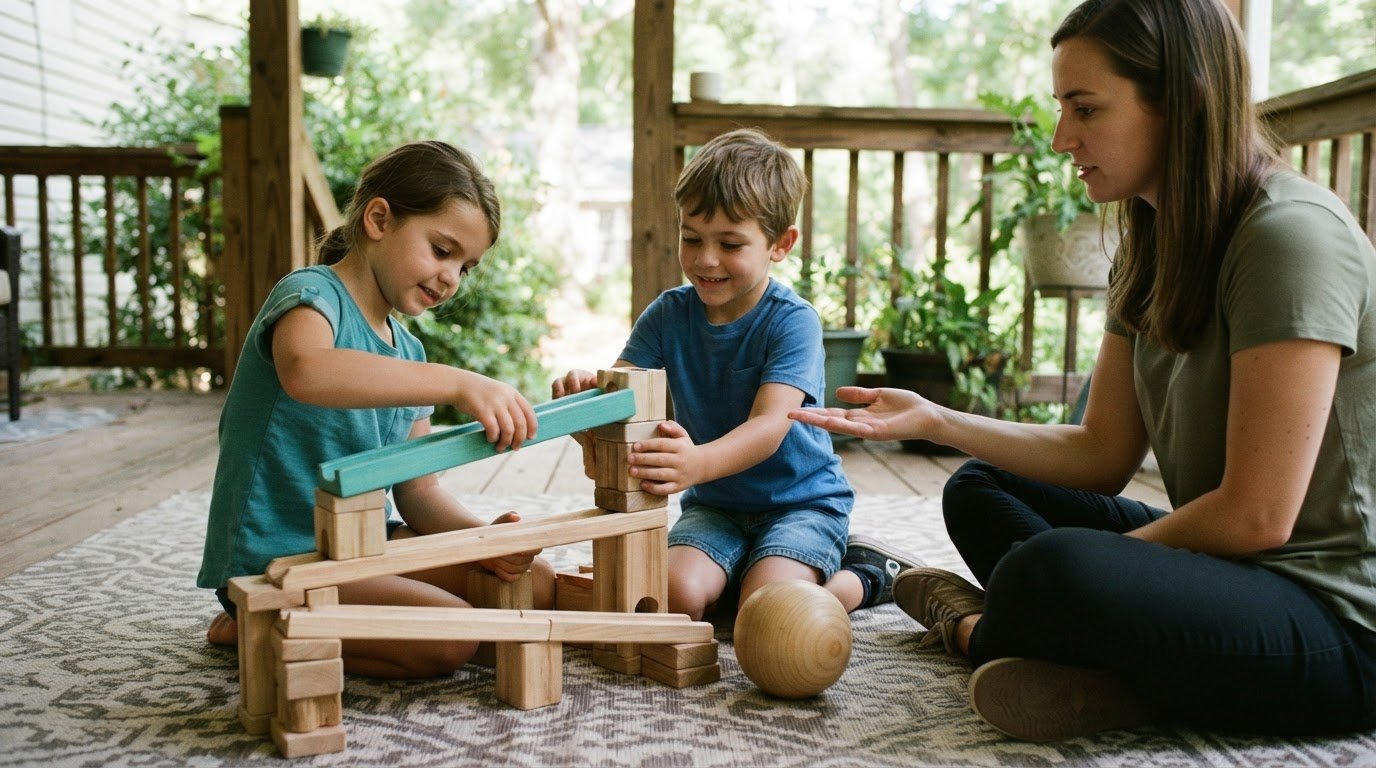
Progress is easier to evaluate when goals are observable. A clinician can track how often a sibling initiates play, how long reciprocal play continues, and how consistently a family member uses agreed coaching steps. For example, a sister might invite her brother to build with blocks, then wait for his response. These observations show whether a skill is emerging during practice, not just whether a session felt successful. They can also help the clinician adjust prompts, activities, and support to fit each child.
Families may notice measurable changes in sibling initiations or coaching fidelity after two to three weeks of consistent daily practice. That period can be a useful point to review patterns, not a deadline for every child. A clinician can compare observations across activities and settings, then discuss what helped a child engage. If initiations remain unchanged for at least two weeks, sharing weekly tracking results with the clinician can help guide next steps.
Coaching helps make progress practical in family life. A professional can explain treatment goals, describe how a skill supports the household, and show caregivers how to use consistent prompts and encouragement. For families considering ABA for sibling rivalry and autism in Apex, coaching can connect a therapy goal with specific routines at home. Rather than expecting a sibling to manage behavior, coaching gives adults a clear role in supporting both children.
Sibling mental health deserves attention alongside skill-building. A child may feel overlooked when therapy takes time or family routines change. Parents can offer individual attention, invite honest conversation, and notice persistent changes in sleep, appetite, mood, or school performance. For instance, a sister who withdraws from a favorite activity may need a calm check-in and support beyond shared play. Individual counseling or school guidance meetings can also offer an appropriate place to discuss difficult feelings.
Support groups can reduce isolation by helping siblings connect with peers who understand family life with autism. Age-appropriate books and guided family conversations can also answer questions without placing responsibility on a sibling. Families exploring ABA for sibling rivalry and autism in Apex can discuss whether goals include sibling participation and how the clinician will review progress. Clear expectations help keep family coaching practical and respectful.
For families seeking professional guidance, parent coaching for family goals can help caregivers reinforce skills beyond therapy sessions. To discuss how support can fit your family, share your family’s goals.
How ABA professionals teach a sibling helper through modeling and role-play
ABA professionals introduce sibling helpers through clear, age-appropriate teaching. They explain practical principles, such as noticing a helpful behavior, offering specific praise, and giving someone time to respond. For example, a therapist may show how to invite a sibling to play, wait for an answer, and accept “no” calmly. The sibling learns ways to engage, not how to direct therapy or manage behavior.
Modeling makes these skills visible. A therapist can demonstrate how to offer a choice between two activities, prompt a request, or pause when frustration rises. Parents can observe and learn language they can use consistently. During a block game, the therapist might say, “You asked before taking that piece,” to reinforce respectful communication without expecting either child to share every item.
Role-play lets siblings rehearse difficult situations before they arise during play. The therapist might act out a disagreement about whose turn comes next, then model a calm request and a simple compromise. The sibling practices the response with the therapist first. If the autistic child needs more processing time, the therapist can coach the helper to pause rather than repeat the question or take over.
Sibling-inclusive ABA therapy involves planned, voluntary participation in activities connected to the autistic child’s goals. A sibling might join a cooperative game, practice a communication strategy, or watch a therapist model a positive response. The professional defines each child’s role and gives the sibling the option to stop or take a break.
ABA professionals can teach conflict-reduction skills by identifying a specific situation, rehearsing a response, and reinforcing respectful attempts. A sibling could practice saying, “I’m still using this,” while the other child practices asking for a turn. The therapist can adapt prompts to each child’s communication needs, including gestures or pictures. This approach teaches safer, clearer ways to interact without forcing agreement.
Empathy grows through explanation and attention to both children’s feelings. A therapist or parent can describe why a change in routine feels difficult while acknowledging that a sibling may feel disappointed about waiting. They can model statements such as, “You wanted more time with the game,” then help each child identify a next step. This approach respects individual needs without expecting one sibling to absorb repeated frustration.
Risks include making participation feel compulsory, placing too much responsibility on a sibling, or focusing on compliance instead of the child’s comfort and communication. Professionals should keep roles clear, respect boundaries, and adjust activities if either child shows distress. A sibling helper supports connection. They are not a substitute therapist, behavior manager, or source of constant emotional support.
4. Why Are Sibling Relationships Important for Children with Autism?
A brother or sister can be a familiar companion during everyday routines. Sharing a favorite song, building with blocks, or walking to the mailbox creates natural chances to connect. These moments can give children with autism opportunities to practice social communication with someone who knows their interests. A sibling may also offer emotional support through a steady presence, humor, or simply joining a preferred activity.
Sibling relationships can provide a bridge to experiences beyond the family. For example, a brother might introduce an autistic child to a friend during a familiar game. A sister could make a group activity easier by explaining its steps or showing how to join. These interactions can support confidence and connection, while adults remain responsible for safety and guidance.
Shared activities also create opportunities for modeling. Children learn by watching how another person asks for a turn, follows a game’s rules, or responds when plans change. A sibling who says, “Let’s choose another puzzle,” can demonstrate flexible problem-solving in the moment. The goal isn’t to expect one child to teach the other constantly. Families can instead notice natural examples and encourage mutual participation.
Both children need individual attention, not only time together. Parents can protect 20 minutes of one-to-one time for a sibling, focused on that child’s interests and feelings. For instance, one parent might draw with the sibling while another supports the autistic child’s routine. This dedicated time helps each child feel seen without making attention a competition.
Individual time can reveal concerns that may be difficult to express during family activities. A child may mention feeling disappointed about a canceled outing or needing quiet after a noisy afternoon. Parents can listen without comparing siblings or dismissing the concern. Naming the feeling and agreeing on a specific next step gives the child a clear response and a chance to reconnect.
Children with autism also benefit when family routines make room for both shared and separate interests. A family might plan a cooperative board game, then let each child choose a different activity afterward. This balance respects sensory needs, age differences, and personal preferences. It also avoids making togetherness an expectation that either child must accept every time.
Relationships grow through repeated, manageable experiences, such as taking turns choosing music or sharing a short walk. Parents can recognize small signs of connection, including a spontaneous invitation, a calm pause, or returning to play after a break. These moments help families understand which activities feel comfortable and meaningful to each child, while preserving room for rest and individual friendships.
How ABA providers set boundaries for siblings in therapy sessions
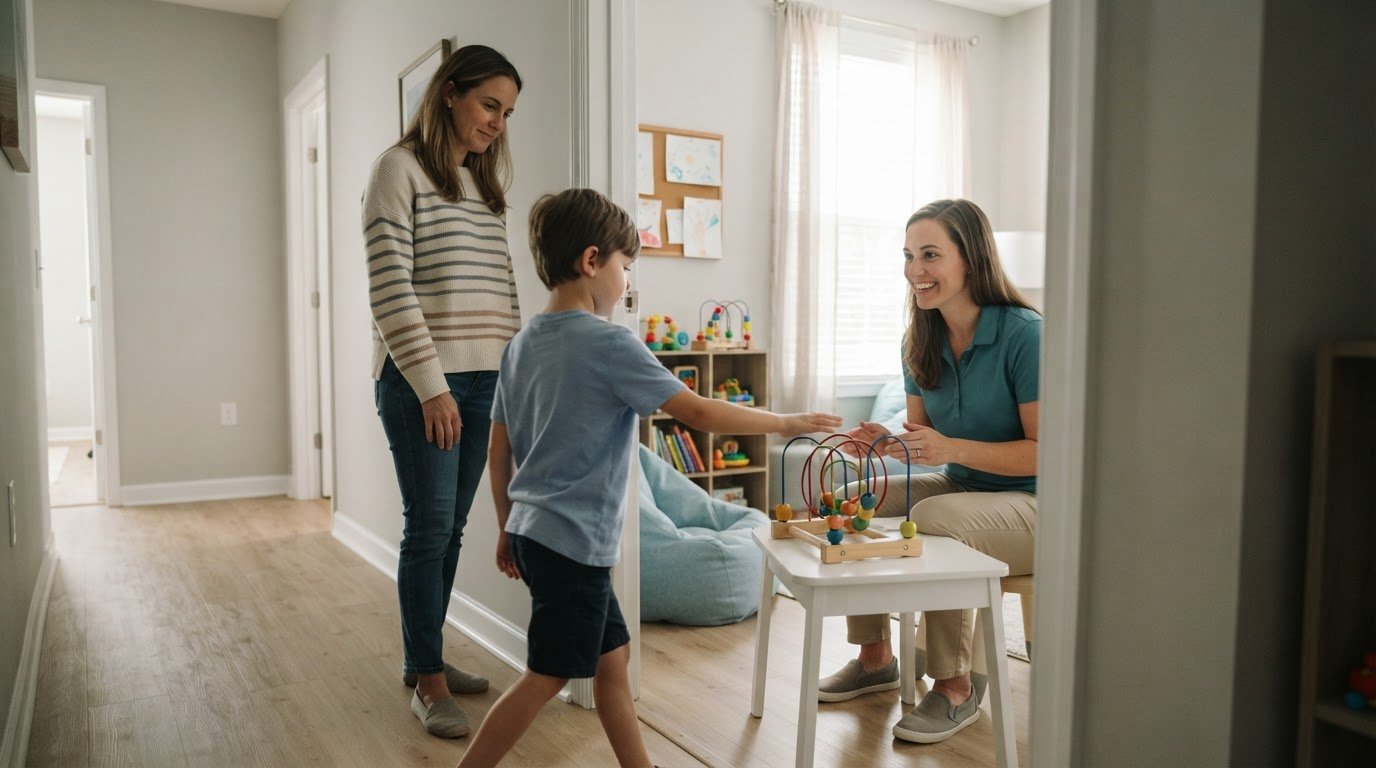
Sibling participation should be voluntary, planned, and clearly defined. Before a session, the ABA professional explains what each child can choose to do, how long the activity will last, and how to ask for a break. For example, a sibling might join a short board game, watch a demonstration, or choose not to participate. Clear choices protect the sibling’s comfort and keep therapy focused on the autistic child’s goals.
Defined roles matter. The therapist leads the session, observes behavior, and supports each child. A sibling can practice a specific skill, such as offering a toy or waiting for a turn, but shouldn’t be responsible for stopping challenging behavior. If a disagreement arises, the therapist steps in, guides the interaction, and helps each child return to a comfortable activity. Parents can support the plan without assigning the sibling a behavior-management role.
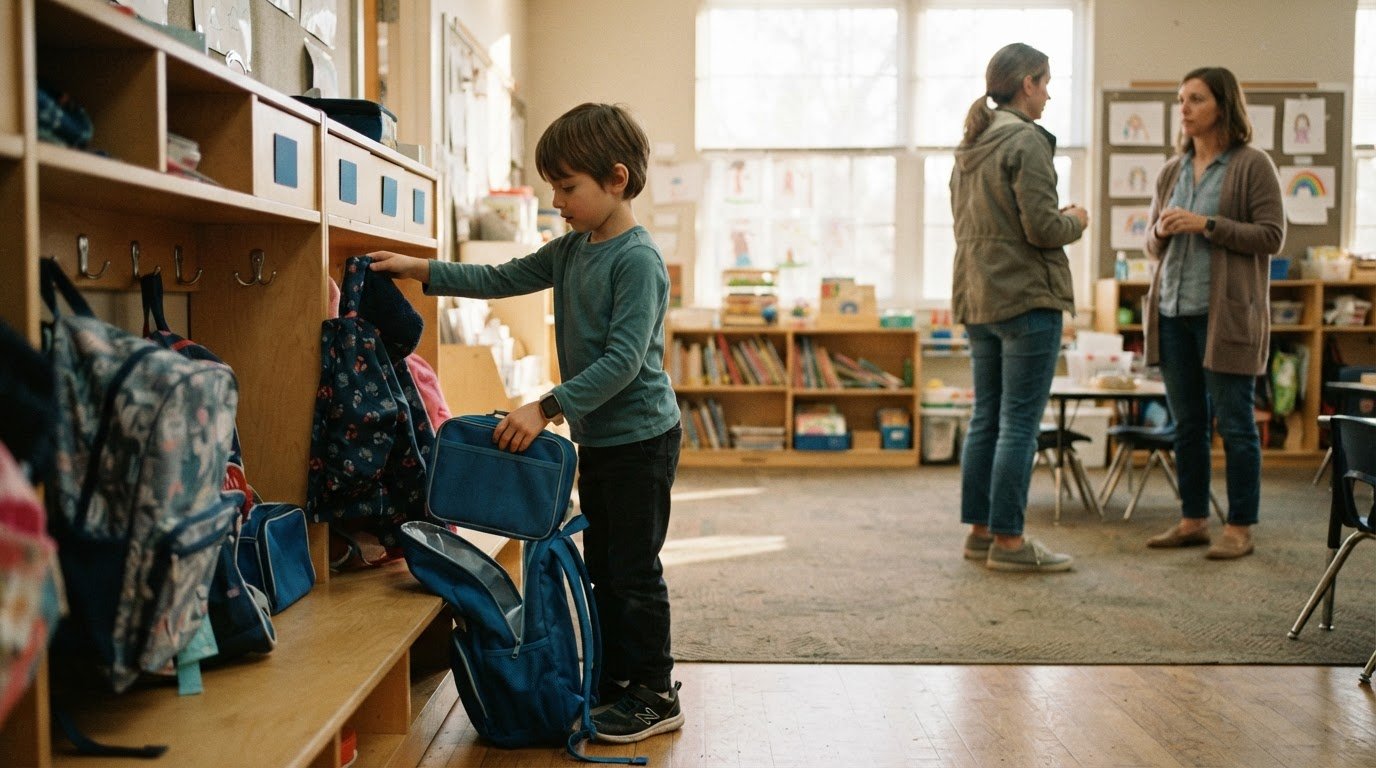
At the start, the therapist can state simple expectations: ask before taking materials, respect a “no,” and follow the activity’s turn-taking plan. A visual schedule or verbal preview can show what happens next. For instance, after a shared game, the sibling may leave while the therapist continues individual teaching. Predictable transitions make roles easier to understand and help prevent participation from becoming an open-ended obligation.
Reinforcement should recognize specific positive actions rather than demand perfect cooperation. The therapist might praise a child for waiting, asking for a turn, or using a calm voice. Praise or tokens can encourage those behaviors when they fit the child’s plan. The professional also acknowledges both children’s efforts, so one sibling doesn’t receive all the attention for participating. Balanced feedback can encourage empathy without turning the session into a contest.
Boundaries include personal space, belongings, and emotional limits. A child can decline a shared activity, keep a special item separate, or request time alone. If frustration rises, the therapist can pause the game, offer a break, and help each child communicate what they need. These actions model respect while keeping safety and individual needs central to the session.
After a sibling joins, a brief debrief can clarify what went well and what felt difficult. The therapist may ask whether the activity felt comfortable, then adjust the next session’s role or duration. Parents can share relevant observations about routines and preferences, while the professional remains responsible for clinical decisions. This feedback supports sessions that are structured, respectful, and responsive to family dynamics.
Families who want to discuss boundaries for sibling participation can share their goals for ABA support.
Divergent Minds ABA
Divergent Minds ABA helps families address sibling interactions through individualized ABA therapy for children with autism. Consider professional support when repeated misunderstandings, communication difficulties, or conflicts around play are affecting family routines. Treatment goals can focus on practical skills, such as requesting a turn, expressing a need for space, and joining shared activities. Families can also discuss how sibling participation can remain voluntary and appropriately bounded.
Clinic, home, or community settings may support different goals, while social skills groups can provide opportunities to practice interacting with peers. The team works with families to shape goals around each child’s needs and everyday context. To discuss your family’s goals, contact Divergent Minds ABA.
Choose a Next Step That Fits Your Family
Progress can begin with a shared goal: helping each child feel understood during everyday family routines. For families considering ABA for sibling rivalry and autism in Apex, a useful next step is to identify which interactions feel hardest and what change would matter most. That might mean smoother transitions, clearer ways to ask for space, or more comfortable shared activities. These priorities give a professional a practical starting point for shaping support around your family.
Divergent Minds ABA offers Clinic-Based ABA Therapy, Home-Based ABA Therapy, and Community-Based ABA Therapy. The right setting can connect learning with the places where your family wants new skills to develop. Bring your questions and the situations you’d like support with, then discuss possible goals with the team.
Contact Divergent Minds ABA to talk about a supportive next step. Small, thoughtful changes can help make room for stronger connections.
Frequently Asked Questions
Can ABA Therapy Help with Sibling Rivalry?
Yes, ABA can address skills that contribute to more cooperative sibling interactions. A professional may assess what tends to happen before arguments, then help the autistic child practice communication or coping responses relevant to those moments. For example, if conflict often starts when a game changes, therapy can focus on requesting clarification or asking for a pause. Family goals should respect each child’s needs and boundaries.
How Long Does It Take to See Results?
Timing varies with the child’s goals, starting skills, practice opportunities, and consistency across daily routines. Families may notice measurable changes in sibling initiations or coaching fidelity after two to three weeks of consistent daily practice, but that is not a prediction for every child. A clinician can review concrete observations, such as whether a child begins play more often, and adjust the plan if progress stalls.
What Are the Unique Challenges of Having a Sibling with Autism?
Challenges can include misunderstandings, changes in routine, or feeling that family attention is uneven. For example, a sibling may struggle to understand why a planned activity changed or why a brother needs extra time to respond. These experiences vary by family. Parents can acknowledge each child’s feelings, explain routines in age-appropriate language, and make room for individual interests and friendships.
Why Are Sibling Relationships Important for Children with Autism?
Sibling relationships can offer companionship, shared interests, and familiar opportunities to practice social connection. A brother or sister might invite a child to play a favorite game or include them in a conversation with a trusted friend. These moments can support connection without requiring siblings to act as therapists. Adults can keep expectations mutual, so each child has opportunities to initiate, decline, and enjoy time independently.
What is ABA therapy for sibling rivalry in autistic children?
ABA uses individualized behavioral teaching to address goals that affect family interactions, rather than treating rivalry as a diagnosis. A plan might focus on asking for help, accepting a sibling’s “not now,” or moving to another activity after a disagreement. The clinician considers the child’s communication, preferences, and the situations surrounding conflict. Sibling involvement can be included when it fits the goals and remains voluntary.
Can ABA help reduce aggression or conflict between autistic siblings?
ABA may help address conflict by identifying patterns around challenging behavior and teaching safer ways to communicate needs. For instance, a clinician may assess whether conflict occurs around access to a preferred object, then teach a request or a way to wait. Adults remain responsible for safety. Therapy should protect each child’s boundaries and focus on useful communication, not simply suppress behavior without understanding its context.
How does ABA teach siblings to share, take turns, and resolve conflicts?
A professional can break a shared activity into understandable steps, model the language, and prompt each child as needed. During a simple card game, children might practice asking whose turn comes next, waiting for an answer, and choosing a pause if frustration rises. The therapist can adjust the rules, communication supports, and prompts to fit each child, then observe which skills carry over to everyday family play.
How can parents find an ABA provider in Apex that supports autistic children and their siblings?
Look for a provider whose treatment planning includes family priorities and clear boundaries around sibling participation. Divergent Minds ABA serves families in Apex, Cary, and Raleigh, and works with a variety of insurance providers, with assistance available for benefits verification. Parents can describe the interactions they want help addressing and discuss how individualized goals may fit family routines. A sibling’s participation should remain appropriate and voluntary.