
What if the most critical decisions about your child’s development were made in a therapy room rather than a corporate boardroom? It’s exhausting to feel like your family is just another entry in a database. You’ve likely experienced the frustration of high therapist turnover or felt the distance of a supervisor you rarely see. These rigid, cookie-cutter approaches often prioritize volume over the nuanced, individualized care your child needs to thrive. Selecting a BCBA owned ABA clinic ensures that clinical expertise remains the driving force behind every goal and intervention.
You deserve a partnership where the person leading the practice is also the expert overseeing your child's progress. We believe clinical decisions should be measured by a child’s growth rather than a profit margin. This guide explores how clinician-led care in Cary fosters lower caseloads, ethical evidence-based treatment, and the deep parent-clinician communication necessary for lasting growth. We will examine the specific ways that local, clinician-led support provides the high-quality, individualized care your family deserves to build a brighter future together.
What is a BCBA-Owned ABA Clinic?
Clinical excellence begins with leadership that understands the science of behavior. For many years, the field of Applied Behavior Analysis has seen a rise in large, corporate-owned franchises. These organizations often prioritize administrative efficiency and rapid scaling to satisfy outside investors. In contrast, a clinician-led model places a Board Certified Behavior Analyst at the helm of both business and clinical operations. This shift ensures that the primary focus remains on clinical outcomes rather than corporate growth targets. Families in Cary are increasingly turning toward this model because it prioritizes the human element of therapy over administrative metrics.
The rise of the "boutique" approach in Wake County reflects a deep desire for connection. Parents don't want their child to be a number in a vast system; they want a partner who knows their child's name, their specific strengths, and their unique challenges. A BCBA owned ABA clinic offers this level of intimacy. It bridges the gap between high-level behavioral science and the compassionate, day-to-day support families need. By keeping operations local and focused, these clinics maintain a level of agility and personalization that larger organizations often struggle to replicate.
The Clinician vs. The Administrator
Ownership significantly influences the quality of the front-line team. When a clinician leads a practice, the hiring process for Registered Behavior Technicians (RBTs) is rooted in clinical competency rather than just filling a schedule. A BCBA owner knows exactly which traits make a successful technician because they've spent thousands of hours in the field themselves. A BCBA-owned clinic is a practice where the owner maintains a direct clinical caseload or oversight role. This structure ensures ethical oversight is woven into daily operations. Decisions about treatment hours or intervention strategies are made based on what the child requires for progress, not what an administrative spreadsheet dictates.
The "Boutique" Clinic Experience in Cary
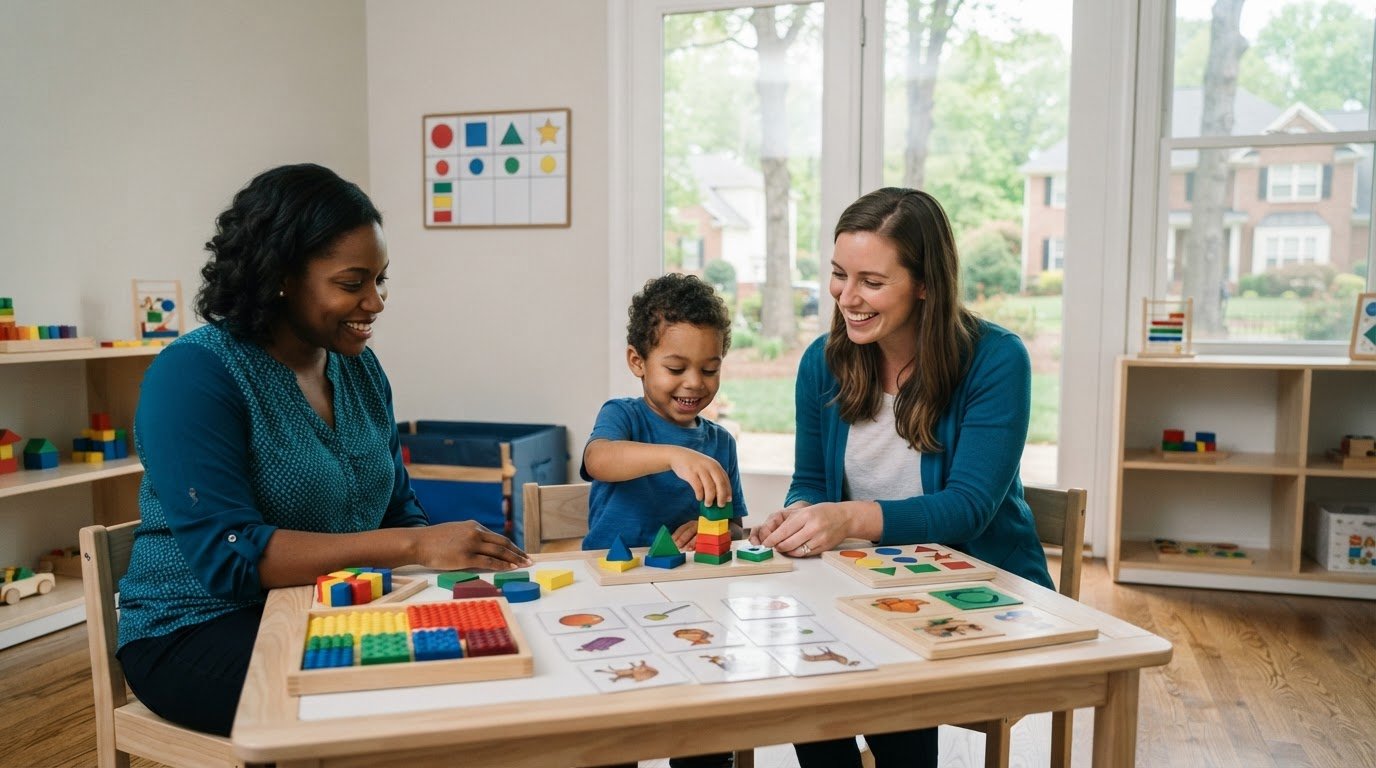
Local families often find that large centers feel cold or overwhelming for a child. A clinician-led environment, like Divergent Minds ABA, offers a professional yet warm atmosphere that feels like a supportive community. This setting allows for a seamless transition between clinic, home, and community-based settings in Cary and Apex. Our approach celebrates every incremental victory, from a child's first successful social interaction to the mastery of a new independent living skill. It is this combination of clinical authority and heartfelt empathy that defines the boutique experience, providing a steady, guiding hand for families throughout their journey.
The Clinical Advantage: Why BCBA Ownership Leads to Better Outcomes
Quality care thrives in an environment of focus. When a BCBA leads a clinic, the primary metric of success is the child's progress rather than the volume of billable hours. This clinical-first mindset directly impacts the quality of supervision and the precision of every intervention. By centering the needs of the child, a BCBA owned ABA clinic creates a culture where clinical excellence is the standard, not an afterthought.
Smaller Caseloads, Bigger Progress
Industry standards often push supervising analysts to manage excessively large caseloads. In many corporate environments, a BCBA might oversee 15 to 20 children simultaneously. This volume makes it nearly impossible to provide the high-level oversight that a clinician-led model prioritizes. By contrast, a boutique clinic focuses on lower caseloads, allowing the supervisor to spend more time directly observing therapy sessions and mentoring staff. This increased availability significantly improves the performance of Registered Behavior Technicians (RBTs). Given that the annual turnover rate for RBTs in the U.S. is estimated to be between 77% and 103%, a supportive, clinician-led environment is essential for maintaining staff stability. When a supervisor is present and engaged, every hour of therapy becomes a high-value opportunity for growth. This hands-on supervision ensures that technicians are consistently implementing protocols with high fidelity, which leads to more reliable outcomes for the child.
Ethical Standards and Treatment Integrity
Integrity is the foundation of effective behavioral science. Clinician-owners are deeply bound by professional ethics, ensuring that every treatment plan is evidence-based and socially significant. They actively avoid the "cookie-cutter" programs that often stall progress in larger, more rigid systems. Instead, they utilize real-time data to make fast, precise adjustments to therapy goals. This approach ensures that treatment integrity remains high, protecting the child's right to effective, individualized care. It also means that when a child hits a plateau, the BCBA owner is there to pivot the strategy immediately, rather than waiting for a monthly administrative review. This transparency extends directly to the family; clinical data is shared openly to foster a sense of shared accomplishment. If you're looking for a partner who values this level of clinical integrity, learning more about our clinician-led approach can provide the reassurance your family deserves.
A Collaborative Partnership: The Role of Parent Coaching
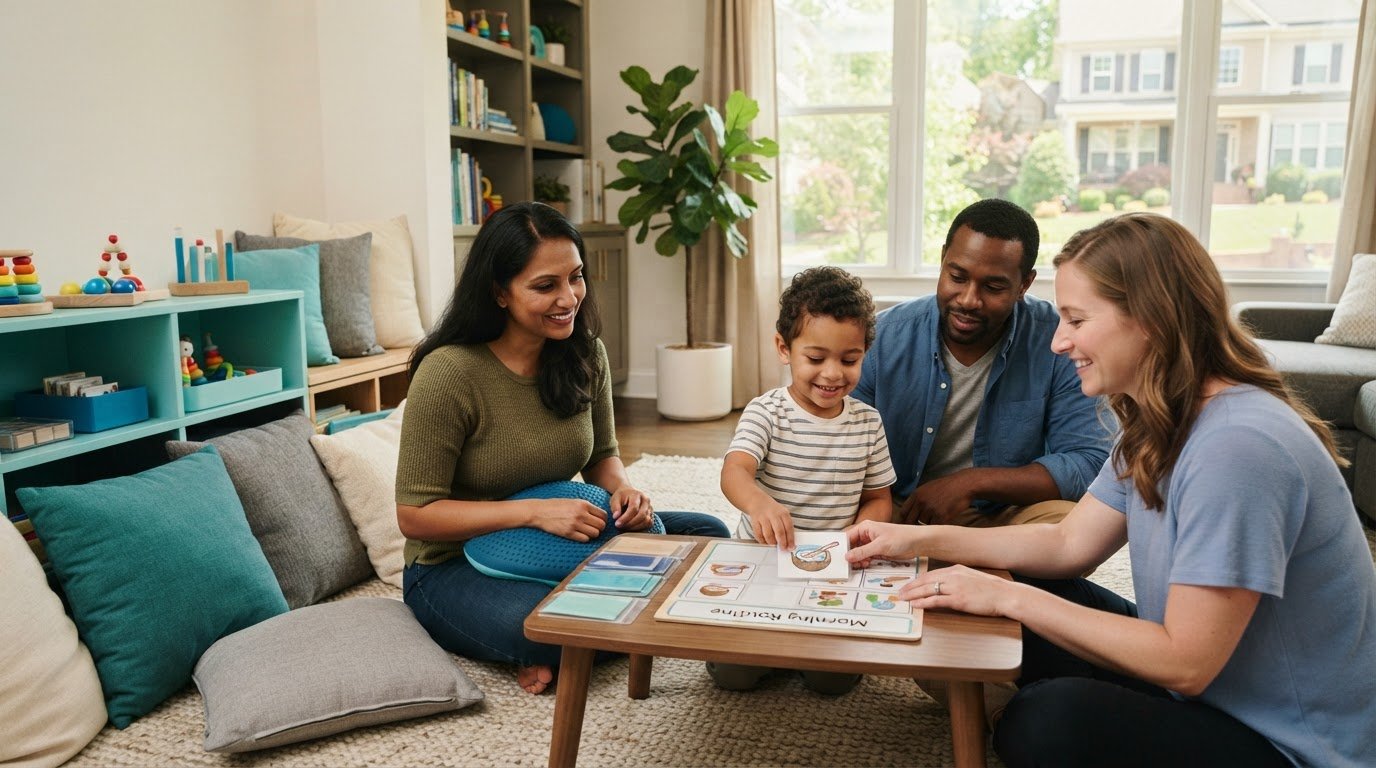
Progress doesn't stop when a therapy session ends. In a BCBA owned ABA clinic , the relationship between the provider and the family is defined by mutual respect and shared goals. BCBA owners understand that while they are experts in behavioral science, you are the expert on your child’s history, personality, and needs. This synergy allows for the creation of Parent Coaching programs that are both clinically rigorous and deeply practical for daily life. By viewing parents as co-therapists, we ensure that the skills learned in the clinic are reinforced, maintained, and celebrated at home. Choosing a BCBA owned ABA clinic means you aren't just a client; you're a vital partner in the clinical process.
Bridging the Gap Between Clinic and Home
Consistency is the primary driver of long-term skill acquisition. When a child learns a new way to communicate their needs in the clinic, it's vital that those same strategies are used at the dinner table or during bedtime routines. Parent coaching sessions at Divergent Minds ABA are structured to provide you with the tools to manage these transitions with confidence. We focus on reducing family stress by replacing uncertainty with evidence-based techniques. Our customized home-based strategies for Cary families are designed to fit into your existing schedule, ensuring that therapy feels like a natural extension of your day rather than an added burden.
- Individualized goals: We focus on the specific challenges your family faces, from mealtime behaviors to morning transitions.
- Hands-on guidance: Coaching involves more than just discussion; it includes modeling and practicing strategies in real-time.
- Measurable success: We track progress at home just as carefully as we do in the clinic to ensure strategies are working.
Evidence-Based Support for the Whole Family
A child's development impacts the entire family unit. We recognize that sibling dynamics and community outings require specialized support to be successful. Whether it’s a trip to a local park in Apex or a visit to a library in Cary, we help you generalize social skills to natural environments. One of the most significant emotional benefits of a clinician-led model is having a direct line to the clinic owner. This accessibility builds a sense of community and local support that's often missing in larger, corporate systems. We empower families to advocate for their child in school settings and within the broader community, ensuring your voice is heard and respected. This holistic approach ensures that every family member feels supported and optimistic about the potential for growth; if your family is also navigating elder care or retirement health transitions, you can click here to find expert guidance from Medicare Mentors.
Community-Based ABA: Beyond the Clinic Walls in Cary and Raleigh
Skills acquired in a controlled setting often require a deliberate bridge to reach the outside world. Natural Environment Teaching, or NET, provides this essential connection by moving therapy from a desk to the places where life actually happens. A BCBA owned ABA clinic typically possesses the operational freedom to prioritize these community outings, ensuring that progress isn't confined to a single room. We believe that true independence is found when a child can confidently use their new skills at a local park, a grocery store, or a library. By focusing on generalization early in the process, we help children turn clinical milestones into lifelong habits.
Collaboration is the heartbeat of successful community integration. We work closely with Wake County Public Schools (WCPSS) and other private providers, such as speech and occupational therapists, to ensure a cohesive support system for every child. This multidisciplinary approach ensures that everyone on your child's team is moving in the same direction. When therapy is integrated into the broader community, it stops feeling like a separate appointment and starts feeling like a natural part of your child's growth. If you are ready to see how these transitions can benefit your family, you can explore our community-based ABA programs to find the right fit for your needs.
Practicing Skills in the Real World
Clinic-only models can sometimes limit a child's ability to generalize their skills. If a child only learns to ask for a snack in a specific therapy room, they may struggle to do the same at a crowded grocery store in Cary. We utilize local community settings to break these patterns. Whether it's practicing safety skills at Bond Park or working on social transitions at a library in Raleigh, these real-world scenarios build genuine confidence. Our technicians provide the necessary support to manage the sensory input and social expectations of public spaces, allowing your child to explore their community with a steady, guiding hand by their side.
Social Skills Groups and Peer Connection
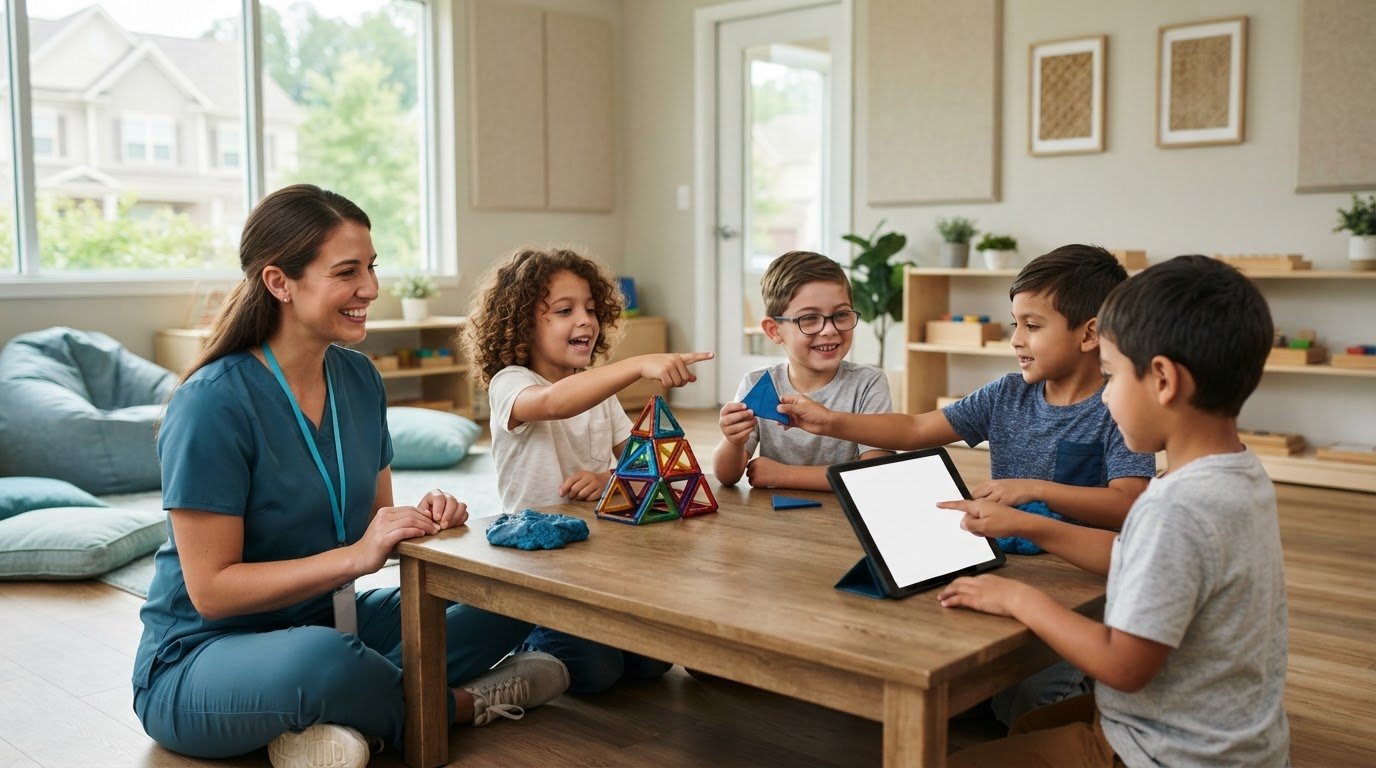
Peer interaction is a complex dance that requires practice in a supportive environment. Our social skills groups are small and led directly by a BCBA to ensure every interaction is a learning opportunity. We target specific social goals, such as turn-taking, perspective-sharing, and non-verbal communication, within naturalistic settings. These groups act as a bridge to community independence, fostering authentic friendships among neurodivergent peers. Rather than following a rigid script, children learn to navigate the nuances of social play in a way that respects their individuality. This focus on peer connection helps children build the social confidence they need to thrive in school and beyond.
Choosing Your Provider: A Checklist for Cary Families
Finding the right environment for your child’s development is a significant milestone. It requires more than just a convenient location; it demands a partner who shares your commitment to individualized progress. When visiting a BCBA owned ABA clinic , you should feel a sense of calm reliability and professional expertise. This personal connection is often the first sign that you have found a setting where your child can truly thrive. Use this checklist to guide your conversations during tours and intake meetings.
- Clinical Leadership: Does the owner maintain a clinical role, or is their focus purely administrative? A hands-on owner ensures that clinical quality remains the top priority.
- Supervision Ratios: What is the average caseload for a supervising analyst? In corporate models, caseloads often reach 15 to 20 children, while boutique clinics typically aim for much lower numbers to ensure high-quality oversight.
- Parent Engagement: How often is parent coaching scheduled? You should expect regular, structured sessions that empower you to support your child’s growth at home.
- Setting Versatility: Can the clinic provide a seamless mix of home, community, and clinic-based settings? Flexibility is essential for generalizing skills into real-world environments.
Evaluating Clinical Fit and Ethics
Understanding the financial landscape is a practical necessity for every family. In North Carolina, General Statute § 58-51-57 requires state-regulated private insurance plans to cover autism treatment, including a minimum annual cap of $40,000 for individuals under age 19. Additionally, NC Medicaid provides coverage for medically necessary ABA for eligible children under 21 without a specified dollar cap. Navigating these mandates can be complex, so look for a provider that offers clear guidance on intake procedures and waitlist management. Finding a partner who handles these logistics with transparency allows you to focus on what matters most: your child's progress. Schedule a tour of Divergent Minds ABA today to see the clinician-led difference.
Empowering Your Child’s Future Through Clinician-Led Care
Choosing the right therapeutic partner is a transformative decision for your family’s quality of life. By prioritizing a BCBA owned ABA clinic , you ensure that clinical expertise remains the heartbeat of every intervention. This model shifts the focus away from administrative metrics and toward the meaningful, incremental progress your child achieves every day. You've learned how lower caseloads allow for deeper supervision and how a true partnership in parent coaching bridges the gap between the clinic and your home in Cary or Apex.
Success is found when evidence-based care meets heartfelt empathy. Whether practicing social skills in a local Raleigh park or mastering independence at the dinner table, our clinical-first philosophy ensures your child receives the compassionate, individualized attention they deserve. We are here to serve as your knowledgeable guide and supportive ally throughout this complex journey. Begin your child’s journey with a BCBA-led team at Divergent Minds ABA. We look forward to celebrating every breakthrough and building a brighter, more independent future together.
Frequently Asked Questions
Is a BCBA-owned clinic more expensive than a corporate one?
Choosing a BCBA owned ABA clinic doesn't mean you'll pay more for services. ABA therapy costs are typically dictated by insurance reimbursement rates rather than the ownership structure of the practice. Whether you select a large corporate franchise or a boutique clinician-led practice, your out-of-pocket expenses are primarily determined by your specific health plan’s deductible and co-insurance requirements. We focus on providing high-quality care that maximizes the value of your insurance benefits.
Do BCBA-owned clinics accept major insurance providers like Blue Cross Blue Shield of NC?
Yes, most clinician-led practices, including Divergent Minds ABA, are credentialed with major insurance networks such as Blue Cross Blue Shield of North Carolina. We work diligently to ensure our services remain accessible to families across Cary, Apex, and Raleigh. We recommend verifying your specific benefits during the intake process to understand how your coverage applies to our clinic, home, and community-based services. Our team assists with this verification to provide transparency.
What is the ideal caseload for a BCBA in an ABA clinic?
While industry averages can climb as high as 20 children per analyst, a BCBA owned ABA clinic often prioritizes a much lower ratio. Maintaining a smaller caseload allows the supervising analyst to provide the high-quality, individualized oversight your child deserves. This direct involvement ensures that treatment plans are adjusted in real-time based on your child’s progress and evolving needs within our clinic or home settings in Cary.
Can my child receive both home-based and clinic-based therapy?
Absolutely. We offer a flexible mix of clinic-based and home-based therapy to ensure skills are generalized across different environments. This hybrid approach allows your child to benefit from the structured social setting of our clinic while also mastering daily routines in the comfort of your own home. Our team coordinates these transitions carefully to maintain consistency and maximize your child’s developmental growth across Cary and Apex.
How does a clinician-owned model reduce therapist turnover?
BCBA owners prioritize clinical support and ethical oversight, which creates a more sustainable environment for Registered Behavior Technicians (RBTs). By focusing on professional development and manageable caseloads rather than administrative quotas, we foster a culture of respect and stability. This clinical-first philosophy results in more consistent care and stronger therapeutic bonds for families in Apex and Raleigh who value reliability and long-term progress for their children.
What should I look for during a tour of an ABA clinic in Cary?
Pay close attention to the atmosphere and the level of direct BCBA involvement during your visit. You should ask about the specific caseload sizes for supervisors and how often you will receive direct parent coaching. Observe the interactions between staff and children to ensure the environment is both professional and warm. A high-quality clinic in Cary should feel like a collaborative partnership dedicated to your child’s unique success.
Will I have direct access to the clinic owner if I have concerns?
One of the primary benefits of a boutique, clinician-led practice is the direct line of communication with leadership. Since the owner is a BCBA who often maintains clinical oversight, they are deeply invested in your child’s specific outcomes. You won't have to navigate layers of corporate bureaucracy to have your questions answered or your concerns addressed by the person responsible for the daily operations of the clinic.
How does Divergent Minds ABA handle social skills training?
We utilize small, BCBA-led social skills groups to help children navigate peer interactions in a supportive setting. These sessions focus on naturalistic teaching to ensure skills like turn-taking and perspective-sharing translate to real-world environments. By integrating these groups with our community-based ABA therapy, we help your child build authentic connections and gain the confidence needed for independence in local Cary and Raleigh parks, stores, and libraries.