
What if useful support for parents of autistic children started with a routine your family already knows? When you’re balancing appointments, daily responsibilities, and questions about how to support your child, it can be hard to turn professional guidance into practical steps at home. Feeling stretched or alone doesn’t mean you’re doing anything wrong. Support should respect your child’s individuality and make room for your whole family’s needs.
This guide covers practical support, from parent coaching to individualized ABA in clinic, home, and community settings. You’ll learn how collaboration with a child’s treatment team can connect goals with everyday routines while supporting communication, autonomy, and participation. We’ll also consider ways to support your own well-being and choose a manageable next step. For families in Cary, Apex, and Raleigh, family-centered support can start with small changes that fit real life.
What Support for Parents of Autistic Children Can Look Like
Caring for an autistic child can bring deep connection, joy, and meaningful shared moments. It can also raise questions about communication, daily routines, and advocacy. Support for parents of autistic children can help with those questions without treating autism or the child as something to fix.
Family-centered support is practical, emotional, and informational help shaped around a child’s needs, a family’s priorities, and the realities of everyday life. It can support the child directly while helping caregivers build confidence and skills. These goals are connected but not identical: a child may work toward taking part in a routine while a caregiver explores ways to make that routine more predictable and responsive.
Different kinds of support families may find useful
Families can draw on several forms of support, depending on their priorities and circumstances:
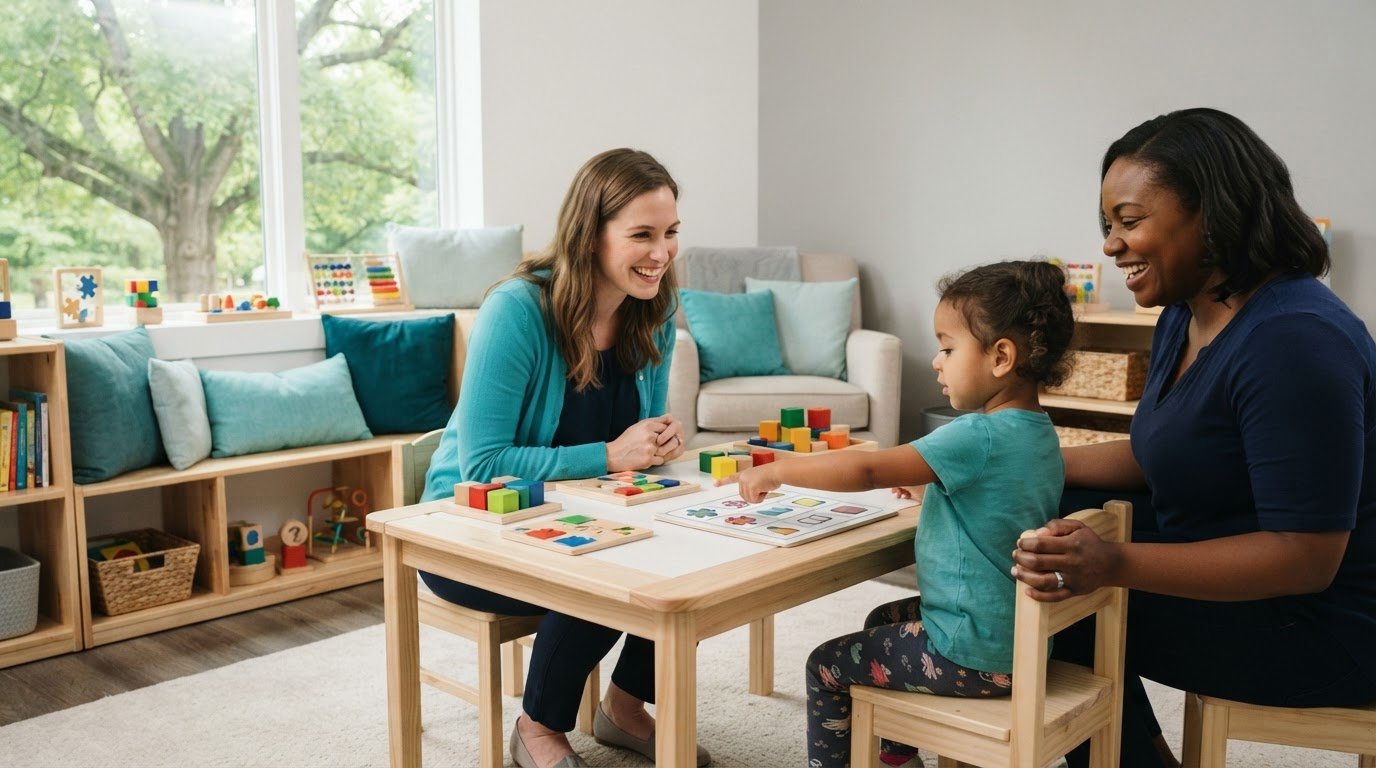
- Parent coaching can help caregivers discuss and practice strategies within familiar routines, such as getting ready to leave home or sharing an activity.
- Therapy-team collaboration connects a child’s goals across settings and gives caregivers a chance to explain what is and isn’t working in daily life.
- Peer connection can create space to exchange experiences with people who understand some of the questions and demands of caregiving.
- Trusted community resources can help families find information, connection, or practical support that fits their circumstances, including developmental guidance and therapy insights from providers such as Accessible Care.
Parent coaching is one way to make therapy strategies more relevant to family routines. Through parent coaching support, caregivers and the treatment team can work together on goals that respect the child’s communication, preferences, and autonomy. The Management of autism overview describes a range of intervention and family-support approaches. No single approach is right for every child or family. Needs may change as a child grows, routines shift, or family circumstances evolve, so goals can be revisited over time.
How support can reduce the feeling of doing everything alone
Shared planning can turn a broad concern into one manageable next step. If mornings feel difficult, for example, a caregiver and treatment team might focus on one part of the routine, then consider what communication or support could help. That’s a practical starting point, not a judgment about the family or the child.
Stress deserves acknowledgment, too. Caregivers can feel emotionally stretched even when they value their connection with their child. They don’t have to solve every challenge at once or carry every decision alone. Caregiver support can make family routines more sustainable by building strategies around real life.
How Parents Can Support Their Autistic Child in Everyday Routines
Everyday strategies are options to explore together, not rules every family must follow. A routine that feels manageable for one child may feel demanding for another. Start by noticing what your child enjoys, how they communicate, and what seems to make an activity easier or harder. A child might engage readily during play but need more time or a quieter space at meals.
Predictable, individualized supports can make routines easier to navigate by helping a child understand what may happen next while respecting their needs and preferences. The right support may also change with the setting, the child’s energy, or the family’s circumstances.
Make routines more understandable and collaborative
Visual supports, advance notice, and clear choices are tools to consider, not universal prescriptions. A simple picture sequence might help a child follow steps during a familiar activity. A brief reminder before a transition may make a change easier to anticipate. Offering a choice, such as which of two activities to do first, can make room for the child’s preferences.
Then pause. Give your child time to process and notice how they communicate, whether through speech, gestures, pictures, movement, or other signals. Consider sensory needs, too: noise, lighting, textures, or the pace of an activity can affect how comfortable participation feels. Support should honor the child’s assent and their right to express “yes,” “no,” or “not now.” The Autism Information from HHS.gov offers a general reference for families seeking information about autism and related resources.
Build skills without losing sight of connection
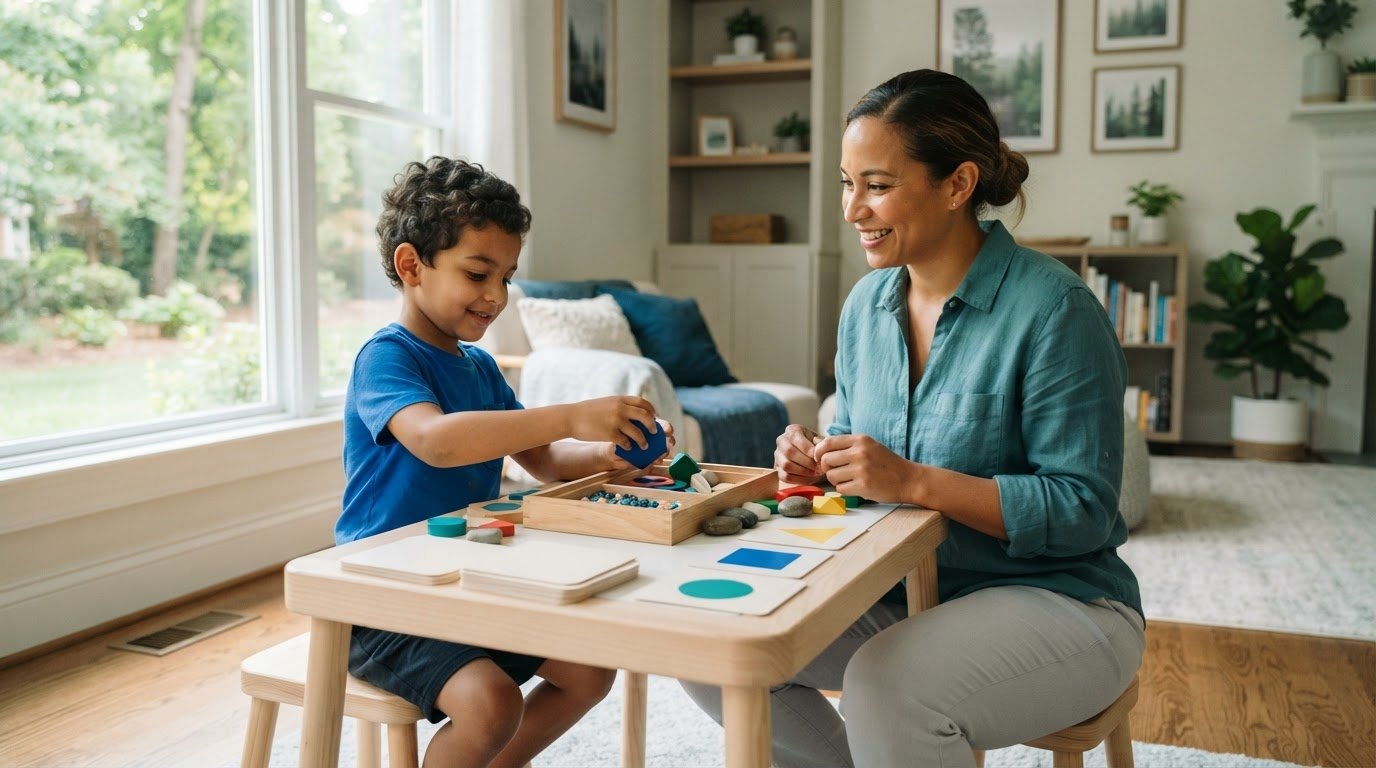
Practice can fit naturally into something your child already enjoys. During a favorite game, for instance, you might create opportunities to request a turn, choose a piece, or communicate that they’d like a pause. Follow the child’s interest and adjust the activity if they show discomfort or lose interest. The goal is useful communication and participation, not simply completing a task.
Notice effort and small steps: trying a new way to make a choice, staying with an activity a little longer, or communicating a need. Progress doesn’t have to follow a fixed timeline. Compliance, masking, or appearing non-autistic shouldn’t be treated as the measure of success. Support for parents of autistic children can include working with a treatment team to identify meaningful goals and adapt strategies to family life. Parent coaching helps caregivers connect strategies with routines and their child’s individual needs.
Which Parent Support Options Fit Your Family’s Needs?
The right support depends on what matters to your child and family now. You might want to connect therapy goals with home life, practice skills in different settings, or explore structured time with peers. These options can complement one another, but families don’t need to pursue every format. Begin with a goal that feels meaningful and consider which setting makes sense for it.
Parent coaching and direct therapy have different purposes. Through parent coaching for autism, caregivers and the treatment team plan together, discuss family priorities, and practice strategies that fit everyday life. Coaching isn’t a test of parenting or a way to assign blame. Direct one-to-one ABA focuses on individualized goals for the child, with a therapist working with them. Neither approach is inherently better. They can serve different needs and may work alongside each other.
Compare options by purpose and setting
Think of each format as a possible way to support a shared goal, rather than a fixed choice between approaches.
| Setting or format | Possible focus | Family participation |
|---|---|---|
| Parent coaching | Caregiver learning, shared planning, and strategies related to family priorities | Caregivers collaborate with the treatment team and practice approaches in familiar routines |
| Clinic-based ABA | Individualized goals in a clinic environment | Families share priorities and coordinate with the team |
| Home-based ABA | Individualized support in the home context | Caregivers can help connect goals with home routines |
| Community-based ABA | Individualized support in community settings | Families share goals related to participation beyond home or clinic |
| Social skills groups or peer connection | Opportunities for interaction with peers, guided by the child’s goals | Caregivers can consider whether the format fits the child’s interests and needs |
Choose support around your child’s context and family goals
A clinic, home, or community setting creates different opportunities for learning and participation. For example, if your family wants to work on a goal related to joining activities outside the home, community-based ABA therapy provides support in community settings. Social skills groups offer peer interaction when that format aligns with the child’s preferences and goals. Consider the child’s comfort, communication, and sensory needs alongside the family’s priorities. The CDC’s CDC Resources for Families also provides general information and resources for families of autistic children. Support for parents of autistic children can be adapted over time as needs and goals change.
How to Take a Manageable Next Step as a Parent
You don’t need a complete plan before asking for support. A clear description of one family priority can be enough to begin a useful conversation. The goal is to turn a broad concern into a practical, individualized step that respects your child and fits daily life.
- Identify a priority. Choose one part of family life you’d like to make easier or more supportive for your child.
- Describe the routine. Share what typically happens, what your child seems to enjoy or find difficult, and what you’ve already tried.
- Discuss a practical goal. Work with the treatment team to identify an observable, meaningful step and how you’ll review whether it’s helpful.
Include what’s going well, too. Maybe your child enjoys a particular activity, communicates a preference in a way that works for your family, or responds well to a familiar routine. Those strengths can help shape the next step. Support for parents of autistic children should build on what a family already knows, not assume that every part of daily life needs to change.
Prepare for a productive conversation about support
Before a conversation, jot down your child’s strengths, preferences, communication, and your family’s priorities. A real-life description is often more useful than a label alone: what happens, when it tends to happen, and what seems to help or add difficulty. You don’t need technical vocabulary or a polished plan. Your observations are a valuable starting point.
Parent coaching can help connect therapy goals with family routines. Caregivers can share what matters to them and work with the team on strategies that make sense in the context of their child’s life.
Keep progress flexible and family-centered
A goal should be meaningful to the child and family, observable in everyday life, and individualized to the child’s communication and preferences. It should also be revisited collaboratively. Families and clinicians can discuss whether a strategy feels useful and respectful or needs adjusting.
Routines change, and a child’s needs and preferences can change, too. If a strategy no longer fits, that’s a reason to review it, not a reason to blame yourself or your child. A helpful next step can be small: share one observation, clarify one priority, or discuss one routine with the treatment team. Progress is a process of learning together, with room to adapt as family life evolves.
Family-Centered Autism Support Near Cary, Apex, and Raleigh
Support works best when it reflects the child and family, not a preset idea of what progress should look like. Divergent Minds ABA is a BCBA-owned practice in Cary serving families in nearby Apex and Raleigh. Its individualized ABA services and parent coaching give families ways to work toward shared goals while taking the child’s strengths, needs, and daily context into account.
Support for parents of autistic children can include collaboration with the treatment team as well as direct support for the child. Parent coaching helps caregivers connect therapy goals with family routines and build confidence using strategies in everyday situations. Individualized ABA focuses on goals for the child. These forms of support can complement one another, depending on the family’s priorities.
What collaborative support can involve
Family priorities help shape the conversation. Caregivers can share what they hope will become easier, what their child enjoys, and which communication approaches or routines already work well. The team uses this information to develop individualized plans that account for the child’s strengths and needs. Goals should be relevant to the child’s life and reviewed together as circumstances change. No single service or setting is the right fit for every family.
Divergent Minds ABA provides support in clinic, home, and community settings, each offering a different context for individualized care. A clinic offers a dedicated environment for working on goals. Home-based support connects with the family’s own surroundings, while community-based support can relate to participation beyond home. The setting is one part of the plan. The child’s preferences and the family’s goals matter, too.
Connect with a local team when you are ready
You don’t need to prepare a complete plan to start a conversation. Share your family’s main question, what you would like support to help with, and any priorities that feel important for your child. Even one specific concern can provide a useful place to begin.
Divergent Minds ABA serves children with autism in Cary, Apex, and Raleigh. The practice offers clinic, home, and community-based ABA, parent coaching, and social skills groups. If you’re ready to discuss your family’s goals, contact the team to start a conversation about support.
Take the Next Step Toward Support That Fits Your Family
Support for parents of autistic children can take different forms, from practical guidance for everyday routines to individualized support for a child. A useful next step is often manageable: identify a family priority, share what’s already working, and discuss a goal that respects your child’s strengths and preferences.
Divergent Minds ABA is a BCBA-owned and operated practice in Cary, serving families in Apex and Raleigh. Individualized ABA is available in clinic, home, and community settings, and parent coaching helps caregivers connect shared goals with family life. Social skills groups provide another option for families whose goals include peer interaction.
If you’re ready to talk about what might fit, talk with our team about family-centered support . You don’t need to have every answer before starting the conversation. Take one thoughtful next step and connect with Divergent Minds ABA about support for your family.
Frequently Asked Questions
What support is available for parents of autistic children?
Support for parents of autistic children can include practical guidance, emotional connection, reliable information, and services tailored to family goals. Parent coaching helps caregivers work with a treatment team on strategies that fit everyday routines. Individualized ABA can support a child in clinic, at home, or in the community, while social skills groups offer a group setting for goals related to peer interaction. Families can choose supports based on their needs.
How can I support my autistic child at home?
Start by noticing what helps your child feel comfortable, communicate, and participate in familiar routines. You might offer a clear choice, give advance notice before a transition, or adjust noise and other sensory factors. These are options, not rules. Follow your child’s communication and preferences, allow time to respond, and notice small steps. If you’re working with a treatment team, share what happens at home so strategies can reflect your family’s routines.
Can parent coaching help families of autistic children?
Parent coaching helps caregivers connect a child’s goals with everyday family life. Caregivers and the treatment team can discuss priorities, identify strategies to practice in familiar routines, and reflect on what feels useful for the child and family. Coaching is collaborative, not a test of parenting. It can complement individualized ABA, with the focus shaped by the child’s strengths, communication, preferences, and family goals.
What is the difference between parent coaching and ABA therapy?
Parent coaching focuses on caregiver learning and collaboration, while direct ABA therapy focuses on individualized goals for the child. In coaching, caregivers work with the treatment team to connect strategies with routines and family priorities. In direct therapy, a therapist works with the child. These approaches serve different purposes and aren’t ranked against each other. Depending on the family’s goals, they can complement one another.
How do I find autism support near Cary, Apex, or Raleigh?
Divergent Minds ABA is a BCBA-owned practice in Cary serving families in Apex and Raleigh. It provides individualized ABA in clinic, home, and community settings, along with parent coaching and social skills groups. Consider what matters most right now, such as a goal for your child or a routine where your family would value guidance. Sharing that priority with the team can help start a focused conversation.
How can I support my own wellbeing while caring for an autistic child?
Supporting your well-being can begin with recognizing your own needs and identifying one realistic source of support. You might share caregiving responsibilities where possible, make time for a restorative activity, or talk with someone you trust about how you’re feeling. Small steps count. You can also tell your child’s treatment team when family routines feel difficult to sustain, so planning can take your capacity and priorities into account.
What should I bring up during a parent coaching conversation?
Bring the questions and observations that feel most relevant, not a complete plan. You might describe a routine that’s challenging, what your child enjoys, how they communicate, and what already seems to help. It’s also useful to share your family’s priorities and any strategies that don’t feel comfortable or practical. Together, you can identify a meaningful goal and discuss how to review or adjust it as your child’s needs change.