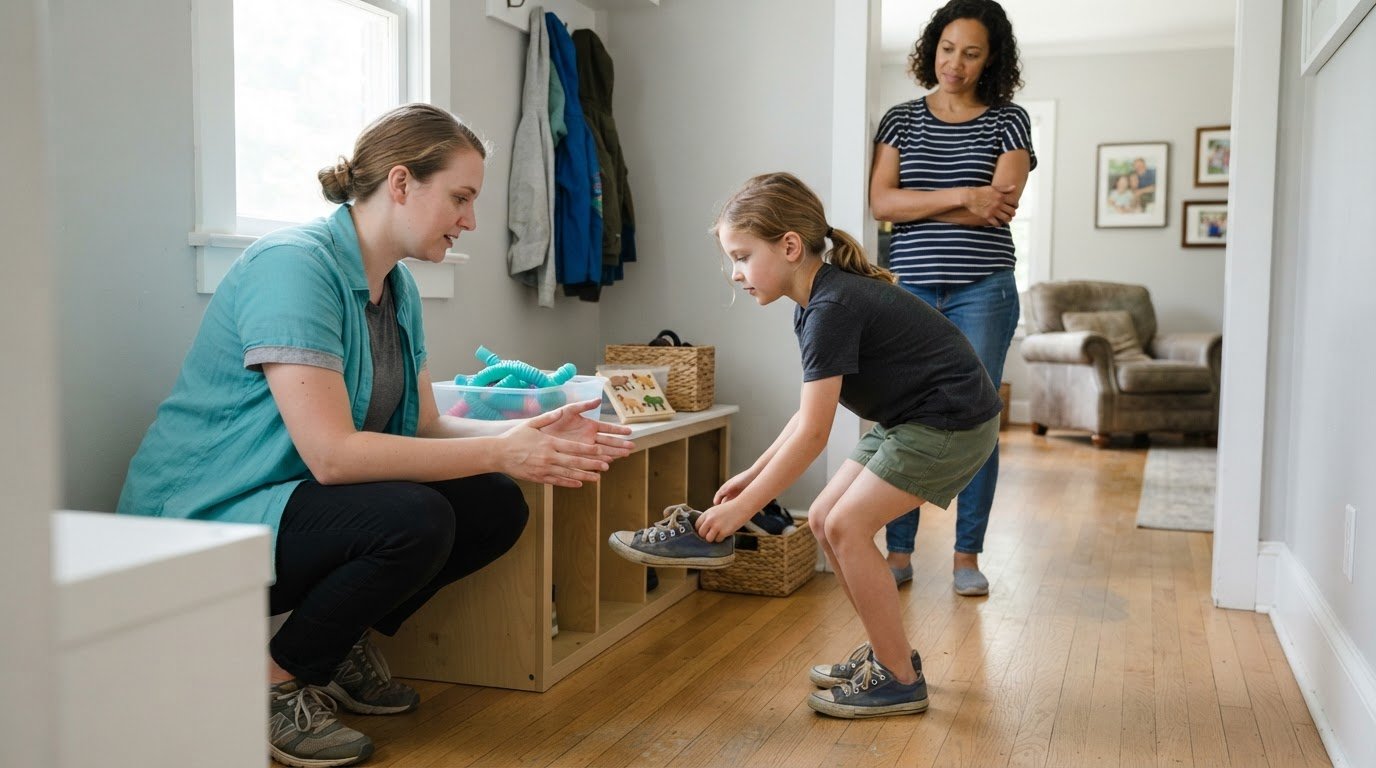

Self-advocacy means having ways to express needs, preferences, and boundaries, not only speaking up. ABA therapy for self-advocacy skills in Apex can help children practice communicating what they need, asking for help or a break, and making choices that reflect their preferences. The aim is to build practical skills that support autonomy, not to make a child hide harmless differences.
It makes sense to want these skills to carry beyond therapy into family routines, school, and community life. This article explains why self-advocacy matters, how individualized ABA goals can support it, and how caregivers and others can help skills carry across settings. Everyday examples, from expressing a preference to communicating discomfort, can help you recognize what meaningful progress may look like.
Why do Self-Advocacy Skills Matter?
Self-advocacy helps a child communicate needs, preferences, and boundaries. It can include asking for help, requesting a break, or saying no to an uncomfortable activity. ABA therapy for self-advocacy skills in Apex can help children practice expressing these needs in ways that work for them. These skills support independence by making it easier for others to understand what a child needs. For example, a child might use speech, a visual card, or a gesture to request a quieter space.
Self-advocacy also matters beyond childhood. In 2024, the employment-population ratio for people with disabilities in the United States was 22.7%, according to the U.S. Bureau of Labor Statistics. That figure describes employment, not the impact of ABA. It does underscore why communicating preferences and support needs can matter across settings, including education, work, relationships, and community life.
Useful goals begin with the individual’s priorities, not a fixed list of behaviors. A child may want to join a game, avoid a loud activity, or feel more confident asking a teacher for clarification. Families can share which routines feel difficult and what the child already communicates well. An individualized plan can then focus on meaningful skills while respecting the child’s communication style, sensory preferences, and emotional comfort.
An individualized behavior treatment plan links each goal to a real situation. If mornings are often difficult, the plan might teach a child to request help choosing clothes or ask for more time. If group activities feel overwhelming, a relevant goal could be signaling a need for a break. For families considering ABA therapy for self-advocacy skills in Apex, goals can reflect the child’s daily priorities. The plan should describe how the skill will be taught and how adults can respond consistently.
ABA, speech therapy, and occupational therapy have different methods and areas of focus, though their goals can overlap. ABA can teach and reinforce communication in everyday situations; speech therapy may focus on communication skills, while occupational therapy may address participation, sensory needs, or daily living. A coordinated approach can support the same self-advocacy goal from different angles.
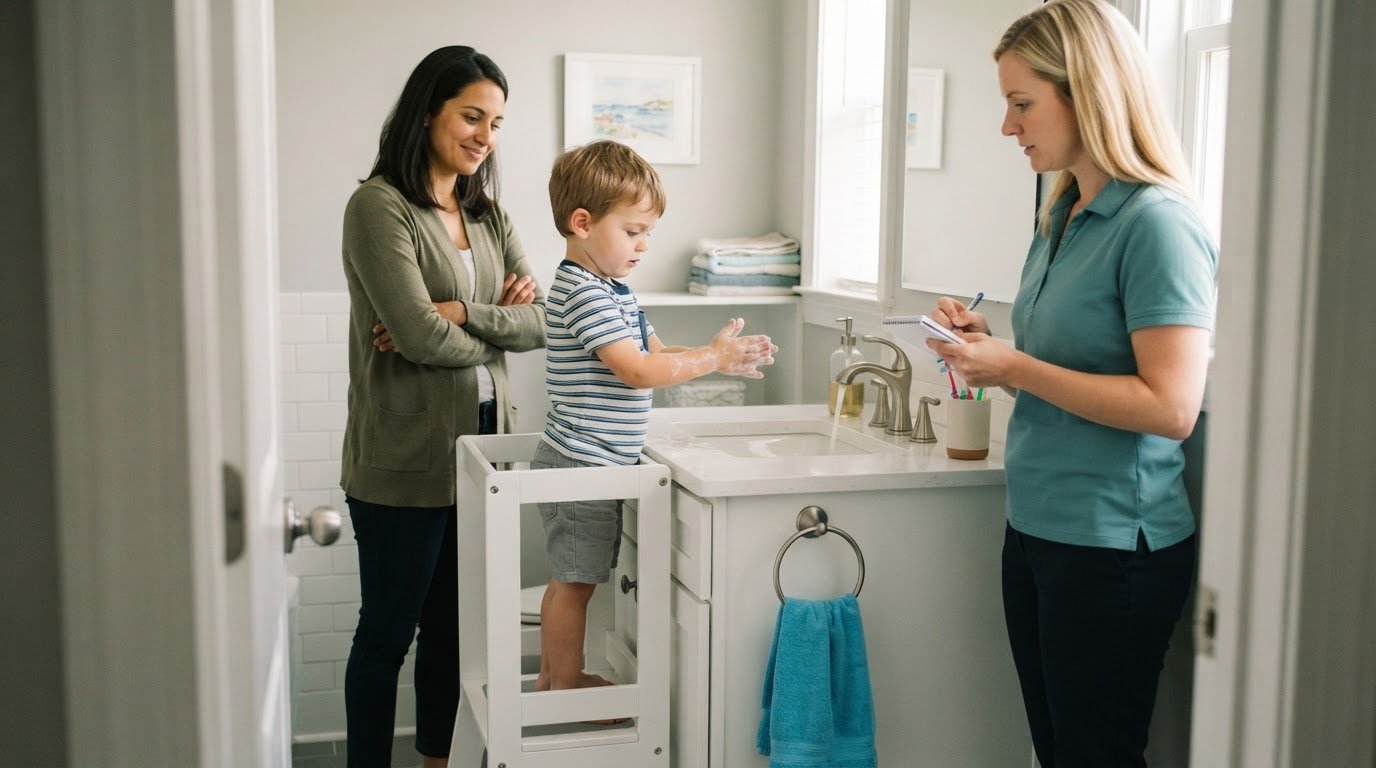
Assessment begins with observation and conversations with the child and family. Therapists consider communication, strengths, routines, preferences, and challenging situations, then define observable goals, such as requesting a break during a noisy activity. Progress tracking can record whether the child communicates the request and whether it works across settings. ABA can support self-advocacy by teaching practical communication and replacement skills, then tracking their use in daily life.
In Apex, families can evaluate providers by discussing how goals connect to the child’s priorities, how progress is tracked, and how caregivers participate. Ask how the team responds when a strategy is uncomfortable or ineffective. A respectful approach distinguishes assent, the child’s ongoing willingness to participate, from caregiver consent, and takes signs of withdrawal seriously. Individualized goals should build useful skills, not require masking harmless differences.
Balancing behavior modification with skill development
Self-advocacy goals should teach a useful alternative, not simply suppress behavior. Applied behavior analysis considers what happens before and after an action, including what the person may be communicating. For example, leaving a noisy room could signal distress or a need for relief. A plan can teach a clear way to request a quieter space while also considering whether the environment can be adjusted.
Behavior analysts use observation and family conversations to understand context. They may consider whether a task is difficult, instructions are unclear, or a sensory feature makes participation uncomfortable. If a child pushes materials away during a writing activity, the goal should not automatically be “keep working.” The team might teach the child to ask for help, request a pause, or indicate that the task feels uncomfortable.
Functional Communication Training teaches communication that serves the same purpose as a behavior. A child who cries when a preferred activity ends might learn to request more time or ask what comes next. The team can reinforce that communication and help the child practice with different people and in different settings. Progress means the skill is useful and accessible, not merely that a behavior becomes less visible.
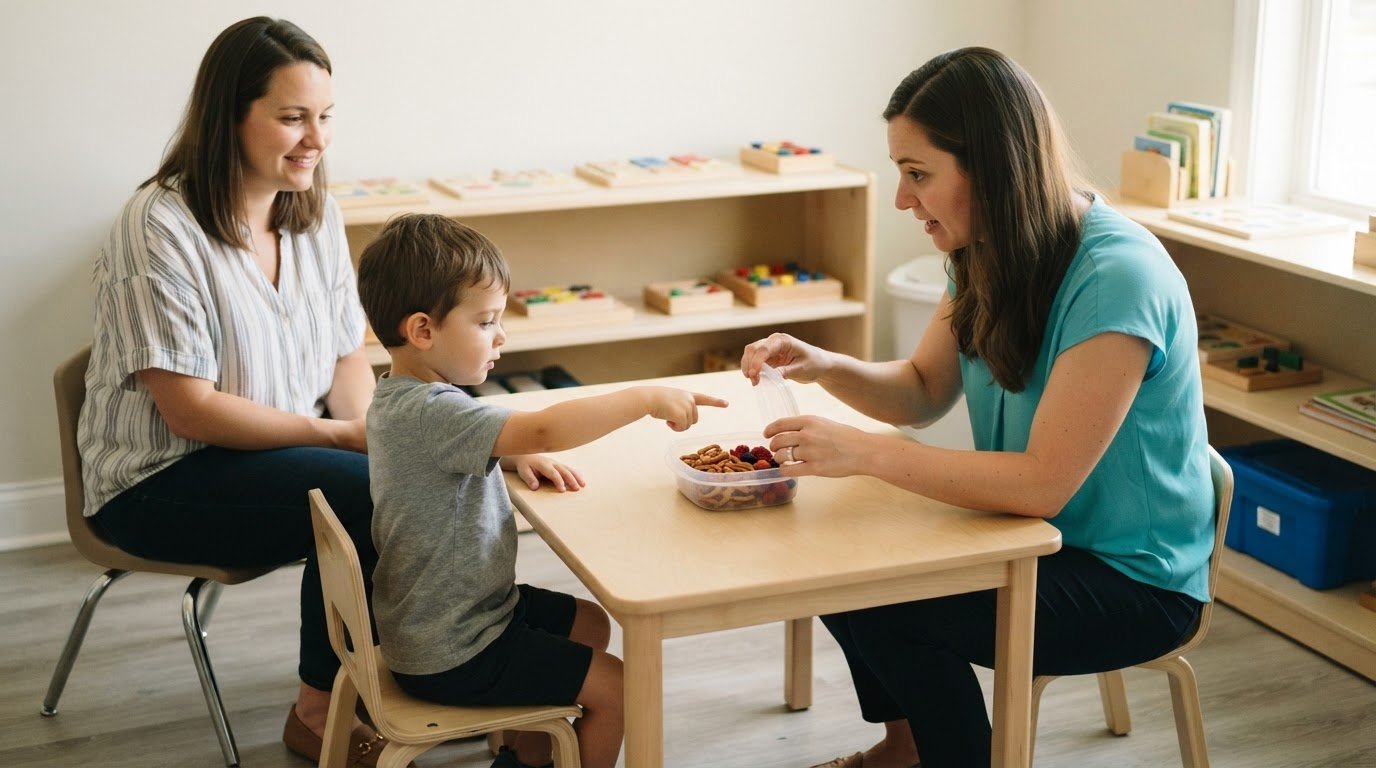
Verbal Behavior training focuses on how communication works in context. A therapist may teach a child to request a needed item, answer a question, or describe an experience. For self-advocacy, a practical goal could be asking for help opening a container or saying “I need a break.” Communication may use speech, gestures, pictures, or another method that works for the child.
There are limitations to consider. ABA can miss the point if a plan prioritizes compliance, ignores discomfort, or treats harmless differences as problems. Skills may also fail to carry over automatically to new people or settings. Individualized goals, attention to assent, and practice in everyday situations help keep the work centered on the person’s needs.
Progress tracking should reflect meaningful communication, not just a count of reduced behaviors. A behavior analyst can record whether the child independently requests help, whether others respond effectively, and whether the skill appears during routines beyond a therapy session. If requests don’t work, the team can review the strategy and the context instead of blaming the child. Families can discuss these measures and the team’s approach through a conversation about self-advocacy goals.
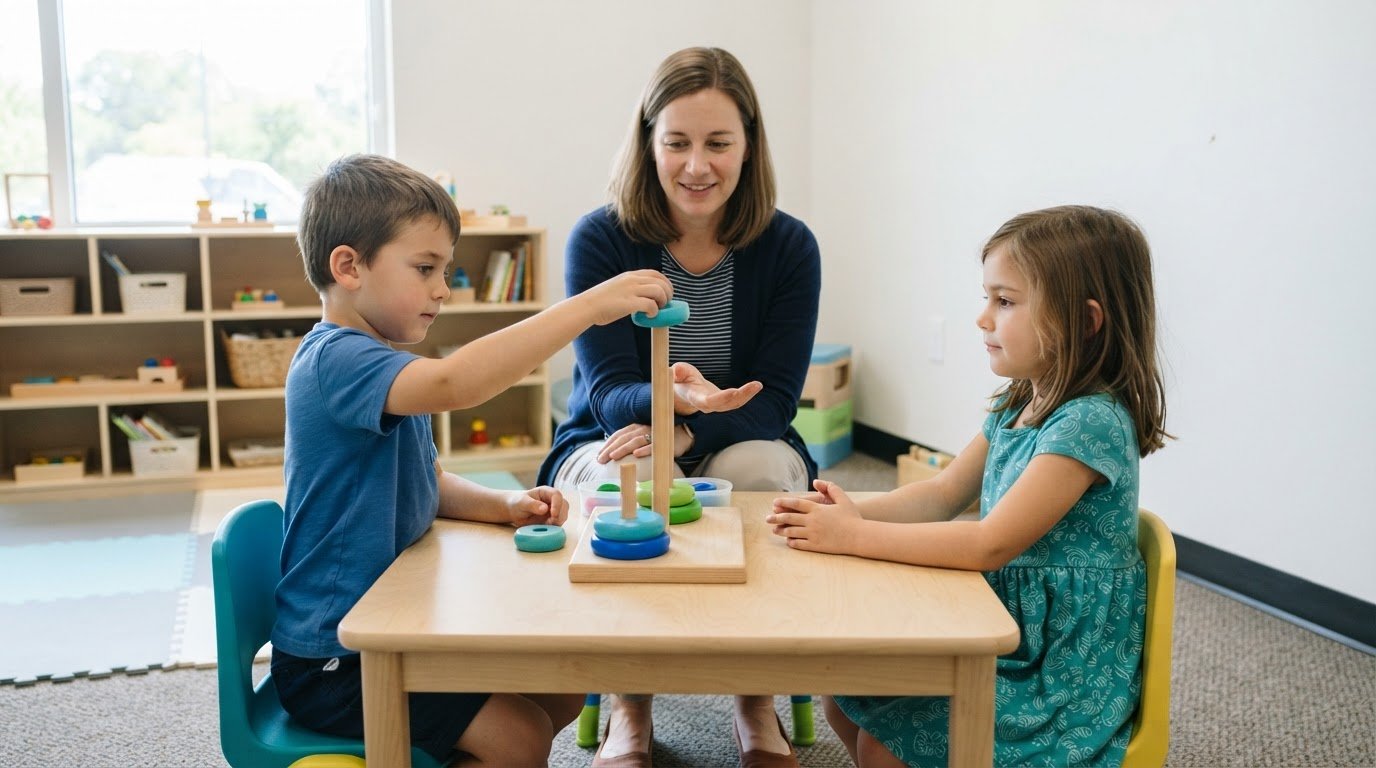
For children who are practicing interaction with peers, social skills groups can provide structured opportunities to express preferences, ask to join an activity, or decline a game. The aim is meaningful participation in a way that respects each child’s communication and comfort.
Family, school, employer, and healthcare-provider support
Self-advocacy grows when communication works with more than one trusted adult. A child may learn to ask a therapist for a break, then need that signal understood at home and school. Families, educators, and clinicians can share the child’s preferred words, gestures, or visual cards. Consistent responses help the child learn that expressing a need is useful across settings, not just during therapy.
At home, caregivers can make everyday choices part of learning. A parent might offer a choice of two shirts, then respect the child’s selection or refusal. During a difficult transition, a visual schedule or countdown can show what happens next. If the child signals distress, adults can acknowledge the message and support an appropriate next step instead of treating the signal as defiance.
At school, teachers can build self-advocacy into classroom routines. A student might use a card to request clarification, ask for assignment help, or signal a need for quiet. Student-led IEP meetings can provide practice expressing goals and support needs. Families and school staff can coordinate language and cues while letting the student’s communication style and abilities guide participation.
For teens and adults, priorities may shift toward work routines, appointments, public transportation, or household responsibilities. A teen might practice telling a supervisor which instructions need clarification. At a healthcare appointment, someone could use a written prompt to describe a concern or ask for an explanation. These examples show how self-advocacy can support relationships and participation at different life stages.
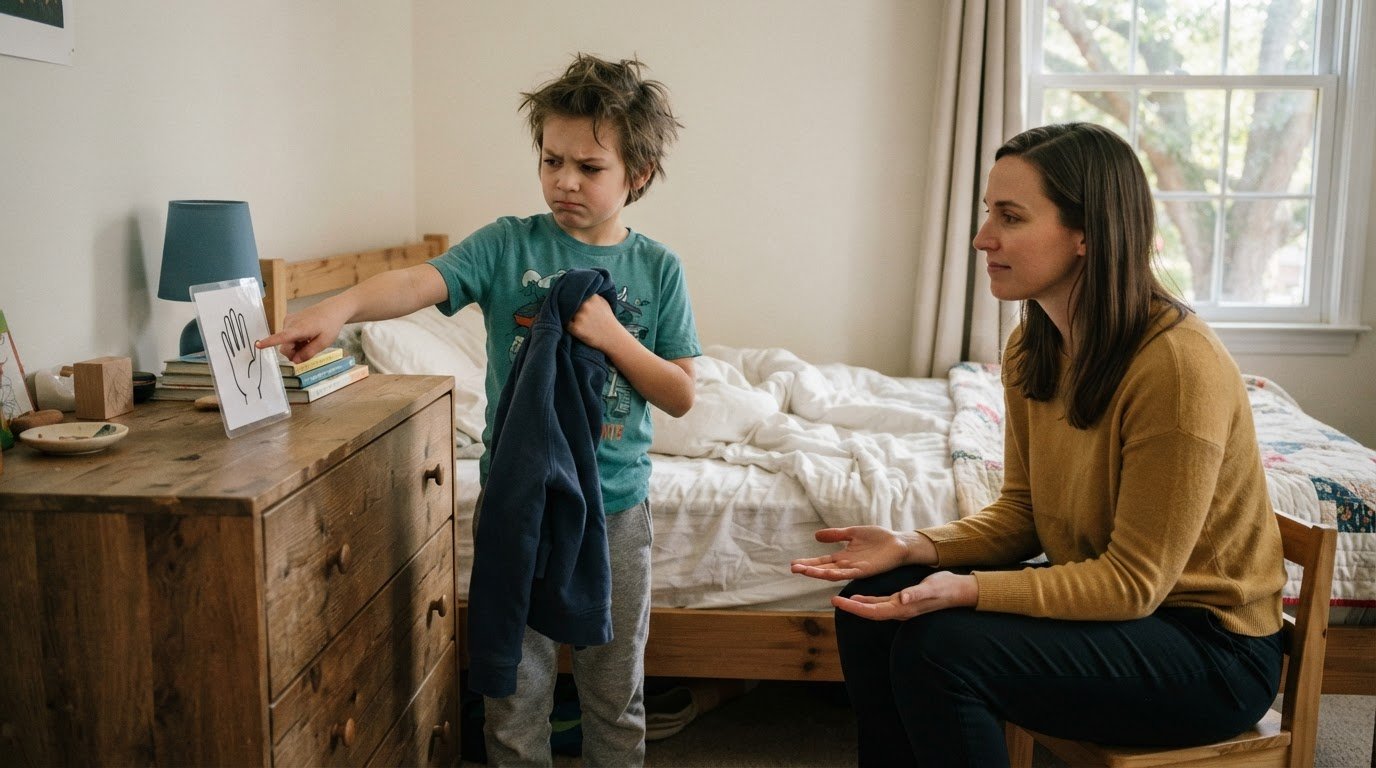
Visual supports can make expectations easier to understand and choices easier to communicate. A picture sequence may show steps in a morning routine; a break card can give a child a clear way to request time away. For transitions between activities, a visual countdown paired with supported practice can make the change more predictable. The support should fit the person and situation, not replace their communication.
Adults can reinforce self-advocacy by responding to a child’s attempts, even when the wording is imperfect. If a child points to a help symbol, a caregiver can acknowledge the request and assist. Teachers can notice when a student asks to join a game, while healthcare providers can pause and listen when someone communicates discomfort. Coordinated responses across family, school, work, and healthcare settings help skills carry into daily life without requiring one communication method everywhere.
ABA may be combined with speech therapy, occupational therapy, mental health care, medical support, school accommodations, or community programs when those supports meet the person’s needs. A consistent ABA care team can build trust, notice changes, and help skills transfer across environments. ABA social support should respect neurodiversity and reflect the autistic person’s preferred level and style of interaction.
ABA support for teens and adults may address time management, medication routines, public transportation, money use, job-related tasks, and household responsibilities. It can also address employment skills, self-advocacy, and independent living for autistic adults. For a child who throws objects during transitions, ABA therapy can use visual schedules, countdowns, and supported practice shifting activities.
Parent training and generalizing skills to daily life
Skills become more useful when children can use them beyond a therapy session. Parents know which routines create real opportunities, such as getting ready for school, choosing a snack, or preparing to leave the playground. ABA therapists can work with caregivers to identify a practical goal, agree on a response, and practice during the routine where the skill is needed. This connects teaching to the child’s everyday activities.
Parent coaching can include demonstration, guided practice, and feedback. A therapist might model pausing after asking a child what they need, rather than answering for them immediately. A parent can then practice waiting during a familiar routine while the therapist offers suggestions. Together, they can notice whether the child communicates through speech, a gesture, or a picture, and respond to the attempt.
Simple choices offer a manageable starting point. A caregiver might present two snack or after-school activity options, then give the child time to respond. If choosing feels difficult, parents can start with one or two familiar options and gradually make decisions more complex. A therapist can help adjust the wording, timing, and available choices to suit the child’s communication and comfort.
Role-play gives children a chance to rehearse situations before they happen. A parent and child might practice asking a relative for help opening a package or telling a sibling they need space. Afterward, caregivers can look for natural opportunities to use the same skill during family activities. They can acknowledge an attempt, even when the message is brief or imperfect.
Generalization means a skill appears with different people and in different situations. A child who communicates a preference with a therapist may need supported practice with a parent, teacher, or sibling. Parents can share what worked at home, while the therapist helps identify useful adjustments. If a strategy is difficult at dinner but works during a quieter activity, the team can consider the setting, timing, and demands before changing the plan.
Caregivers can model self-advocacy in everyday moments. A parent might say, “I need a minute to finish this,” then show how they return to the conversation. This gives the child an example of expressing a need respectfully. Parent Coaching can help families practice these strategies, discuss barriers, and keep goals aligned with the child’s priorities as routines change.
Offering children choices in daily routines is an ABA strategy for supporting self-advocacy, and children can also practice saying “no” to something they dislike or find uncomfortable. Parents can teach a break signal and let their child choose a quiet space when overwhelmed. These responses give children practical ways to express preferences, limits, and needs during everyday activities.
ABA session settings can match the goal, such as home support for difficult morning routines or community sessions to practice shopping and ordering food. Caregiver collaboration can help skills carry into daily life by supporting consistency across settings. Families and therapists can coordinate their responses to the child’s communication, creating opportunities to use the same self-advocacy skills with different people and in familiar routines.
Meaning and examples of autism self-advocacy
For autistic children, self-advocacy means communicating needs, preferences, and boundaries in ways that work for them. ABA can teach skills such as requesting help, expressing discomfort, saying no, and asking for a break.
Meaning of Autism Self-Advocacy
Autism self-advocacy means recognizing what matters to you and communicating it so others can respond. A child might tell a teacher that group noise makes listening difficult or show a picture card to request a quieter place. The point is not to make every child communicate alike. It is to support meaningful choices and help children participate without hiding harmless differences.
Self-advocacy can help a child share preferences before frustration builds. For example, a child who dislikes a certain texture might communicate that preference at lunch rather than be expected to finish the food. Adults can use the message to understand what support is needed. Success means the child can express themselves usefully, whether through speech, writing, gestures, or an augmentative communication method.
Examples and Teachable Skills
ABA therapy can teach autistic children practical ways to express a need, set a boundary, or seek support. These skills can make choices more accessible at home, school, and in the community. A child might learn to request assistance with a difficult task, say “no” to an unwanted interaction, or tell someone they feel unsafe.
Teaching can begin with situations that matter to the child. If joining a playground activity is difficult, a goal might be practicing how to ask to play or signal that they would rather watch. If a child feels overwhelmed during a busy outing, they can practice requesting a break. Therapists can respect different communication styles, including spoken requests, gestures, and visual supports.
Self-advocacy skills can include:
- Requesting help, clarification, or more time when a task feels difficult.
- Communicating preferences about activities, food, clothing, or social interaction.
- Asking for a break or indicating discomfort in a way others can understand.
- Sharing a concern with a trusted adult, such as a teacher or caregiver.
Each goal should reflect the child’s priorities, not an expectation to comply or appear less autistic. For example, practicing a request to leave a noisy room can support comfort and participation; requiring a child to remain there silently would not teach self-advocacy. Families can discuss goals that fit their child’s communication and daily life through a conversation about self-advocacy support.
Divergent Minds ABA: Social Skills Groups
Divergent Minds ABA helps families develop individualized ABA support for children with autism, including self-advocacy goals. Social Skills Groups offer opportunities to practice expressing preferences and communicating with peers in a structured setting. Depending on the child’s goals, Clinic-Based ABA Therapy, Home-Based ABA Therapy, or Community-Based ABA Therapy can support practice within relevant routines and activities.
Families can explore support when a child needs help communicating boundaries, asking for assistance, or participating more comfortably with others. Goals are developed around the child’s needs and family priorities, with progress focused on meaningful everyday skills.
To discuss self-advocacy support for your child, contact Divergent Minds ABA.
Choose a Next Step That Fits Your Child
Self-advocacy develops through goals that matter to the child and fit family routines. As you consider ABA therapy for self-advocacy skills in Apex, think about where your child would benefit from practice: at home, in a clinic, or in the community. The setting can match the situations and skills the plan is designed to address.
Divergent Minds ABA offers Clinic-Based ABA Therapy, Home-Based ABA Therapy, and Community-Based ABA Therapy. Families can discuss their child’s priorities and consider which setting best supports practice in daily life. A useful next step is to share what your child already communicates, what feels challenging, and which forms of communication work well. That conversation can help shape goals around individual needs rather than a one-size-fits-all expectation.
Progress can begin with a small, meaningful change, such as a child expressing a preference or asking for support in a familiar routine. Contact Divergent Minds ABA to discuss self-advocacy goals for your child and explore a supportive path forward.
Frequently Asked Questions
How can an ABA therapist help families practice self-advocacy skills at home and coordinate care?
An ABA therapist can help caregivers identify everyday opportunities for practice and choose responses that fit the child’s goals. For example, Parent Coaching can help a family plan how to respond when a child signals discomfort during a meal, then share relevant observations with the therapy team. Families in Apex, Cary, and Raleigh can also discuss how practice at home connects with clinic or community-based ABA, keeping support grounded in the child’s routines.