
The best ABA setting may not be just one setting. For families deciding how to choose between home and clinic ABA in Cary, the right fit depends on a child’s individual needs, goals, and family routines. Home sessions can address skills in familiar situations, while clinic sessions offer a dedicated place to practice. Using both can help connect learning across settings.
It’s understandable to weigh practical considerations alongside your child’s comfort and progress. This guide explains what home and clinic ABA can support, how a transition between settings may work, and how coordinated sessions can help skills carry over into everyday life. You’ll also find a decision guide to help consider which setting, or combination, aligns with your child’s goals and your family’s routines.
Is there an ABA therapy clinic near Cary, NC?
Families in Cary, Apex, and Raleigh can compare clinic-based and home-based ABA, then match the setting to their child’s goals. Both settings use evidence-based ABA strategies, including reinforcement and prompting. A clinic provides a dedicated therapy environment, while home sessions can address familiar routines such as mealtimes or getting dressed.
Providers help families weigh availability, travel, daily schedules, and support needs together. For example, a clinic that requires a long commute may be harder to fit around school and work than home sessions. In-home ABA also requires a caregiver to be present during sessions. The best fit depends on the child’s goals and the family’s practical priorities.
| Option | Learning environment | Useful for | Practical consideration |
|---|---|---|---|
| Clinic-based ABA | Structured therapy space with fewer everyday interruptions | Practicing tasks, turn-taking, or peer interaction | Travel to and from the clinic |
| Home-based ABA | Familiar rooms and household routines | Mealtimes, dressing, or bedtime skills | A caregiver must be home |
Choose a setting by matching the child’s priority goals to where those skills are needed.
How do providers explain cost and insurance coverage? Service costs depend on the case, while insurance rules may differ by setting. Providers can explain the family’s coverage, any location requirements, and how authorization relates to the recommended treatment plan without assuming home and clinic sessions are treated alike.
Does North Carolina Medicaid cover both settings? Coverage depends on the child’s plan and its setting-specific rules. Before treatment begins, confirm how the plan covers the recommended home or clinic setting. Divergent Minds ABA can help families verify their benefits.
How can providers show qualifications and supervision? Ask how the BCBA creates and updates an individualized plan, and how the team is supervised. Families can also discuss how the team tracks goals such as requesting help or completing a dressing routine.
What are home ABA’s benefits and drawbacks? Home sessions let children practice skills during real routines, such as asking for help at dinner or getting dressed. They avoid a clinic commute, but require a caregiver at home and may offer fewer structured opportunities to practice with peers.
What are clinic ABA’s benefits and drawbacks? A clinic offers a dedicated setting for focused teaching and may support peer activities, such as taking turns during play. Tradeoffs include travel and practicing daily routines away from the place where they happen.
Which clinics in Cary offer both services? Divergent Minds ABA offers Clinic-Based ABA Therapy and Home-Based ABA Therapy for families in Cary and nearby communities. Consider travel, family routines, and the child’s goals when deciding which setting, or combination, fits.
Weekly treatment hours are individualized, not determined by setting alone. A BCBA considers treatment goals, the child’s support needs, and how progress will be measured when planning a schedule. Clinic-based and home-based ABA can both support progress. The key question is where the child needs to learn and use each skill.
Can an ABA provider help my child switch from in-home to clinic ABA?
Yes. An ABA team can plan a gradual transition around a child’s goals, comfort, and family routines. The plan can be revisited as needs change, including after six months.
Familiar Home Setting
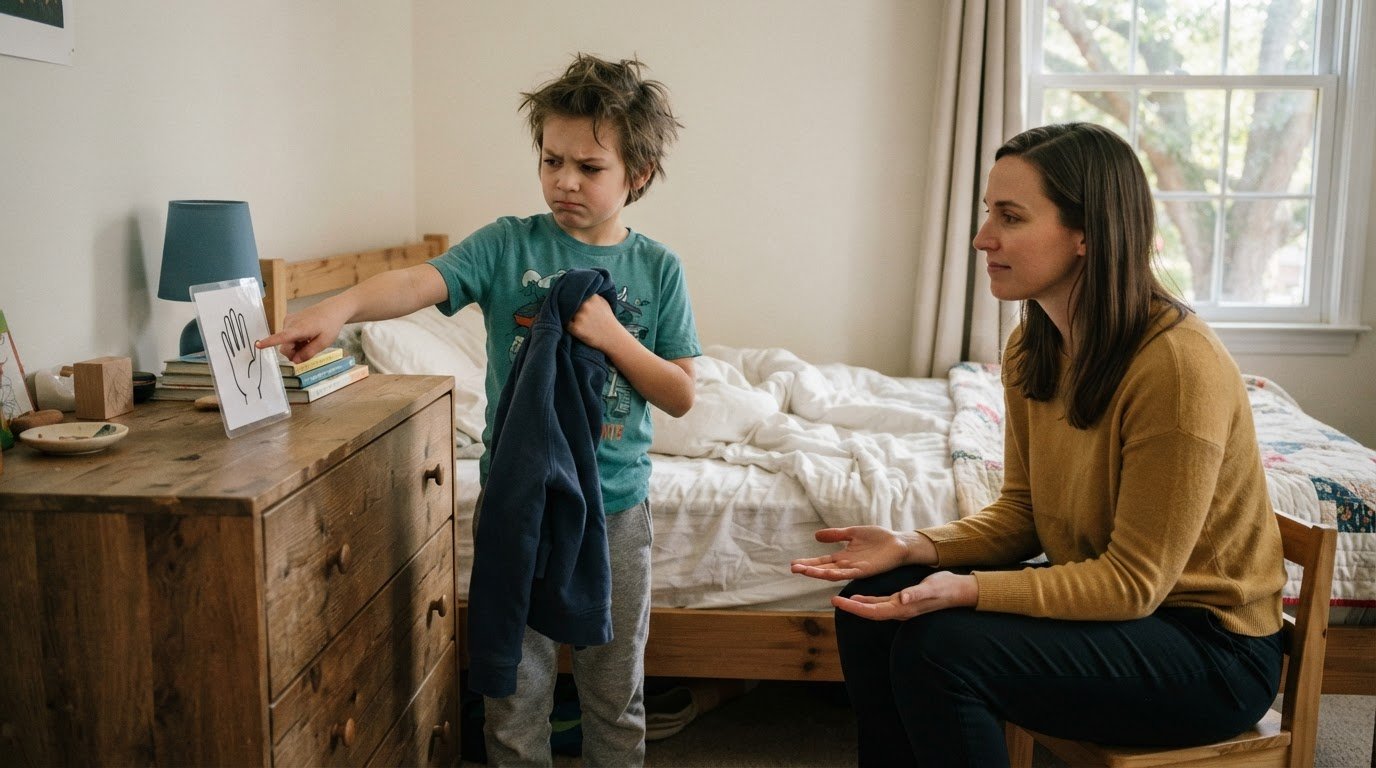
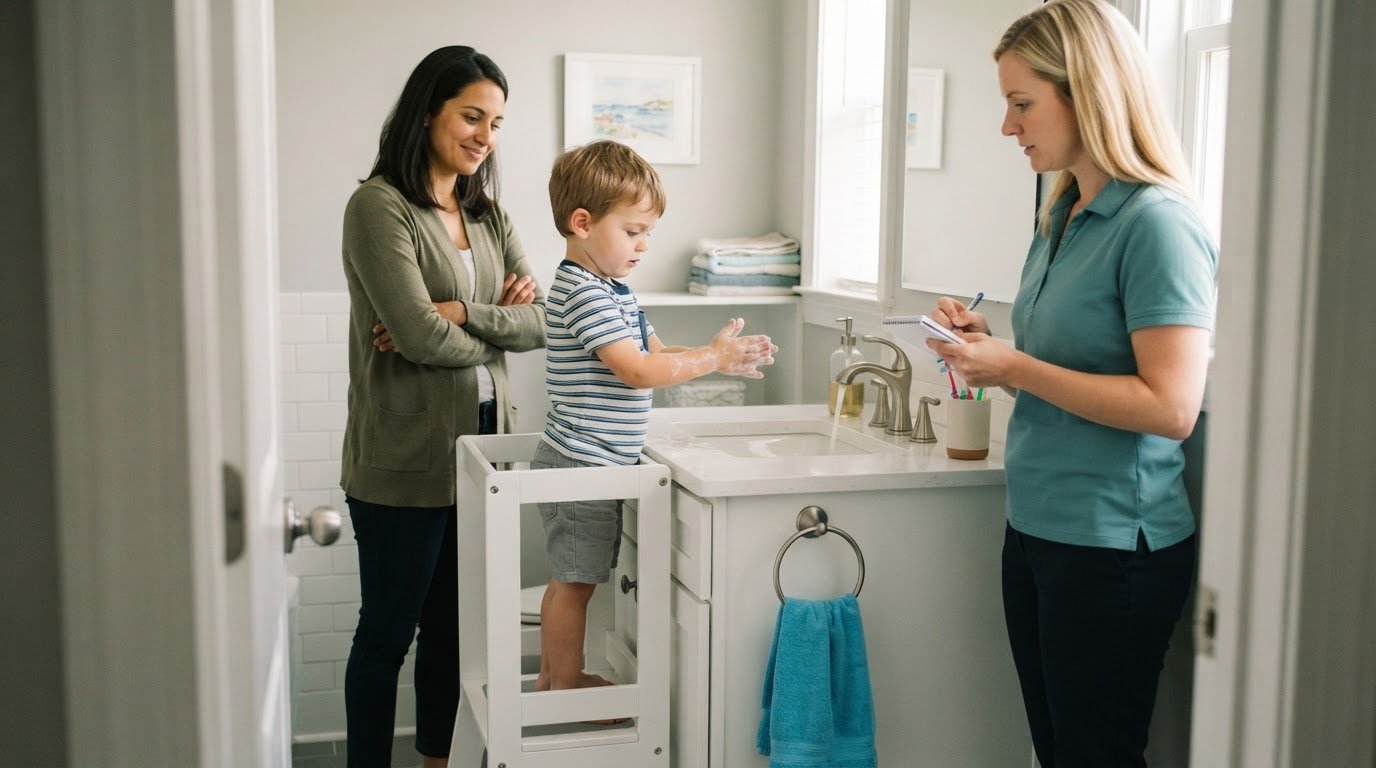
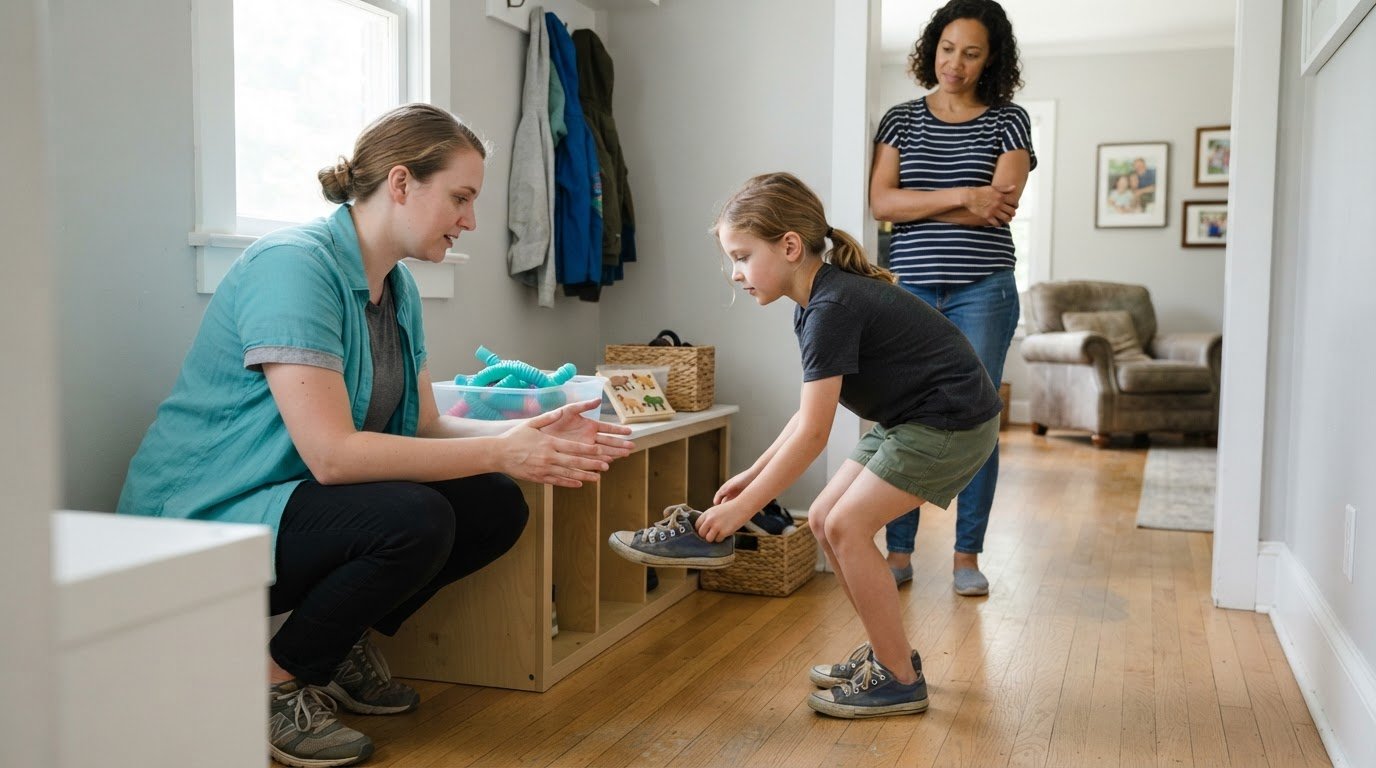
Home-based sessions let a child practice strategies during familiar routines, such as mealtimes or getting dressed. This familiarity may suit a child who feels anxious in new places. At home, practice takes place where household routines happen naturally; clinic sessions introduce a different environment.
A provider can use home sessions to build skills before introducing clinic routines, then help the child adjust to new surroundings. The transition can begin with familiar goals and strategies, creating a predictable link between settings. A setting that suited a three-year-old may not suit the same child at six, so teams can revisit the plan as goals and circumstances change.
Family Logistics and Participation
Clinic attendance adds travel and coordination with work, school, and family schedules. Home sessions avoid the clinic commute but require a caregiver to be present. Families weigh travel and clinic routines against having an adult available during home therapy.
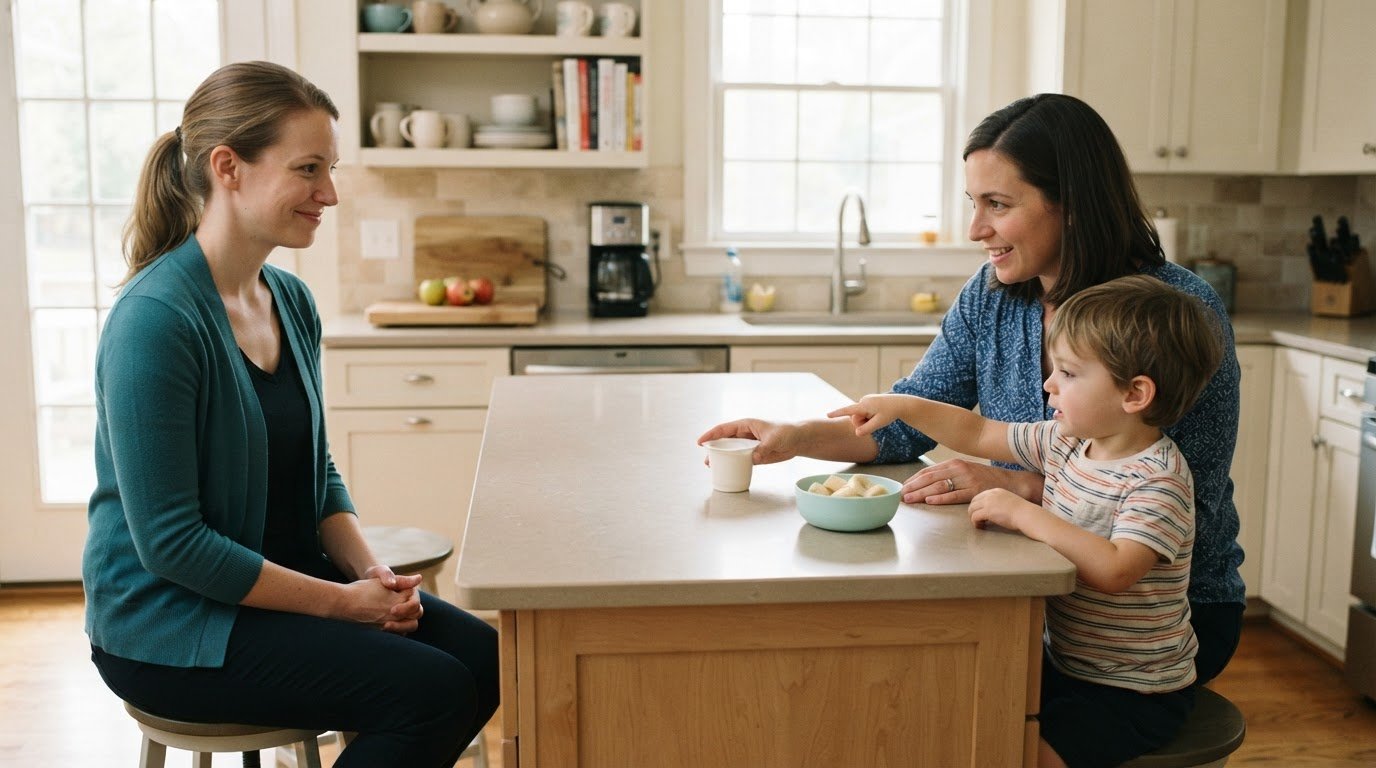
Caregivers can support consistency by learning the strategies used in sessions and practicing them during everyday routines. Parent Coaching can help families understand how to reinforce a skill, such as requesting help at mealtime. Clear communication about goals and strategies matters, especially when families use more than one language. The team should make plans understandable to the caregivers involved in treatment.
A provider-supported transition can include reviewing goals, introducing the clinic environment, and tracking how the child responds. For example, a child who is comfortable asking for help at home may need practice using that skill in an unfamiliar therapy room. The team can observe comfort, participation, and progress, then adjust teaching strategies as needed.
Changes in setting can affect insurance authorization. Moving from home-based to clinic-based ABA may require new authorization, so include that step in transition planning. Travel distance matters too: a nearby clinic creates a different routine from one farther away. These practical factors can shape whether a family starts with clinic sessions, transitions gradually, or revisits the plan later.
Parent involvement helps connect clinic learning with home life. The team can discuss which routines matter most to the family, explain how strategies relate to those routines, and share progress clearly. In multilingual households, discussing the family’s preferred language for treatment conversations can help caregivers participate meaningfully and use consistent strategies in daily life.
To discuss how a transition could fit your child’s goals and family routines, contact Divergent Minds ABA.
Structured clinic environments and peer interaction
A clinic offers a therapy-focused environment where distractions can be managed. That structure can support focused learning, while supervised activities create opportunities to practice interacting with peers.
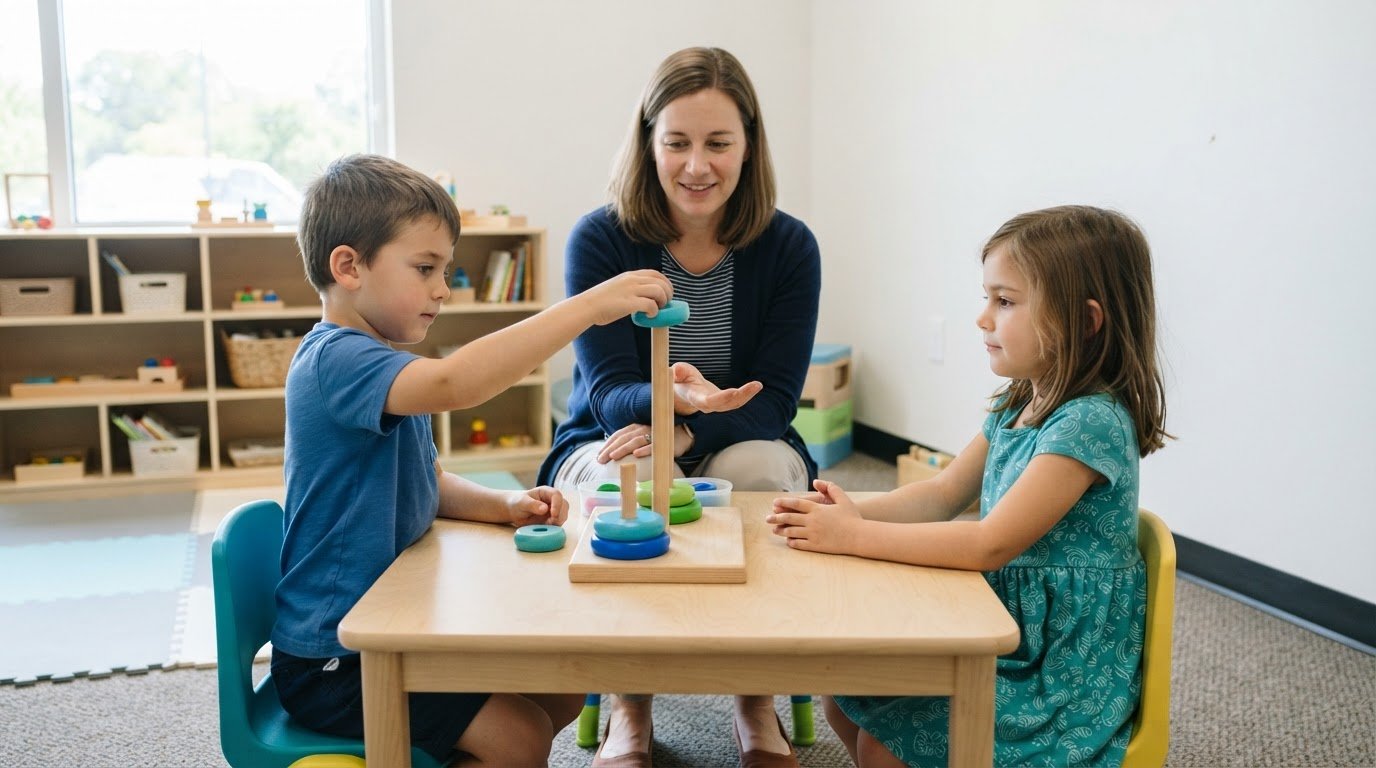
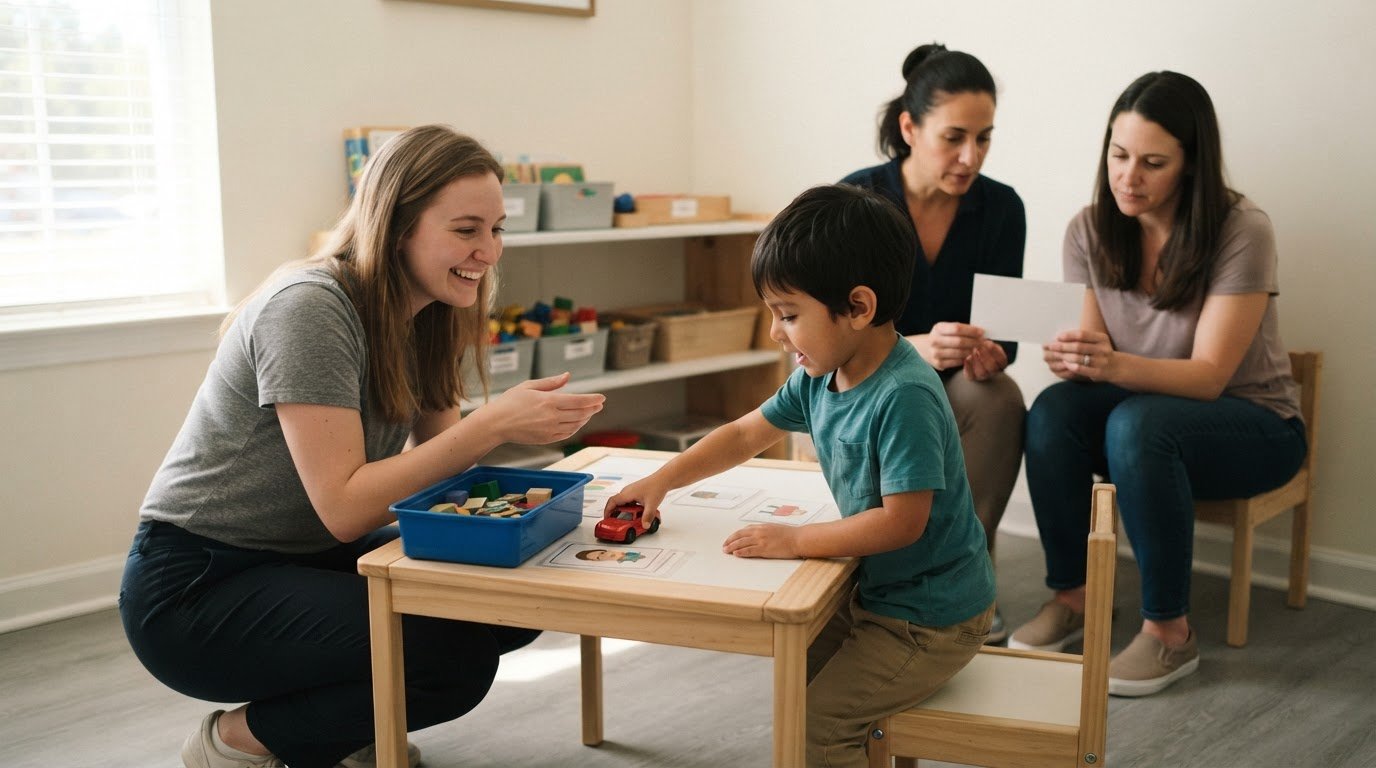
Clinic spaces may include sensory toys, teaching aids, and educational materials. A therapist might use a teaching aid to practice requesting, then help the child use that communication during play. A planned activity also gives the team a consistent context to observe the child’s responses and adjust instruction.
Structure can matter when a child is learning to attend to a task, wait, imitate, or ask for something. A quieter teaching space may reduce interruptions during early practice. Once a child learns a skill in that room, the team can plan practice in other situations. Using a skill in one setting does not automatically mean it will carry over elsewhere.
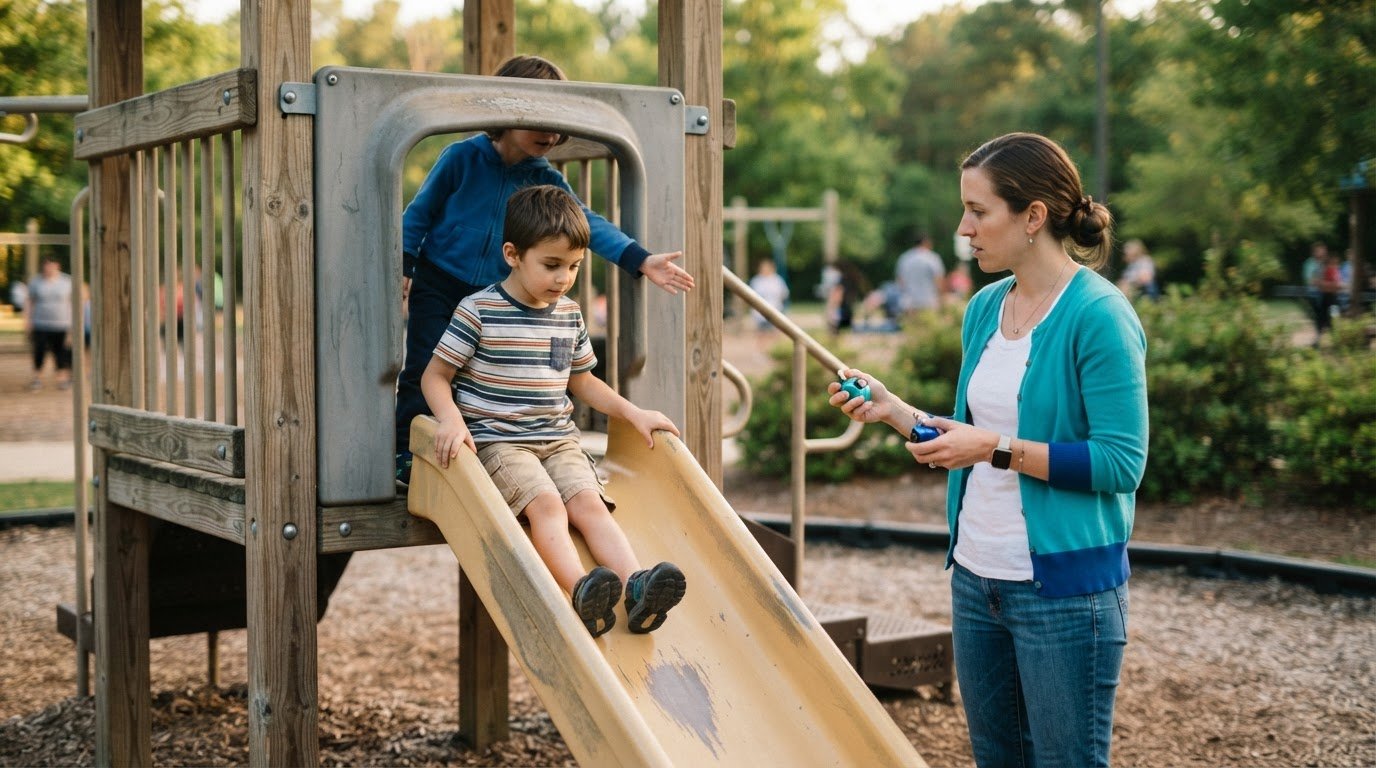
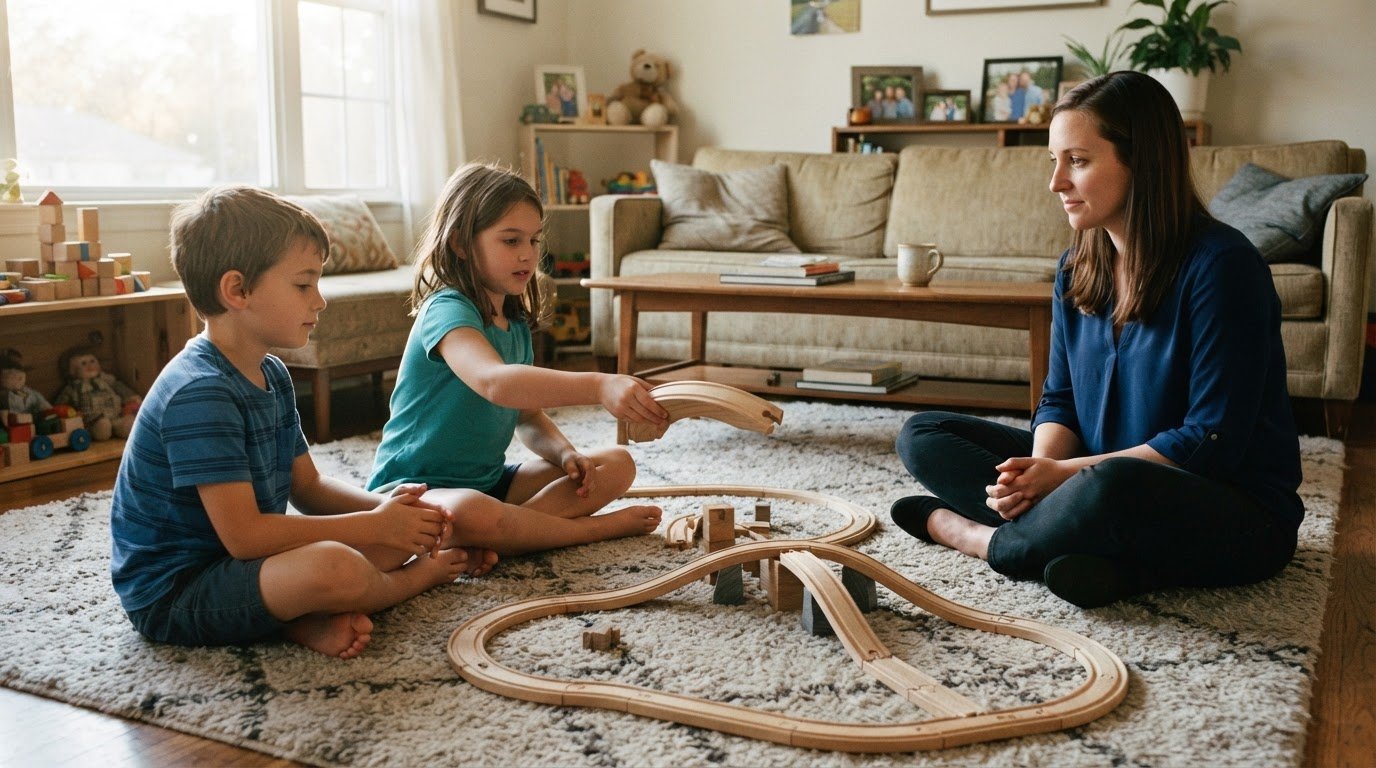
Peer interaction offers a different kind of practice. In supervised group activities, children can work on turn-taking, sharing, and play with other children. A shared toy, for example, can create a natural opportunity to wait, request a turn, or respond to a peer. These moments differ from one-to-one instruction because another child’s actions become part of the interaction.
Clinic-based ABA may be worth considering for a child preparing for preschool or kindergarten. Group activities can provide practice with routines such as joining play, waiting for another child’s turn, and following an adult’s direction in a shared space. These are practice opportunities, not a promise of school readiness. The team can connect them to the child’s individualized goals.
Home and clinic environments offer distinct social contexts. At home, a child may practice communicating with parents or siblings during familiar routines. A clinic can provide supervised opportunities to interact with peers in a structured environment. If a goal involves playing alongside other children, the team can consider how clinic practice complements learning at home.
Consider the specific interaction your child needs to practice. If sharing and turn-taking are priorities, a supervised peer activity may offer relevant opportunities. If the goal is asking a sibling for help during play at home, practicing in that routine may be more directly connected. Match the setting to the skill’s purpose in everyday life.
Progress is easier to evaluate when the team identifies the target behavior and observes it in context. For instance, a goal might be requesting a turn during shared play, rather than simply spending time near peers. The team can align the teaching environment, activity, and support with that goal, then plan practice to help the child use the skill beyond the clinic.
Can an ABA provider combine home and clinic sessions?
Yes. ABA providers can coordinate home and clinic sessions around a child’s goals, teaching needs, and opportunities to practice. For families considering how to choose between home and clinic ABA in Cary, the key is matching each setting to the skills the child needs to use there.
Start with goals that matter in more than one environment, such as asking for help or signaling a break. The BCBA can plan for those skills across settings from the outset. In a clinic, a child might practice requesting a break during a structured activity. At home, the same request can be practiced during a daily routine, using consistent prompts and reinforcement.
Different locations offer different practice opportunities. A clinic provides a controlled space for early teaching and may offer peer activities for social skills. Home sessions can focus on routines such as mealtimes, bedtime, or dressing, where a target behavior naturally occurs. Sensory distractions and available materials may also differ, so the team can choose activities suited to each environment.
Consistency makes a combined plan meaningful. For each goal, the team can use the same measure and prompt level across settings, then document where practice took place. If the goal is asking for help, for example, the record can show whether practice happened during a clinic task, a home routine, or both. The BCBA can review these notes with the family and treatment team.
During the first month, the team can evaluate whether the arrangement is working by tracking the goal measure, prompt level, attendance, and a routine. If a child uses a skill reliably in the teaching room but not where it is needed, the team can plan practice in that setting. If progress remains flat despite daily practice, the treatment plan may need review rather than a change of setting.
Schedules can combine settings in different ways. A hybrid plan might include clinic sessions three mornings a week alongside home sessions. Some families use a few home therapy sessions each month for specific routines while receiving most therapy at a clinic. The BCBA coordinates goals and strategies so each session supports the same treatment priorities.
Progress means more than performing a skill in one activity. The team can look for the child to use it with different people, materials, and routines. A request first practiced with a therapist might then be practiced with a parent at bedtime. Planned variation helps show where a skill is strong and where further teaching may help. This goal-based approach can guide how to choose between home and clinic ABA in Cary as a child’s needs evolve.
Discuss a coordinated plan for your child’s goals and routines through a conversation about ABA therapy settings.
Combining home and clinic sessions to support skill carryover
Skills need practice beyond the place where they were first taught. A coordinated home-and-clinic plan links structured teaching with the activities where a child will use each skill. The key is shared goals and consistent strategies, not simply adding sessions in another setting.
Start with goals that matter in more than one environment, such as asking for help or signaling a break. The BCBA can plan for those skills across settings from the outset. In a clinic, a child might practice requesting a break during a structured activity. At home, the same request can be practiced during a daily routine, using consistent prompts and reinforcement.
Different locations offer different practice opportunities. A clinic provides a controlled space for early teaching and may offer peer activities for social skills. Home sessions can focus on routines such as mealtimes, bedtime, or dressing, where a target behavior naturally occurs. Sensory distractions and available materials may also differ, so the team can choose activities suited to each environment.
Consistency makes a combined plan meaningful. For each goal, the team can use the same measure and prompt level across settings, then document where practice took place. If the goal is asking for help, for example, the record can show whether practice happened during a clinic task, a home routine, or both. The BCBA can review these notes with the family and treatment team.
During the first month, the team can evaluate whether the arrangement is working by tracking the goal measure, prompt level, attendance, and a routine. If a child uses a skill reliably in the teaching room but not where it is needed, the team can plan practice in that setting. If progress remains flat despite daily practice, the treatment plan may need review rather than a change of setting.
Schedules can combine settings in different ways. A hybrid plan might include clinic sessions three mornings a week alongside home sessions. Some families use a few home therapy sessions each month for specific routines while receiving most therapy at a clinic. The BCBA coordinates goals and strategies so each session supports the same treatment priorities.
Progress means more than performing a skill in one activity. The team can look for the child to use it with different people, materials, and routines. A request first practiced with a therapist might then be practiced with a parent at bedtime. Planned variation helps show where a skill is strong and where further teaching may help.
Discuss a coordinated plan for your child’s goals and routines through a conversation about ABA therapy settings.
Divergent Minds ABA: Clinic Based ABA Therapy
Divergent Minds ABA helps families connect a child’s goals with therapy in the clinic, at home, or in the community. Its personalized, evidence-based ABA plans focus on building confidence, independence, and lifelong skills. Clinic-Based ABA Therapy provides a structured setting for targeted learning, while Home-Based ABA Therapy can address goals in familiar routines. Community-Based ABA Therapy and Social Skills Groups offer other contexts for practicing skills with others.
Families considering a change or combination of settings can discuss how goals, routines, and practice opportunities fit together. Divergent Minds ABA works closely with families to create an individualized treatment plan, so the setting supports the child’s needs and everyday progress.
For guidance on your child’s ABA setting, contact Divergent Minds ABA.
Choose a next step that fits your child
Your child’s goals can change, and the best setting can change with them. Think of how to choose between home and clinic ABA in Cary as an ongoing conversation about where each skill needs to grow, not a decision that must define every stage of treatment. A clear next step is to discuss the goals that matter most now and how to support progress in daily life.
Divergent Minds ABA offers Clinic-Based ABA Therapy, Home-Based ABA Therapy, and Community-Based ABA Therapy. These settings can help families shape a plan around their child’s needs and the routines where new skills will be used. Start by discussing what feels manageable for your family and what your child is working toward.
Contact Divergent Minds ABA to discuss a setting that supports your child’s next steps. Thoughtful planning and family partnership can help build meaningful progress one skill at a time.
Frequently Asked Questions
What Is ABA Therapy, and Where Can It Happen?
Applied Behavior Analysis (ABA) is an evidence-based approach that can support communication, social skills, and behavior. For children with autism, therapy goals may include requesting help, following a routine, or communicating a need for a break. Sessions can take place at home, in a clinic, or in community settings. The appropriate location depends on where a child needs support and practice.
Do parents have to be home during in-home ABA?
Most providers require a parent or caregiver to be home during in-home ABA sessions. That arrangement allows the adult to be available during therapy and can make it easier to discuss how a goal connects with a household routine. For example, a caregiver may share how a child communicates during a family activity. The provider can use that context when planning relevant practice.
Is clinic-based ABA better for social skills?
Clinic-Based ABA Therapy can offer structured opportunities to practice social skills with peers, such as taking turns during a shared activity. Whether that setting fits depends on the child’s social goals and support needs. A child working on joining play may benefit from planned peer practice, while a goal involving communication with family members may also need practice during familiar daily routines.
Is in-home or clinic-based ABA more effective?
Neither setting is automatically more effective for every child. Both home and clinic ABA can support progress; the right fit depends on the child’s goals, preferred learning conditions, and where a skill needs to be used. A team can review progress on specific goals and whether those skills appear in daily life. That information can guide setting decisions.
What are the main differences between home-based and clinic-based ABA therapy?
Home-Based ABA Therapy takes place in the child’s familiar environment, while Clinic-Based ABA Therapy happens in a dedicated setting. This affects the situations available for practice: home sessions can address household activities, while clinics may support planned instruction and peer activities. For a child learning to communicate a need, the team can consider whether the skill is needed at home, in a clinic, or in both settings.
How many hours of ABA therapy are typically recommended, and does this vary by setting?
There isn’t one weekly schedule that applies to every child or setting. A treatment plan connects the recommended schedule to the child’s needs and goals, then the team can review progress and attendance. Families can also consider how sessions fit alongside school, rest, and other routines. Home and clinic locations affect logistics, but setting alone doesn’t determine recommended hours.
How can an ABA provider help a family transition between home-based and clinic-based ABA therapy?
An ABA provider can plan a transition around the child’s goals, comfort in the new setting, and family schedule. The team can introduce the clinic environment, align strategies across settings, and observe how the child participates. Families can share routines or concerns that may affect the change. A setting switch may also require new insurance authorization, so include that process in transition planning.