
What if your child's first step into therapy felt less like a clinical exam and more like a purposeful, joyful connection? Many parents arrive at our doors feeling a heavy weight of expectation, worrying that their child will be "tested" or subjected to rigid, repetitive drills. It's completely natural to feel a mix of hope and hesitation. You want to ensure your child feels seen and supported, not just evaluated by a stranger using complex terminology. Understanding what to expect first ABA session Raleigh can transform that initial anxiety into a sense of calm confidence.
We believe that therapy is a collaborative journey where you are an essential partner. In the following sections, we will outline the step-by-step flow of that first visit, from the crucial "pairing" phase where we build genuine rapport to the collaborative process of setting goals. You'll discover how our BCBA-led team creates a supportive environment focused on independence and growth. By the end of this guide, you'll have a clear roadmap for the day, ensuring you feel prepared to begin this rewarding chapter alongside your child.
Preparing for Your First ABA Intake in Raleigh
The journey toward meaningful growth often begins with a simple conversation. While your initial phone screen focused on general logistics and availability, the first in-person intake is where our partnership truly takes root. Understanding what to expect first ABA session Raleigh starts with recognizing that this is a transition from administrative details to clinical discovery. We use this time to build a foundation of trust, ensuring every step we take is aligned with your family's unique values and your child's specific needs. It's a dedicated space to move beyond the paperwork and focus on the human element of therapy.
To better understand how to select the right partner for this journey, watch this helpful video:
Since the regulatory shifts in August 2026, navigating North Carolina's Medicaid and private insurance landscape requires precision. New state guidelines now mandate that initial behavioral assessments must generally be conducted in-person. Additionally, for intensive plans exceeding 16 hours per week, reauthorization is now required every 90 days. We manage these administrative complexities so you can focus on your child's progress. This structure ensures that every treatment plan remains current, effective, and deeply personalized to your child’s evolving development as they transition into clinic based ABA therapy.
Gathering Your Child’s Documentation
We view your child's history as a map of their potential. Bringing your child's diagnostic report and any current Individualized Education Programs (IEPs) allows our Board Certified Behavior Analysts (BCBAs) to see the full picture of previous interventions. These documents provide a vital baseline for Applied Behavior Analysis (ABA) strategies, helping us avoid redundant "testing" and jump straight into effective support. Organizing medical records beforehand streamlines the process, giving us more time to discuss your child's vibrant personality and current strengths. Every detail you share helps us craft a plan that respects your child's individuality; we don't just look at behaviors, we look at the whole person.
The Initial Parent Consultation
The heart of our approach is the belief that you are the expert on your child. During the consultation, we move beyond clinical data to discuss your family’s daily rhythm. We want to know what a successful morning looks like for you or which social milestones matter most to your family. This dialogue is the first step in our parent coaching model, where we identify goals for independence together. It's a collaborative effort designed to turn clinical expertise into practical, everyday victories. By sharing your child's current challenges and triumphs clearly, you help us set the stage for a supportive environment where progress is celebrated at every turn.
The 'Pairing' Phase: Building Trust Through Connection
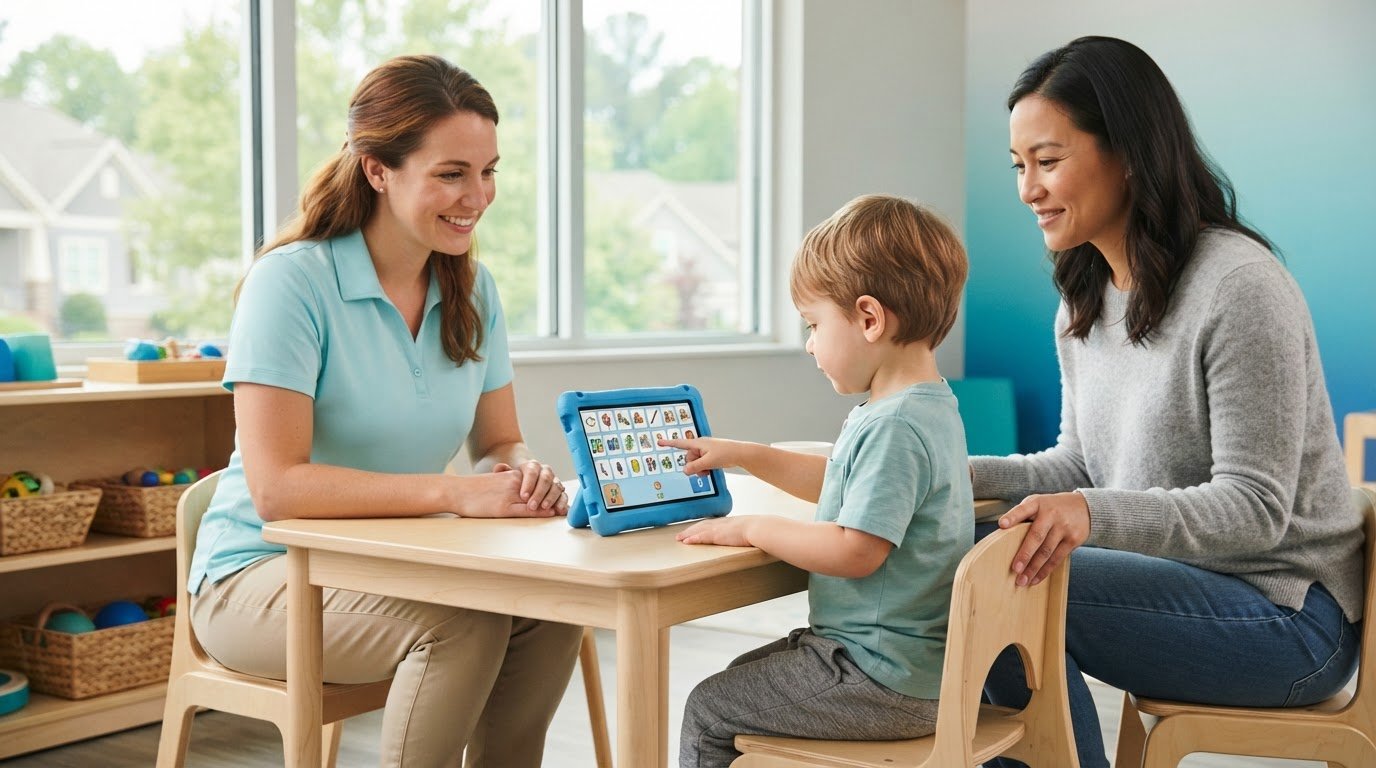
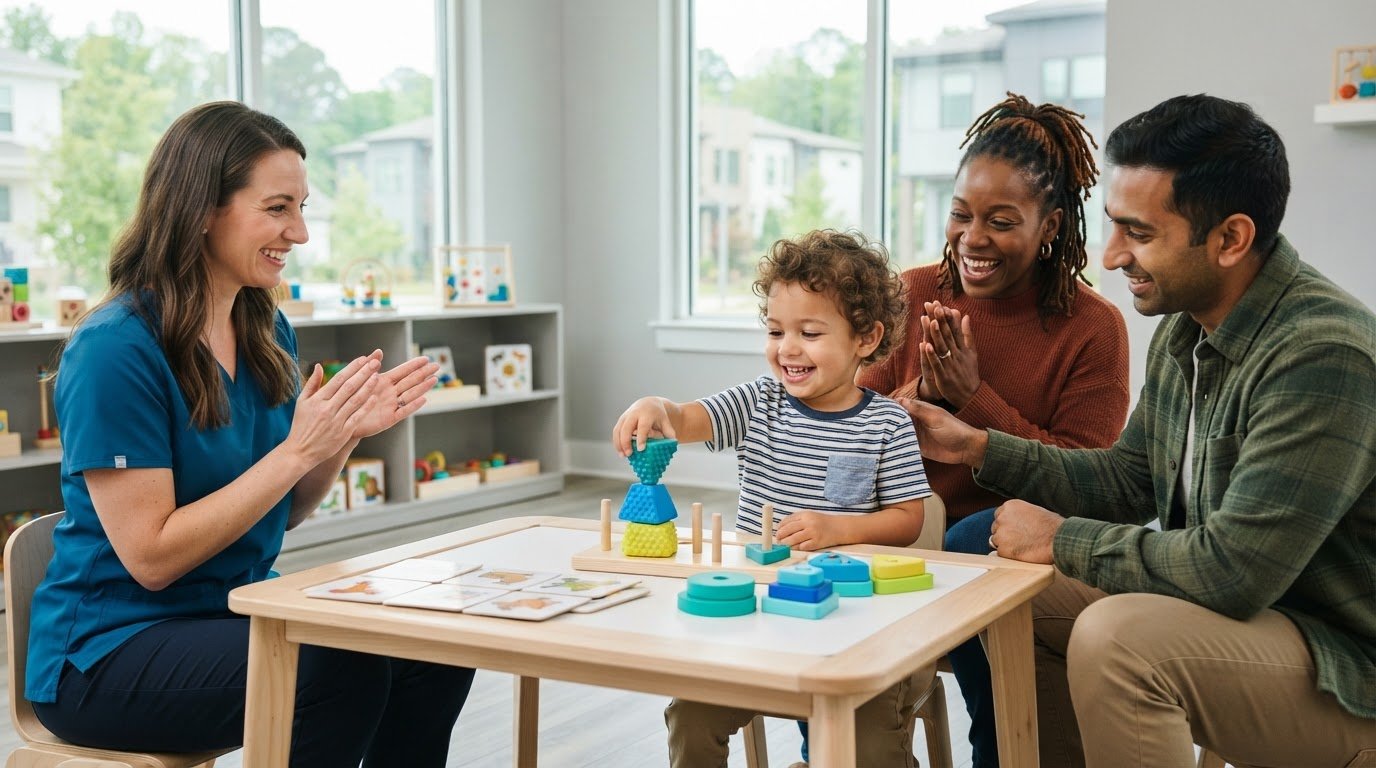
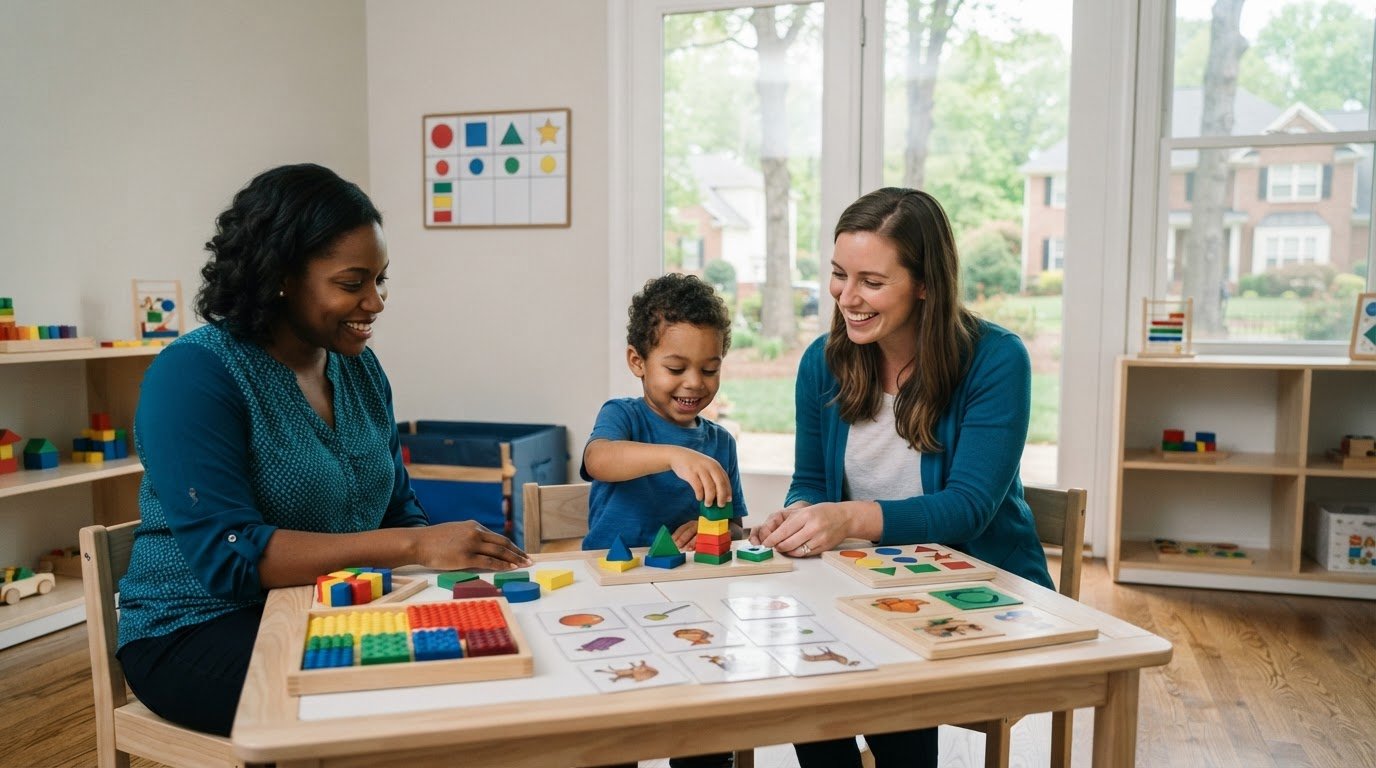
Trust is the precursor to growth. In the context of clinic based ABA therapy, the first session focuses heavily on "pairing." This is the clinical process of associating the therapist with the child's favorite activities, toys, and items. When you consider what to expect first ABA session Raleigh , imagine an environment that feels more like a purposeful playdate than a clinical evaluation. Our Cary clinic is designed to be a calm, supportive space where new environment anxiety is replaced by curiosity and engagement.
Because Divergent Minds is BCBA-owned and operated, this rapport-building phase isn't left to chance. It receives high-level professional oversight to ensure the connection is genuine and scientifically sound. This expert involvement ensures that the "play" is intentional, setting the stage for an individualized treatment plan that respects your child's personality. We prioritize this bond because a child who feels safe is a child who is ready to learn.
What Pairing Looks Like in Action
During this phase, the therapist follows the child's lead to discover their natural reinforcers. We don't just guess what your child likes; we observe their choices in real-time. This might involve:
- Integrating sensory items, games, and favorite toys into every interaction.
- Using high-energy play or quiet side-by-side activities depending on the child's preference.
- Establishing the therapist as the "giver" of fun and positive experiences.
By becoming the source of joy, the therapist becomes a person the child wants to interact with. This connection is essential for long-term success.
Why We Don’t Start with "Drills"
Rigid "drills" or high-demand tasks can be overwhelming for a child in a new setting. The science behind Applied Behavior Analysis (ABA) therapy emphasizes positive reinforcement as the primary driver of skill acquisition. We ensure the child feels safe and understood before introducing any clinical demands. Trust is the foundation for all future behavioral progress. By prioritizing this bond, we create a sustainable path toward independence. If you're ready to see how this supportive approach can benefit your family, reach out to our team today to discuss your child's needs.
Clinical Observation and Baseline Assessment Steps
Observation is a precise clinical tool. During the first hour, your Board Certified Behavior Analyst (BCBA) isn't just watching your child; they're documenting specific interactions to establish a baseline. This data marks the starting line for growth. When considering what to expect first ABA session Raleigh , remember that this phase is about gathering objective evidence of your child's current skills. We look at how they navigate their environment, interact with new people, and respond to various stimuli without the pressure of performance. It's a snapshot of who they are today, providing the clarity needed to plan for who they'll become tomorrow.
Understanding behavioral treatments for autism requires a deep look at how skills are measured across different settings. In our clinic-based ABA therapy, we observe how your child navigates a structured social space designed for learning. Conversely, home-based ABA therapy allows us to see how they interact with familiar routines and family members. Both settings offer unique insights into communication, social skills, and adaptive behaviors. By observing your child in these contexts, we ensure the treatment plan is as comprehensive as it is compassionate.
Key Areas of Focus During Observation
We prioritize your child's ability to advocate for themselves. A major focus is "mand training," which is the clinical term for how your child requests their needs and wants. We observe whether they use words, gestures, or pictures to communicate. Beyond communication, we evaluate social interactions and play skill levels, such as whether they engage in functional play or prefer repetitive motions. Identifying these patterns early allows us to spot any immediate barriers to learning. When we understand what prevents a child from engaging, we can build the right supports to help them overcome those challenges.
The Functional Behavior Assessment (FBA) Intro
The Functional Behavior Assessment (FBA) identifies the "why" behind specific actions. We don't just look at what a behavior looks like; we look at what purpose it serves for your child. In light of the August 2026 North Carolina Medicaid regulations, these assessments must be conducted in-person to ensure the highest standards of clinical integrity. This baseline data is vital. It informs the eventual Individualized Treatment Plan (ITP), ensuring every goal we set is rooted in professional, objective data. This methodical approach builds a transparent path toward independence, allowing us to celebrate every incremental success with confidence.
Practical Tips for Raleigh Parents: Preparing Your Child
Preparation is the bridge between anticipation and action. When you understand what to expect first ABA session Raleigh , you can shift your focus from the unknown to the practical steps that ensure a smooth transition. Arriving with a sense of calm is vital for a successful start. Given the unpredictable nature of the I-40 and US-1 interchange during peak hours, we recommend leaving a few minutes early to navigate the Raleigh or Cary commute. A hurried arrival can increase stress for both you and your child; a few extra minutes allows for a gentle transition from the car to our supportive clinic environment.
A Packing List for the Cary Clinic
Creating a "First Day" bag helps your child feel a sense of ownership over their new space. This bag should contain items that provide both comfort and motivation as we begin the pairing process. Consider including:
- Preferred reinforcers: Specific toys, gadgets, or items your child currently loves.
- Sensory tools: Noise-canceling headphones, weighted lap pads, or fidget tools.
- Personal essentials: A full change of clothes and any specific dietary snacks or drinks.
These items serve as familiar anchors in a new setting. They help our therapists establish themselves as "givers" of fun, facilitating a faster bond. We want your child to see the clinic based ABA therapy environment as a place where their needs are anticipated and respected. Having these items on hand ensures that the first session remains focused on positive reinforcement and joy.
Preparing Your Child Mentally
Communication is key to reducing "new place" jitters. Use simple, positive language to describe the visit as a trip to a "new play place" where they'll meet a new friend. Social stories can be incredibly effective here; use pictures or drawings to walk through the steps of arriving, playing, and then going home. Maintaining your child's typical morning routine is equally important. Consistency provides a safety net that makes a new experience feel like a manageable part of their day.
Finally, manage your own expectations with kindness. It's completely okay if the first day feels a bit messy or if your child is hesitant. We don't expect perfection; we expect a beginning. You are a vital partner in this journey, and your presence—whether in the room or nearby—provides the security your child needs to explore. If you have specific questions about your child's unique needs before you arrive, reach out to our Raleigh-area team to discuss how we can best support your family's first visit.
Post-Session: Moving Toward a Personalized Treatment Plan
The conclusion of the first visit marks the beginning of a deeper clinical synthesis. After the observations are complete, your BCBA will summarize the initial findings to provide a clear picture of the path ahead. This conversation is where parent coaching begins in earnest. We don't wait for a formal document to start supporting you; we share immediate, evidence-based strategies that you can implement in your daily routine. Understanding what to expect first ABA session Raleigh means recognizing that the transition from assessment to regular therapy is a methodical, transparent process designed to build your confidence as a partner in your child's growth.
Success is built on a foundation of shared goals and mutual trust. In the days following your intake, our team works diligently to translate baseline data into a comprehensive Individualized Treatment Plan (ITP). This document serves as the clinical blueprint for your child's development, outlining specific milestones and the behavioral strategies we will use to reach them. Under the August 2026 North Carolina guidelines, this plan also facilitates the necessary insurance authorizations, ensuring your child receives the consistent care they deserve without administrative delays. We typically finalize this plan within one to two weeks, keeping you informed at every stage of the development process.
Reviewing the First Day Wins
We believe in celebrating incremental progress from the very first hour. During our post-session review, we highlight "first day wins", those small but significant moments of connection, curiosity, or comfort your child displayed. Perhaps they engaged with a new sensory tool or successfully transitioned between activities with minimal support. These moments are indicators of potential. We also use this time to address any concerns or surprises that arose during the session. Your perspective is invaluable; we ensure your voice is the primary influence in the goal-setting process so that the therapy aligns with your family's unique priorities and values.
Scheduling and Next Steps
Clarity in scheduling provides the stability children need to thrive. Once the assessment phase concludes, we will determine the recommended frequency of services based on your child's specific needs and the data collected. This might range from focused social skills support to more intensive intervention. You have the flexibility to choose the setting that best supports your family's Raleigh lifestyle, whether that involves home-based ABA therapy, clinic-based sessions, or a combination of both. Our goal is to create a sustainable rhythm that fosters independence while remaining approachable and welcoming for your entire family.
Beginning Your Journey with Confidence in Raleigh
Your child's first step into therapy is a significant milestone that deserves a thoughtful, supportive approach. By understanding what to expect first ABA session Raleigh , you can move past the clinical uncertainty and focus on the joy of discovery. We prioritize a compassionate, family-centered approach that begins with building genuine trust through pairing and results in a precise, evidence-based roadmap for growth. This initial visit isn't about rigid testing; it's about establishing a steady foundation where your child feels safe, understood, and encouraged to explore their potential.
At Divergent Minds, we're BCBA-owned and operated, ensuring that every interaction is guided by high-level expertise and heartfelt empathy. We're dedicated to developing individualized treatment plans that celebrate your child's unique strengths while fostering their long-term independence. You don't have to navigate this path alone; we're here to serve as your knowledgeable guides and supportive allies in this rewarding journey. Schedule a Consultation with Our BCBA-Owned Team today to learn how our collaborative therapy can empower your family. We look forward to celebrating every incremental victory alongside you.
Frequently Asked Questions
How long does the first ABA session typically last in Raleigh?
An initial intake or observation session generally lasts between 60 and 90 minutes. This timeframe allows our BCBA to conduct a thorough observation while ensuring your child remains comfortable and engaged throughout the process. We move at a pace that respects your child's energy levels and attention span. This duration provides ample time for the pairing process and initial baseline data collection without overwhelming your family during your first visit.
Should I stay in the room during my child’s first ABA session?
We encourage parents to remain present during the first session to facilitate a sense of security for the child. Your presence helps us understand your family's unique dynamics and provides immediate context for the behaviors we observe in a new setting. As we transition into regular therapy, we'll collaborate on the best level of involvement for your child's independence. We view you as an essential partner in the clinical process from day one.
What if my child has a meltdown during the first session?
Meltdowns are a natural part of the learning process, and our team is clinically trained to handle these moments with calm empathy. We focus on understanding the "why" behind the behavior rather than just stopping it. If a meltdown occurs, we use it as an opportunity to observe your child's needs and how they communicate distress. You don't need to feel embarrassed; our environment is designed to be a safe, judgment-free space for growth.
Will the therapist start working on behavior goals immediately?
The first session focuses on building rapport and gathering baseline data rather than immediate goal implementation. We prioritize the pairing phase to ensure your child associates therapy with positive experiences and fun. Establishing this trust is a prerequisite for long-term success. Once we have a clear understanding of your child's current skills, we'll develop a personalized treatment plan that targets specific behavioral goals in subsequent sessions.
What should I do if my child is shy or slow to warm up to new people?
It is common for children to be hesitant in a new environment, and we adjust our approach to match their comfort level. We utilize your child’s favorite toys and sensory items to create a low-pressure atmosphere. Our therapists are skilled at "fading in" slowly, allowing your child to lead the interaction at their own speed. This patient, child-led approach ensures that your child feels respected and safe as they begin to explore the therapeutic setting.
How soon after the first session will we receive a treatment plan?
Families can typically expect to receive a finalized Individualized Treatment Plan within one to two weeks following the initial assessment. This period allows our BCBA to analyze the baseline data and craft goals that are both ambitious and achievable. We prioritize transparency during this time, ensuring you understand what to expect first ABA session Raleigh and the subsequent steps toward starting regular therapy sessions in our clinic or your home.
Can we switch between clinic-based and home-based therapy later?
Yes, we offer the flexibility to transition between clinic-based, home-based, and community-based therapy as your child's needs evolve. We recognize that skills learned in the clinic must generalize to the home environment for true independence. Our team regularly reviews your child's progress to determine which setting provides the most effective support. This collaborative approach ensures that the therapy schedule remains sustainable and effective for your family’s specific Raleigh lifestyle.
Is the first session covered by my insurance provider in North Carolina?
Most private insurance plans and North Carolina Medicaid cover the initial ABA assessment, though specific coverage details vary by provider. We accept multiple insurance carriers and work closely with them to secure the necessary authorizations before your first visit. Our administrative team handles the verification process to provide you with a clear understanding of your benefits. We recommend verifying your specific plan's requirements for in-person assessments as mandated by 2026 state regulations.