The largest autism center in Wake County is often the least equipped to protect your child's authentic personality. When searching for dependable aba therapy raleigh nc, families are too frequently met with regional corporate networks driven by administrative quotas rather than direct clinical mentorship.
We understand your hesitation. You shouldn't have to endure exhausting waitlists, nor should you ever have to accept rigid, compliance-focused methods that suppress your child's natural spark. Between weighing home versus clinic settings and untangling North Carolina insurance pre-authorizations, finding high-quality behavioral support can quickly become overwhelming.
This 2026 family guide provides clear clinical comparisons so you can evaluate autism therapy options across Raleigh, Cary, and Apex with complete confidence. Ahead, we examine the differences between BCBA-led practices and corporate chains, explore which therapeutic setting best aligns with your daily routines, and outline how to secure compassionate, evidence-based care covered by your insurance plan.
Navigating ABA Therapy in Raleigh, NC: The Wake County Landscape
Finding exceptional developmental care in the Triangle often brings an unexpected hurdle: decision fatigue. Wake County features world-class medical networks, yet locating the right Applied Behavior Analysis provider requires balancing clinical rigor against practical daily living. A program that looks great on paper won't serve your family if daily commutes along I-40 or the US-1 corridor turn therapy sessions into exhausting hurdles.
Modern behavioral intervention prioritizes communication, emotional regulation, and self-advocacy over rigid compliance. To better understand how contemporary practitioners support your child's growth, watch this short overview:
The Evolution of Modern Applied Behavior Analysis
Behavioral science has changed dramatically over the last two decades. Gone are the days of sterile table-top drilling and forced masking behaviors. Today's neurodiversity-affirming practitioners focus on naturalistic, child-led play that builds functional independence while honoring your child's innate personality. Within quality clinic-based ABA therapy environments, Board Certified Behavior Analysts (BCBAs) craft customized treatment plans. They actively supervise Registered Behavior Technicians (RBTs), who deliver daily 1:1 engagement through joyful, connection-driven milestones.
Understanding Wake County Pediatric Support Ecosystem
Securing the right fit for aba therapy raleigh nc means viewing your child's journey as an integrated community effort. High-caliber behavioral clinics coordinate actively with local speech-language pathologists, occupational therapists, and pediatricians. They also help align developmental goals with individualized education programs (IEPs) across the Wake County Public School System.
Waitlist management requires intentional planning across the Triangle. Because pediatric centers in Raleigh, Cary, and Apex experience steady demand, you can safeguard your child's developmental timeline with a few decisive steps:
- Request simultaneous intakes: Place your child on multiple vetted provider rosters while compiling diagnostic documentation.
- Verify technician credentialing: Ensure the clinic pairs you with certified RBTs directly mentored by on-site, licensed clinicians.
- Prioritize local access: Choose centers positioned near central transit corridors to minimize travel stress for your child.
Comparing Autism Therapy Settings: Clinic, Home, and Community
Every child possesses a distinct sensory, communication, and behavioral profile. Because developmental milestones rarely unfold on a one-size-fits-all timeline, selecting where therapy occurs is just as significant as the clinical programming itself. Research on Behavioral approaches for ASD emphasizes that learning environments must directly support skill acquisition, practical maintenance, and everyday generalization.
A comprehensive continuum of care allows clinicians to match the setting to your family's dynamic routines. When assessing providers of aba therapy raleigh nc, evaluating environmental stimuli, peer access, and logistics will clarify the ideal setting for your child.
Clinic-Based Therapy: Structured Sensory and Social Foundations
Purpose-built clinical spaces eliminate domestic distractions such as sibling interruptions or familiar entertainment screens. Within our dedicated clinic-based ABA therapy center in Cary, children gain access to controlled sensory gyms and specialized motor equipment. These spaces allow behavior technicians to regulate nervous systems before introducing communicative challenges. Peer cohorts are immediately accessible, fostering genuine parallel play, collaborative games, and structured group participation within a safe, clinician-monitored setting.
Home-Based Intervention: Real-Life Daily Living Routines
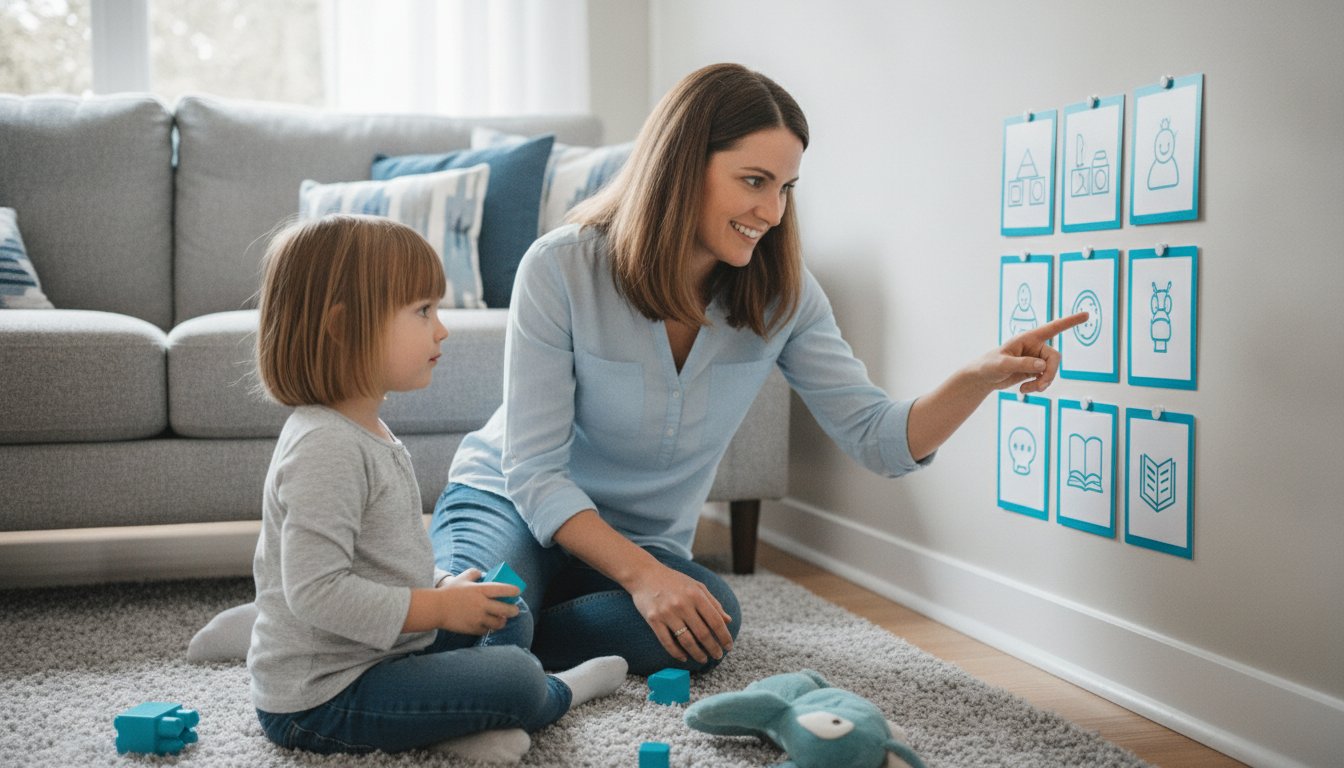
Clinical gains must translate to your living room. Working directly at home allows therapists to address natural friction points where they happen organically, including morning routines, dinnertime selectivity, self-care tasks, and sibling conflicts. As detailed in our practical guide on in-home ABA therapy, clinicians coach families directly on environmental tweaks to reduce sensory overload, helping the entire household establish calm, predictable daily rhythms.
Community Outings and Structured Social Groups
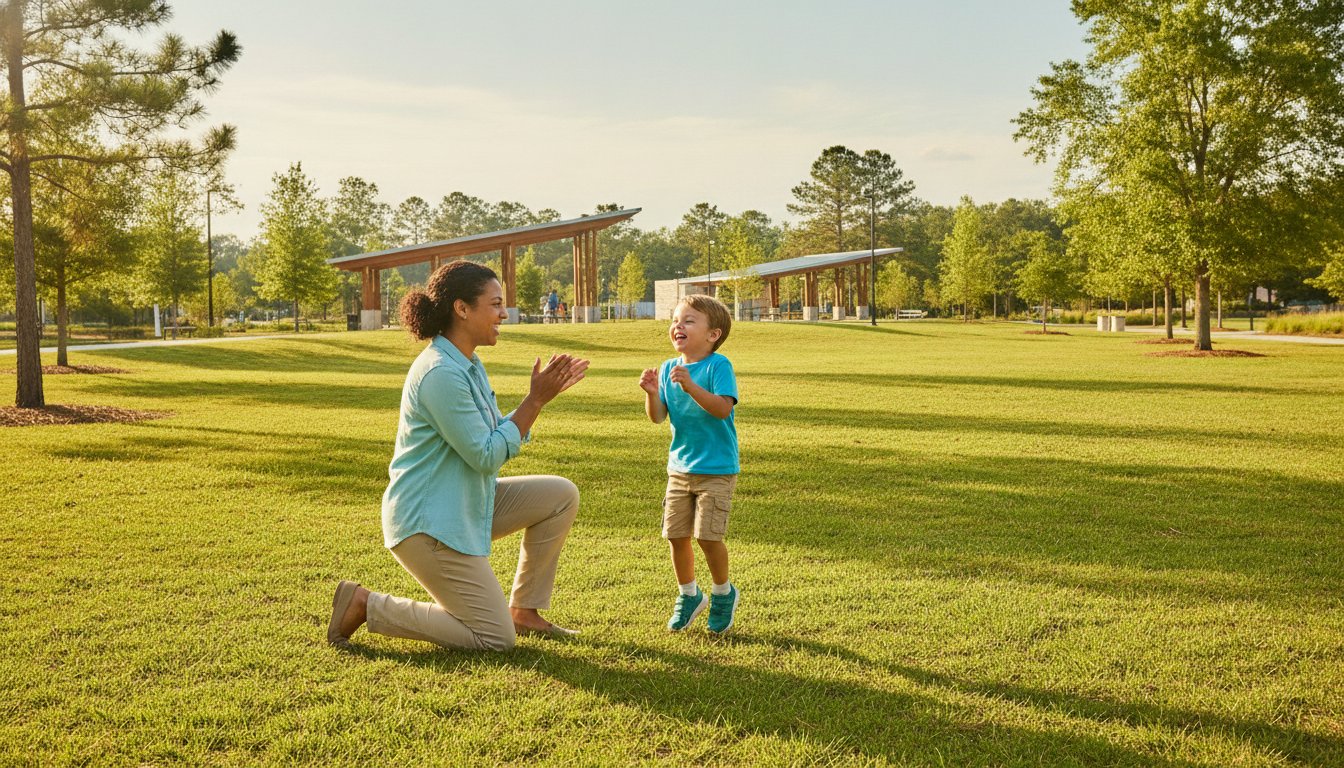
Generalization expands beyond the walls of your home or clinic. Community-based therapy accompanies children into local environments across Wake County, such as grocery stores, medical offices, and community parks. Therapists help children practice waiting, transition management, and safety protocols in busy public spaces.
To nurture peer connections, targeted cohorts in social skills groups build vital emotional regulation and cooperative play skills alongside peers of similar developmental levels. If you are weighing whether home, center, or hybrid therapy fits your family's routine, you can speak with our clinical team to map out a personalized plan.
Roundup: Evaluating Raleigh ABA Therapy Provider Models
The Triangle behavioral health sector has experienced a wave of private-equity buyouts. When exploring aba therapy raleigh nc, parents will quickly notice three dominant organizational models: multi-state corporate chains, large hospital-affiliated networks, and independent clinician-owned centers. The operational engine behind each model directly influences caseload sizes, technician retention, and clinical oversight.
Organizational priorities dictate how your child's milestones are managed. Understanding who makes clinical decisions, whether an on-site BCBA or an out-of-state board of investors, empowers you to select an environment built around quality of care rather than billable productivity.
Large Multi-State Clinical Chains: Scale Versus Personalization
Corporate providers frequently showcase glossy marketing and extensive physical facilities across multiple regions. These scale advantages, however, often mask hidden operational friction points:
- High staff turnover: Aggressive billable hourly quotas placed on Registered Behavior Technicians frequently lead to burnout, interrupting therapeutic continuity for your child.
- Cookie-cutter programming: Standardized curriculum packages are often rolled out across entire regions, reducing a clinician's ability to tailor programs around unconventional strengths.
- Administrative detachment: Parent concerns must routinely filter through centralized customer service hotlines rather than being addressed directly by clinical leaders on-site.
Hospital-Affiliated Programs: Medical Integration and Waitlist Realities
Regional academic hospital centers provide unmatched multidisciplinary diagnostic access. Having developmental pediatricians, neurologists, and behavior analysts within the same umbrella builds thorough clinical coordination. Yet, institutional bureaucracy brings severe practical trade-offs. Lengthy intake queues stretching over twelve months are routine, and therapy schedules are often bound to rigid clinical hours that do not align with busy family routines. Consequently, many families use hospital resources for initial diagnostic testing, then pivot to agile community clinics for ongoing intervention.
BCBA-Owned Practices: High-Touch Oversight and Clinical Integrity
Clinician-owned practices place Board Certified Behavior Analysts at the absolute helm of everyday care. Because the leadership team works directly on the treatment floor, supervisory decisions center on developmental outcomes instead of corporate investor returns. This hands-on structure ensures that technician pairing is intentional, clinical caseloads stay strictly managed, and families have an open line of communication directly with the practice director. As examined in our guide on ABA therapy in Cary, practices rooted in local clinical ownership provide the transparency, consistency, and warmth required to build authentic developmental milestones.
Checklist for Vetting Raleigh Autism Providers: Questions to Ask
Selecting an autism provider requires asking targeted questions about clinical governance. Modern spaces and welcoming waiting rooms cannot compensate for thin clinician oversight or high technician burnout. When evaluating aba therapy raleigh nc, your focus should remain on verifying direct clinical mentorship, low clinician-to-child ratios, and neurodiversity-affirming practices.
The following vetting framework helps families assess whether a practice can deliver the focused care their child deserves.
Supervision Hours, Caseload Limits, and RBT Retention
High-quality intervention hinges directly on the quality of active supervision your child receives each week. While regulatory guidelines establish a baseline of five percent supervision for direct therapy hours, high-touch clinics often double or triple that investment. When interviewing potential providers, ask these specific questions:
- "How many active cases does each BCBA manage simultaneously?" Clinicians managing fewer than 10 to 12 children maintain significantly better oversight than those juggling 20 or more.
- "What percentage of my child's hours will include direct BCBA supervision?" Look for practices that prioritize frequent on-site modeling over distant, hands-off administrative reviews.
- "What is your average technician tenure?" High RBT retention rates reflect a supportive clinical culture, ensuring continuous, stable rapport for your child.
Parent Collaboration and Coaching Protocols
Therapy achieves its greatest potential when caregivers and clinicians work as equal partners. Ask prospective directors how family priorities are incorporated into treatment planning. Structured parent coaching sessions provide practical strategies to manage sensory hurdles and support functional communication within everyday family moments. Confirm that your clinical team schedules formal quarterly reviews to analyze progress and adjust goals alongside you.
Navigating North Carolina Insurance and Authorizations
Under North Carolina Senate Bill 676, state-regulated commercial health insurance plans must provide coverage for medically necessary ABA services up to age 19. Even so, many large corporate Triangle employers utilize self-funded plans exempt from state mandates. A dependable provider should assist you with administrative verification, submitting comprehensive diagnostic reports, and managing ongoing pre-authorizations.
If you want clear answers about clinical supervision or insurance coordination, schedule an intake consultation with our Cary clinical team to examine options for your child.
Why Raleigh and Cary Families Choose Divergent Minds ABA
Every child deserves clinical care guided by empathy, clinical precision, and personal connection. Rather than operating as an impersonal satellite office for an out-of-state healthcare network, Divergent Minds ABA was founded on a simple premise: behavior analysis works best when clinicians remain close to the families they serve. As parents evaluate their choices for aba therapy raleigh nc, our practice stands out as a dedicated, clinician-led sanctuary where every learner's voice is respected.
Progress should never feel transactional. We partner directly with families across Cary, Apex, and greater Raleigh to design responsive treatment plans that spark joyful, functional independence.
Clinical Excellence Rooted in BCBA Leadership
Direct clinician leadership makes all the difference in therapy quality. Because our practice is owned and actively directed on-site by Board Certified Behavior Analysts, clinical decisions are never filtered through remote business executives. This model provides foundational advantages for your child:
- Intimate clinical oversight: Our leaders know your child's personality, triggers, and favorite reinforcers firsthand.
- Strict caseload caps: Low client rosters ensure our BCBAs spend meaningful hours on the floor modeling interventions alongside behavior technicians.
- Assent-based learning: We honor your child's emotional boundaries, teaching self-advocacy alongside critical adaptive life skills.
Accessible, Collaborative Care Across the Triangle
Meaningful progress requires environmental versatility. Our dedicated clinic in Cary provides a central, easily accessible hub for families commuting throughout Wake County. To ensure developmental milestones hold up in everyday life, our center-based programming connects smoothly with comprehensive in-home therapy programs and structured community outings. Furthermore, our dedicated administrative staff works closely with major commercial insurance providers to streamline pre-authorizations and relieve billing confusion.
Begin Your Family Journey with Us
You don't have to navigate developmental milestones on your own. Our clinical directors are here to listen, review diagnostic documentation, and construct a supportive path forward. Tour our sensory spaces, observe our playful learning rooms, and connect with clinicians who share your high expectations. Contact Divergent Minds ABA today to schedule an initial intake consultation and discover what genuine clinical partnership looks like.
Choosing the Right Path for Your Child's Behavioral Growth
Selecting developmental support transforms your family's daily life. When searching for exceptional aba therapy raleigh nc, prioritize practices that emphasize high-touch BCBA supervision, assent-based methods, and adaptable environments over rigid corporate quotas. Whether your family needs clinic structure, domestic routines, or community generalization, the right clinical partner meets your child exactly where they thrive.
Divergent Minds ABA offers an intentional alternative. Owned and operated on-site by Board Certified Behavior Analysts, we deliver individualized care across clinic, home, and community settings in Wake County. We also partner directly with major commercial insurance providers across North Carolina to keep quality care accessible. Every milestone is worth celebrating. To begin your journey, connect with Divergent Minds ABA to explore individualized therapy in Cary and Raleigh.
Frequently Asked Questions
How does ABA therapy help children with autism in daily life?
Applied Behavior Analysis helps children develop functional communication, emotional regulation, and daily living skills. Instead of demanding compliance, modern therapy identifies why specific behaviors occur and teaches adaptable replacement skills. In everyday life, this looks like learning to express wants, navigating sibling play, managing sensory discomfort, and completing routines like dressing or brushing teeth. These small steps foster genuine autonomy and reduce daily frustration at home and school.
What is the main difference between clinic-based and in-home ABA therapy?
The primary difference lies in environmental control and skill focus. Clinic-based therapy provides structured sensory gyms, low-distraction spaces, and consistent peer groups for social development. In contrast, in-home therapy targets everyday domestic routines like family mealtimes, bedtime transitions, and sibling interactions directly where challenges arise. Many families in Cary and Apex utilize both models to ensure new developmental skills successfully translate into their real-world routines.
How much direct supervision does a BCBA provide during therapy sessions?
Regulatory standards require Board Certified Behavior Analysts to supervise a minimum of five percent of direct therapy hours, though high-touch practices often provide significantly more. When searching for aba therapy raleigh nc, ask clinics how often a BCBA observes sessions in person. At clinician-owned centers, BCBAs actively work alongside behavior technicians on the treatment floor, modifying interventions in real time and maintaining tight clinical communication with parents.
Is ABA therapy covered by commercial insurance providers in North Carolina?
Yes, North Carolina law mandates that state-regulated commercial health insurance plans provide coverage for medically necessary ABA services for individuals under age 19. However, self-funded employer plans are exempt from this mandate, meaning coverage depends on your specific employer's benefit package. A reputable clinic coordinates with your commercial insurance carrier to review your policy details, submit clinical documentation, and obtain required prior authorizations before therapy begins.
At what age should a child begin early intervention ABA therapy?
Children can begin early intervention therapy as early as age two, right after receiving an autism diagnosis. The earlier intervention starts, the more effectively clinicians can nurture communication, emotional regulation, and social readiness during formative stages of brain development. Early therapy programs use play-based, naturalistic techniques that engage toddlers joyfully. This supportive foundation helps young learners develop confidence before they transition into preschool or elementary classrooms.
Can our family combine clinic-based sessions with home-based therapy?
Yes, combining clinic and home therapy is an excellent strategy known as a hybrid service model. A hybrid plan allows your child to build foundational communication and peer socialization in a dedicated clinic setting while addressing morning routines or bedtime habits at home. This balanced approach helps generalize progress quickly, giving your child structured support in Cary while ensuring parents learn effective coaching tools in their living room.
How do I choose between a corporate clinic and a BCBA-owned practice?
Choose based on caseload sizes, supervisory involvement, and clinical decision-making authority. Multi-state corporate networks often face higher staff turnover, centralized call centers, and strict billable quotas set by non-clinical executives. In contrast, BCBA-owned practices prioritize clinician-led care, where owners remain actively engaged on the clinic floor. For families seeking aba therapy raleigh nc, an independent local practice ensures personalized therapist matching and immediate parent access to clinical directors.