What if the most effective classroom for your child isn't a clinical setting, but your own living room floor or the local park in Cary? Many parents feel a sense of hesitation when starting therapy, fearing that the process might feel rigid or "robotic" for their little ones. You want your child to develop skills that work in the real world, and natural environment teaching ABA makes this possible by meeting your child exactly where they are. It's a common concern that skills learned in a sterile environment won't naturally transfer to a busy afternoon at home or a trip to the Raleigh Farmers Market.
We understand that you're looking for a path that honors your child's individuality while achieving meaningful progress. This guide will help you discover how this evidence-based approach transforms ordinary moments into powerful steps toward independence. We'll explore the specific benefits of naturalistic interventions, how they foster a collaborative relationship with your BCBA, and why therapy that feels like fun is often the most effective way to reach lasting milestones. By focusing on growth within daily routines, we can build a future where your child feels confident and capable in every environment they encounter.
What is Natural Environment Teaching (NET) in ABA Therapy?
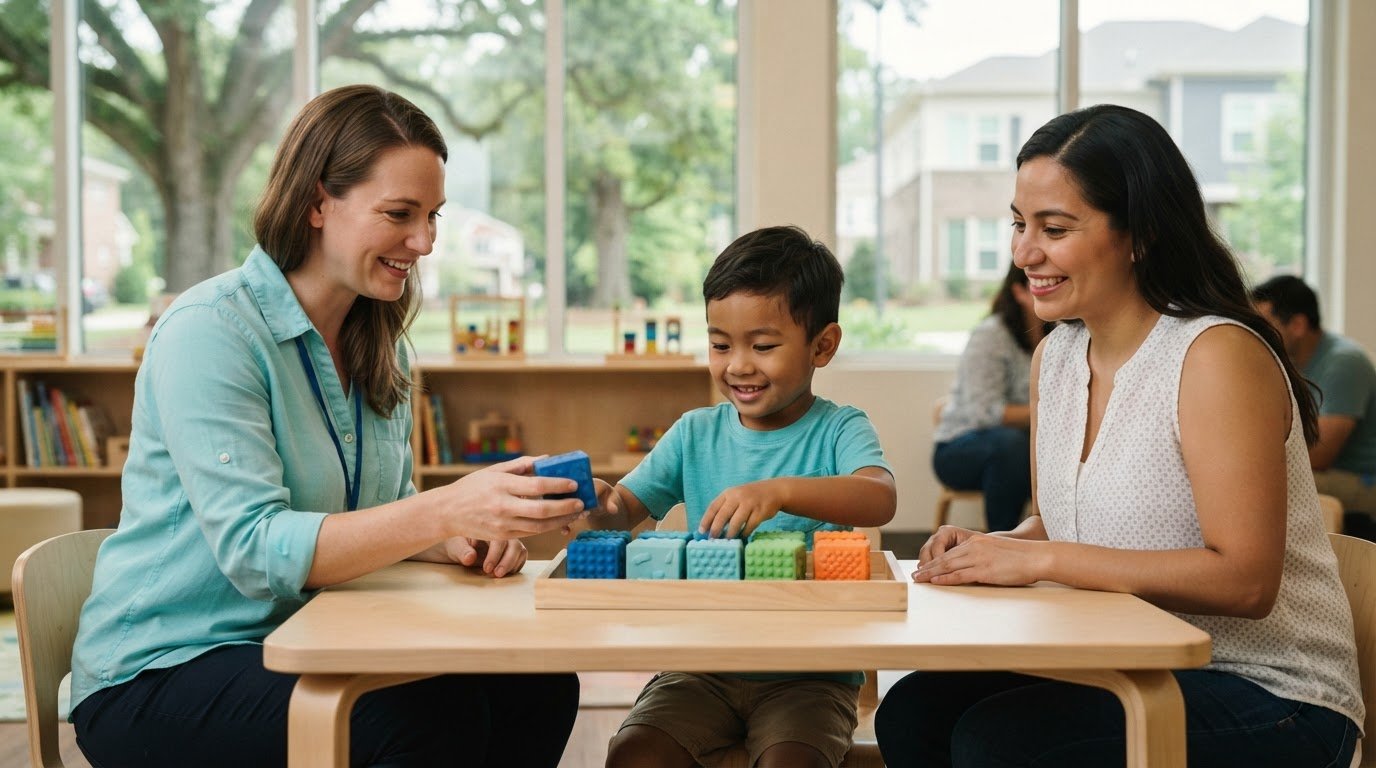
Learning happens best when it feels like life. At its heart, natural environment teaching ABA is an evidence-based strategy that moves instruction away from a desk and into the places where your child actually lives, plays, and grows. While traditional methods might focus on repetitive drills at a table, NET prioritizes "life-work" over "table-work." It ensures that every lesson is functional and immediately applicable to your child's daily routine in Cary or Raleigh. This approach honors the child's current interests, using their preferred toys and activities as the primary curriculum for growth.
The goal is to foster intrinsic motivation. When a child learns because an activity is genuinely fun or useful, the skill sticks. Recent 2026 CDC data indicates that 1 in 31 children in the U.S. is identified with autism; this rise highlights the urgent need for therapy that translates to real-world success. We focus heavily on generalization, which is the ability to take a skill learned in one setting and use it across different people, places, and situations. Without generalization, a child might only know how to ask for a snack when sitting with a therapist; with NET, they learn to ask for that snack at the kitchen counter, at a friend's house, or at a local park in Apex.
The Core Principles of Naturalist ABA
Progress is built on the foundation of the child's own curiosity. By following the child's lead, we ensure they are active participants in their own development rather than passive recipients of instruction. This student-centered approach relies on three main pillars:
- Child-led interactions: We use what your child is already interested in to create learning opportunities. If they're fascinated by blocks, we work on communication and fine motor skills through block play.
- Natural reinforcers: The reward for a successful interaction is the activity itself. If a child asks for a car, they get the car to play with immediately, reinforcing the power of their words in a real-world context.
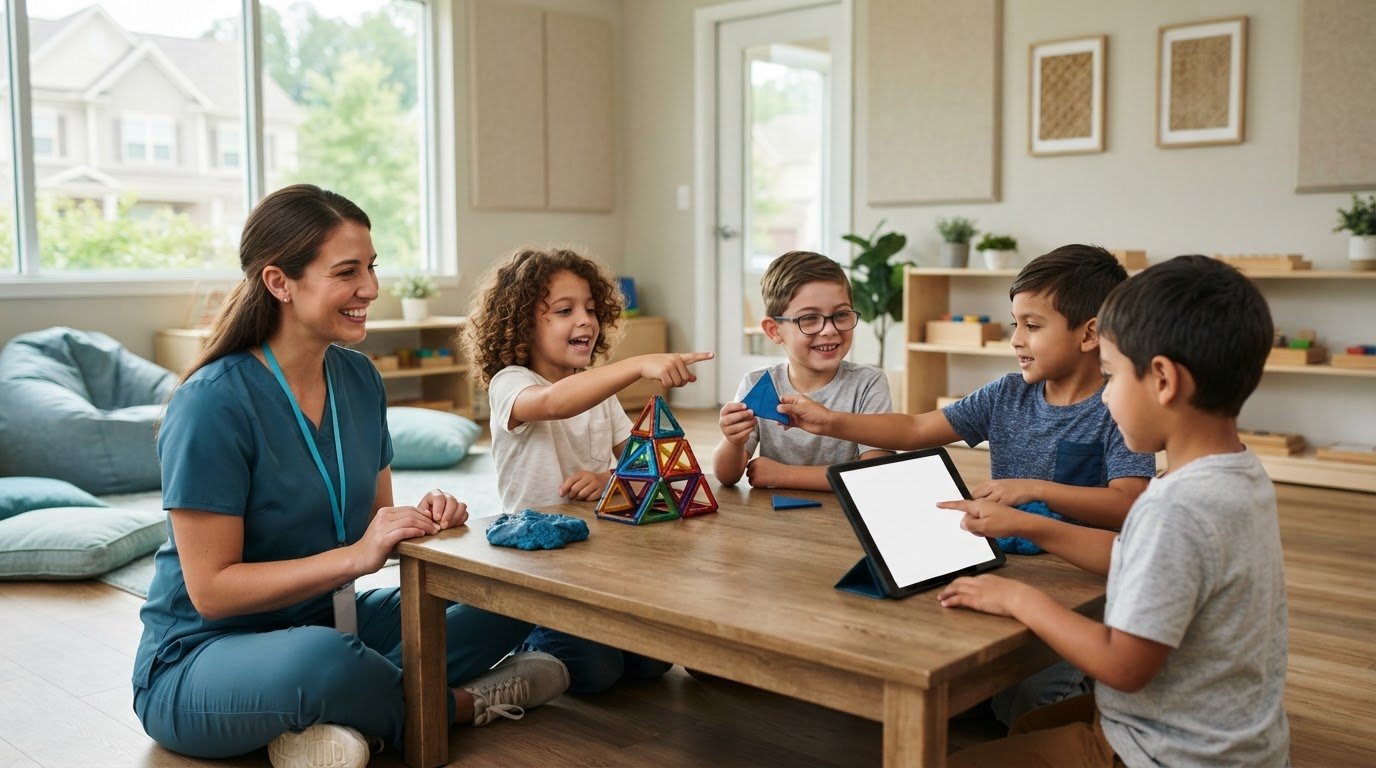
- Loosely structured sessions: Learning isn't confined to a specific chair. It happens on the floor, in the backyard, or during a trip to the grocery store through community-based ABA therapy.
Why NET is Essential for Long-Term Success
Rigid drills can sometimes lead to "robotic" responding, where a child only gives a specific answer when prompted in a specific way. NET breaks this pattern by encouraging spontaneous communication. It builds genuine confidence because the child sees the immediate value of what they're learning. When skills are taught in the context where they'll be used, the child doesn't just memorize a response; they understand the "why" behind the action. This creates a bridge between clinic-based learning and the independence needed for a fulfilling life at home and in the community.
How NET Turns Play and Daily Routines into Learning
Every day is filled with hidden opportunities for growth. A Board Certified Behavior Analyst (BCBA) views your child's world through a lens of potential, identifying "teachable moments" that occur naturally during play or chores. This intentional approach is what defines natural environment teaching ABA. It isn't a passive observation of play. It is a deliberate, clinical process where therapists use your child's environment to build complex skills in real time. By meeting a child where they are most comfortable, we remove the pressure of a formal classroom and replace it with the joy of discovery.
A key part of this process involves managing motivation. We often speak about "capturing" versus "contriving" motivation. Capturing occurs when a therapist notices a child's spontaneous interest, such as a toddler reaching for a favorite picture book, and uses that moment to practice labeling or pointing. Contriving involves subtly setting the stage to encourage a specific skill. For instance, a therapist might place a preferred snack in a clear, sealed container that the child cannot open alone. This creates a natural reason for the child to use their words or gestures to ask for help, fostering independence through a real-world need.
Learning Through Play: Toys as Tools
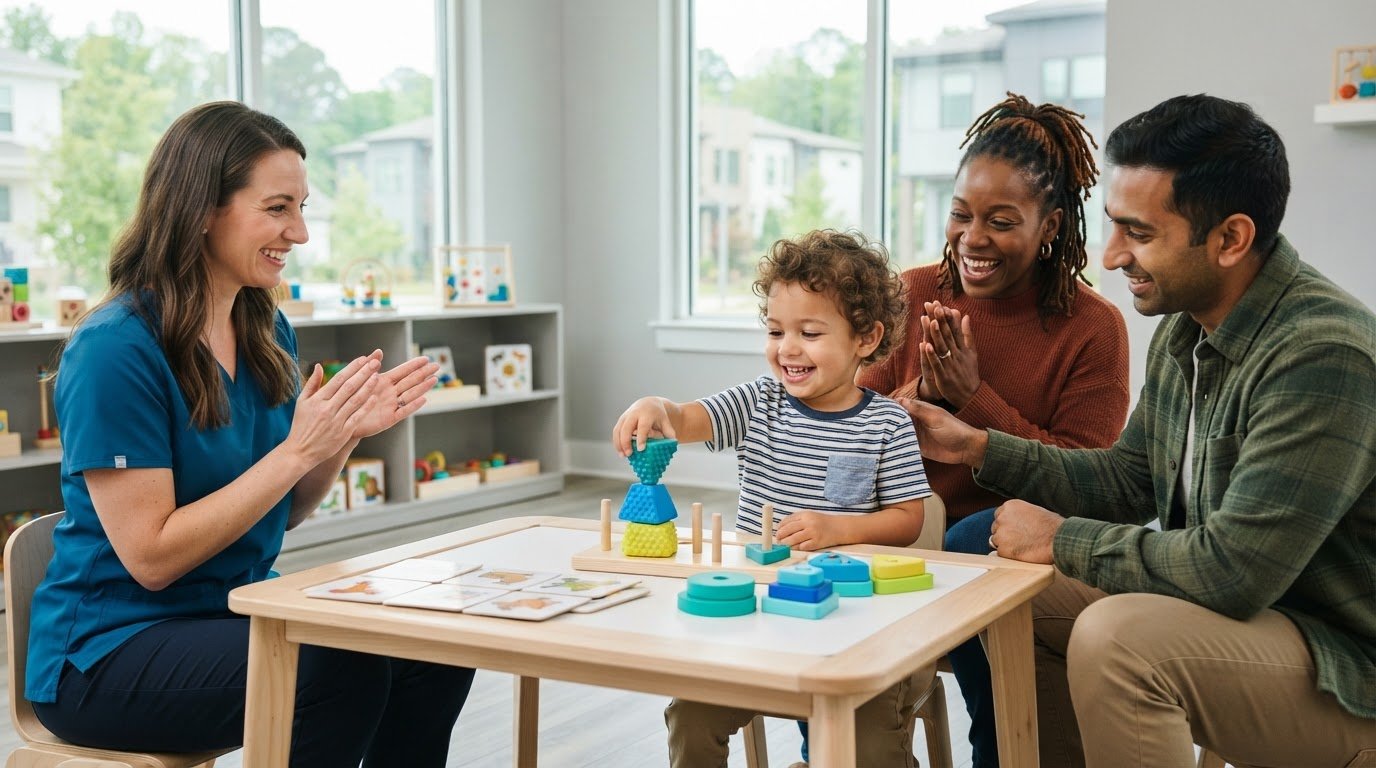
Toys serve as the primary curriculum in a naturalist session. A simple car track isn't just for racing; it's a tool for teaching social turn-taking and the concepts of "stop" and "go." When we pause during a high-energy activity like blowing bubbles, we create a powerful space for language development as the child learns to request "more." This type of functional play helps build cognitive flexibility, allowing children to move beyond repetitive motions and toward creative, meaningful interactions with their surroundings.
Routine-Based Learning: Meals, Dressing, and Chores
Daily life provides a consistent structure for mastering essential life skills. Snack time in your family kitchen offers the perfect setting to practice "help" or "more," while morning routines provide a framework for learning to put on shoes or brush teeth. These moments are the building blocks of autonomy. Our team specializes in home-based ABA therapy in Cary, ensuring that these vital lessons happen exactly where they matter most. This focus on routines ensures that the progress made during therapy translates directly into a more harmonious home life for your entire family.
While these sessions may look like simple play to an outside observer, they are deeply rooted in scientific data. Every interaction is tracked and analyzed to ensure your child is reaching their individualized goals. If you're ready to see how these natural moments can lead to significant milestones, we invite you to connect with our clinical team to discuss a personalized plan for your child.
NET vs. Discrete Trial Training (DTT): Finding the Balance
Effective therapy is rarely one-size-fits-all. While some families worry about the clinical nature of Discrete Trial Training (DTT), it remains a vital component of the behavioral toolkit. DTT is a structured, repetitive teaching method where skills are broken down into small, manageable parts. Often conducted at a table, it provides the high frequency of practice needed to master a new concept quickly. However, natural environment teaching ABA serves as the essential bridge that carries these skills from the table into the real world. A high-quality, individualized treatment plan doesn't choose one over the other; it blends them to create a comprehensive learning experience that feels both professional and personal.
Key Differences at a Glance
Understanding how these methods complement each other helps families feel more confident in the clinical process. Here is how they differ in practice:
- Environment: DTT typically occurs in a controlled, tabletop setting to minimize distractions. NET takes place in the kitchen, backyard, or community.
- Prompts: DTT relies on highly structured prompts to ensure success. NET utilizes natural cues from the environment, like a peer's greeting or a hunger pang.
- Reinforcement: In DTT, rewards are often external, such as a favorite snack or a sticker. In NET, the reward is the natural outcome of the behavior, such as receiving a toy after asking for it.
The Hybrid Approach: Why Divergent Minds Uses Both
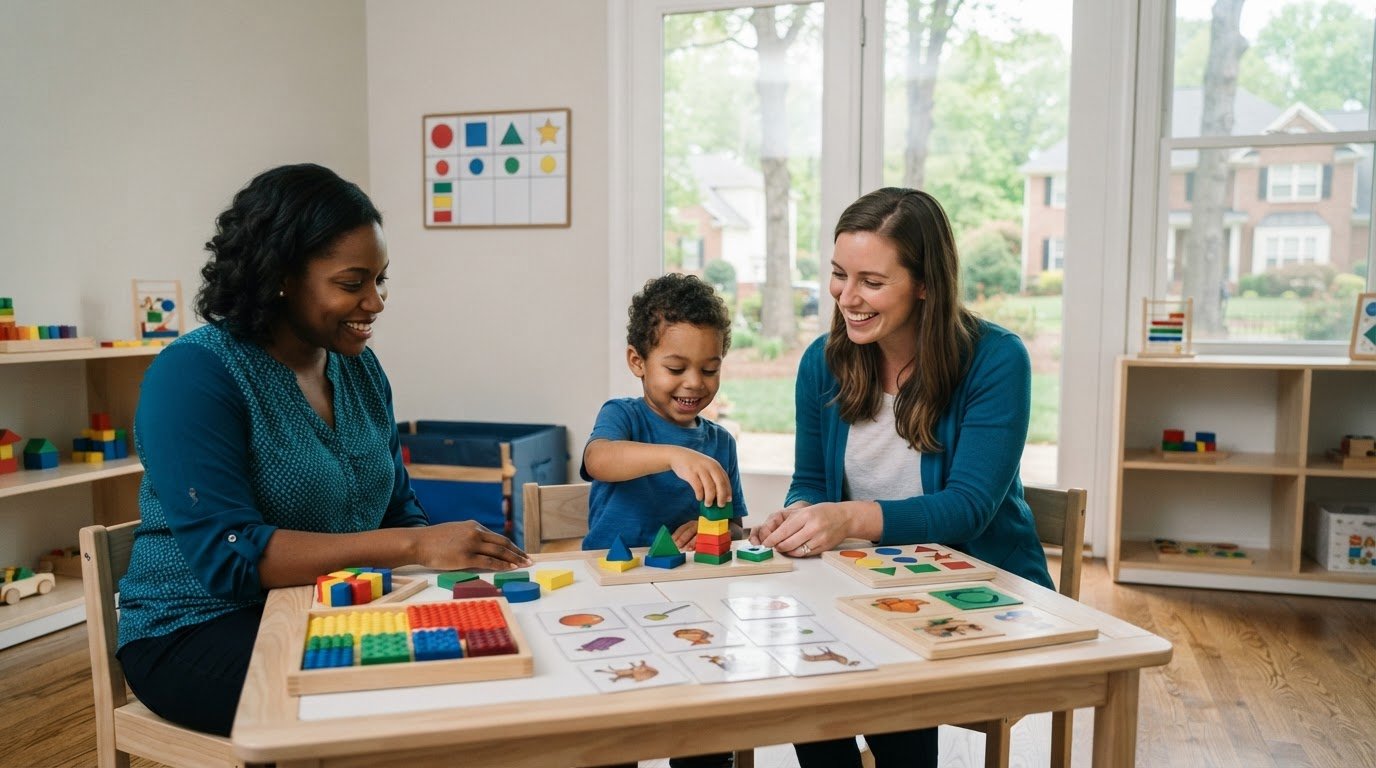
We believe in a balanced approach that prioritizes both the speed of skill acquisition and real-world application. For example, a child might use DTT to build a baseline skill, such as identifying colors with flashcards. This allows for many repetitions in a short time. Once that skill is mastered, we immediately transition to NET to ensure they can identify blue at the grocery store or in a favorite coloring book. This ensures that progress isn't just a clinical statistic but a functional life skill that increases a child's autonomy. Our Clinical ABA Therapy in Cary emphasizes this customized balance, ensuring that every hour of therapy is tailored to your child's specific developmental needs. Using natural environment teaching ABA in conjunction with structured drills allows us to celebrate incremental progress while keeping our eyes on the ultimate goal of independence.
Generalizing Skills in the Cary, Apex, and Raleigh Communities
Real progress is measured by a child's ability to navigate the world around them with confidence. While clinic sessions provide a structured foundation, community-based ABA services take learning into the vibrant neighborhoods of Cary, Apex, and Raleigh. Using natural environment teaching ABA in these settings allows us to practice skills in the exact locations where they are needed most. Whether it is exploring the interactive exhibits at Marbles Kids Museum or enjoying the walking trails at Bond Park, these outings provide rich, organic opportunities for development that a desk simply cannot replicate.
Therapists work directly alongside your child to manage real-world triggers that are difficult to simulate in a controlled environment. We help them process the sensory input of a crowded festival in downtown Raleigh or the sudden noise of a siren on a busy street. This hands-on support builds the resilience needed for a child to feel safe and successful in public spaces. These community experiences are not just trips; they are vital training grounds for building lifelong social confidence and functional independence.
Social Skills in Action
Socializing is a dynamic process that requires practice in diverse, unpredictable environments. In an Apex subdivision, we might practice greeting neighbors or initiating play with peers at a community playground. At a local Cary café, your child can learn the nuances of waiting in line, making eye contact, or ordering a snack independently. To further support these goals, our social skills groups for kids offer a structured way to master peer interactions before taking those skills into the broader community.
The Role of Parent Coaching in NET
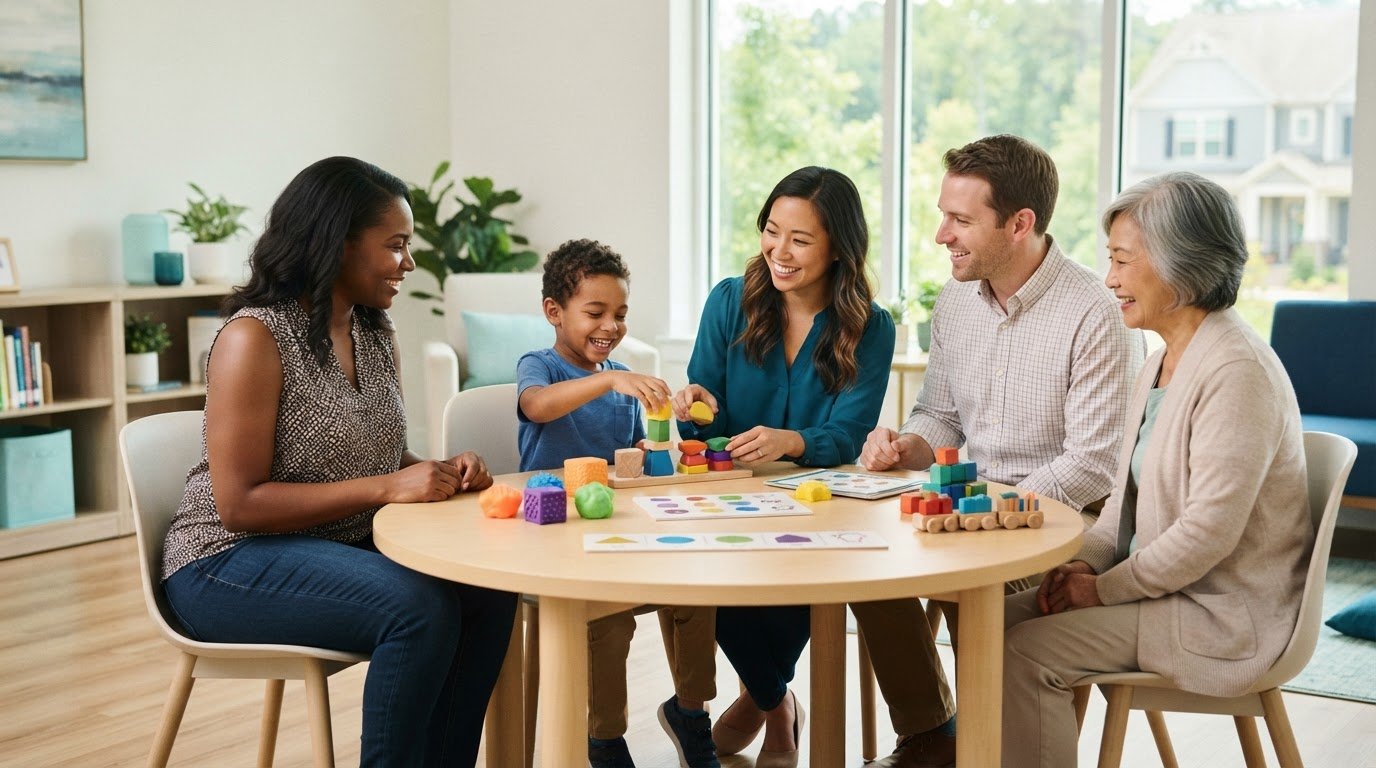
Success is a shared journey between the clinical provider and the family. We empower you to use NET strategies during weekend errands or family vacations, ensuring consistency across every environment your child enters. Parent coaching is a collaborative partnership that extends therapy beyond clinical hours, turning every family member into a supportive guide. Through parent coaching, you gain the specific tools to identify teachable moments during a trip to the grocery store or a visit to the park. This partnership ensures that your child is surrounded by encouragement and expert support throughout their entire day, not just during scheduled sessions.
Your child's potential is not limited by the walls of a building. If you are ready to see how community-based support can transform your family's daily life, please reach out to our team to begin this collaborative journey toward independence.
The Divergent Minds Approach: BCBA-Owned Excellence in NET
Choosing a therapy provider is a significant decision. At Divergent Minds ABA, our foundation as a BCBA-owned and operated practice ensures that clinical integrity is at the forefront of every decision we make. Unlike larger corporate models, our leadership is deeply rooted in the science of behavior analysis. This expertise allows us to design and implement natural environment teaching ABA with a level of precision and flexibility that honors your child's specific needs. We don't just provide a service; we act as a dedicated partner in your child's development, focusing on the celebration of incremental progress and the mastery of lifelong skills.
Our approach recognizes that every child's natural environment is unique. For some, it's the quiet comfort of their bedroom; for others, it's the social complexity of a community park in Wake County. By tailoring our interventions to these specific settings, we ensure that the skills being taught are immediately relevant and functional. This focus on individuality is what allows us to build genuine confidence and independence in the children we serve across Cary, Apex, and Raleigh. We believe that when therapy feels like a natural part of life, the potential for growth is limitless.
Personalized, Evidence-Based Care
Quality care requires a commitment to both science and the individual. We reject standardized, rigid approaches in favor of custom-built treatment plans that reflect your child's strengths and challenges. Every moment of play is carefully structured to ensure it serves a specific developmental purpose. Our primary goal is to foster independence, teaching the skills that will matter most for your child's future autonomy. We prioritize several core elements in our care:
- Every plan is custom: We don't believe in "cookie-cutter" ABA programs. Instead, we build strategies around your child's specific interests and family goals.
- Focus on independence: We prioritize teaching skills that will have the greatest impact on your child's future ability to navigate the world.
- Evidence-based practices: Every "play" moment is backed by rigorous behavioral science to ensure measurable progress.
Next Steps for Your Family
Beginning the journey toward greater independence starts with a clear understanding of your child's unique needs. The first step in our process is often a Functional Behavior Assessment, which serves as the essential foundation for creating a personalized plan. We invite you to visit our Cary clinic for a tour and to meet our dedicated team. Seeing our space and understanding our philosophy can help you feel more confident in the path ahead. To learn more about how natural environment teaching ABA can support your child's growth, please schedule a consultation with our BCBA-led team today.
Empowering Your Child’s Future Through Natural Learning
Natural environment teaching ABA bridges the gap between structured clinical drills and the vibrant, everyday moments of your child’s life. By integrating evidence-based strategies into play and daily routines, we ensure that every milestone reached is both functional and sustainable. This approach transforms community outings and quiet home moments into a canvas for growth, fostering the genuine confidence your child needs to navigate the world with independence. It moves beyond simple memorization, focusing instead on skills that truly matter for your family's daily harmony.
At Divergent Minds ABA, we are deeply committed to this collaborative journey. As a BCBA-owned and operated practice, we provide personalized treatment plans that prioritize your child's unique strengths and interests. Whether you are seeking clinic, home, or community-based options, our focus remains on celebrating the incremental progress that leads to lasting, real-world success. We believe that every child deserves a supportive environment where they can reach their full potential at their own pace.
Begin your child’s journey with a BCBA-owned practice in Cary and discover a partnership built on clinical expertise and heartfelt empathy. We look forward to walking this rewarding path beside you and your family.
Frequently Asked Questions
How is Natural Environment Teaching different from just playing?
Natural environment teaching ABA is a clinical intervention, not just unstructured play. While it appears relaxed, the therapist is actively capturing and contriving motivation to meet specific goals in your child’s individualized treatment plan. Every game or interaction is a deliberate opportunity to practice communication or social skills. This intentionality ensures that "playtime" in your Cary home is actually a powerful engine for building real-world independence and developmental growth.
Can my child learn complex academic skills through NET?
Your child can master complex academic skills through naturalist methods. Concepts like counting, letter identification, and color matching are easily embedded into functional activities. For instance, we might count the number of red cars we see while walking through downtown Raleigh or identify shapes while playing with blocks. This makes academic learning feel relevant and useful, which often leads to better retention and a genuine interest in learning new things.
Is NET as effective as traditional table-based ABA?
The natural environment teaching ABA approach is exceptionally effective, especially for ensuring that skills transfer to everyday life. While traditional table-based methods offer high repetition, NET focuses on the "why" and "when" of a skill. This reduces the risk of a child only performing a task in a clinical setting. By teaching in the places where the skill is actually needed, we build a more resilient and flexible set of abilities that last a lifetime.
What does a typical NET session look like at home?
A typical session at home in Apex or Cary is designed to blend seamlessly into your family's day. The therapist might join your child for a snack to work on requesting "more" or help with a morning dressing routine to build self-care independence. It looks like a mentor and child playing together, but the therapist is constantly observing and guiding the interaction to reach specific behavioral milestones without the pressure of a desk.
How do you track progress if the child is just playing?
We use precise, real-time data collection to ensure every session is productive. Even when a child is engaged in a preferred activity like building a fort, the therapist is tracking the frequency and independence of target behaviors. These data points are then analyzed by our BCBA-led team to monitor progress and refine the personalized treatment plan. This ensures that every minute of play is contributing to measurable growth and long-term success.
Who provides NET—is it the BCBA or a technician?
At Divergent Minds ABA, our BCBA-owned model ensures a high level of clinical oversight. While Registered Behavior Technicians (RBTs) typically provide the direct, daily implementation of the naturalist strategies, they do so under the close supervision of a Board Certified Behavior Analyst. The BCBA remains deeply involved in the process, regularly observing sessions and adjusting the curriculum to ensure your child is consistently reaching their potential in clinic, home, or community settings.
Can NET help with reducing meltdowns in public places?
This approach is highly effective for reducing meltdowns in public places. By practicing in community settings like the local Raleigh parks or busy shopping centers, we can identify specific triggers and teach replacement behaviors in real time. Children learn how to communicate their needs or use calming strategies before a situation becomes overwhelming. This hands-on support builds the confidence needed for your family to enjoy community outings together with much less anxiety.
How long does it take to see results with a naturalist approach?
While every child's developmental path is unique, many families begin to notice incremental progress within the first few weeks of consistent therapy. Because the skills are taught in their natural context, you might see improvements in communication or cooperation at home almost immediately. Long-term mastery of complex social or academic goals takes time, but the focus on functional, real-world application ensures that the progress you see is meaningful and permanent for your child’s future.