Imagine standing in the checkout line at a Cary grocery store, feeling your heart race as you wait for a meltdown that doesn't happen. For many families, "therapy skills" often feel confined to the four walls of a clinical setting, leaving parents wondering if that progress will ever translate to a busy Saturday at Downtown Cary Park. Community based ABA services change this dynamic by taking the science of learning out of the clinic and into the environments where your life actually happens.
We understand the exhaustion of feeling isolated from local activities or neighborhood birthday parties because you aren't sure how your child will navigate the sensory load of a new space. It's a common hurdle, but it doesn't have to be your permanent reality. This guide explores how community-integrated therapy transforms clinical milestones into real-world independence, providing your family the freedom to visit local landmarks with renewed confidence. We will examine the systematic transition from pre-teaching foundational behaviors to achieving guided success at the library, the playground, and everywhere in between.
What are Community Based ABA Services?
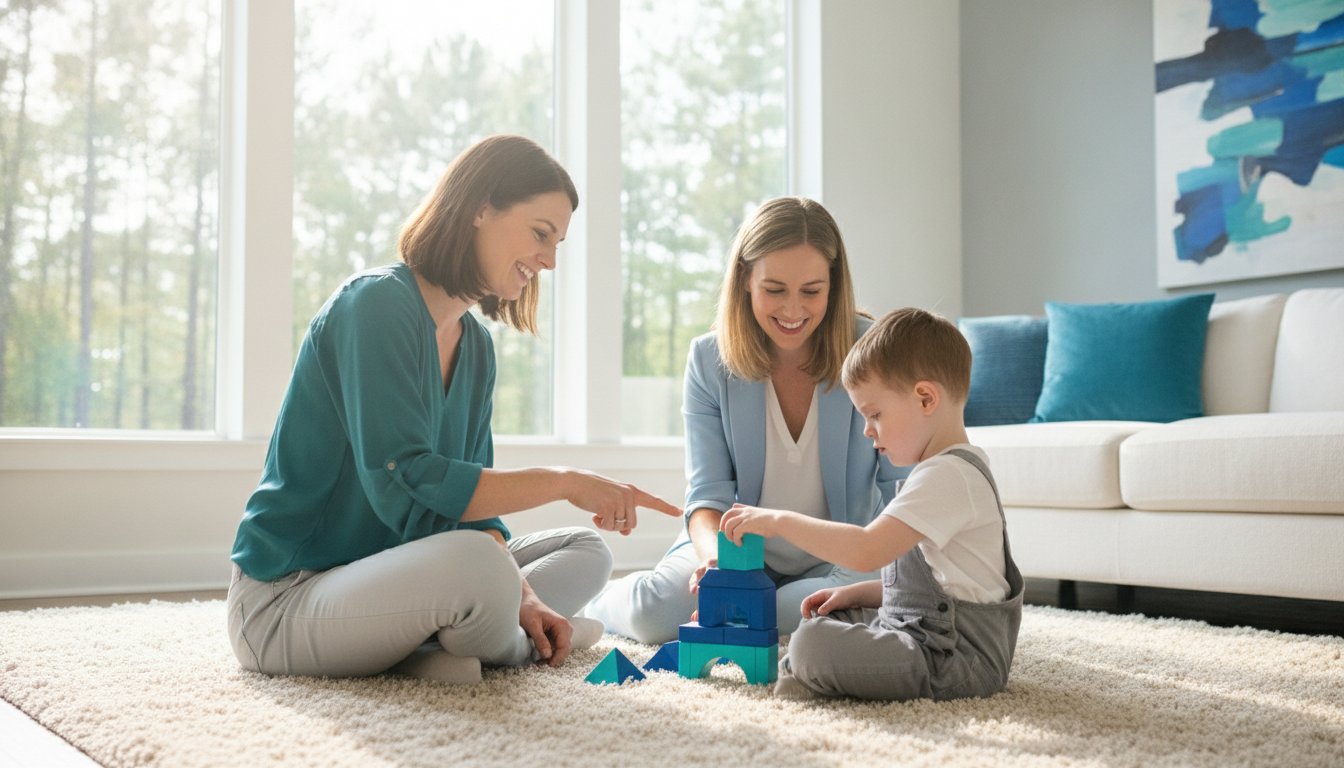
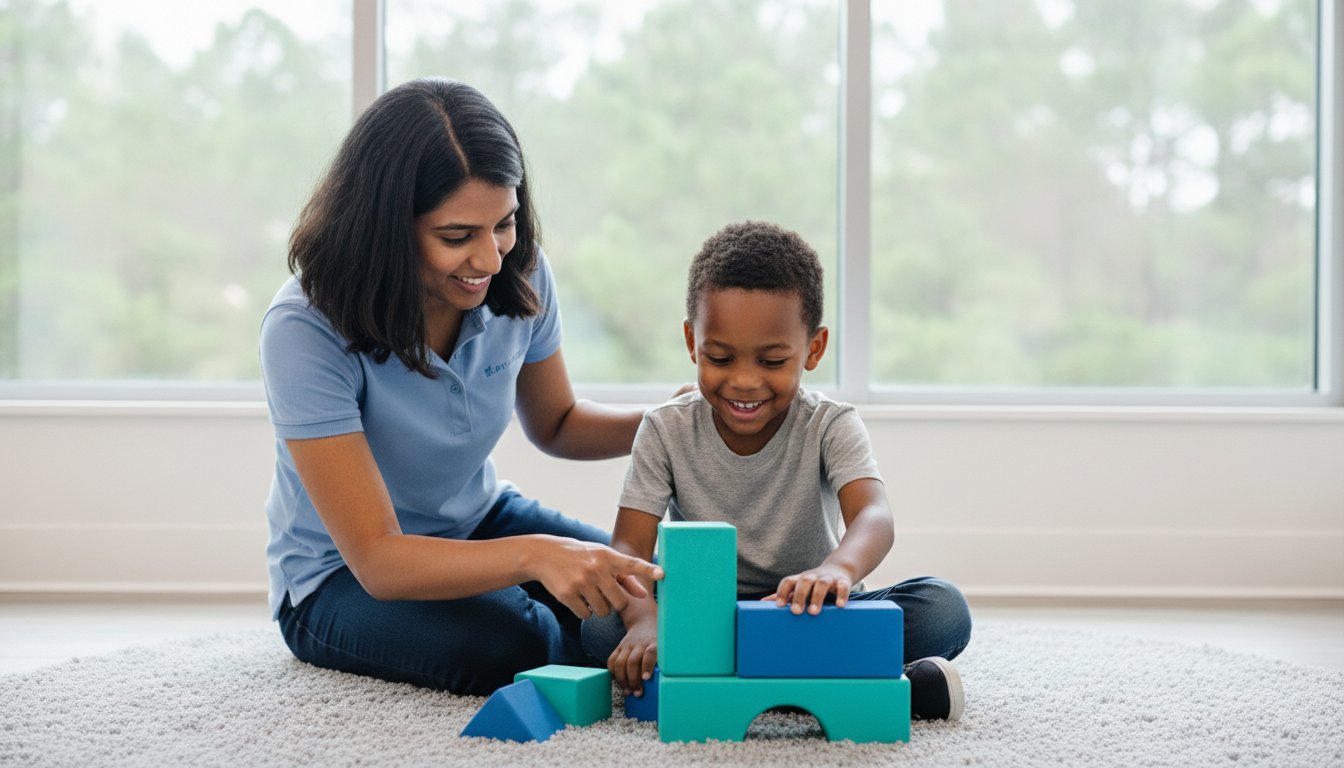
Community based ABA services represent a vital evolution in a child's developmental journey. While foundational learning often begins in a controlled setting, the ultimate goal of any behavioral intervention is to ensure those skills translate to the world outside. This specialized form of care moves therapy beyond the desk and into the vibrant, unpredictable environments where your family lives, plays, and grows. Community ABA is the clinical application of skills in public settings to foster independence.
By utilizing the evidence-based principles of applied behavior analysis, clinicians help children bridge the gap between "knowing" a skill and "doing" it in a crowded room. At Divergent Minds ABA, our community based ABA services focus on transforming clinical progress into functional success. This transition is essential for long-term growth; it ensures that a child’s ability to communicate or stay safe isn't tethered to a specific therapist or a quiet room, but is a portable tool they can use anywhere.
To better understand how these sessions bridge the gap between the clinic and the real world, watch this helpful video:
The Core Purpose of Community-Integrated Therapy
The primary objective of this model is breaking the "fluency barrier." It's common for children to achieve mastery in a clinic yet find those same skills "stuck" when faced with real-world complexity. Community-integrated therapy systematically addresses the environmental triggers that don't exist in a quiet office, such as the sensory rush of a grocery store or the social nuances of a public library. This method involves meticulous planning and data collection to ensure the child is ready for the transition. We don't simply arrive at a park; we engineer opportunities for success by identifying specific behavioral targets and reinforcement schedules that fit the natural environment. We focus on the family unit, providing real-time support during high-stress public situations so that outings become a source of joy rather than anxiety.
Common Settings for Community ABA in Wake County
Our clinicians work alongside families in the local spaces that define life in the Triangle. By practicing in these authentic locations, we ensure that progress is both relevant and sustainable. We focus on environments that offer the highest impact for family freedom and child autonomy.
- Local parks and recreational areas: Spaces like Fred G. Bond Metro Park in Cary serve as the perfect backdrop for practicing social cues, turn-taking on equipment, and pedestrian safety.
- Grocery stores and shopping centers: Navigating locations like Waverly Place or Crossroads Plaza allows children to practice functional life skills, including following a visual schedule, selecting items, and managing the checkout process.
- Medical and dental offices: We facilitate desensitization and cooperation during appointments, helping to reduce the stress often associated with healthcare visits through gradual exposure and positive reinforcement.
The Science of Generalization: Why Real-World Practice Matters
Generalization is the cornerstone of effective therapy. It represents a child's ability to perform a learned skill across different people, places, and materials without needing specific therapeutic prompts. Without this critical step, progress remains fragile and limited to the classroom. Clinical environments provide a necessary starting point, but relying solely on them risks creating "prompt dependency," where a child only performs a task when given a specific cue by a familiar provider. We want skills to be fluid and intuitive, not tethered to a specific person or room.
Community based ABA services dismantle these barriers by moving therapy into authentic contexts. In a clinic, we often use artificial reinforcers like tokens or extra play time to build initial momentum. However, long-term success relies on natural reinforcement. This occurs when the environment itself rewards the behavior, such as a child receiving a desired item at a Cary bakery because they used their communication skills. This CDC overview of autism treatment and intervention settings highlights the importance of delivering support in varied environments to foster real-world functioning. By practicing in the community, we ensure that the rewards for progress are the same ones the child will encounter for the rest of their life.
Stimulus Generalization vs. Response Generalization
Understanding the nuance between different types of generalization helps refine a child's treatment plan. Stimulus generalization involves responding to different triggers in the environment, such as learning to say "Hello" to a neighbor at the library just as easily as to a therapist. Response generalization is the ability to use different versions of a skill to achieve a goal. For example, a child might adapt safety skills from a parking lot diagram to navigating a real Raleigh street with active traffic. Skills not generalized are skills not yet fully mastered.
Reducing Anxiety through Desensitization
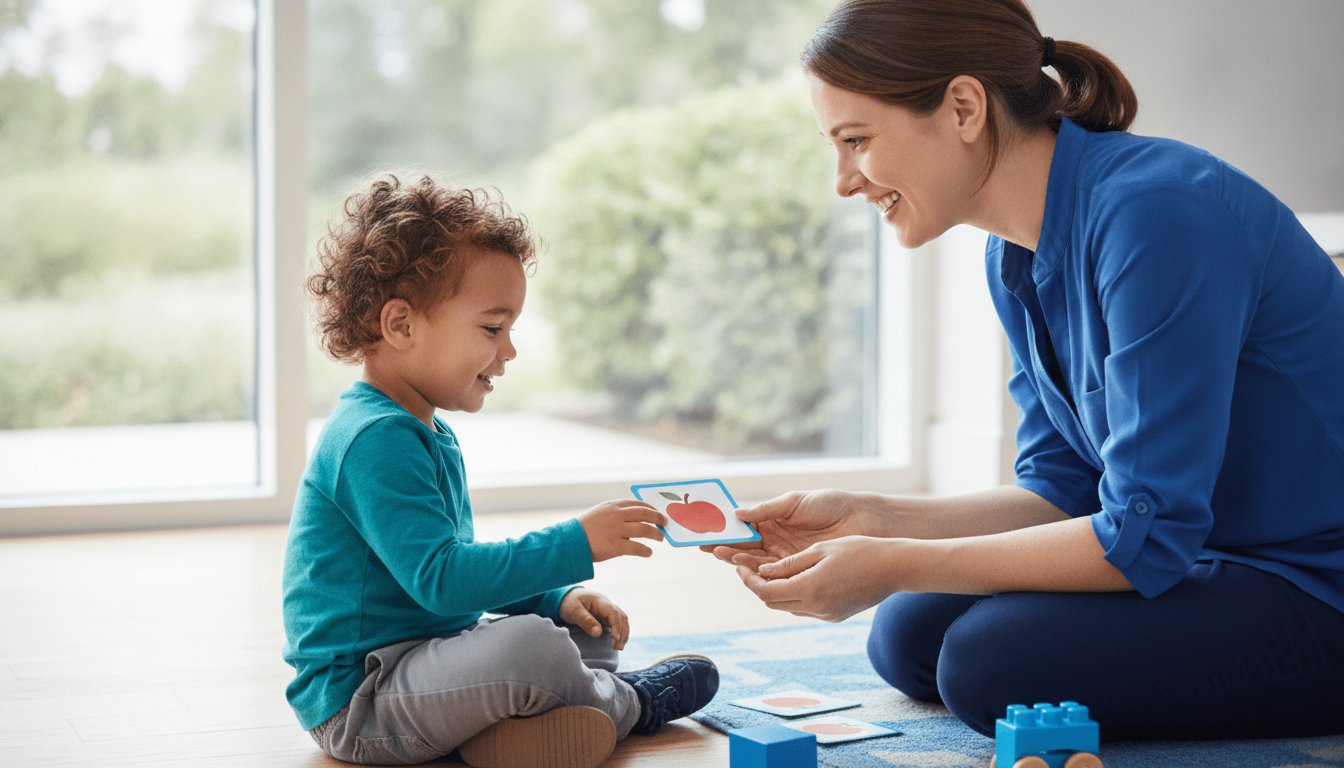
Public spaces often present sensory challenges that a clinic cannot replicate. Through systematic desensitization, we provide gradual exposure to loud or crowded community spaces in a way that feels safe and manageable. This process builds essential "tolerance skills," such as waiting in a long checkout line or handling unexpected changes to a planned routine. By integrating autism communication skills therapy into these outings, we empower children to advocate for their needs when they feel overwhelmed. This collaborative approach ensures that the child feels supported while they stretch their comfort zone.
As your child gains confidence in these new environments, the world begins to feel much smaller and more accessible. If you're ready to see how these principles can help your family regain its freedom, you can reach out to our team for a personal consultation.
Comparing Settings: Clinic, Home, or Community ABA?
Selecting the ideal environment for therapy isn't a one-size-fits-all decision. It's a strategic choice based on your child's specific developmental stage and current goals. While some skills require the quiet focus of a specialized room, others only truly take root when practiced in the living room or at a local park. This CDC overview of autism treatment and intervention options confirms that behavioral treatments are most effective when they address the diverse needs of daily functioning across multiple settings.
Each setting plays a distinct role in the therapeutic journey:
- Clinic-based ABA: This environment is best for intensive skill acquisition. By reducing outside distractions, we can focus on building foundational communication and social behaviors from the ground up.
- Home-based ABA: Practice in the home is ideal for mastering daily routines. We focus on self-care, mealtime manners, and strengthening family dynamics in the child's most familiar space.
- Community-based ABA: These sessions shift the focus toward social navigation and public safety. We prioritize independence in shared spaces, ensuring your child can move through the world with confidence.
Many Cary families find the greatest success through a "Hybrid Model." This approach blends settings to follow the child's progress. We might start a new skill in the clinic, refine it at home, and finally master it during community based ABA services at a local shopping center. This fluid transition ensures that learning never plateaus and remains relevant to your family's lifestyle.
When is a Child Ready for Community Based Services?
Transitioning to the community requires a solid foundation of prerequisite safety skills. We look for specific "readiness markers," such as the ability to halt on command, hold a caregiver's hand, and stay within a safe proximity. A child should also demonstrate mastery of basic communication prompts within the clinic setting before we add the complexity of a public space. Most importantly, we ensure stability in behavior reduction goals. High-stimulus areas like a busy grocery store can be overwhelming; we wait until a child has the coping tools needed to handle those environments safely.
The Role of the Registered Behavior Technician (RBT) in Public
During community outings, a Registered Behavior Technician (RBT) provides essential "shadow" support. They remain close enough to offer discreet prompts but stay back enough to allow for natural interactions with peers or staff. This balance is crucial for real-time data collection without disrupting the natural flow of the environment. While clinic-based ABA therapy provides the foundational phase of learning, the RBT in the community acts as a bridge. They help your child apply those lessons to real-world social cues, ensuring every outing is a structured opportunity for growth.
Planning a Community Outing: The Divergent Minds Protocol
Successful community outings don't happen by accident. They are the result of a structured, phased approach that prioritizes safety and success. At Divergent Minds ABA, we utilize a specific protocol to ensure that community based ABA services are both effective and manageable for the child and the family. This systematic planning transforms a potentially stressful event into a series of small, victorious steps.
- Step 1: Identifying a Specific Community Goal. We start by choosing a meaningful target that aligns with your family's lifestyle. This might include ordering a snack at a cafe in Downtown Cary or selecting a specific book at the Cary Regional Library.
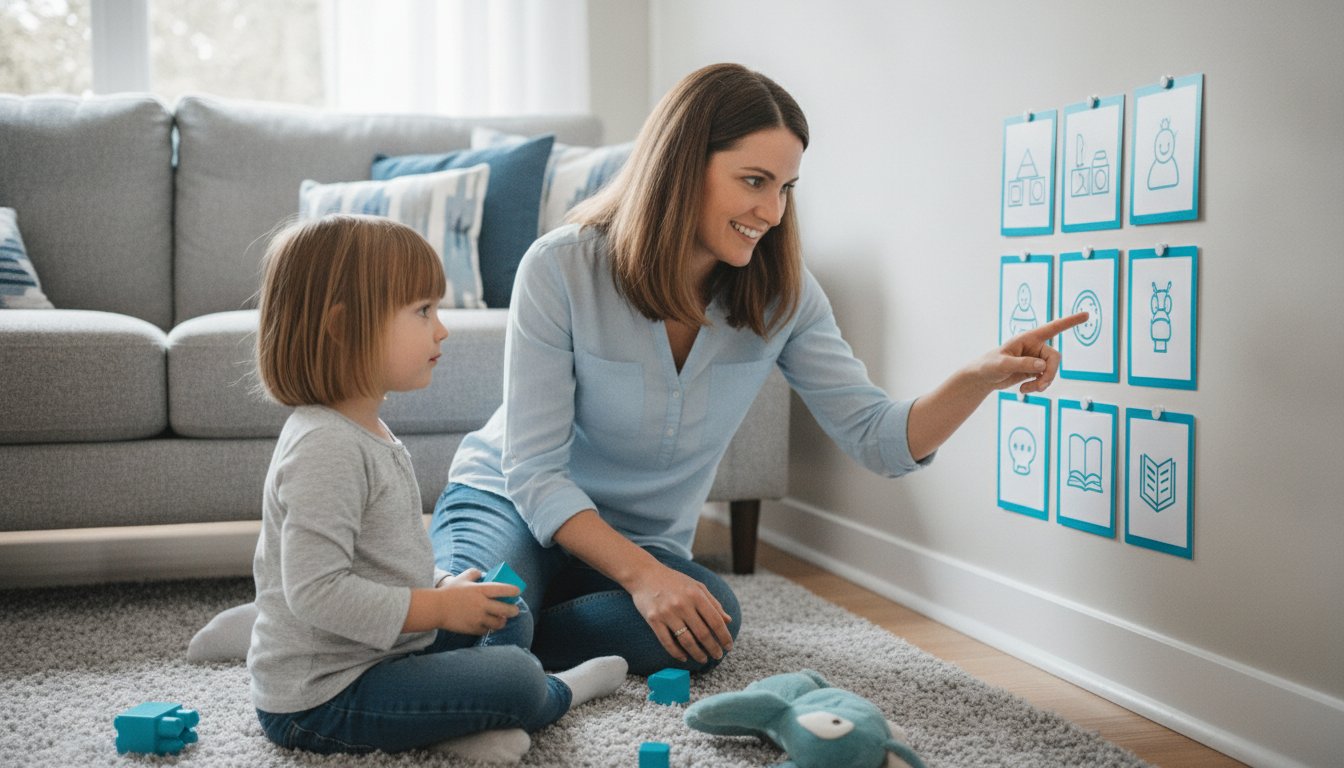
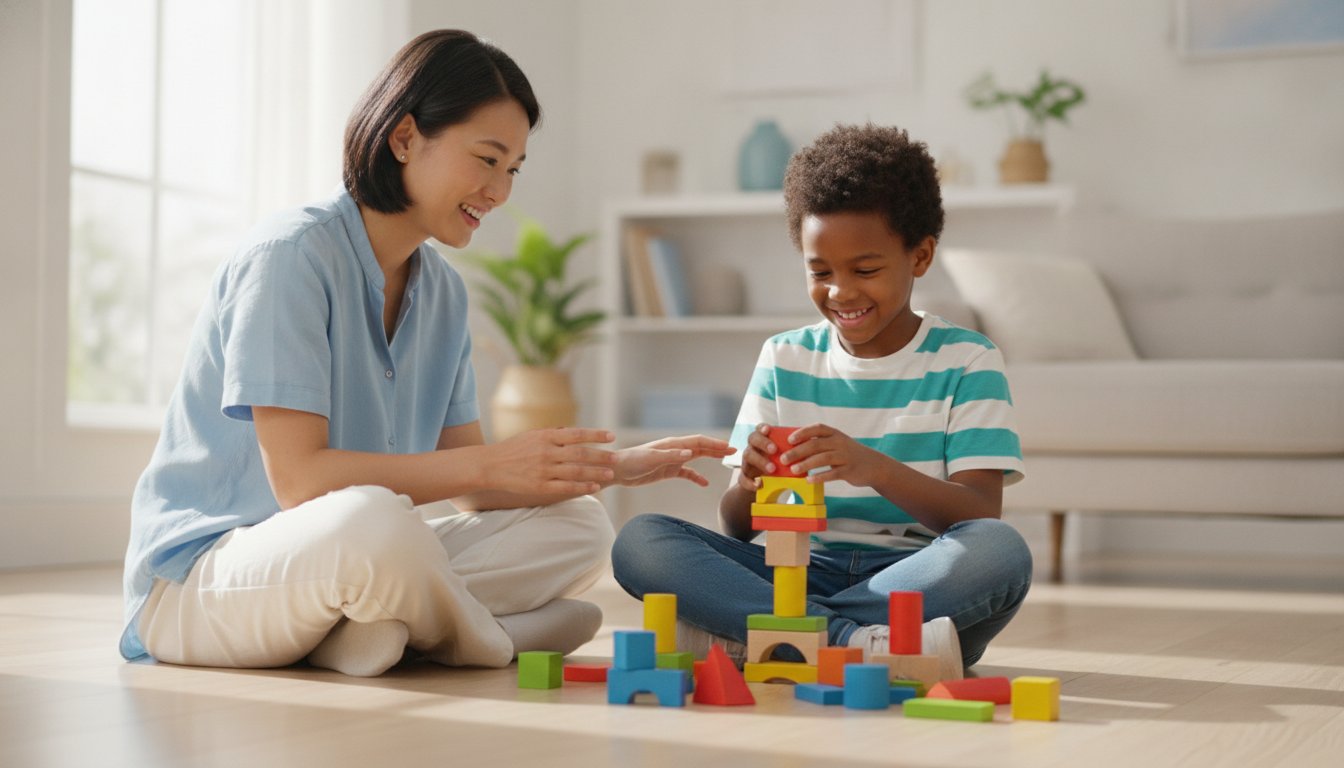
- Step 2: Pre-teaching Necessary Skills. Before stepping foot in public, we practice the foundational behaviors in a controlled environment. We use role-playing and mock setups in the clinic to ensure the child understands the expectations.
- Step 3: Creating a "Task Analysis." We break the outing into small, achievable steps. For a trip to a cafe, this includes entering the building, waiting in line, making a request, and handling the sensory input of the environment.
- Step 4: Live Implementation. We move to the actual location. Our clinicians provide immediate feedback and slowly fade prompts to encourage the child's independence in the natural environment.
Safety First: Managing Transitions and Public Spaces
Navigating transitions between the car and a busy shopping center like Crossroads Plaza requires careful planning. We often utilize tools from our Autism Transition Checklist to prepare for these shifts. Crisis prevention strategies are tailored for each local environment, ensuring we have a plan for crowded spaces or loud noises. Effective use of visual schedules during the outing helps the child understand exactly what to expect, which significantly reduces anxiety and promotes cooperation. We prioritize safety above all else, ensuring that every transition is handled with clinical precision and empathy.
Involving the Family: Parent Coaching in the Community
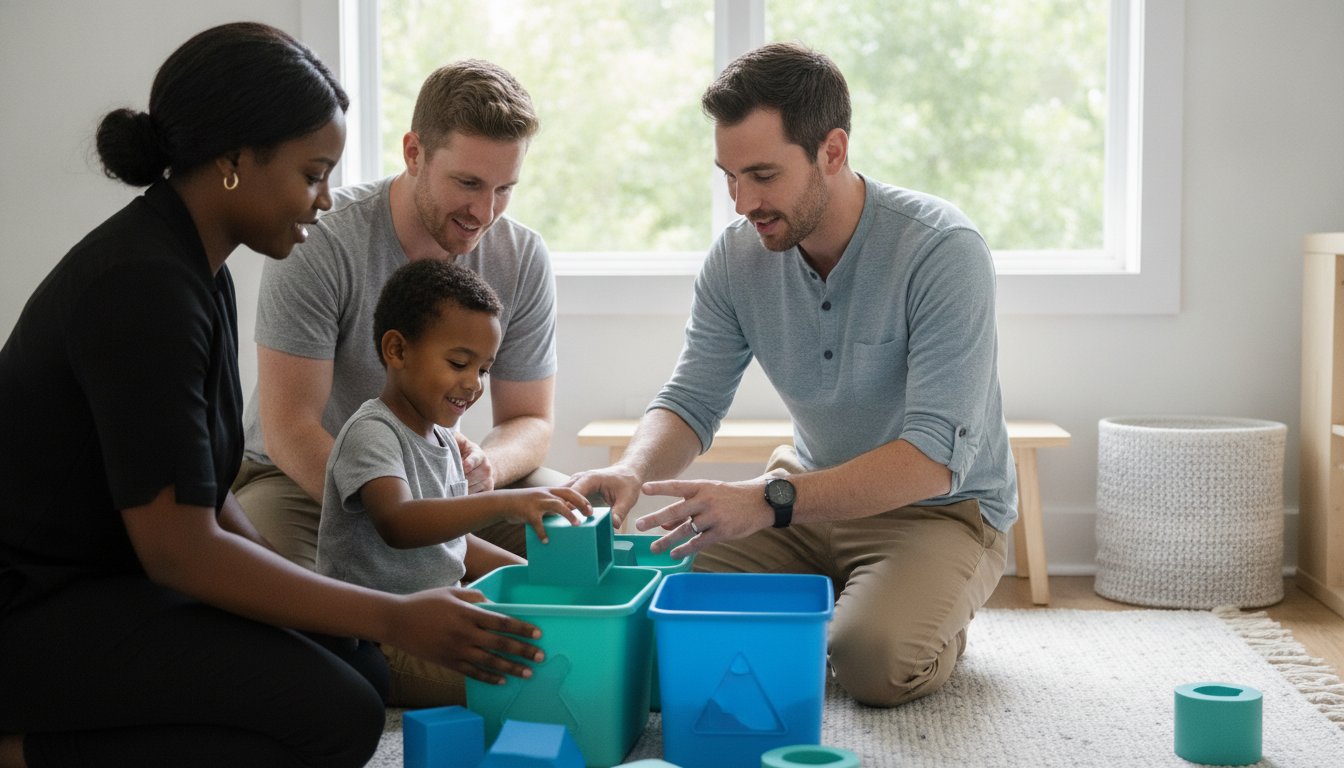
The ultimate goal is for your family to enjoy these outings without a therapist present. We focus on empowering parents to take over the "lead" role during community interactions. Through real-time feedback, we help you navigate difficult behaviors in public with confidence and poise. This collaborative effort is a core part of our parent coaching program, ensuring that progress continues long after the session ends. We believe that when parents feel equipped, the entire family experiences a new level of freedom and connection.
If you're ready to start planning your child's first successful community outing, our team is here to guide you every step of the way. Schedule a consultation with our BCBA-led team today to learn more about our personalized approach to community-integrated therapy.
BCBA-Owned Community ABA Services in Cary, NC
Divergent Minds ABA is more than just a service provider; it's a locally rooted practice dedicated to the families of Cary, Apex, and Raleigh. As a BCBA-owned and operated clinic, our leadership is directly involved in the clinical nuances of every treatment plan. This hands-on approach ensures that your child’s progress is guided by professional expertise during our community based ABA services rather than corporate quotas. We prioritize the individual’s development through a collaborative effort, placing a heavy emphasis on the partnership between our clinicians and your family. Every milestone is a celebration of incremental progress, and we're committed to being a reliable partner in that growth.
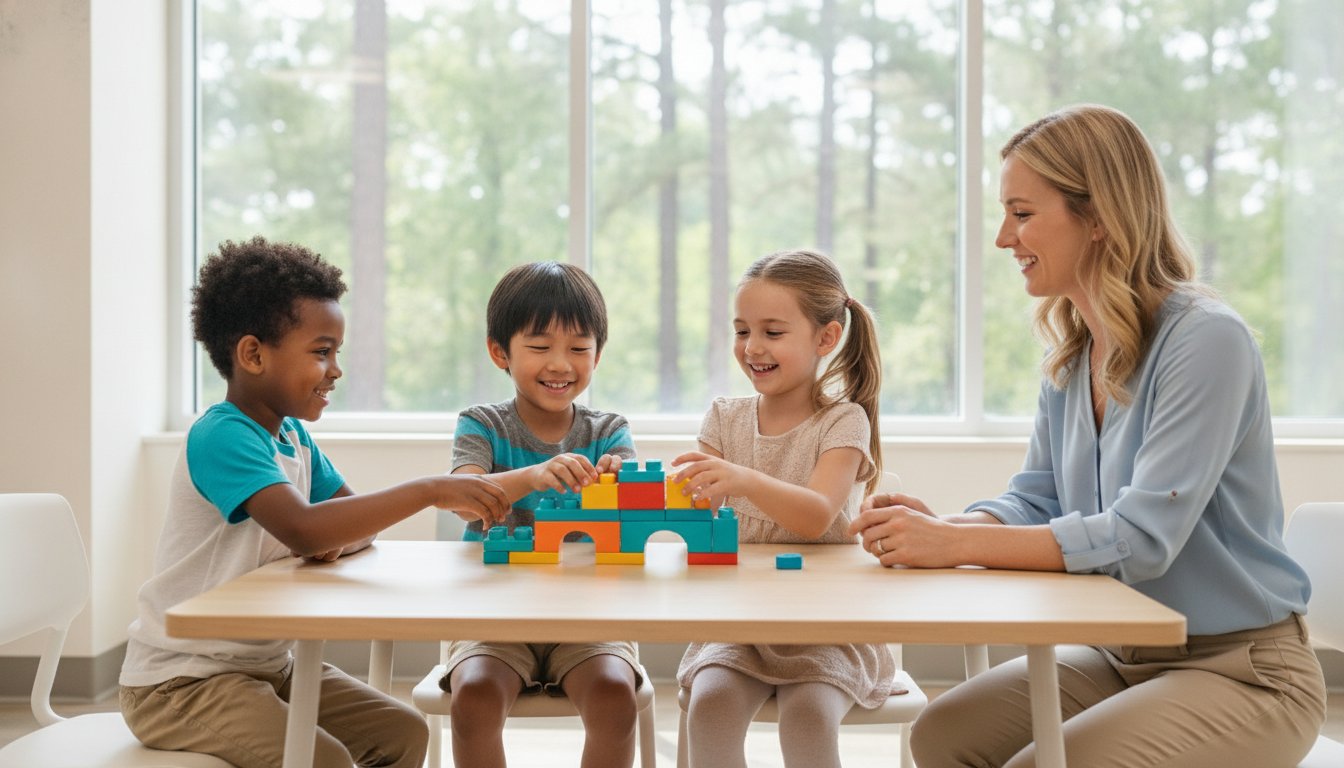
Our social skills groups provide a vital bridge for many Triangle families. These groups allow children to practice peer interactions in a semi-structured environment before fully transitioning those skills into the community. This methodical progression ensures that every child feels supported as they reach for new levels of independence. By blending individual therapy with group dynamics, we help children build the confidence needed to navigate the complexities of social life in the real world.
Why Clinical Leadership Matters for Community Outings
Public settings are inherently unpredictable. Having a plan developed and overseen by a Board Certified Behavior Analyst (BCBA) provides a safety and quality guarantee that's essential for effective intervention. Our BCBA-led oversight means that every community goal is rooted in ethical, evidence-based practices. You have direct access to our clinical leadership for plan adjustments or to discuss specific family concerns as they arise. This level of transparency builds the trust necessary for successful community based ABA services . We don't simply send a technician into the field; we provide a robust clinical framework designed for long-term growth and safety.
To learn more about how we integrate these principles into our sessions, explore our approach to community-based ABA therapy.
Getting Started with Local Community ABA
Beginning your journey with us is a straightforward and supportive process. We start with a comprehensive intake to understand your child's unique needs and your family's specific goals within the Cary community. Our team assists with insurance verification to determine coverage for community-based service hours, ensuring you have clear information before therapy begins. For those looking to integrate peer-based practice into their routine, we recommend referencing our Social Skills Groups for Kids in Cary guide. Whether you're navigating a busy Saturday at Bond Park or a trip to the local grocery store, we're here to act as your knowledgeable guide and supportive ally. We focus on building lifelong skills that empower your child to thrive in any environment.
Empowering Your Child for Real-World Independence
Progress shouldn't be limited to the four walls of a clinic. True growth occurs when a child can confidently navigate a busy Saturday at Bond Park or successfully order a snack at a local cafe. By utilizing community based ABA services , your family can transform clinical milestones into portable, lifelong independence. We focus on breaking the fluency barrier, ensuring that every skill mastered is a tool your child can use in any environment they encounter.
Success in public spaces requires more than just exposure; it demands a structured, clinical approach led by experienced professionals. As a BCBA-owned and operated practice, Divergent Minds ABA provides individualized community integration plans that prioritize both safety and meaningful progress. We're dedicated to serving Cary, Apex, and Raleigh families, helping you reclaim your freedom and confidence during every community outing. Your journey toward a more accessible world starts with a collaborative partner who understands your goals.
Ready to see your child thrive beyond the clinic? Schedule a Consultation for Community-Based ABA in Cary today. We look forward to supporting your family as you reach for new heights of independence together.
Frequently Asked Questions
What exactly are community based ABA services?
Community based ABA services involve delivering behavioral therapy in real-world public settings like grocery stores, parks, or libraries. The goal is to ensure that skills learned in a controlled clinic setting translate to the child's daily life. At Divergent Minds ABA, we focus on functional independence, helping children navigate social cues and safety requirements in the environments where they actually live and play across the Triangle area.
Is community ABA therapy covered by insurance in North Carolina?
Yes, most insurance providers in North Carolina cover community-integrated ABA therapy. Under N.C. Gen. Stat. § 58-3-192, state-regulated commercial plans must cover adaptive behavior treatment. Additionally, NC Medicaid covers medically necessary community based ABA services through the Alliance Tailored Plan for families in Cary and Wake County. We recommend verifying your specific benefits, as coverage for community-based hours can vary between different private and state-funded insurance policies.
How is community ABA different from a regular playdate or outing?
Unlike a standard outing, a community session is a structured clinical intervention guided by a specific treatment plan. A Registered Behavior Technician (RBT) or BCBA provides direct support, utilizing pre-determined prompts and reinforcement schedules to target behavioral goals. We focus on measurable outcomes like social communication or pedestrian safety. While it looks like a natural trip to a Cary cafe, every interaction is engineered to build long-term independence.
Does my child need to be in clinic-based therapy before starting community services?
While it isn't always a strict requirement, many children benefit from establishing foundational skills in a clinic or home setting first. This allows them to master basic communication and safety prompts in a low-distraction environment. Our BCBA-owned team evaluates each child's readiness to ensure they have the necessary coping tools before transitioning to high-stimulus community settings. This phased approach maximizes the child's success and reduces the likelihood of overwhelming them.
How long does a typical community ABA session last?
A typical session usually lasts between two and four hours. The duration depends entirely on the specific goals of the outing and the child's individual stamina. For example, a session focused on ordering at a restaurant might be shorter, while a trip to a local park to practice social skills could last longer. We carefully plan each session to ensure it is long enough to provide meaningful practice without causing excessive fatigue or burnout.
Will the therapist be with my child at school or just in public places?
Our community-based services primarily focus on public spaces such as shopping centers, parks, and libraries throughout Cary, Apex, and Raleigh. This allows us to target life skills and social navigation in the environments where families spend their weekends and evenings. While school-based support is a separate consideration, our community outings are designed to bridge the gap between clinical learning and the functional independence needed for a variety of real-world social settings.
What happens if my child has a meltdown in a public community setting?
Our clinicians are trained in crisis prevention and de-escalation strategies tailored for public environments. If a meltdown occurs, the therapist remains a calm, guiding presence, implementing the child's specific behavior intervention plan while prioritizing safety and dignity. We focus on understanding the environmental triggers and helping the child use their coping skills. These moments often provide valuable data that helps us refine future pre-teaching and desensitization strategies for the family.
How do you measure progress during a community-based session?
Progress is measured through real-time data collection on individualized behavioral targets. The therapist tracks how many prompts the child requires to complete a task, the frequency of target social interactions, and the successful use of safety skills. We compare this community data against clinic benchmarks to ensure that skills are truly generalizing. This evidence-based approach allows our BCBA-led team to make precise adjustments to the treatment plan, ensuring consistent growth toward independence.